

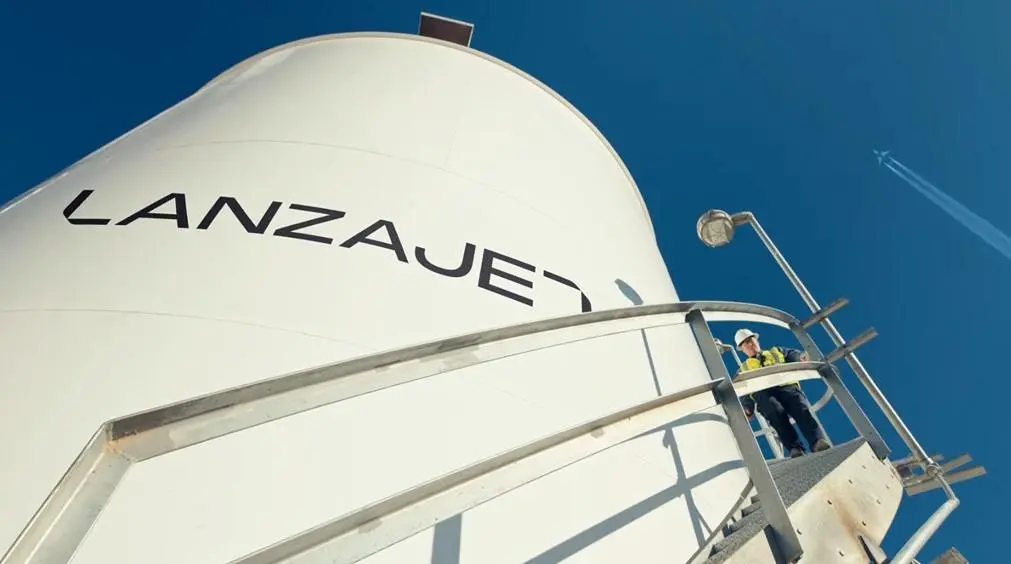
LanzaJet, a leading developer of sustainable aviation fuel (SAF) technology, has announced the successful acquisition of at least $20 million in new financing. This capital infusion is earmarked for the scaling of production and the global distribution of SAF from the company’s flagship Freedom Pines Fuels facility located in Soperton, Georgia. The funding round signifies a pivotal moment for the Illinois-based firm as it transitions from a demonstration-scale innovator to a commercial-scale powerhouse in the rapidly evolving renewable energy sector.
The investment is backed by a consortium of high-profile stakeholders, including LanzaJet’s parent company LanzaTech, renowned venture capitalist Vinod Khosla, and various members of the LanzaJet Board of Directors. This latest financial injection is not an isolated event but rather a core component of a comprehensive recapitalization and debt reduction strategy initiated by the company’s existing investors. As part of this strategic reorganization, LanzaTech has significantly increased its equity stake in LanzaJet, reinforcing the synergy between carbon recycling technology and aviation decarbonization.
Strategic Leadership and Corporate Restructuring
In tandem with the financing announcement, LanzaJet revealed a significant shift in its executive leadership. Jennifer Holmgren, the Chief Executive Officer of LanzaTech, will maintain her position as Chair of the LanzaJet Board while also stepping into the role of interim CEO. This leadership transition follows the departure of outgoing CEO Jimmy Samartzis, who recently announced his decision to pursue a new leadership opportunity within the broader SAF industry.
Holmgren’s dual role is intended to provide stability and strategic continuity during a critical growth phase. Under her guidance, the company aims to replicate the commercial success LanzaTech has found in other sectors. "LanzaTech has taken first-of-a-kind technology to profitable commercial operation," Holmgren stated. "With a larger ownership stake and the Board’s full support, we look forward to bringing Freedom Pines Fuels and future LanzaJet plants to the same commercial success."
The restructuring of debt and the recapitalization effort are designed to lean the company’s balance sheet, allowing for more aggressive expansion. By reducing debt burdens, LanzaJet positions itself to better attract project-level financing for future refineries, which are essential to meeting the surging global demand for low-carbon aviation solutions.
The Freedom Pines Fuels Facility: A Global Benchmark
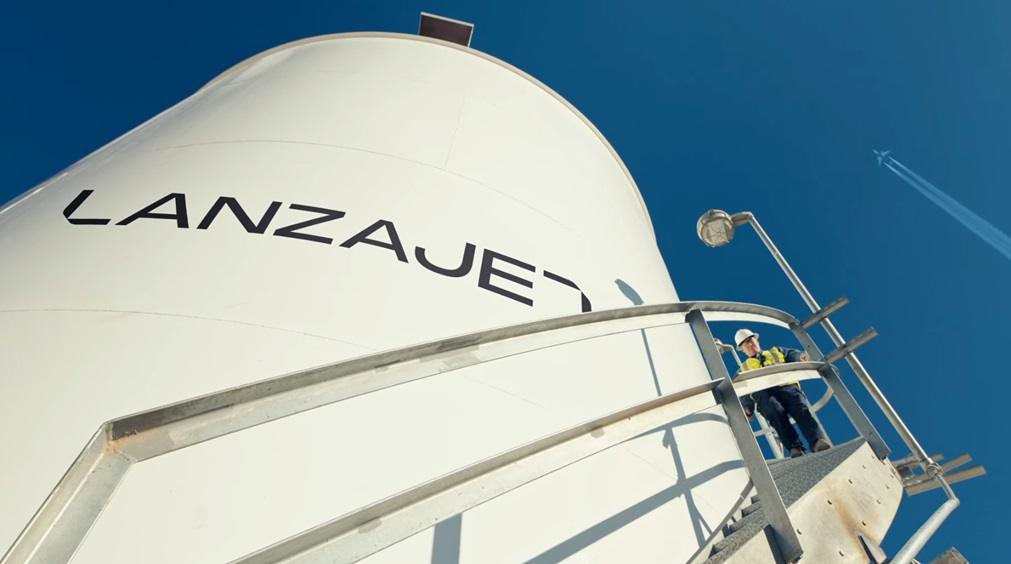
The center of LanzaJet’s current operations is the Freedom Pines Fuels facility in Soperton, Georgia. In November 2025, the company reached a historic milestone by achieving full plant operation and producing fuel at commercial scale. This facility holds the distinction of being the world’s first commercial-scale alcohol-to-jet (ATJ) production site.
Freedom Pines Fuels possesses an annual production capacity of 10 million gallons, split between SAF and renewable diesel. The facility has already demonstrated its capability by producing fuels that meet the rigorous ASTM International specifications required for use in commercial aviation. The success of this plant serves as a "proof of concept" for the ATJ technology, providing a blueprint for future facilities across North America, Europe, and Asia.
The location in Georgia is strategic, allowing the company to tap into regional agricultural residuals and forest waste, which are abundant in the southeastern United States. By converting these local feedstocks into high-value fuel, LanzaJet is not only contributing to decarbonization but also fostering economic development in rural communities.
Alcohol-to-Jet Technology: The Science of Sustainable Flight
LanzaJet’s primary technological advantage lies in its patented Alcohol-to-Jet (ATJ) process. Unlike the more common Hydroprocessed Esters and Fatty Acids (HEFA) pathway—which relies heavily on fats, oils, and greases (FOG)—the ATJ process utilizes ethanol as its primary building block. This ethanol is sourced from a diverse array of sustainable and waste-based materials, including:
- Low-carbon Sugarcane: Sourced from regions with high yields and sustainable land-use practices.
- Energy Crops: Purpose-grown crops that do not compete with food production.
- Forest Residuals: Waste wood and thinning from sustainable forestry operations.
- Agricultural Waste: Leftover husks, stalks, and straw from food crop harvesting.
- Organic Waste: Diverted municipal and industrial organic waste streams.
The flexibility of the ATJ pathway is critical for the scalability of SAF. While the supply of waste oils for HEFA production is limited and increasingly competitive, the global supply of ethanol is vast and can be produced from a wider variety of feedstocks. By converting this ethanol into synthetic paraffinic kerosene (SPK), LanzaJet creates a "drop-in" fuel that can be blended with traditional petroleum-based jet fuel at ratios up to 50% without requiring any modifications to existing aircraft engines or fueling infrastructure.
Chronology of LanzaJet’s Evolution
The path to this $20 million financing round began in 2020, when LanzaTech spun off LanzaJet to focus specifically on the aviation sector. The timeline of the company’s development highlights a rapid ascent in the clean-tech space:

- June 2020: LanzaJet is launched with backing from LanzaTech, Suncor Energy, and Mitsui & Co.
- 2021-2022: The company secures additional investment from British Airways, Shell, and Microsoft’s Climate Innovation Fund, signaling strong corporate interest in its technology.
- January 2024: LanzaJet officially opens the Freedom Pines Fuels facility, beginning the commissioning phase.
- November 2025: The facility achieves full commercial operation, proving the viability of the ATJ process at scale.
- October 2026: LanzaJet secures $20 million in new financing and undergoes a strategic recapitalization to fund the next phase of global expansion.
Market Context and the Push for Net Zero Aviation
The aviation industry accounts for approximately 2% to 3% of global energy-related carbon dioxide emissions. Because electric and hydrogen-powered flight remain in the early stages of development—particularly for long-haul routes—SAF is widely regarded as the most viable near-term solution for decarbonizing the sector.
The International Air Transport Association (IATA) has committed to achieving net-zero carbon emissions by 2050. To reach this goal, it is estimated that SAF production must scale from the millions of gallons produced today to approximately 118 billion gallons (449 billion liters) by mid-century. This monumental task requires significant private and public investment.
Governmental policies are also driving demand. In the United States, the "SAF Grand Challenge" aims to scale SAF production to 3 billion gallons per year by 2030. In Europe, the "ReFuelEU Aviation" mandate requires fuel suppliers to ensure that an increasing percentage of fuel at EU airports is sustainable, starting at 2% in 2025 and rising to 70% by 2050. LanzaJet’s expansion is timed to capitalize on these regulatory tailwinds, providing the necessary volume to help airlines meet these mandates.
Financial and Environmental Implications
The $20 million financing, while modest compared to the billions needed for total industry transformation, is a vital bridge for LanzaJet. It provides the working capital necessary to optimize the Georgia plant’s output and to finalize engineering and design work for subsequent projects.
From an environmental perspective, the impact of scaling LanzaJet’s technology is profound. SAF produced via the ATJ pathway can reduce lifecycle greenhouse gas emissions by up to 80% compared to conventional jet fuel. Furthermore, because the process utilizes waste-based ethanol, it contributes to a circular economy, turning potential pollutants and landfill waste into high-energy density fuel.
The involvement of Vinod Khosla, a pioneer in clean-tech investing, adds a layer of institutional credibility to the venture. Khosla’s support suggests that LanzaJet has successfully navigated the "valley of death" that many green startups face between pilot testing and commercial viability.

Looking Ahead: The Future of LanzaJet
With the Freedom Pines facility operational and new funding secured, LanzaJet is looking toward a future of decentralized production. The company’s business model involves not only owning and operating its own plants but also licensing its ATJ technology to partners worldwide. This "hub-and-spoke" model allows for the localization of fuel production, reducing the carbon footprint associated with transporting fuel and allowing countries to utilize their specific domestic waste streams.
As Jennifer Holmgren takes the helm during this interim period, the focus will remain on operational excellence and the execution of the company’s project pipeline. The industry will be watching closely to see how LanzaJet utilizes this capital to maintain its first-mover advantage in the ATJ space.
In a sector where many technologies remain theoretical, LanzaJet’s ability to produce physical barrels of specification-compliant fuel puts it in a rarefied group of companies capable of delivering on the promise of sustainable flight. This latest financing round ensures that the momentum generated in Soperton, Georgia, will continue to resonate across the global aviation landscape.
