

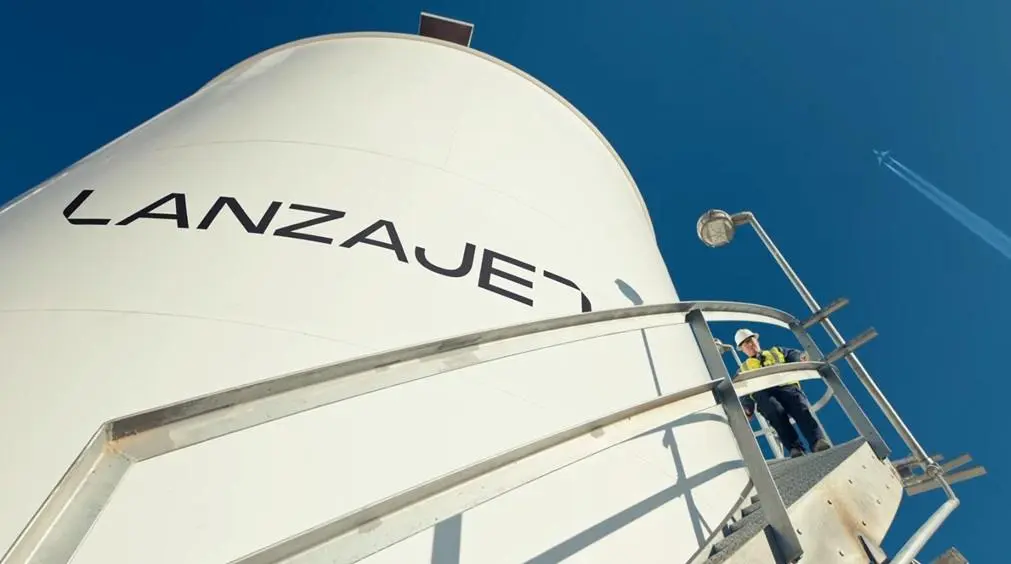
LanzaJet, a leading innovator in the sustainable aviation fuel (SAF) sector, has announced the successful acquisition of $20 million in new financing. This capital injection is designed to accelerate the scaling of production and the global distribution of SAF from the company’s flagship Freedom Pines Fuels facility in Soperton, Georgia. The funding round signifies a pivotal moment for the company as it transitions from a technology pioneer to a commercial-scale producer in a global market increasingly desperate for low-carbon energy solutions. Supported by its founding parent company, LanzaTech, along with prominent venture capitalist Vinod Khosla and the LanzaJet Board of Directors, this financing is part of a broader strategic recapitalization effort intended to strengthen the company’s balance sheet and reduce existing debt.
The aviation industry is currently facing immense pressure to decarbonize, with international bodies such as the International Air Transport Association (IATA) and the International Civil Aviation Organization (ICAO) setting ambitious targets for net-zero emissions by 2050. Because electric and hydrogen-powered flight technologies remain in their infancy for long-haul travel, SAF is widely regarded as the most viable near-term solution for reducing the carbon footprint of air travel. LanzaJet’s recent financing ensures that it remains at the forefront of this transition, providing the necessary liquidity to meet the rising demand from airlines and corporate partners worldwide.
The Evolution of LanzaJet and the Freedom Pines Milestone
Launched in 2020, LanzaJet was spun out of LanzaTech, a carbon recycling company known for its ability to transform waste carbon into ethanol through gas fermentation. LanzaJet’s mission was to take that ethanol and convert it into high-value drop-in fuels for the aviation and heavy transport sectors. The core of this mission is the Alcohol-to-Jet (ATJ) technology, a process that enables the production of SAF and renewable diesel from a diverse range of sustainable ethanol sources.
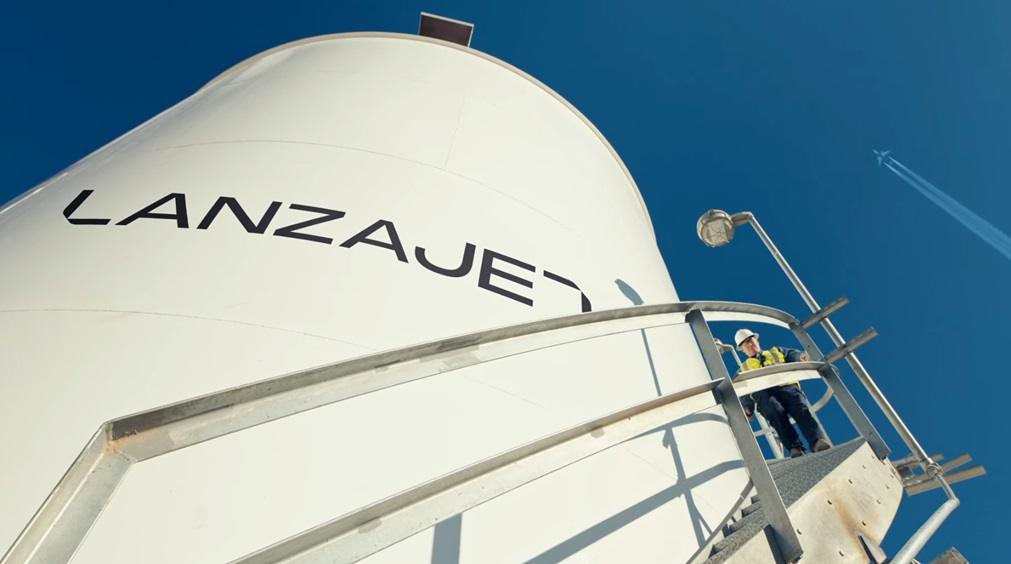
The company reached a historic milestone in November 2025 when it announced that its Freedom Pines Fuels facility had achieved full operational status. As the world’s first commercial-scale ATJ production facility, Freedom Pines has an annual production capacity of 10 million gallons of SAF and renewable diesel. This facility serves as a proof-of-concept for the scalability of ATJ technology, demonstrating that waste-based ethanol—sourced from everything from agricultural residues to captured industrial carbon—can be reliably transformed into fuel that meets rigorous ASTM International specifications. The new $20 million investment will specifically target the optimization of this facility’s output and the logistics required to supply a global customer base.
Strategic Recapitalization and Leadership Transition
The $20 million financing round is more than just a capital infusion; it represents a structural shift in LanzaJet’s ownership and governance. As part of the transaction, LanzaTech has significantly increased its ownership stake in LanzaJet, reaffirming its commitment to the subsidiary’s long-term success. This move is complemented by a recapitalization strategy aimed at reducing debt, which provides the company with the financial flexibility needed to invest in future plants and technology upgrades.
The announcement also brought news of a leadership transition. Jennifer Holmgren, the CEO of LanzaTech, will continue her role as Chair of the LanzaJet Board while also stepping in as interim CEO. This transition follows the departure of Jimmy Samaritzis, who led the company through its initial development and the construction of the Georgia plant. Samaritzis is reportedly moving to another leadership position within the SAF industry, a move that underscores the growing demand for experienced talent in the renewable energy sector.
Holmgren’s dual role is expected to create a more seamless integration between LanzaTech’s carbon-capturing ethanol production and LanzaJet’s fuel-refining capabilities. "LanzaTech has taken first-of-a-kind technology to profitable commercial operation," Holmgren stated. "With a larger ownership stake and the Board’s full support, we look forward to bringing Freedom Pines Fuels and future LanzaJet plants to the same commercial success."
The Alcohol-to-Jet (ATJ) Advantage
LanzaJet’s competitive edge lies in the versatility of its ATJ technology. Unlike traditional SAF production methods—such as Hydroprocessed Esters and Fatty Acids (HEFA), which rely heavily on limited supplies of used cooking oil and animal fats—the ATJ pathway can utilize a vast array of feedstocks. These include:
- Low-Carbon Sugarcane: Sourced from regions with sustainable land-use practices.
- Energy Crops: Non-food plants grown specifically for fuel production.
- Forest Residuals: Waste wood from timber and paper industries that would otherwise decompose or be burned.
- Agricultural Waste: Stalks, husks, and other residues from food crops.
- Captured Carbon: Ethanol produced by LanzaTech from industrial off-gases (such as steel mill emissions).
By utilizing ethanol as an intermediate, LanzaJet can tap into existing global ethanol supply chains, which are significantly more mature and voluminous than the supply chains for fats and oils. This scalability is critical for the aviation industry, which consumed approximately 95 billion gallons of fuel annually prior to the pandemic. To reach net-zero goals, the industry will need to scale SAF production from the millions of gallons produced today to billions of gallons by the 2030s.

Market Context and the "SAF Grand Challenge"
The scaling of LanzaJet occurs within a robust regulatory and economic framework. In the United States, the Biden-Harris administration’s "SAF Grand Challenge" aims to inspire the production of at least 3 billion gallons of SAF per year by 2030 and 100% of aviation fuel demand by 2050. The Inflation Reduction Act (IRA) has further incentivized this growth through tax credits specifically designed for SAF producers, provided they can demonstrate a minimum 50% reduction in life-cycle greenhouse gas emissions compared to conventional jet fuel.
LanzaJet’s fuel exceeds these requirements, often offering carbon reductions of 70% to 80% depending on the feedstock used. This makes LanzaJet an attractive partner for major airlines that are not only looking to meet regulatory mandates but also to satisfy the ESG (Environmental, Social, and Governance) demands of their investors and corporate clients.
The global landscape is equally supportive. The European Union’s "RefuelEU Aviation" initiative mandates that fuel suppliers ensure that 2% of fuel at EU airports is SAF by 2025, increasing to 6% by 2030 and 70% by 2050. Such mandates create a guaranteed market for producers like LanzaJet, de-risking the massive capital investments required to build new refineries.
Broader Economic and Environmental Implications
The expansion of the Freedom Pines Fuels facility is expected to have a significant economic impact on the Soperton, Georgia, region. Beyond the immediate construction and operational jobs, the facility creates a new market for local agricultural and forestry waste, providing additional revenue streams for farmers and land managers. This "circular economy" model is a hallmark of LanzaJet’s approach, turning localized waste problems into global energy solutions.
From an environmental perspective, the benefits of scaling LanzaJet’s technology extend beyond carbon dioxide. SAF has been shown to produce fewer particulates and sulfur oxides during combustion compared to fossil-based kerosene. This leads to a reduction in the formation of contrails, which are believed to contribute significantly to the non-CO2 warming effects of aviation. By improving local air quality around airports and reducing the total climate impact of flight, LanzaJet is addressing the multi-faceted environmental challenges of the 2020s.

Future Outlook: A Global Blueprint
With the $20 million in new financing, LanzaJet is looking well beyond the borders of Georgia. The company has already entered into various partnerships and preliminary agreements to develop ATJ plants in the United Kingdom, India, Australia, and Japan. These projects, such as "Project Speedbird" in the UK—a collaboration with British Airways and Nova Pangaea Technologies—aim to create regional SAF hubs that utilize local waste resources.
The success of the Freedom Pines facility serves as the blueprint for these international endeavors. By demonstrating that ATJ technology is bankable and capable of consistent commercial-grade output, LanzaJet is lowering the barrier to entry for green investment in the aviation sector.
However, challenges remain. The price of SAF is currently significantly higher than that of conventional jet fuel, and scaling production to meet global demand will require hundreds of billions of dollars in infrastructure investment over the coming decades. Furthermore, the industry must navigate complex debates regarding land use and the "food vs. fuel" dilemma, ensuring that the ethanol used for SAF does not displace vital food crops or lead to deforestation.
Despite these hurdles, the recapitalization and financing of LanzaJet signal a strong vote of confidence from the financial and technology sectors. As the company moves forward under the leadership of Jennifer Holmgren, the focus will remain squarely on execution—turning the promise of sustainable flight into a tangible, scalable reality. The $20 million secured today is a vital step in ensuring that the skies of tomorrow are powered not by fossil fuels, but by the innovative recycling of the carbon we already have.
