

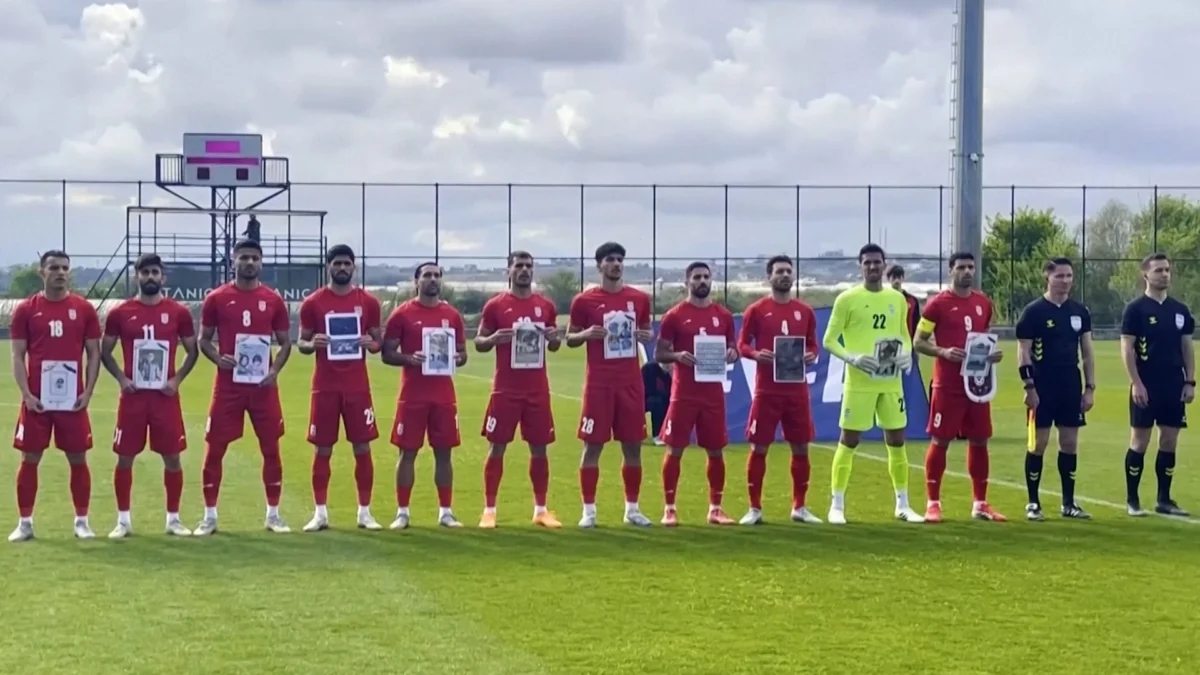
The predicament highlights the intricate blend of sports, geopolitics, and international diplomacy that often characterizes major global events. For the Iranian team, a consistent presence on the international football stage, this administrative bottleneck poses a severe threat not only to their competitive readiness but also to the morale of players and the expectations of a passionate fan base. The delay in visa processing, as the tournament countdown intensifies, introduces an unwelcome element of uncertainty into their meticulously planned preparations.
Background: The 2026 FIFA World Cup and Its Unique Challenges
The 2026 FIFA World Cup marks a historic milestone in international football, being the first tournament to feature an expanded format of 48 teams, a significant increase from the previous 32. This expansion promises a more inclusive global representation but also presents unprecedented logistical challenges for the host nations. The tournament will be jointly hosted across 16 cities in three North American countries: the United States, Canada, and Mexico. The United States, with 11 host cities, will bear the brunt of the organizational responsibilities, including managing the entry and stay of thousands of athletes, officials, media personnel, and fans from diverse national backgrounds.
For nations like Iran, whose diplomatic relations with the United States have been historically strained, participating in a US-hosted event inherently carries additional layers of complexity. While sports are often seen as a unifying force, transcending political boundaries, the reality of international travel and immigration policies means that geopolitical considerations frequently intersect with athletic aspirations. The necessity of securing a P-1 visa, designated for internationally recognized athletes, for each player and coaching staff member, becomes a significant administrative hurdle, particularly when coupled with the heightened scrutiny associated with applicants from specific regions.
Team Melli’s qualification for the 2026 World Cup would have been a moment of national pride, following a rigorous qualification campaign through the Asian Football Confederation (AFC). Their potential presence on the global stage offers a unique opportunity for national unity and international exposure, making the current visa situation all the more critical.
Chronology of Events and Urgent Deadlines
While the exact timeline of Iran’s visa applications has not been fully disclosed, a standard progression for international sporting events can be inferred:
- Post-Qualification (Late 2025/Early 2026): Following their hypothetical qualification for the 2026 World Cup, the Iranian Football Federation (FFIRI) would have initiated preliminary planning, including identifying the likely squad and support staff.
- Team Selection and Provisional Squad Announcement (Early 2026): The national coach would have assembled a provisional squad, allowing for the commencement of visa application procedures for all potential travelers.
- Visa Application Submission (February-April 2026): Typically, visa applications for major international events are submitted several months in advance to allow ample processing time. Given the complexities for Iranian nationals, the FFIRI would likely have submitted applications to the US Embassy in Ankara, Turkey, or other designated processing centers, as early as possible. Turkey often serves as a primary consular hub for Iranian citizens seeking US visas due to the absence of a US embassy in Iran.
- Ongoing Processing and Delays (April-May 2026): As of May 21, 2026, the reported situation indicates that a significant number of players are still awaiting approval, suggesting either delays in initial submission, extensive administrative review, or a backlog within the consular system.
- "Weeks Before Kickoff" (Current Status): This critical phrase implies that the tournament is imminent, likely within a month or less, intensifying the urgency. FIFA regulations typically require teams to arrive at least a week or two before their first match for acclimatization and final preparations. The current delays could severely impact this schedule.
- Impending Deadlines: Rosters must be finalized and submitted to FIFA by a specific date, usually a few weeks before the tournament begins. The inability of key players to secure visas by this deadline could necessitate last-minute, potentially detrimental, squad changes.
The tight window creates immense pressure on the FFIRI, the players, and potentially FIFA and the US authorities to expedite the process.
Supporting Data and Broader Context
A World Cup squad typically comprises 23 to 26 players, along with a significant contingent of coaching staff, medical personnel, and administrative support, easily totaling 40-50 individuals. Each person requires an individual visa, and any missing member, especially a key player, can disrupt team cohesion and strategy.
This is not an isolated incident in the history of sports and international relations. Athletes from various countries have occasionally faced visa issues for major tournaments or events hosted by nations with complex diplomatic ties. For instance, athletes from certain nations have encountered difficulties entering the United States for various championships, or even for training camps. While these instances are often resolved, they underscore the bureaucratic hurdles that exist.
FIFA, as the governing body of international football, has a vested interest in ensuring all qualified teams can participate without undue obstacles. Its statutes generally require host nations to facilitate the entry of all accredited participants. Article 12 of the FIFA World Cup Regulations, for instance, outlines the responsibilities of host associations, including ensuring that all members of the participating delegations receive the necessary entry permits. FIFA would likely be in communication with both the US State Department and the FFIRI to mediate and expedite the process.
The US State Department processes millions of visa applications annually, with varying processing times depending on the applicant’s nationality, the type of visa, and the specific embassy or consulate. For certain nationalities, particularly those from countries designated as state sponsors of terrorism or those with heightened security concerns, applications undergo more extensive administrative processing, which can significantly extend wait times. While the specific reasons for the delays for Team Melli players are not publicly stated, they are likely to fall within these broader categories of national security protocols and standard administrative review processes.
Statements and Reactions from Related Parties
While no official statements were provided in the original snippet, logical inferences can be made regarding the likely reactions:
- Iranian Football Federation (FFIRI): The FFIRI would undoubtedly be expressing grave concern over the situation. A spokesperson might issue a statement emphasizing their diligent adherence to all application procedures, their ongoing communication with US consular authorities and FIFA, and their unwavering commitment to ensuring the team’s full participation. They would likely highlight the professional dedication of the players and the national importance of their World Cup presence. Internally, the federation would be working tirelessly, potentially engaging legal counsel or diplomatic channels, to resolve the matter.
- US State Department/Embassy Officials: US consular officials would typically issue a statement reiterating their commitment to a fair and thorough visa adjudication process. They would likely emphasize that all visa applications are reviewed on a case-by-case basis in accordance with US immigration law and national security protocols. They would probably avoid commenting on individual cases but might state that they are aware of the urgency for sporting delegations and are working to process applications as efficiently as possible while maintaining security standards.
- FIFA: FIFA would likely issue a statement affirming its commitment to the principle of fair play and ensuring that all qualified teams can participate in the World Cup. They would probably confirm that they are in contact with both the FFIRI and the US organizing committee/government to facilitate the resolution of the visa issues. FIFA’s primary concern would be to uphold the integrity of the tournament and prevent any team from being unfairly disadvantaged.
- Team Melli Coach and Players (General Sentiment): The coach would likely voice concerns about the distraction and uncertainty impacting the team’s focus and training. Players, while maintaining professionalism, would undoubtedly feel anxiety and frustration. Their primary desire would be to represent their country on the global stage, and the administrative hurdles would be a significant mental burden. Statements from players might emphasize their readiness to compete and their hope for a swift resolution.
Broader Impact and Implications
The visa hurdles faced by Team Melli carry significant implications across sporting, diplomatic, and public relations domains:
-
Sporting Impact:
- Team Cohesion and Preparation: The uncertainty can severely disrupt training camps, team strategy, and overall morale. Football relies heavily on chemistry and consistent preparation. The absence of key players for even a short period, or the last-minute inclusion of replacements, can be highly detrimental to performance.
- Squad Selection Dilemmas: The coach might be forced to make difficult decisions, potentially leaving out players who are critical to the team’s strategy if their visas are not approved in time. This compromises the competitive integrity of the team.
- Psychological Toll: The constant worry about administrative issues can divert players’ focus from their athletic performance, leading to stress and anxiety that can manifest on the pitch.
-
Diplomatic and Political Implications:
- Heightened Tensions: If the issue is not resolved amicably and promptly, it could exacerbate existing diplomatic tensions between Iran and the United States, drawing unwanted political attention to a sporting event.
- International Scrutiny: The United States, as a major global host, faces scrutiny regarding its ability to facilitate international participation while upholding its national security interests. Failure to resolve such issues can draw criticism from international sporting bodies and other nations.
- Precedent for Future Events: The handling of this situation could set a precedent for future international events hosted in countries with complex visa policies, influencing how federations plan for travel and how host nations approach their responsibilities.
-
Fan Engagement and Public Relations:
- Disappointment for Fans: Millions of Iranian football fans eagerly anticipate their team’s performance. Any disruption to their participation would cause widespread disappointment and potentially fuel public resentment.
- Image of the Tournament: A World Cup where a qualified team faces significant hurdles to participate, especially due to visa issues, could detract from the universal appeal and celebratory spirit of the tournament. It could be perceived as a failure of international cooperation.
Conclusion
The situation surrounding the Iranian national football team’s US visa applications for the 2026 World Cup is a stark reminder of how global events, even those intended to foster unity, can be impacted by geopolitical realities and administrative complexities. With the tournament’s kickoff just weeks away, the clock is ticking for Team Melli. The resolution of this issue will not only determine the fate of individual players and the team’s performance but also serve as a test of the collaborative efforts between sports federations, international governing bodies, and host nation governments to ensure fair and inclusive participation on the world stage. The international community will be watching closely for a swift and equitable outcome, hoping that the spirit of sport ultimately prevails over bureaucratic hurdles.
