

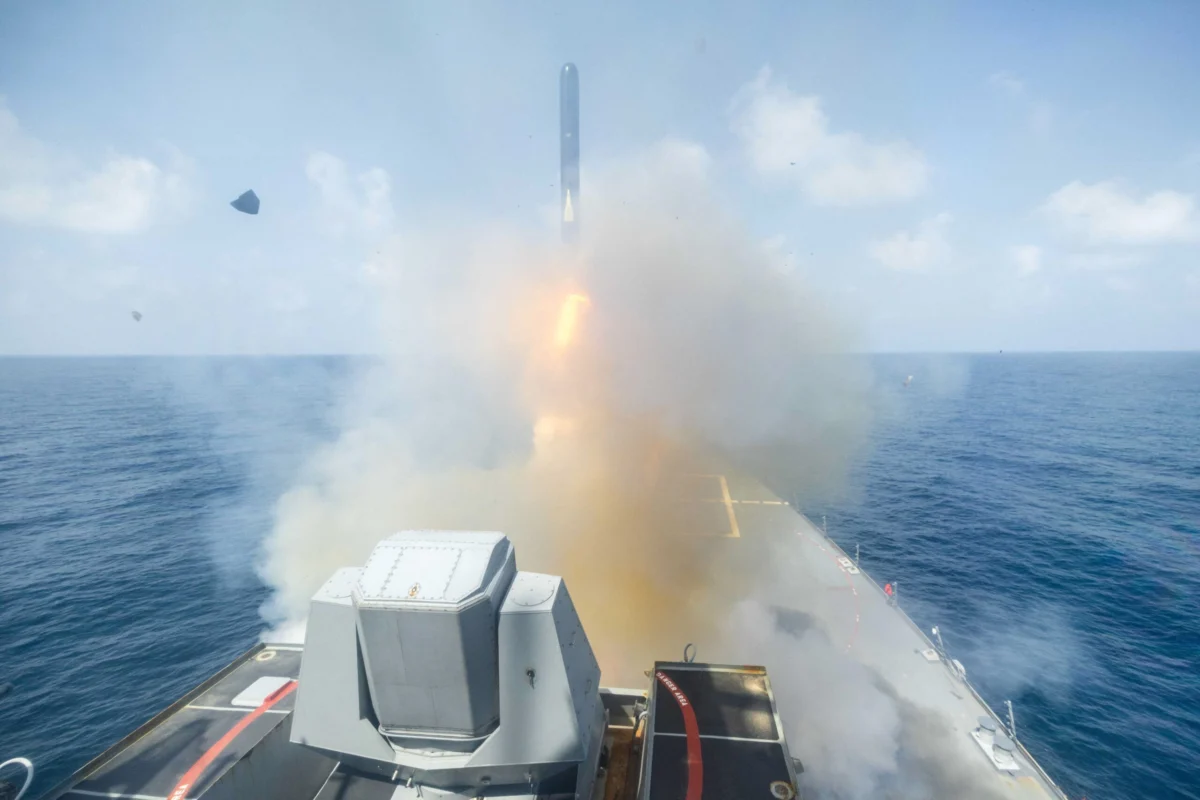
A new and perilous chapter in Middle East tensions unfolded on February 28, 2026, as the United States launched a series of "successful" strikes against Iranian targets, prompting immediate and forceful retaliation from Tehran against several Gulf neighbours and the Kingdom of Jordan. The US Central Command (CENTCOM) confirmed the operation, dubbed "Epic Fury," stating that the strikes were a direct response to what it described as persistent attempted attacks by Iran’s Islamic Revolutionary Guard Corps (IRGC) on international shipping and American service members stationed in the region. This rapid exchange of hostilities marks a significant escalation, pushing an already volatile region closer to a broader conflict and sending shockwaves through global capitals and financial markets.
Operation Epic Fury: US Justification and Execution
According to an official statement released by CENTCOM early on February 28, 2026, Operation Epic Fury was meticulously planned and executed to degrade the IRGC’s capabilities to threaten maritime commerce and US personnel. The statement detailed that the strikes targeted "critical infrastructure" and "command and control nodes" associated with the IRGC’s naval and drone operations within Iranian territory. While specific locations were not immediately disclosed, intelligence sources suggested that targets likely included missile launch sites, drone assembly facilities, and naval bases along Iran’s southern coast, particularly those linked to the Strait of Hormuz.
US Defense Secretary Sarah Jenkins, speaking from the Pentagon, emphasized the defensive nature of the operation. "Our actions today were proportionate and necessary," Secretary Jenkins stated, "a clear message that the United States will protect its forces, its interests, and the freedom of navigation in international waters. Iran’s IRGC has repeatedly engaged in destabilizing activities, including the harassment of commercial vessels and direct attacks on our service members. This aggression cannot, and will not, go unanswered." She further asserted that the US had presented irrefutable evidence of IRGC culpability in recent attacks, which included a drone strike on a US naval vessel in the Persian Gulf two weeks prior, resulting in minor damage but no casualties, and several unprovoked approaches to commercial tankers. The strikes reportedly involved a combination of air-launched precision munitions from stealth aircraft and cruise missiles fired from naval assets deployed in the region, including at least one rocket launch from a ship, as depicted in images released by CENTCOM.
Tehran’s Swift and Broad Retaliation
Within hours of the initial US bombardment, Iran unleashed a barrage of retaliatory strikes, targeting what it termed "American interests and their regional collaborators." The IRGC, in a televised statement, claimed responsibility for missile and drone attacks against several Gulf nations perceived as allies of the United States, as well as against targets within Jordan.
Reports from regional media and security officials indicated that Saudi Arabia, the United Arab Emirates (UAE), and Bahrain bore the brunt of these retaliatory strikes. While precise damage assessments were ongoing, initial reports suggested that several oil installations and military bases were targeted. In Saudi Arabia, state media reported interceptions of multiple ballistic missiles over Riyadh and the Eastern Province, with some debris causing minor damage. The UAE’s Ministry of Defense confirmed drone incursions, though it stated that most were intercepted by its air defense systems. Bahrain, home to the US Fifth Fleet, reported a series of "hostile drone activities" near its coastal areas, leading to temporary disruptions at key port facilities.
Perhaps most surprisingly, Jordan, a crucial US ally bordering Iraq and Syria, also found itself in Tehran’s crosshairs. Jordanian authorities reported missile impacts near military installations hosting US forces in the eastern part of the country. While the extent of damage and any casualties remained unconfirmed by Amman, the targeting of Jordan signaled a significant expansion of the conflict’s geographical scope, indicating Iran’s willingness to strike beyond the immediate Gulf region. The Iranian Foreign Ministry, in a strongly worded communiqué, warned that "any nation facilitating aggression against the Islamic Republic will face the full force of our defensive capabilities."
A Decades-Long Tussle: Background to Escalation
The events of February 28, 2026, are not an isolated incident but rather the culmination of decades of deep-seated animosity and geopolitical rivalry between the United States and Iran. Relations have been fraught since the 1979 Islamic Revolution, characterized by mutual suspicion, proxy conflicts, and intermittent direct confrontations.
Key historical flashpoints include:
- The Iran-Iraq War (1980-1988): US support for Iraq, including intelligence and financial aid, against revolutionary Iran deepened Tehran’s mistrust of Washington.
- The "Axis of Evil" Speech (2002): President George W. Bush’s labeling of Iran, Iraq, and North Korea as an "axis of evil" further solidified Iran’s perception of the US as an adversary.
- The Nuclear Program and Sanctions: Iran’s pursuit of a nuclear program led to severe international sanctions, spearheaded by the US, designed to cripple its economy.
- The JCPOA (2015): The Joint Comprehensive Plan of Action, an agreement between Iran and world powers to limit Iran’s nuclear activities in exchange for sanctions relief, offered a brief period of de-escalation. However, the US withdrawal from the deal in 2018 under the Trump administration, followed by the re-imposition of crippling sanctions, effectively shattered hopes for improved relations and reignited tensions.
- Proxy Conflicts: Both nations have actively supported opposing sides in regional conflicts across Syria, Yemen, Iraq, and Lebanon, often leading to indirect clashes and a fierce struggle for influence. Iran’s network of regional proxies, including Hezbollah in Lebanon, various Shiite militias in Iraq, and the Houthis in Yemen, has been a persistent source of concern for the US and its allies.
- Maritime Security: The Strait of Hormuz, a critical chokepoint for global oil shipments, has been a recurring flashpoint. Incidents involving Iranian naval forces harassing commercial shipping, mining tankers, and seizing vessels have been frequent, with the US consistently deploying naval assets to ensure freedom of navigation.
- Attacks on US Personnel: In recent years, US forces in Iraq and Syria have faced numerous drone and rocket attacks attributed to Iran-backed militias, leading to casualties and further heightening calls for a robust response from Washington. The specific drone attack on a US naval vessel in the Persian Gulf in mid-February 2026, which US intelligence definitively linked to the IRGC, served as the immediate trigger for Operation Epic Fury.
The February 28, 2026, Chronology
- Pre-Dawn (Feb 28): US forces launch Operation Epic Fury, conducting precision strikes against multiple targets within Iran. US Central Command coordinates the operation, utilizing air and naval assets.
- Early Morning: CENTCOM releases a statement confirming the strikes, detailing their justification as a response to IRGC attacks on shipping and US service members. US Defense Secretary Sarah Jenkins holds a press conference, reiterating the defensive nature of the action.
- Mid-Morning: Iranian state media reports initial explosions in various parts of the country, initially attributing them to "unidentified foreign aggression."
- Late Morning: The IRGC issues a defiant statement, vowing "crushing retaliation" against the United States and its regional partners.
- Afternoon: Iran launches a wave of ballistic missiles and armed drones targeting Saudi Arabia, the UAE, Bahrain, and Jordan. Air defense systems in these nations are activated, intercepting many incoming projectiles.
- Late Afternoon: Initial reports emerge of damage to infrastructure in the targeted Gulf nations and near US military bases in Jordan. Regional stock markets begin to tumble, and global oil prices surge.
- Evening: The UN Security Council convenes an emergency session to discuss the rapidly deteriorating situation. International calls for de-escalation intensify.
International Response and Calls for De-escalation
The immediate aftermath of the US-Iran exchange saw a flurry of international reactions, predominantly expressing alarm and urging restraint.
- United Nations: UN Secretary-General António Guterres issued a grave statement, calling for an immediate cessation of hostilities and appealing to all parties to exercise maximum restraint. He emphasized the catastrophic potential of a full-blown regional conflict and reiterated the UN’s readiness to mediate. The UN Security Council convened an emergency session, with many member states expressing deep concern over the escalating violence.
- European Union: The EU High Representative for Foreign Affairs and Security Policy, Josep Borrell, condemned the strikes and counter-strikes, emphasizing the need for diplomatic solutions. "The Middle East cannot afford another war," Borrell stated, urging all parties to return to dialogue and respect international law. Several European leaders echoed these sentiments, with Germany and France specifically calling for a robust international effort to de-escalate the situation.
- Russia and China: Both Russia and China, traditional critics of US military actions, condemned the American strikes as an act that further destabilized the region. Russia’s Foreign Ministry called for "an immediate halt to all provocative actions" and warned against "external interference" in regional affairs. China urged all parties to "resolve differences through dialogue and negotiation," while refraining from actions that could exacerbate tensions.
- Regional Allies: While Gulf nations like Saudi Arabia and the UAE confirmed the attacks and their defensive responses, their official statements were measured, focusing on national security and stability, yet implicitly supportive of the US action that preceded Iran’s retaliation. Israel, a close US ally, remained silent initially but was widely understood to be monitoring the situation closely, given the mention of its involvement in "Operation Epic Fury" in the initial image caption. Some analysts suggested that Israel might have provided intelligence or logistical support to the US, though this remained unconfirmed.
Economic Repercussions
The direct military confrontation sent immediate tremors through global financial markets. Oil prices surged by over 7% in intra-day trading, with Brent crude reaching levels not seen in years, fueled by fears of supply disruptions from the Persian Gulf, a vital artery for global energy. Shipping insurance premiums for vessels traversing the Strait of Hormuz and the broader Gulf region skyrocketed, threatening to increase costs for consumers worldwide. Global stock markets experienced significant downturns, particularly in sectors sensitive to geopolitical instability. Investors flocked to safe-haven assets like gold and government bonds, reflecting widespread anxiety over the potential for a prolonged and costly conflict.
Geopolitical Fallout and the Path Ahead
The events of February 28, 2026, mark a dangerous turning point in the Middle East. The direct US military action against Iranian territory and Iran’s subsequent widespread retaliation represent an unprecedented escalation in recent history.
- Risk of Wider Conflict: The primary concern is the potential for a full-scale regional war. With both the US and Iran demonstrating a willingness to use military force, the risk of miscalculation or unintended escalation is extremely high. The involvement of regional actors like Saudi Arabia, UAE, and Jordan further complicates the calculus, potentially drawing in other nations and non-state actors.
- Proxy War Intensification: Even if a full-scale war is averted, the proxy conflicts across the Middle East are likely to intensify. Iran will likely redouble its support for regional militias, and the US and its allies will increase their efforts to counter Iranian influence, leading to more violence in already fragile states.
- Global Security Implications: Beyond the Middle East, the crisis poses significant challenges to global security. Disruptions to oil supplies could trigger an economic recession. The flow of refugees could increase, and the international community’s ability to address other pressing global issues might be diverted.
- Diplomatic Deadlock: The current climate of hostility makes any immediate return to diplomatic negotiations, particularly concerning Iran’s nuclear program, extremely difficult. Trust has eroded further, and both sides appear entrenched in their positions.
- Humanitarian Concerns: Any prolonged conflict will inevitably lead to a severe humanitarian crisis, with increased civilian casualties, displacement, and a breakdown of essential services in already vulnerable populations across the region.
As the world watches with bated breath, the coming days will be critical in determining whether the international community can collectively pull the United States and Iran back from the brink of a devastating and potentially uncontainable regional war. The immediate priority remains de-escalation, sustained diplomatic engagement, and the protection of civilian lives.
