

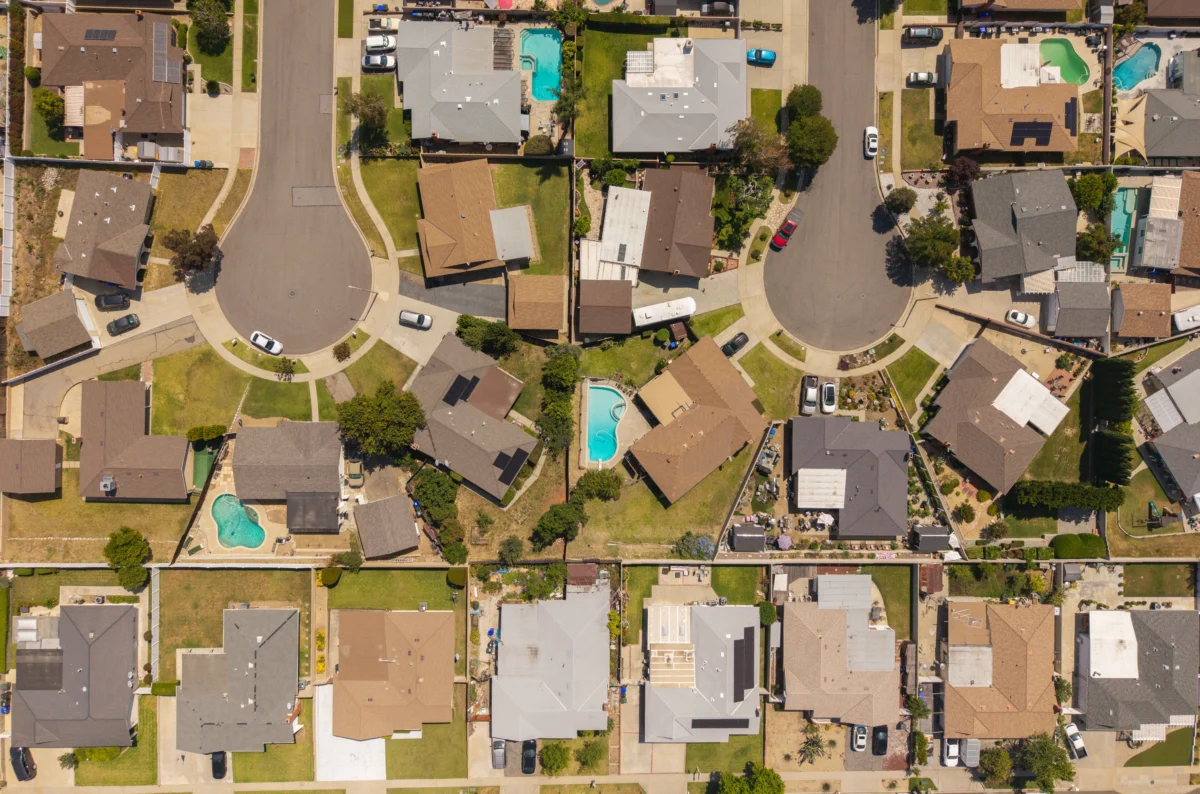
A notable trend has emerged within the vital spring housing market, signaling increasing frustration among homeowners: a significant uptick in the number of properties being withdrawn from sale. New data indicates that this phenomenon is occurring at a rate not witnessed since the initial disruption of the COVID-19 pandemic in early 2020, pointing to a profound shift in market dynamics and seller expectations.
According to a comprehensive analysis by Redfin, a prominent real estate brokerage, a substantial 5.8% of all home listings nationwide were pulled off the market in April. This figure remarkably ties with December of the previous year for the highest share of delisted homes recorded since March 2020, a period when the housing market experienced an unprecedented freeze as the world grappled with the nascent pandemic. The surge in delistings represents a notable increase of 3.8% compared to March, underscoring a rapid recalibration of seller strategies in response to evolving market conditions.
The Current Market Landscape: A Confluence of Headwinds
The primary drivers behind this retreat of sellers are multifaceted, reflecting a complex interplay of macroeconomic pressures. Elevated mortgage rates stand as a formidable barrier, significantly impacting buyer affordability and dampening demand. Concurrently, persistent inflation, evidenced by higher gas prices and the rising cost of living, continues to erode consumer confidence, making potential buyers more hesitant to commit to large financial undertakings like home purchases. This combination of factors has effectively shifted negotiating power away from sellers, who, for much of the preceding two years, enjoyed an unprecedented advantage. Many sellers are now discovering that they can no longer command the premium prices that characterized the recent boom, leading to a difficult choice: accept a lower offer or withdraw their property from the market.
Geographic Hotbeds of Delisting Activity
While the trend of increased delistings is national, certain metropolitan areas have experienced this phenomenon more acutely, highlighting regional sensitivities to market shifts. Atlanta, Georgia, recorded the highest share of homes withdrawn from the market in April, with a striking one in ten listings being delisted. This suggests a particularly sharp adjustment in seller expectations or buyer capacity within the Atlanta market, which had previously experienced significant growth. Following Atlanta, the highly competitive market of San Jose, California, saw approximately 9% of its listings pulled. Other major urban centers also registered substantial delisting rates, including Los Angeles (7.8%), Dallas (7.8%), and Seattle (7.7%). These cities, often characterized by high home values and competitive bidding during the peak of the market, appear to be among the first to feel the pinch of reduced buyer enthusiasm and stricter lending environments. The concentration of delistings in these previously overheated markets underscores a broader rebalancing act, where the rapid appreciation seen over the past few years is now confronting the realities of higher financing costs and economic uncertainty.
Historical Context: The Post-Pandemic Boom and Subsequent Shift
To fully appreciate the current market dynamics, it is crucial to understand the trajectory of the housing market since early 2020. The initial weeks of the pandemic in March 2020 saw a sharp contraction in housing activity, as lockdowns and economic uncertainty brought transactions to a near standstill. However, this freeze proved to be remarkably short-lived. A confluence of factors rapidly ignited an unprecedented housing boom. The Federal Reserve aggressively cut interest rates and embarked on quantitative easing, pushing mortgage rates to historic lows. Simultaneously, the sudden shift to remote work created a surge in demand for larger homes, properties with dedicated office spaces, and residences in suburban or exurban areas. Limited inventory, coupled with intense buyer competition, led to rapid price appreciation, frequent bidding wars, and waived contingencies, firmly placing sellers in the driver’s seat. Many homes sold above asking price within days of listing.
This sellers’ market dominance persisted through 2020 and 2021, with prices soaring across the nation. However, by late 2021 and early 2022, inflationary pressures began to mount significantly, prompting a dramatic shift in monetary policy. The Federal Reserve initiated a series of aggressive interest rate hikes aimed at taming inflation, which had reached four-decade highs. These hikes directly impacted the cost of borrowing across the economy, including mortgage rates.
The Pervasive Influence of Mortgage Rates and Federal Reserve Policy
Mortgage rates, particularly for the benchmark 30-year fixed-rate mortgage, are highly sensitive to the Federal Reserve’s monetary policy and the broader bond market. When the Fed raises its federal funds rate, it directly influences short-term interest rates and indirectly impacts long-term rates like those for mortgages, primarily through its effect on Treasury yields. As the Fed embarked on its tightening cycle in March 2022, mortgage rates began a steep ascent, effectively reversing the trend of historically low rates that had fueled the housing boom.
At the start of the current year, there was a brief respite as mortgage rates showed signs of moderating, with the 30-year fixed rate briefly dipping into the 5% range by the end of February, according to data from Mortgage News Daily. This temporary reprieve sparked some optimism among prospective buyers and sellers. However, this downward trend proved short-lived. Mortgage rates jumped sharply again in the subsequent weeks, remaining elevated since. While the original source mentioned a "war with Iran," broader geopolitical tensions and persistent inflation concerns likely contributed to increased volatility in the bond market, pushing Treasury yields—and consequently mortgage rates—higher. This rapid fluctuation and overall upward trajectory in rates have injected considerable uncertainty into the housing market, making financial planning more challenging for potential homebuyers. A rise of even a single percentage point in mortgage rates can add hundreds of dollars to a monthly mortgage payment, significantly eroding affordability, especially in high-cost areas.
Seller Expectations Versus Buyer Realities: A Growing Disconnect

The current market is characterized by a significant disconnect between seller expectations and buyer realities. Sellers who listed their homes in late 2021 or early 2022 often did so with the expectation of quick sales and multiple offers, a reflection of the market conditions they had become accustomed to. However, today’s buyers are operating under vastly different financial constraints. Facing elevated mortgage rates, which can translate into monthly payments hundreds or even thousands of dollars higher than just a year ago, buyers are exercising greater caution and demanding more value.
Patricia Ammann, a Redfin agent, articulated this shift, stating, "Buyers know they have negotiating power, often offering under the asking price and completing inspections, but some sellers just won’t budge." This observation highlights a critical impasse: buyers, empowered by their diminished purchasing power and the realization that the market has cooled, are increasingly making offers below the asking price and reintroducing contingencies like home inspections, which were frequently waived during the frenzied boom. Many sellers, however, remain anchored to the peak values observed just months prior, unwilling to accept what they perceive as "lowball" offers. For these sellers, pulling their property off the market becomes a strategic decision, either to re-evaluate their pricing strategy, make improvements, or simply wait for what they hope will be more favorable market conditions in the future. This unwillingness to compromise on price is a primary driver of the increased delisting activity.
Inventory Dynamics and Signs of Market Stabilization
Despite the challenges posed by high rates and cautious buyers, the housing market is also showing subtle signs of rebalancing. While home prices have begun to ease from their peak, they generally remain higher than they were a year ago. Moreover, recent data suggests a degree of stabilization. Selma Hepp, chief economist at Cotality, noted, "Markets that depend more heavily on traditional mortgage financing and rate-sensitive buyers are seeing prices stay relatively flat." She added, "Overall, fewer markets posted year-on-year price declines in April than in prior months, pointing to continued stabilization across the housing market." This suggests that while the rapid price appreciation has slowed or reversed in some areas, a widespread collapse in home values is not currently underway; rather, the market is finding a new equilibrium.
A critical factor contributing to this rebalancing is the gradual increase in housing inventory. According to the National Association of Realtors (NAR), signed contracts on existing homes, known as pending sales, saw a slight rise of 1.4% from March to April. This modest increase, despite high mortgage rates, is likely attributable to the growing inventory of available homes, which was up nearly 6% from March. As more homes come onto the market and others sit longer without selling, the supply-demand imbalance that characterized the pandemic boom is slowly correcting. Homes are no longer flying off the market within days; instead, they are spending more time listed, providing buyers with more options and time to make decisions. This extended market time causes some frustrated sellers to give up, especially as the traditionally strong spring selling season begins to wind down. The accumulation of listings, whether new or lingering, fundamentally alters the competitive landscape, shifting it from a seller’s advantage to a more balanced or even buyer-friendly environment in some segments.
The Phenomenon of Relistings: A Seller’s Persistent Hope
An interesting subplot within the current market dynamics is the phenomenon of relistings. Despite the prevailing headwinds of elevated mortgage rates and cooling demand, some homeowners who previously pulled their properties off the market have decided to relist them in April. This suggests a persistent hope among sellers to capitalize on the traditionally robust spring market, even in the face of less favorable conditions. Redfin’s report found that 2.5% of the homes on the market in April were relistings. This figure ties with the prior two months for the highest share recorded since mid-2020, a period that witnessed a sudden and intense surge in housing demand as the economy began to reopen and interest rates plummeted.
These relisting sellers are likely attempting to re-enter the market with adjusted price expectations, perhaps having used the time off-market to make repairs or simply hoping for a fresh wave of buyers. Their decision to relist underscores the deep-seated desire among homeowners to unlock equity and move forward with their life plans, despite the current complexities. However, their success will largely depend on their willingness to align their pricing with current market realities and buyer affordability, rather than holding onto the inflated expectations of the recent past.
Broader Economic Implications and Expert Outlook
The trajectory of the housing market holds significant implications for the broader economy. Housing is a critical sector, influencing consumer wealth, spending patterns, and the health of related industries such as construction, lending, and retail. A significant slowdown or correction in housing can have ripple effects throughout the economy, potentially impacting GDP growth and employment. The current cooling trend, characterized by increased delistings and longer market times, suggests that the housing market is no longer acting as the powerful inflationary engine it once was. This might be viewed favorably by the Federal Reserve, as it aligns with their broader efforts to bring down inflation across the economy.
Economists are closely watching for signs of a "soft landing" – a scenario where the housing market cools off without a dramatic crash – versus a more severe correction. The current data, with easing prices but not widespread declines and a slight uptick in pending sales, points more towards a rebalancing than a collapse. However, the path forward remains uncertain, heavily dependent on the future actions of the Federal Reserve, the trajectory of inflation, and the overall resilience of the U.S. labor market. Continued high inflation could prompt further rate hikes, placing additional pressure on housing affordability. Conversely, a significant improvement in inflation could allow the Fed to pause or even reverse its tightening cycle, potentially offering some relief to mortgage rates.
Looking Ahead: Navigating a New Market Reality
The housing market is undeniably in a period of transition, moving away from the extraordinary conditions of the post-pandemic boom toward a more normalized, albeit more challenging, environment. Sellers are grappling with the reality that the "easy money" days are over, requiring a pragmatic approach to pricing and negotiations. Buyers, while facing higher financing costs, are gaining more leverage and choice, a welcome change after years of intense competition.
The increased rate of delistings is a clear indicator of this market recalibration. It reflects sellers’ resistance to current price points, buyers’ constrained affordability, and the general uncertainty pervading the economic landscape. While the spring market is typically a period of heightened activity, the current data suggests that many sellers are choosing to bide their time rather than accept offers significantly below their expectations. As the market continues to adjust, both buyers and sellers will need to remain agile and well-informed, adapting their strategies to the evolving realities of supply, demand, and the ever-present influence of interest rates. The focus will shift from rapid appreciation to stability and value, signaling a new chapter for the nation’s housing sector.
