

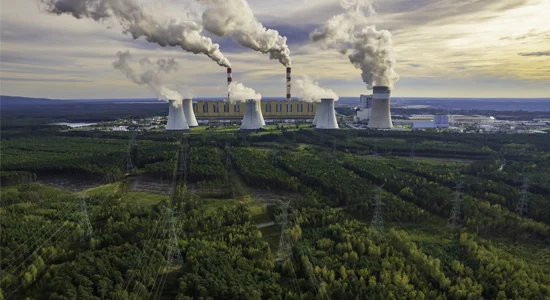
The global push towards climate action is gaining significant momentum, with projections indicating that a substantial one-third of worldwide greenhouse gas (GHG) emissions will be subject to some form of carbon pricing by the year 2030. This ambitious target, if realized, represents a pivotal shift in how nations and industries are addressing the climate crisis, moving beyond voluntary commitments to implement market-based mechanisms designed to internalize the cost of carbon pollution.
The concept of carbon pricing, which encompasses carbon taxes and emissions trading systems (ETS), aims to create a financial incentive for businesses and individuals to reduce their carbon footprint. By putting a price on each ton of CO2 equivalent emitted, it encourages a transition towards cleaner technologies and more sustainable practices. The current landscape of carbon pricing initiatives is diverse, with established systems in Europe, North America, and parts of Asia, alongside a growing number of countries exploring or implementing their own policies. The anticipated increase in coverage by 2030 suggests a broader adoption of these mechanisms, potentially accelerating the global decarbonization agenda.
Granite Creek Secures Significant Funding for Agribusiness Innovation
In a move that signals continued investor confidence in the agricultural technology sector, Granite Creek Capital Partners has successfully raised $29 million for its dedicated agribusiness vehicle. This capital infusion is poised to fuel investments in companies that are developing innovative solutions to enhance agricultural productivity, sustainability, and resilience. The agribusiness sector, often at the forefront of climate change impacts and solutions, is increasingly attracting attention from investors seeking both financial returns and positive environmental outcomes.
The $29 million fund, managed by Granite Creek, is expected to target a range of businesses, from those focused on precision agriculture and advanced crop management to sustainable farming practices, supply chain optimization, and alternative protein development. The timing of this fundraise is particularly noteworthy, as the global food system faces mounting pressures from climate change, resource scarcity, and a growing population. Investments in this space are critical for ensuring food security while simultaneously mitigating the environmental footprint of agriculture, which is a significant contributor to global GHG emissions. Granite Creek’s commitment underscores the growing recognition of agribusiness as a vital area for both economic growth and climate mitigation.
Marine Investments Charting a Course Towards Mainstream Adoption
A compelling narrative emerged from the recent Impact Summit, where leading panelists declared that marine investments are rapidly transitioning from niche opportunities to a mainstream component of sustainable finance. This assertion suggests a significant evolution in how investors perceive and engage with the blue economy, encompassing sectors such as sustainable fisheries, marine renewable energy, sustainable aquaculture, and ocean conservation.
For years, investments in marine-related ventures were often considered high-risk or limited in scope, appealing primarily to specialized impact investors. However, the growing understanding of the ocean’s critical role in regulating the global climate, supporting biodiversity, and providing essential resources has propelled marine assets into the spotlight. Panelists at the Impact Summit highlighted several key drivers for this shift: increasing awareness of the threats facing marine ecosystems, such as pollution and overfishing; the development of innovative technologies that enable sustainable ocean practices; and a growing demand for climate-resilient investments. The transition to mainstream adoption implies greater liquidity, more sophisticated financial instruments, and broader investor participation in the blue economy. This trend is expected to unlock significant capital for critical ocean-based solutions, from offshore wind farms to sustainable seafood production and innovative approaches to coastal resilience.
Deals Round-Up: A Snapshot of Market Activity
The news of Granite Creek’s fundraise and the burgeoning interest in marine investments are part of a larger trend of dynamic activity across various sectors of the sustainable economy. While specific details of a broader "deals round-up" were not fully elaborated in the initial briefing, the mention implies a consistent flow of capital and strategic partnerships aimed at advancing environmental and social goals. Such deal-making is crucial for scaling up innovative solutions, facilitating mergers and acquisitions that consolidate expertise, and enabling companies to access the resources needed for growth.
In the context of the broader climate agenda, these investments and financial instruments play a vital role. The $29 million raised by Granite Creek, for instance, can directly translate into tangible improvements in agricultural practices, leading to reduced emissions and enhanced sustainability. Similarly, the mainstreaming of marine investments can accelerate the development and deployment of offshore wind power, a critical component of decarbonization strategies, or fund the protection and restoration of vital marine ecosystems. The ongoing series of deals, therefore, represent not just financial transactions but also investments in a more sustainable future.
Broader Implications and Future Outlook
The confluence of these developments—expanding carbon pricing, strategic agribusiness investments, and the rise of marine finance—paints a picture of a global economy increasingly aligned with sustainability imperatives. The projected coverage of global GHG emissions by carbon pricing by 2030 is a powerful signal of intent from policymakers worldwide. However, the effectiveness of these mechanisms hinges on their design, implementation, and the political will to enforce them. Challenges remain in ensuring equitable distribution of burdens and benefits, preventing carbon leakage, and fostering international cooperation.
The success of Granite Creek’s agribusiness fund will likely pave the way for further investment in this critical sector. As climate change continues to impact food production, innovation in agriculture is not just an economic opportunity but a necessity. Companies that can offer solutions for drought resistance, reduced water usage, and lower emissions will be in high demand. The broader impact of such investments lies in their potential to create a more resilient and sustainable global food supply chain.
The mainstreaming of marine investments signifies a crucial recognition of the ocean’s economic and ecological value. This shift could unlock significant capital for developing renewable energy sources, restoring damaged ecosystems, and promoting sustainable resource management. The health of our oceans is intrinsically linked to the health of our planet, and this growing financial interest offers a powerful avenue for positive change.
In conclusion, the current landscape of climate finance and sustainable development is characterized by significant progress and emerging opportunities. The commitment to expanding carbon pricing, the strategic deployment of capital in agribusiness, and the growing mainstream appeal of marine investments collectively point towards a future where economic growth and environmental stewardship are increasingly intertwined. While challenges and complexities persist, these developments offer a compelling glimpse into the evolving strategies and financial mechanisms that will shape our efforts to address the global climate crisis.
