

The ongoing conflict in Eastern Europe continues to exact a heavy toll on civilian populations, with recent days witnessing a deadly escalation of cross-border attacks. Ukrainian officials reported at least six people killed and 26 injured in a series of Russian aerial strikes across various regions, while Russian authorities confirmed a Ukrainian drone attack in its southern Krasnodar region resulted in the deaths of two children and injuries to their parents. These incidents underscore the persistent and tragic impact of the war on ordinary citizens, far from the front lines, and highlight the increasing use of drone technology in modern warfare by both sides.
Immediate Aftermath: A Day of Renewed Violence
The latest wave of assaults unfolded rapidly, with reports emerging from both Kyiv and Moscow detailing civilian casualties. In Ukraine, the capital city of Kyiv experienced an overnight ballistic missile attack that ignited a warehouse fire in the Darnytskyi district. Kyiv’s Mayor Vitali Klitschko confirmed on Saturday morning that one individual perished in the ensuing blaze, adding to the city’s grim casualty count. Simultaneously, the southern Kherson region became a focal point of Russian aggression, where strikes damaged numerous homes and apartment buildings, leading to the deaths of three people and wounding 13 others, according to the regional military administration.
Further east, in the Donetsk region, which remains a fiercely contested area, Russian attacks claimed one life and injured seven, five of whom were in the front-line city of Kramatorsk, as reported by regional governor Vadym Filashkin to local media outlets. The Sumy region, situated near the Russian border, also suffered from drone strikes; one man was killed when a drone hit his house, and six other individuals sustained injuries in separate drone-related incidents across the region, officials confirmed. The city of Kherson itself, recently liberated but still under frequent bombardment, saw a shopping centre engulfed in flames following a drone strike, though thankfully no casualties were reported in that specific incident.
Across the border, in Russia’s southern Krasnodar region, a Ukrainian drone strike tragically killed two children and wounded two adults. This incident marks a devastating escalation in the cross-border exchanges, bringing the immediate human cost of the conflict into sharp focus for families on both sides.
Chronology of Recent Escalation: The Kryvyi Rih Tragedy
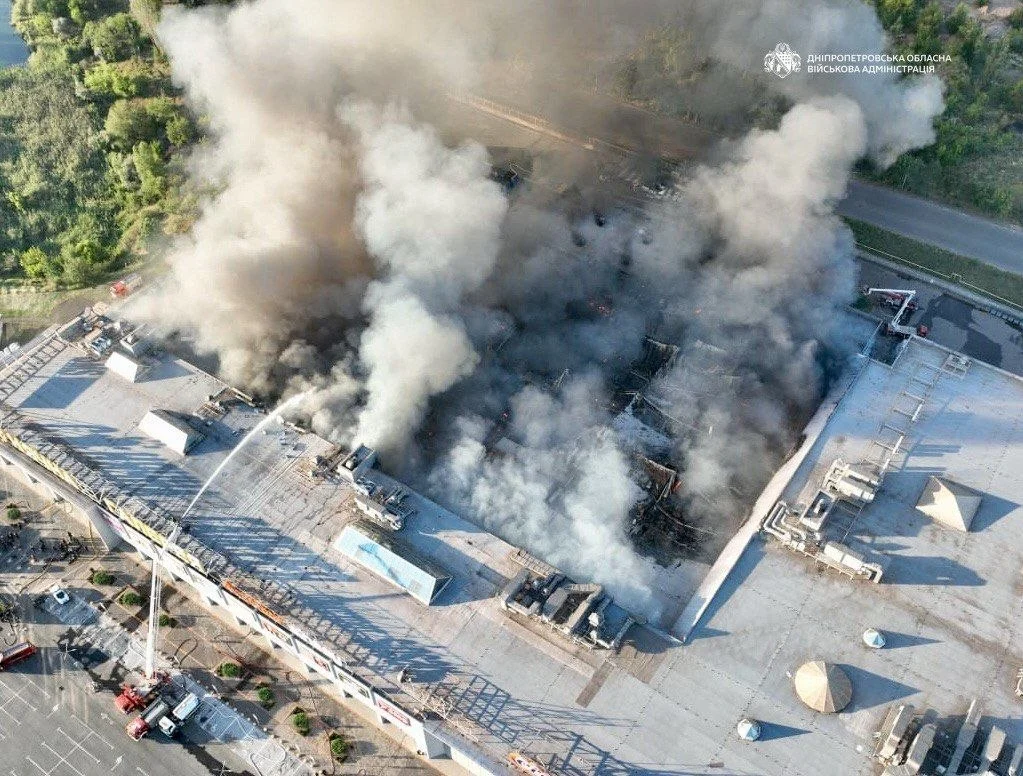
These latest attacks coincide with ongoing rescue operations in Kryvyi Rih, the hometown of Ukrainian President Volodymyr Zelenskyy, where emergency workers were still sifting through the charred wreckage of the Sunny Gallery shopping complex. This mall had been subjected to a brutal assault the previous Friday afternoon, an incident that has drawn widespread condemnation and serves as a stark reminder of the war’s indiscriminate nature.
Oleksandr Vilkul, head of the Kryvyi Rih Defense Council, detailed the deliberate targeting of the city’s largest shopping centre with jet-powered Shahed drones. What made this attack particularly egregious was the reported "double-tap" strategy employed by Russian forces. A second wave of drones struck approximately 30 minutes after the initial impact, allegedly targeting emergency crews and first responders who had rushed to the scene to assist victims. This tactic, designed to maximize casualties among rescue personnel, is a grave concern for humanitarian organizations and is considered a severe violation of international humanitarian law.
Dnipropetrovsk regional governor Oleksandr Hanzha provided an update on Saturday morning, confirming that the death toll in Kryvyi Rih had tragically risen to 16, with more than 130 people wounded. Among the injured were 22 children, highlighting the devastating impact on the most vulnerable members of society. The sheer scale of casualties in a civilian shopping centre, particularly during a busy afternoon, underscores the deliberate targeting of non-military infrastructure and the profound human cost.
The Broader Context of Cross-Border Warfare and Drone Tactics
The recent surge in attacks, both within Ukraine and across its border into Russia, reflects an evolving dynamic in the nearly two-year-old full-scale invasion. Both sides have increasingly relied on unmanned aerial vehicles (UAVs) or drones for reconnaissance, targeting, and direct offensive strikes. Ukraine, having significantly boosted its domestic drone production, has frequently targeted Russian territory, including military installations, infrastructure, and, increasingly, residential areas, in what it often describes as retaliatory or defensive measures. Russia, meanwhile, has extensively utilized Iranian-supplied Shahed drones, as well as its own Lancet and other UAVs, to strike deep within Ukrainian territory, often targeting critical infrastructure, energy facilities, and civilian population centers.
This reliance on drone warfare has several implications. Drones offer a relatively low-cost method of projecting power and causing disruption over vast distances, making them attractive for both offensive and defensive operations. However, their increasing deployment, particularly in urban environments, significantly elevates the risk of civilian casualties. The ability of drones to loiter and target with precision, combined with the "double-tap" strategy observed in Kryvyi Rih, creates an environment of pervasive fear and insecurity for civilians. The psychological impact of such attacks, where danger can arrive silently and unexpectedly from above, is profound and long-lasting.
Humanitarian Impact and Civilian Toll
The mounting civilian casualties are a grim testament to the devastating humanitarian impact of the conflict. International bodies, including the United Nations Human Rights Monitoring Mission in Ukraine (HRMMU), have consistently reported thousands of civilian deaths and injuries since the full-scale invasion began in February 2022. While precise figures are difficult to verify amidst ongoing hostilities, July, as noted by Al Jazeera’s Audrey MacAlpine, was indeed one of the deadliest months for civilians on both sides, signaling a dangerous trend of escalating violence.
The targeting of civilian infrastructure, such as shopping centers, residential buildings, and warehouses, not only causes direct casualties but also disrupts essential services, livelihoods, and the social fabric of communities. Schools, hospitals, and marketplaces, which should be sanctuaries, have become potential targets, forcing millions to flee their homes and creating an internal displacement crisis of unprecedented scale. Humanitarian organizations struggle to deliver aid and provide medical assistance in areas under constant threat, with rescue workers themselves becoming targets, as tragically demonstrated in Kryvyi Rih. The destruction of homes and infrastructure also presents immense challenges for post-conflict recovery and reconstruction, prolonging the suffering of affected populations.
Official Condemnations and Calls for Accountability
Ukrainian President Volodymyr Zelenskyy swiftly condemned Friday’s attack on Kryvyi Rih as “absolutely cynical and despicable” and an “act of barbarism.” In a post on Telegram, he asserted, “Attacks like these are nothing less than terrorist acts,” promising a swift response. Such strong rhetoric reflects the deep anger and frustration over the perceived deliberate targeting of civilians and non-military infrastructure. Kyiv’s Mayor Vitali Klitschko’s confirmation of a fatality in the Darnytskyi district further underscored the immediate human cost of the Russian strikes on the capital.
On the Russian side, while details regarding the Krasnodar attack were more limited in the initial reports, the confirmation by authorities of two children killed highlights the reciprocal nature of the cross-border strikes and the tragic reality that civilians on both sides are increasingly caught in the crossfire. Such incidents invariably lead to mutual accusations of terrorism and war crimes, further hardening positions and diminishing prospects for de-escalation.
International bodies and human rights organizations typically respond to such incidents with calls for adherence to international humanitarian law, which strictly prohibits attacks on civilians and civilian objects. The principles of distinction, proportionality, and precaution are paramount in armed conflict, and any deliberate targeting of non-combatants constitutes a war crime. While specific statements from UN or ICRC officials regarding these latest incidents were not immediately available, their consistent messaging has been to urge all parties to the conflict to protect civilians and ensure accountability for violations.
Broader Implications for the Conflict and International Law
The recent escalation of attacks on civilian targets, coupled with the increasing use of drones in cross-border operations, carries significant implications for the future trajectory of the conflict. Firstly, it indicates a deepening cycle of violence and retaliation, where each strike on one side potentially begets a similar or more severe response from the other. This tit-for-tat dynamic makes de-escalation incredibly challenging and perpetuates a climate of fear and insecurity.
Secondly, the systematic targeting of civilian infrastructure and populations, particularly tactics like the "double-tap" strike, raises serious questions about adherence to international humanitarian law. Such actions not only inflict immense suffering but also erode the fundamental principles designed to protect civilians in wartime. Documenting these incidents is crucial for future accountability mechanisms, including potential investigations by the International Criminal Court.
Finally, the geographical spread of these attacks, reaching deep into both Ukrainian and Russian territory, signifies a broader militarization of the conflict zone, where no region feels entirely safe. This expansion of the battlefield beyond traditional front lines into civilian areas complicates humanitarian efforts, exacerbates displacement, and places immense psychological strain on the affected populations. As the conflict continues, the protection of civilians and the upholding of international legal norms remain paramount, yet increasingly challenged, amidst the brutal realities of modern warfare. The tragic deaths of children in Krasnodar and the mounting casualties across Ukraine serve as a stark and painful reminder of the human cost of this devastating conflict.
