

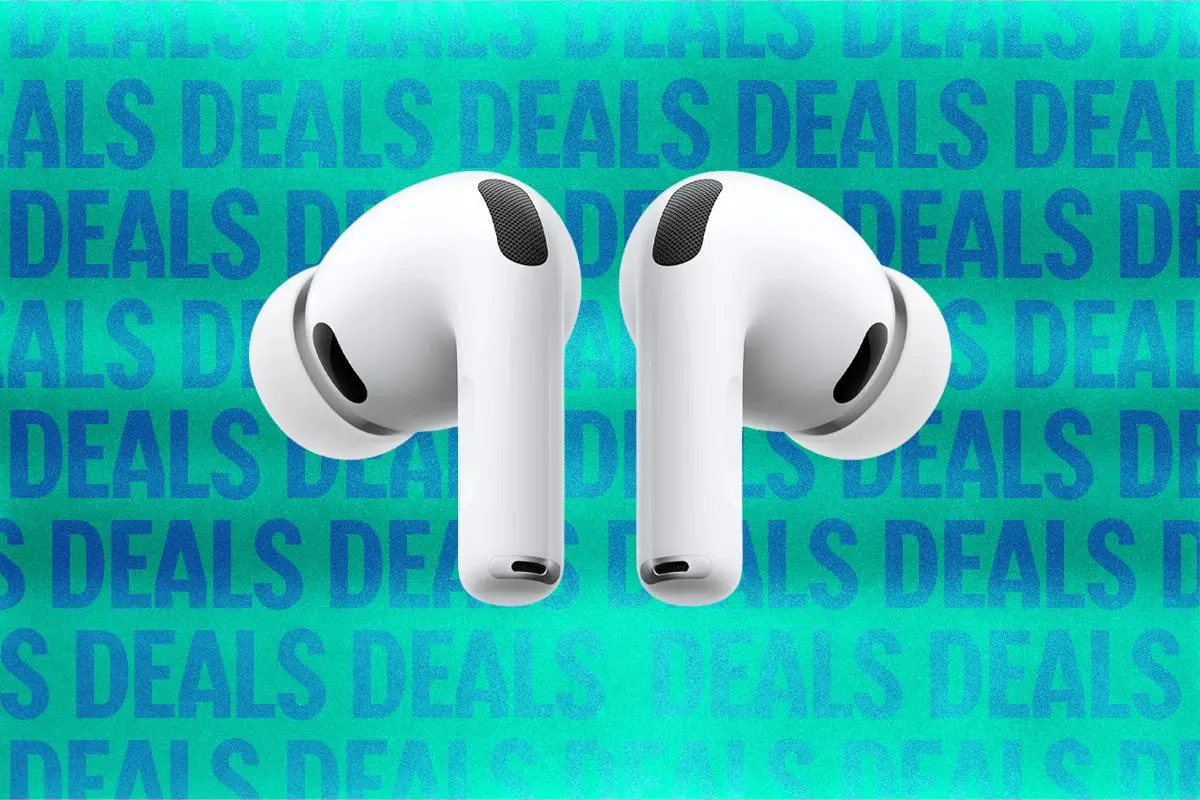
The retail landscape has undergone a significant shift in recent years, with the traditional "Black Friday" window expanding into a month-long marathon of promotional events. In a move that signals an aggressive start to the 2024 holiday shopping season, major retailers including Amazon, Walmart, Target, and Best Buy have initiated substantial price reductions on Apple’s latest audio hardware. Most notably, the flagship AirPods Pro 3 and the high-fidelity AirPods Max 2 have seen their first major price cuts since their recent release, with discounts ranging from $49 to $100. These early incentives come at a time when consumer electronics pricing has faced upward pressure due to supply chain complexities and inflation, making the current markdowns a focal point for market analysts and holiday shoppers alike.
Current Market Dynamics and the Early Sales Surge
The emergence of early Black Friday deals in the first half of November is part of a broader "Christmas Creep" strategy adopted by big-box retailers to alleviate logistical pressure and secure consumer mindshare before the peak of the season. For Apple products, which typically maintain strict price parity across authorized resellers, these discounts are particularly noteworthy. The AirPods Pro 3, which carries a standard retail price of $249, is currently available for $199 at several major outlets. Simultaneously, the premium AirPods Max 2 has dropped from its $549 MSRP to $449, representing a nearly 18% reduction in cost.
Industry data suggests that the "hearables" market—a category Apple has dominated since the introduction of the original AirPods in 2016—remains a critical growth driver for the company’s Wearables, Home, and Accessories segment. By allowing retailers to slash prices weeks before the official holiday, Apple and its partners are effectively targeting early-bird shoppers who are increasingly wary of potential stock shortages or further price hikes as the year ends.
Technical Evolution: A Deep Dive into the AirPods Pro 3
The AirPods Pro 3 represents a significant leap in computational audio and biometric integration. Unlike its predecessors, which focused primarily on sound quality and noise cancellation, the third-generation flagship introduces a suite of health-oriented features that align with Apple’s broader corporate focus on wellness.
Biometric Integration and Fitness Tracking
The inclusion of a built-in heart rate sensor marks a pivot for the AirPods line. By utilizing photoplethysmography (PPG) within the ear canal—a location that many cardiologists argue provides a more accurate reading than the wrist during high-intensity movement—the AirPods Pro 3 can feed real-time data into the Apple Health ecosystem. This allows users to monitor their cardiovascular performance without necessarily wearing an Apple Watch.
Enhanced Durability and Acoustic Architecture
From a hardware perspective, the AirPods Pro 3 is the first in the lineup to achieve an IP57 rating. This classification indicates a high level of protection against dust ingress and the ability to withstand immersion in water up to one meter deep for 30 minutes. For athletes and outdoor enthusiasts, this is a substantial upgrade over the previous IPX4 rating, which only covered light splashes and sweat.
Furthermore, the new acoustic architecture features a custom-built high-excursion driver and a high-dynamic-range amplifier. These components work in tandem with the H2 chip to deliver a more nuanced soundstage. The result is a profile characterized by deeper bass and clearer treble, addressing long-standing critiques from audiophiles regarding the "flat" response of earlier wireless models.
The AirPods Max 2: Redefining Over-Ear Excellence
The AirPods Max 2 remains Apple’s most ambitious audio product, aimed at the "prosumer" market that demands both high-fidelity sound and the convenience of the Apple ecosystem. While the aesthetic remains largely unchanged from the original 2020 design, the internal components have been overhauled to keep pace with modern standards.
The Power of the H2 Chip
The transition to the H2 chip in the AirPods Max 2 is the cornerstone of its performance improvements. This silicon enables "Computational Audio," which uses 10 audio cores to block outside noise, tailor the sound to the fit and seal of the ear cushions, and make movie scenes feel like they’re happening all around the user through Personalized Spatial Audio.
The H2 chip also facilitates "Conversation Awareness," a feature that automatically lowers the volume of media and enhances the voices of people speaking in front of the user. This intelligent transparency mode is a direct response to competitor products from Sony and Bose, which have long offered similar "speak-to-chat" functionalities.
Connectivity and Charging
Following the broader industry shift and European Union mandates, the AirPods Max 2 has officially transitioned from the proprietary Lightning connector to USB-C. This change simplifies the charging ecosystem for users who have already migrated to the iPhone 15 or 16 series and modern MacBooks. The move to USB-C also supports faster data transfer rates, which some analysts believe could pave the way for future lossless audio support over a wired connection, though Apple currently emphasizes wireless high-fidelity via its proprietary codecs.
The Timeline of Holiday Retail Strategy
To understand the significance of these deals, one must look at the chronology of Apple’s audio releases and the subsequent retail response:
- September Release: Apple typically announces new hardware in its fall keynote. The AirPods Pro 3 and Max 2 were introduced to solidify the lineup for the fiscal year.
- October Stabilization: Prices usually remain at MSRP for the first 30 to 60 days post-launch to capture "early adopter" revenue.
- Early November "Leaked" Deals: Retailers begin "leaking" or soft-launching Black Friday pricing to gauge demand.
- Mid-November Broad Discounting: This is the current phase, where $50 to $100 discounts become standardized across major platforms like Amazon and Walmart.
- Black Friday/Cyber Monday Peak: While prices may drop an additional $10 to $20 during the actual 48-hour window, inventory levels often become volatile, leading to shipping delays.
Competitive Landscape and Consumer Choice
Apple does not operate in a vacuum, and these price cuts are also a defensive measure against formidable rivals. The Sony WH-1000XM5 and the Bose QuietComfort Ultra have consistently challenged the AirPods Max in terms of Active Noise Cancellation (ANC) performance and battery life. By pricing the AirPods Max 2 at $449, Apple brings its premium offering within a $50 range of Sony’s flagship, making the "Apple Tax" more palatable for users already invested in the iOS ecosystem.
In the earbuds category, the AirPods Pro 3 faces stiff competition from the Samsung Galaxy Buds3 Pro and the Google Pixel Buds Pro 2. However, Apple’s unique "ecosystem lock"—features like Automatic Switching between devices, Find My integration, and One-Tap Setup—remains a powerful deterrent against platform switching.
Economic Implications and Analyst Projections
Market analysts at firms like Wedbush Securities and Bloomberg Intelligence have noted that the 2024 holiday season is defined by "value-conscious" consumer behavior. Despite a resilient economy, shoppers are increasingly waiting for verified discounts before committing to high-ticket items.
"Apple is cognizant of the fact that tech is getting more expensive," says one retail analyst. "By allowing a $100 discount on the Max 2 so early, they are effectively clearing the path for high-volume sales. They would rather sell five units at a $100 discount than two units at full price, especially when the long-term value lies in Services revenue—Apple Music, Apple TV+, and Fitness+—which these devices encourage users to consume."
The IP57 rating and heart rate sensing in the Pro 3 also suggest that Apple is encroaching further into the fitness hardware market, potentially impacting the sales of dedicated fitness trackers. This diversification of utility makes the $199 price point a compelling entry for users who want a multi-purpose device.
Final Considerations for the Consumer
As the holiday shopping season accelerates, the current discounts on the AirPods Pro 3 and AirPods Max 2 represent some of the most competitive pricing seen in the current product cycle. While there is always a possibility of "doorbuster" deals on Black Friday itself, the risk of stock depletion or shipping logjams often outweighs the potential for an additional marginal saving.
For users within the Apple ecosystem, the integration remains the primary selling point. The ability to use the AirPods Pro 3 as a camera remote for an iPhone or to utilize live translation during international travel adds layers of functionality that go beyond simple music playback. As these devices evolve from mere accessories into sophisticated wearable computers, the early Black Friday window serves as a strategic entry point for the tech-savvy consumer.
In conclusion, the current price reductions are not merely a seasonal fluke but a calculated move by retailers to navigate a complex economic environment. Whether the goal is the professional-grade noise cancellation of the Max 2 or the health-integrated portability of the Pro 3, the early November sales represent a rare alignment of new technology and accessible pricing.
