

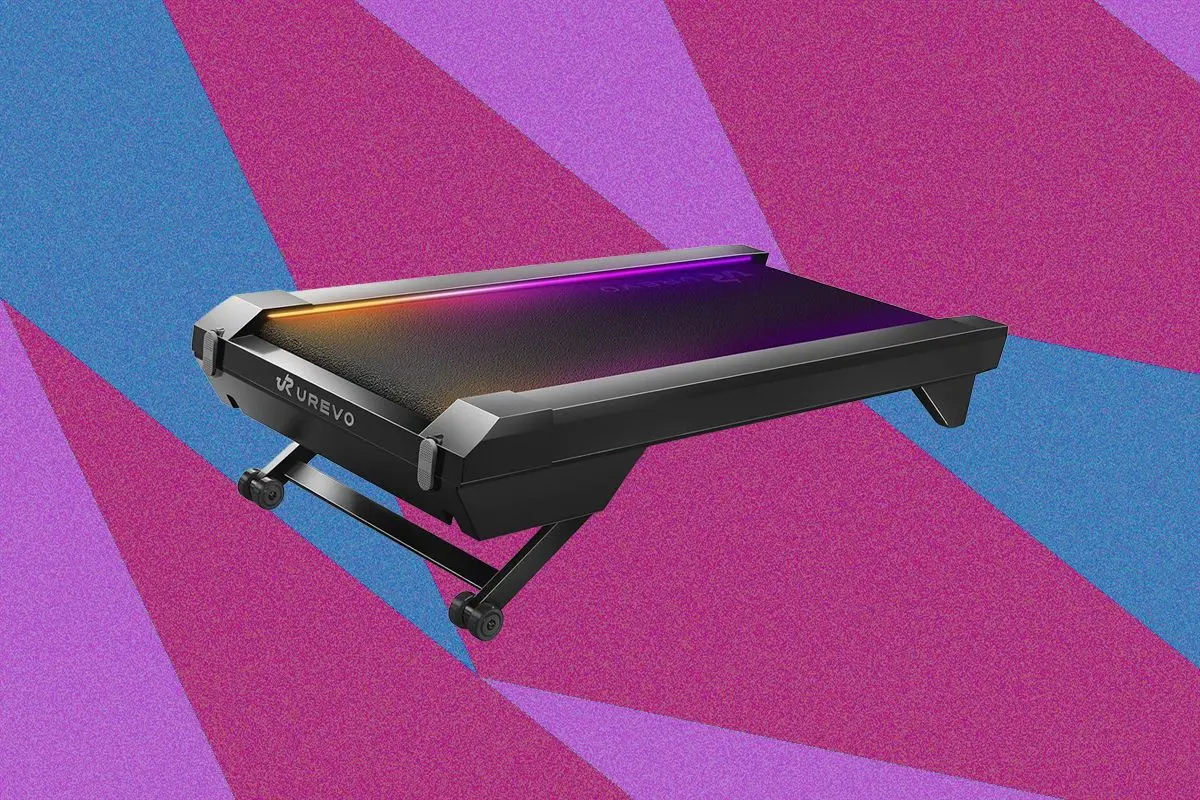
The shift toward remote and hybrid work environments has catalyzed a significant evolution in home office ergonomics, moving beyond the standard desk and chair to incorporate active workstations. Central to this transition is the "walking pad"—a streamlined, often portable alternative to the traditional treadmill designed to facilitate movement during the workday. Unlike their bulky, high-decibel counterparts found in commercial gyms, walking pads are engineered for low-profile storage and quiet operation, allowing users to integrate physical activity into sedentary schedules without disrupting professional responsibilities.
The Rise of the Active Workstation: Health and Market Context
The growing demand for under-desk fitness equipment is rooted in a burgeoning body of medical research highlighting the risks of sedentary behavior. According to data from the Mayo Clinic, prolonged sitting is linked to a cluster of health concerns, including obesity, increased blood pressure, high blood sugar, and abnormal cholesterol levels. The concept of Non-Exercise Activity Thermogenesis (NEAT)—the energy expended for everything we do that is not sleeping, eating, or sports-like exercise—has become a focal point for health-conscious professionals. Walking pads provide a primary vehicle for increasing NEAT, potentially mitigating the "posture collapse" and mental fatigue associated with standard desk work.

Market analysis suggests that the home fitness equipment sector, specifically compact and smart devices, has seen a compound annual growth rate (CAGR) of over 5% since 2020. This growth is driven by a demographic that prioritizes space-saving designs and digital connectivity. Modern walking pads now frequently feature app integration, Bluetooth controls, and automated incline settings, transforming a simple motor and belt into a sophisticated health-tracking tool.
Testing Methodology and Evaluation Criteria
To determine the most effective models in a saturated market, a remote team of testers conducted longitudinal evaluations of various walking pads within real-world home office settings. The testing protocol required each participant to use the machines for a minimum of two weeks, logging at least one hour of continuous use per session.
The evaluation was based on six primary criteria:

- Spatial Footprint and Portability: Ease of storage under furniture and the efficacy of built-in wheels.
- Motor Noise and Stability: The decibel level during video calls and the degree of "belt drift" or vibration.
- Speed and Incline Range: The versatility of the machine for both slow-paced typing and brisk walking.
- Build Quality and Weight Capacity: The durability of the frame and the smoothness of the walking surface.
- Digital Integration: The reliability of remote controls and the accuracy of companion fitness apps.
- Safety Features: The presence of emergency stops and the stability of side rails or handlebars.
Top-Tier Performers: Best Overall and Specialized Picks
The Urevo CyberPad has emerged as the premier choice for general users, distinguished primarily by its 14-percent incline capability. While most walking pads are restricted to flat surfaces, the inclusion of a significant incline allows users to increase cardiovascular intensity without increasing speed—a critical feature for those who need to maintain steady hands for typing. Despite its 71-pound weight, which complicates frequent relocation, its stability and "out-of-the-box" readiness set it apart.
For users operating in constrained environments, the WalkingPad C2 Foldable Walking Treadmill represents the pinnacle of space-saving engineering. Utilizing a patented double-fold mechanism, the unit reduces its length by nearly half when not in use. Testers noted that while the initial setup and Bluetooth pairing can be technically demanding, the machine’s 57-inch deck length makes it the most suitable option for taller users with longer strides.
The Urevo Strol 2S Pro addresses the gap between walking pads and traditional treadmills. With a top speed of 7.6 mph when the handrail is deployed, it functions as a hybrid device capable of supporting light jogging. Its quiet motor and intuitive app—which logs step counts and syncs workout data seamlessly—make it a high-value proposition for users seeking a multi-functional fitness solution.

Comparative Analysis of Secondary Models
The market features several other specialized models that cater to specific user needs:
- FlexiSpot MotionX Ultra: Identified as the quietest model tested, this unit is ideal for users who participate in frequent, high-stakes audio meetings. It offers a 12-percent incline but lacks a step-tracking feature, necessitating the use of a separate wearable device.
- Merach UltraWalk W60: This model is noted for its heavy-duty construction and stability. However, its 67.7-pound frame and lack of handlebars may be prohibitive for users who require frequent equipment relocation or extra physical support.
- Umay U20F: A sturdy 3-in-1 model that features a permanent 5-percent incline. While beneficial for calorie burn, the fixed incline may not be compatible with all standing desk heights and can lead to faster muscle fatigue during eight-hour work shifts.
- Toputure TP6: Positioned as a budget-friendly, foldable option, this model is suitable for small apartments. However, testers reported occasional mechanical noise, suggesting that its long-term durability may be inferior to higher-priced competitors.
Regulatory Oversight and Consumer Safety
As the popularity of walking pads has increased, so has the scrutiny from safety regulators. The U.S. Consumer Product Safety Commission (CPSC) has issued specific warnings regarding certain manufacturers. Most notably, the CPSC urged consumers to immediately stop using several models from Sperax, including the Pro, Q1, RM-01, and RM-02.
The federal warning followed reports of machines unexpectedly changing speeds or stopping abruptly, posing significant fall hazards. Additionally, there were documented instances of overheating and fire risks. This regulatory intervention underscores the importance of choosing reputable brands that adhere to rigorous safety standards, rather than prioritizing the lowest available price point.

Technical Specifications and Feature Prioritization
When selecting a walking pad, potential buyers must navigate a complex array of technical specifications.
Weight Capacity and Durability: Most walking pads have a lower weight threshold than commercial treadmills, typically ranging from 220 to 300 pounds. Exceeding these limits can strain the motor and lead to premature mechanical failure. Professional analysis suggests that investing in a "heavy-duty" model often pays for itself through increased longevity.
Speed Range: For office use, a speed range of 0.5 to 4.0 mph is generally sufficient. Typing while walking becomes significantly more difficult above 2.5 mph, while 4.0 mph constitutes a very brisk walk. Hybrid models that reach 7.0+ mph are only necessary if the user intends to use the machine for dedicated running sessions outside of work hours.

Belt Dimensions: A wider belt (16 inches or more) provides a greater margin of error for the user, preventing accidental trips. The length of the track is equally important; users over six feet tall should prioritize decks that are at least 45 inches long to accommodate a natural walking gait.
The Impact of Integration: Productivity and Mental Health
Beyond the physical benefits, testers reported a subjective increase in productivity and mood when using walking pads. The rhythmic nature of walking can facilitate a "flow state," particularly during repetitive tasks like email management or data entry. Supporting data from occupational health studies suggests that low-intensity movement during the day can reduce cortisol levels and improve cognitive function compared to total sedentariness.
However, the "learning curve" for walking while working is non-negligible. New users often require several days to calibrate their desk height and walking speed to a level that does not interfere with fine motor skills. Ergonomics experts recommend starting with 20-minute sessions and gradually increasing duration to avoid strain on the lower back and calves.

Future Outlook and Final Considerations
The walking pad is no longer a niche gadget for the "biohacking" community; it has become a staple of the modern home office. As technology advances, we expect to see further improvements in noise reduction, motor efficiency, and AI-driven workout personalization.
For the consumer, the choice of a walking pad should be dictated by a realistic assessment of their living space and work habits. While budget models like the GoYouth 2-in-1 offer an accessible entry point for those seeking simplicity, the higher-end Urevo and WalkingPad models provide the durability and feature sets required for daily, long-term use.
Ultimately, the integration of a walking pad into the remote work routine represents a proactive approach to long-term health. By transforming "dead time" spent sitting into active minutes, these machines offer a practical solution to the health challenges of the digital age, ensuring that professional productivity does not come at the expense of physical well-being.
