

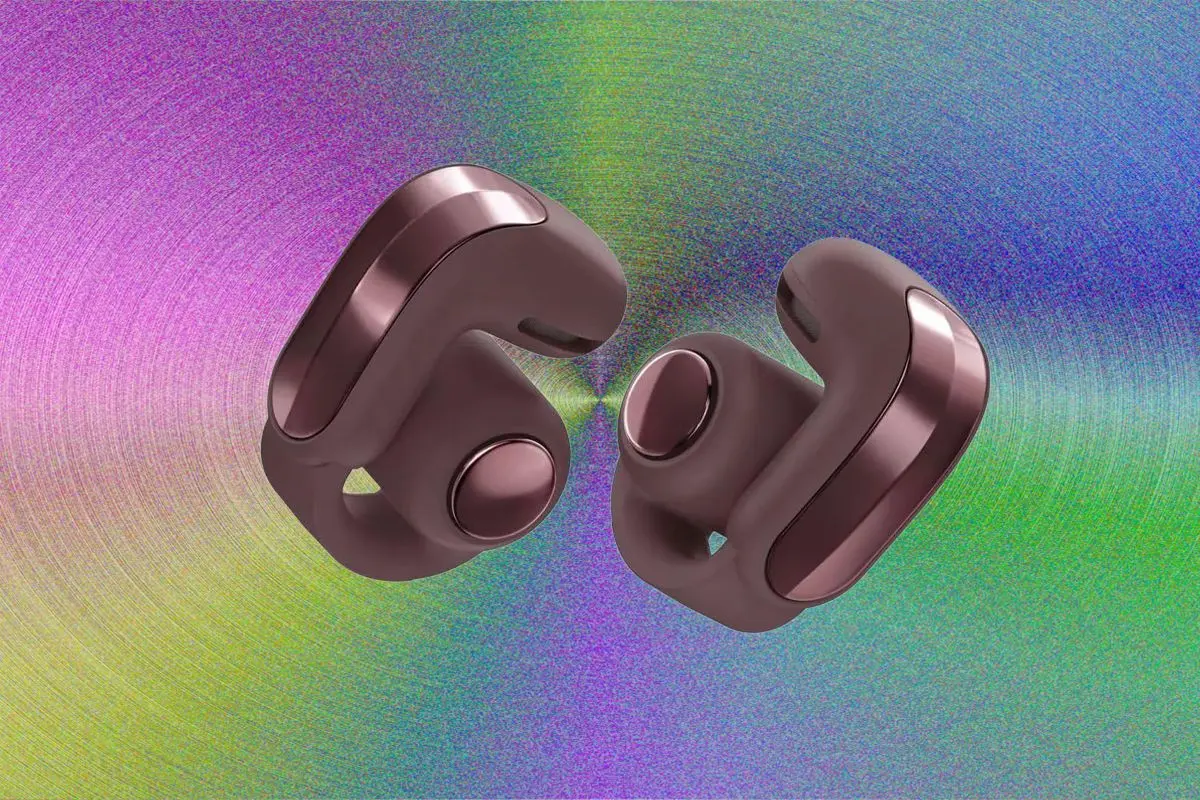
The landscape of personal audio is currently undergoing a significant paradigm shift as "open-ear" technology moves from a niche fitness solution to a mainstream lifestyle choice. Unlike traditional in-ear monitors (IEMs) that seal the ear canal or over-ear headphones that isolate the listener, open earbuds are designed to rest outside the ear, delivering audio through air conduction or bone conduction while allowing ambient environmental sounds to pass through naturally. This design addresses two primary consumer concerns: long-term wearing comfort and situational awareness. Industry data suggests that the open-ear segment is one of the fastest-growing categories in the wearables market, driven by a post-pandemic increase in outdoor fitness and a growing awareness of "ear fatigue" associated with traditional silicone-tipped earbuds.
The Evolution of Open-Ear Technology and Market Dynamics
The transition toward open-ear designs began in earnest with bone conduction technology, popularized by brands like Shokz (formerly AfterShokz). These devices utilized vibrations sent through the cheekbones to bypass the eardrum. However, while effective for safety, bone conduction often lacked the high-fidelity frequency response required for critical music listening. Between 2022 and 2024, the industry pivoted toward "air conduction" open earbuds. These devices use sophisticated beamforming and directional acoustic chambers to "shoot" sound into the ear canal from a distance of a few millimeters, significantly improving bass response and clarity without blocking the ear.
Today, the market is divided into two primary form factors: the "ear-hook" style, which wraps around the back of the helix, and the "clip-on" style, which attaches to the side of the ear like a piece of jewelry. This diversification has allowed manufacturers to target different demographics, from marathon runners requiring stability to fashion-conscious urbanites seeking a "statement piece" that can be worn throughout a full workday.
Primary Analysis: The 2025 Market Leaders
Expert field testing of dozens of models reveals that the Soundcore AeroClip 2 has emerged as the current industry benchmark for overall value and performance. Priced at approximately $170, the AeroClip 2 utilizes a clip-on design that leaves the top of the ear free for glasses or headwear—a common pain point for users of hook-style earbuds.
Technical specifications for the AeroClip 2 highlight a significant integration of artificial intelligence in call quality. The device utilizes the same AI-powered processing chip found in Soundcore’s flagship Liberty 5 Pro, which effectively filters out environmental noise during voice transmission. Furthermore, the inclusion of physical button controls—as opposed to the capacitive touch sensors found on many competitors—provides a more reliable user interface during high-intensity exercise or in inclement weather.
In the runner-up position, the Shokz OpenDots 2 continues to hold significant market share, particularly among endurance athletes. Shokz has leveraged its history in the fitness space to provide a device with an IP57 rating, signifying high resistance to both dust and water immersion. Data from field tests indicates that the OpenDots 2 offers a best-in-class battery life of 10 hours on a single charge, with a total of 40 hours provided by the charging case. This longevity is a critical metric for long-distance cyclists and hikers who may not have access to power for extended periods.
The Premium Segment: Bose and the High-Fidelity Frontier
For consumers prioritizing acoustic performance, the Bose Ultra Open Earbuds (2nd Gen) represent the high-water mark for the category. Released as a follow-up to the 2024 original, the second-generation model introduces wireless charging and a refined two-tone aesthetic. At a retail price of $299, these earbuds are positioned as a luxury item.
Bose’s competitive advantage lies in its proprietary signal processing, which attempts to replicate the "intimacy" of in-ear buds despite the open-air gap. Field analysis shows that Bose’s implementation of spatial audio—which they term "Immersive Audio"—is notably more effective than the virtualized surrounds found in budget alternatives. However, industry analysts note that the high price point remains a barrier to entry, often costing nearly double that of the Soundcore and Shokz alternatives.
Budget Accessibility and Entry-Level Adoption
The democratization of open-ear technology is perhaps most evident in the budget sector. The Soundpeats PearlClip Pro, retailing for approximately $50, serves as a low-risk entry point for consumers skeptical of the open-ear concept. While these devices lack the refined application support and multi-device pairing stability of premium models, they offer a functional introduction to the form factor.
A slightly more sophisticated mid-range option is found in the CMF Clip Pro, a sub-brand of Nothing. Priced under $100, the CMF model bridges the gap between budget and premium, offering physical button controls and a more ergonomic fit. The rise of these sub-$100 models suggests that open-ear technology is no longer a luxury "extra" but is becoming a standard option for general consumers.
Specialized Form Factors: Wraparound Headphones
While earbuds dominate the urban market, the "wraparound" headphone style persists as a favorite for specific athletic use cases. The Shokz OpenRun Pro 2 is the leading example of this design, utilizing a titanium band that connects the two ear units.
Unlike the independent earbuds, the OpenRun Pro 2 utilizes a hybrid approach: a bone conduction driver for mid-to-high frequencies and an air conduction driver for bass. This "DualPitch" technology addresses the historical weakness of open-ear audio—thin, tinny sound—by providing a dedicated woofer for lower frequencies. This design choice is backed by data showing that wind noise during cycling often masks lower frequencies, making the dedicated bass driver a functional necessity for outdoor safety.
Comparative Data and Technical Benchmarks
When evaluating open earbuds, several technical metrics distinguish top-tier performers from generic alternatives:
- Ingress Protection (IP) Ratings: Most open earbuds range from IPX4 (splash resistant) to IP57 (fully waterproof and dust-protected). For fitness enthusiasts, an IP55 rating is generally considered the minimum requirement for sweat resistance.
- Latency and Connectivity: Premium models now standardly include Bluetooth 5.3 or 5.4, supporting multipoint connectivity, which allows the earbuds to stay connected to a smartphone and a laptop simultaneously.
- Acoustic Leakage: A primary concern with open designs is "sound leakage," where bystanders can hear the user’s audio. Top-tier models from Bose and Soundcore use phase-cancellation technology to minimize the outward-facing sound wave, ensuring privacy in quiet environments like libraries or offices.
Chronology of Development
The timeline of open-ear audio development illustrates the rapid pace of innovation in the sector:
- 2011–2018: Bone conduction technology is popularized for military and elite athletic use, focusing on communication rather than music.
- 2021: Sony releases the LinkBuds, featuring a unique "donut" hole design, signaling a major brand’s entry into ambient-aware audio.
- 2023: Shokz and Soundcore release the first generation of dedicated air-conduction hooks, moving away from vibrations to traditional speakers.
- 2024: Bose enters the "clip-on" market with the Ultra Open Earbuds, shifting the design language from "sporty" to "fashionable."
- 2025: Second-generation refinements focus on AI-driven call quality, wireless charging, and standardized USB-C integration across all price points.
Broader Impact and Health Implications
The rise of open earbuds has implications beyond simple consumer preference. Audiologists have noted that open-ear designs may reduce the risk of outer-ear infections (otitis externa) caused by the humidity and bacteria buildup associated with sealing the ear canal for hours at a time. Furthermore, because open earbuds do not rely on a pressure seal, they eliminate the "occlusion effect"—the thumping sound of one’s own footsteps or heartbeat that is often amplified by traditional earbuds.
From a safety perspective, the adoption of open-ear audio is increasingly seen as a public health benefit. In high-density urban environments, the ability of a pedestrian or cyclist to hear approaching vehicles or emergency sirens while listening to audio significantly reduces the risk of accidents. Several local municipalities have even begun discussing the promotion of open-ear technology as a safer alternative to noise-canceling headphones for commuters.
Expert Testing Methodology
To provide objective recommendations, products are tested in diverse real-world environments. This includes:
- Commuting: Testing the balance between audio clarity and traffic awareness in metropolitan areas.
- Endurance Fitness: Wearing the devices during 10km runs and 20-mile bike rides to assess stability and comfort under sweat-heavy conditions.
- Professional Use: Utilizing the earbuds for a full 8-hour workday to evaluate battery life and the efficacy of multipoint pairing between devices.
- Acoustic Profiling: Testing across various genres, from bass-heavy electronic music to vocal-centric podcasts, using high-bitrate streaming services to identify frequency response limits.
As the technology continues to mature, the distinction between "fitness" and "lifestyle" audio will likely continue to blur. With major players like Apple and Samsung experimenting with "semi-open" designs in their mainstream lines (such as the AirPods 5), the industry appears headed toward a future where ambient awareness is a standard feature rather than an optional luxury. For the modern consumer, the choice is no longer between hearing the music and hearing the world; the new standard is the ability to do both simultaneously.
