

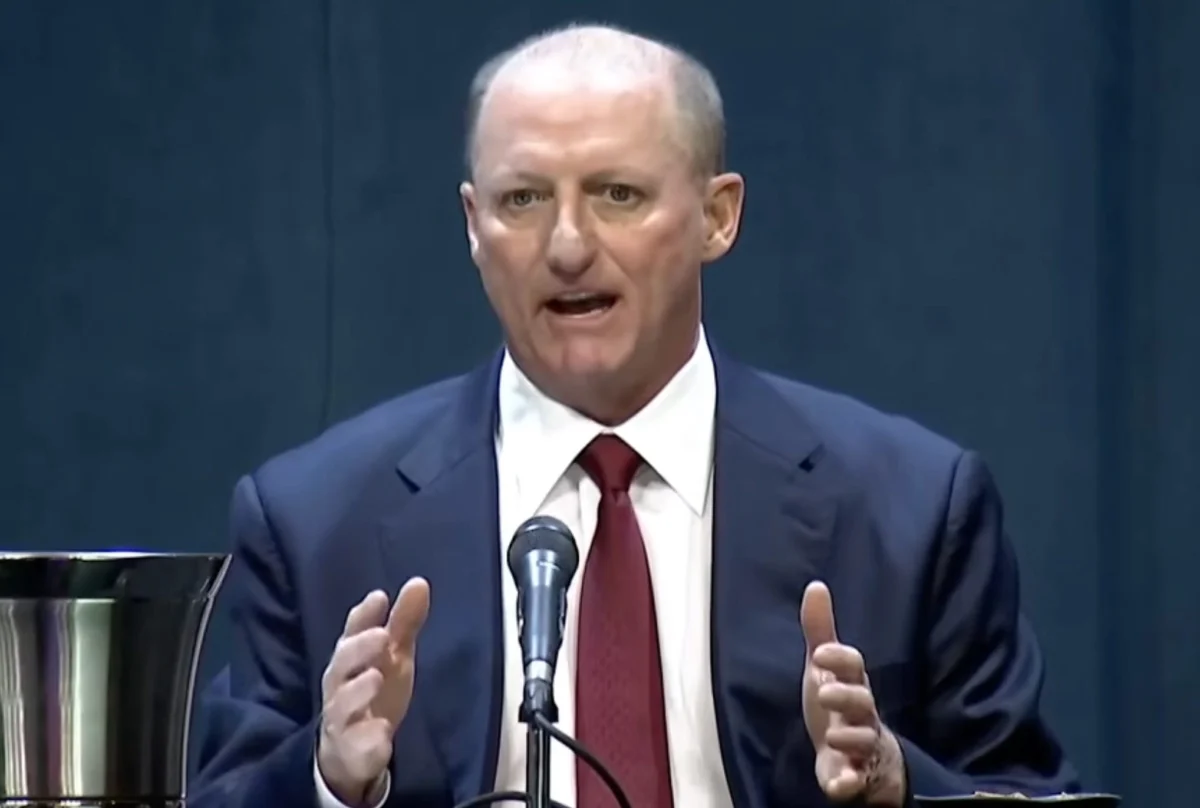
OMAHA, NEBRASKA – Berkshire Hathaway, the multinational conglomerate helmed by Warren Buffett and now increasingly guided by his successor, Greg Abel, announced on Sunday a definitive agreement to acquire national homebuilder Taylor Morrison Home Corporation in a cash deal valued at $6.8 billion. This significant acquisition underscores Berkshire’s deepening commitment to the U.S. housing market, signaling a long-term bullish outlook despite the sector’s recent challenges characterized by elevated mortgage rates and persistent affordability pressures. The deal, which offers a substantial premium to Taylor Morrison shareholders, represents one of the first major strategic moves under Abel’s stewardship, highlighting a new era of growth for the Omaha-based titan.
Under the terms of the agreement, Berkshire Hathaway will pay $72.50 per share in cash for Taylor Morrison. This offer constitutes a robust 24% premium over Taylor Morrison’s closing share price on May 29, 2026. Including Taylor Morrison’s outstanding debt, the total enterprise value of the transaction is estimated to be approximately $8.5 billion. Following the announcement, Taylor Morrison shares experienced a significant surge, popping 22% in early trading on Monday, reflecting investor approval of the acquisition premium. In contrast, Class B shares of Berkshire Hathaway saw a marginal decline of less than 1%, a typical reaction for an acquiring entity, especially given the relative scale of the deal compared to Berkshire’s immense capital reserves.
A Strategic Shift Under New Leadership
This acquisition carries particular weight as it marks one of the inaugural major strategic transactions executed under Greg Abel, who officially assumed the role of CEO at the beginning of 2026, succeeding the legendary Warren Buffett. For years, investors and analysts have scrutinized Berkshire’s substantial cash hoard, which recently approached a staggering $400 billion, posing a continuous challenge for management to deploy capital effectively into value-generating opportunities. While the $6.8 billion purchase price, or even the $8.5 billion enterprise value, is considered modest by Berkshire’s colossal standards, it represents a calculated and strategic deployment of capital into a sector that analysts believe is ripe for a rebound.
Greg Abel articulated the strategic rationale behind the acquisition in an official statement, emphasizing the quality and reputation of Taylor Morrison. "Berkshire is acquiring a best-in-class national homebuilder, led by an exceptional team and backed by a trusted reputation for customer experience," Abel stated. He further outlined a vision for integration: "Over time, we expect to unify our site-built homebuilding operations into a combined platform enabling us to deliver the dream of homeownership to more Americans." This statement hints at potential synergies and a more consolidated approach to Berkshire’s extensive, yet somewhat disparate, holdings within the housing ecosystem.
Warren Buffett, at 95 years old, publicly lauded Abel’s execution of the deal, offering a rare glimpse into the dynamics of the leadership transition. "Greg did that faster than I could have done it, smoother than I could have done it, and I never talked to the CEO. He has launched," Buffett remarked to CNBC’s Becky Quick. This endorsement from the "Oracle of Omaha" underscores confidence in Abel’s strategic acumen and operational efficiency, signaling a successful handover of deal-making responsibilities.
Taylor Morrison: A Leading Player in the Housing Market
Taylor Morrison Home Corporation, headquartered in Scottsdale, Arizona, has established itself as one of the largest homebuilders in the United States. Founded in 1979, the company operates across numerous states, primarily focusing on prime markets in Arizona, California, Colorado, Florida, Georgia, Illinois, North Carolina, South Carolina, and Texas. Taylor Morrison is renowned for building a diverse range of homes, including single-family detached homes, townhomes, and condominiums, catering to various buyer segments from first-time homeowners to move-up buyers and active adults. The company has consistently emphasized customer experience and quality construction, earning it a strong reputation in the competitive homebuilding industry.
In recent years leading up to the acquisition, Taylor Morrison, like many homebuilders, navigated a challenging market landscape. While the company maintained a robust backlog of orders and strategic land positions, it contended with fluctuating material costs, labor shortages, and, most notably, the dampening effect of rising interest rates on buyer demand. Despite these headwinds, Taylor Morrison demonstrated resilience, adapting its strategies to market conditions, which likely made it an attractive target for Berkshire Hathaway, a company known for investing in fundamentally sound businesses during periods of market undervaluation or uncertainty. Its diverse product offering and geographical diversification position it well to capitalize on varied regional housing trends.
Betting on a Housing Market Rebound
The timing of this acquisition is particularly insightful, suggesting Berkshire Hathaway’s conviction that the U.S. housing cycle is poised for a significant turnaround. The housing market has indeed faced a "prolonged downturn" since late 2022, primarily driven by the Federal Reserve’s aggressive interest rate hikes aimed at combating inflation. Mortgage rates, which hovered below 3% for much of 2020-2021, surged to over 7% at various points in 2023 and 2024, significantly impacting affordability and buyer sentiment. According to data from the National Association of Realtors (NAR), existing home sales plummeted, reaching multi-decade lows in late 2023 and early 2024, as high rates locked in many potential sellers and priced out a substantial portion of buyers.

However, many industry experts, including Bill Stone, chief investment officer at Glenview Trust and a Berkshire shareholder, view Berkshire’s move as a strategic long-term bet. "They are betting the housing cycle will turn and that there is pent-up demand," Stone commented. This perspective is supported by several factors:
- Demographic Tailwinds: A large cohort of millennials and increasingly Gen Z are entering their prime home-buying years. Despite recent challenges, the fundamental desire for homeownership remains strong.
- Inventory Shortages: While demand softened, the supply of available homes for sale has remained historically low in many markets, especially for existing homes. This underlying supply-demand imbalance suggests that any significant increase in buyer activity could quickly lead to price appreciation.
- Potential for Rate Stabilization: While future interest rate movements are uncertain, many economists anticipate that the Federal Reserve will eventually begin to cut rates as inflation moderates, which could provide much-needed relief to mortgage rates and boost buyer confidence.
- Resilient Economy: Despite fears of recession, the U.S. economy has shown remarkable resilience, with strong employment numbers supporting potential homebuyers’ financial capacity once affordability improves.
Berkshire Hathaway’s investment in Taylor Morrison is therefore not merely an acquisition but a strategic affirmation of its belief in the enduring strength and eventual recovery of the American housing market. It is a classic Buffett-style long-term value play, executed by Abel, capitalizing on current market softness to acquire a quality asset.
Berkshire’s Expanding Housing Empire and Vertical Integration
This acquisition significantly expands Berkshire Hathaway’s already formidable footprint in the housing sector, creating a more integrated and powerful force within the industry. Berkshire’s housing-related holdings are vast and diverse, spanning various segments of the market:
- Clayton Homes: A dominant player in manufactured and modular housing, Clayton Homes provides affordable housing solutions across the nation. Its operations include home building, financing, and insurance. The addition of a traditional site-built homebuilder like Taylor Morrison complements Clayton’s portfolio, allowing Berkshire to serve an even broader spectrum of housing needs.
- Building Products Companies: Berkshire owns a collection of leading building material manufacturers and suppliers. These include Acme Brick, Benjamin Moore (paints), Johns Manville (insulation and roofing), MiTek (engineered building components), and Shaw Industries (flooring). The integration of Taylor Morrison could create significant synergies, allowing the new combined entity to leverage Berkshire’s internal supply chain for materials, potentially reducing costs and enhancing efficiency.
- Berkshire Hathaway HomeServices: One of the largest residential real estate brokerage franchise networks in the U.S., Berkshire Hathaway HomeServices provides brokerage, relocation, and settlement services. This network could serve as a powerful sales channel for Taylor Morrison homes, creating a seamless ecosystem from construction to sale.
The vision articulated by Greg Abel to "unify our site-built homebuilding operations into a combined platform" suggests a strategic move towards greater vertical integration. By owning a homebuilder, material suppliers, and a real estate brokerage, Berkshire Hathaway is positioned to control a significant portion of the housing value chain. This integration could lead to improved operational efficiencies, better cost control, enhanced customer experience, and a stronger competitive advantage in the long run. It allows Berkshire to capture more value at each stage of the homeownership journey, from raw materials to the final sale.
Chronology of a Strategic Acquisition
The timeline leading to this significant announcement highlights the swift and decisive nature of the deal under Greg Abel:
- Start of 2026: Greg Abel officially takes over as CEO of Berkshire Hathaway. This marks the beginning of his tenure leading major strategic decisions for the conglomerate.
- October 2025: Berkshire Hathaway’s last major acquisition prior to Taylor Morrison was a $9.7 billion cash deal to purchase OxyChem, the chemical business of Occidental Petroleum, showcasing the company’s continuous search for large-scale investments.
- May 29, 2026: Taylor Morrison Home Corporation’s shares close at a specific price, setting the benchmark against which the acquisition premium is calculated.
- Sunday, May 31, 2026: Berkshire Hathaway and Taylor Morrison publicly announce the definitive agreement for the acquisition, a testament to the efficient negotiation process.
- Monday, June 1, 2026: Taylor Morrison’s stock surges by 22% in response to the announced deal and the attractive premium offered, while Berkshire’s Class B shares see a minor dip.
- Second Half of 2026: The acquisition is expected to formally close, pending customary regulatory approvals and Taylor Morrison shareholder consent. This timeline allows for a smooth transition and integration planning.
Broader Economic Implications and Future Outlook
The acquisition of Taylor Morrison by Berkshire Hathaway is not just a corporate transaction; it carries broader implications for the U.S. economy and the housing market. It signals a strong vote of confidence from one of the world’s most respected investment firms in the long-term health of the American consumer and the fundamental need for housing. In an environment where concerns about inflation, potential economic slowdowns, and the impact of geopolitical events persist, Berkshire’s move suggests a belief in underlying economic resilience.
For Taylor Morrison, joining the Berkshire Hathaway family offers unparalleled financial stability, access to vast capital, and potential synergies with existing Berkshire businesses. This could empower Taylor Morrison to accelerate growth, invest in new communities, and enhance its product offerings without the short-term pressures often faced by publicly traded companies. For the housing industry, it validates the long-term prospects of homebuilding and could potentially spur further investment in the sector, as other investors take cues from Berkshire’s strategic play.
In conclusion, Berkshire Hathaway’s $6.8 billion acquisition of Taylor Morrison Home Corporation is a multifaceted event. It is a landmark deal under Greg Abel, showcasing his leadership and strategic direction. It is a substantial vote of confidence in the future of the U.S. housing market, positioning Berkshire to capitalize on an anticipated rebound. And finally, it strategically expands and integrates Berkshire’s already vast housing ecosystem, paving the way for enhanced efficiencies and market dominance in the years to come. The "Oracle of Omaha" may be stepping back, but the conglomerate he built continues to make calculated, impactful moves under its new leadership.
