

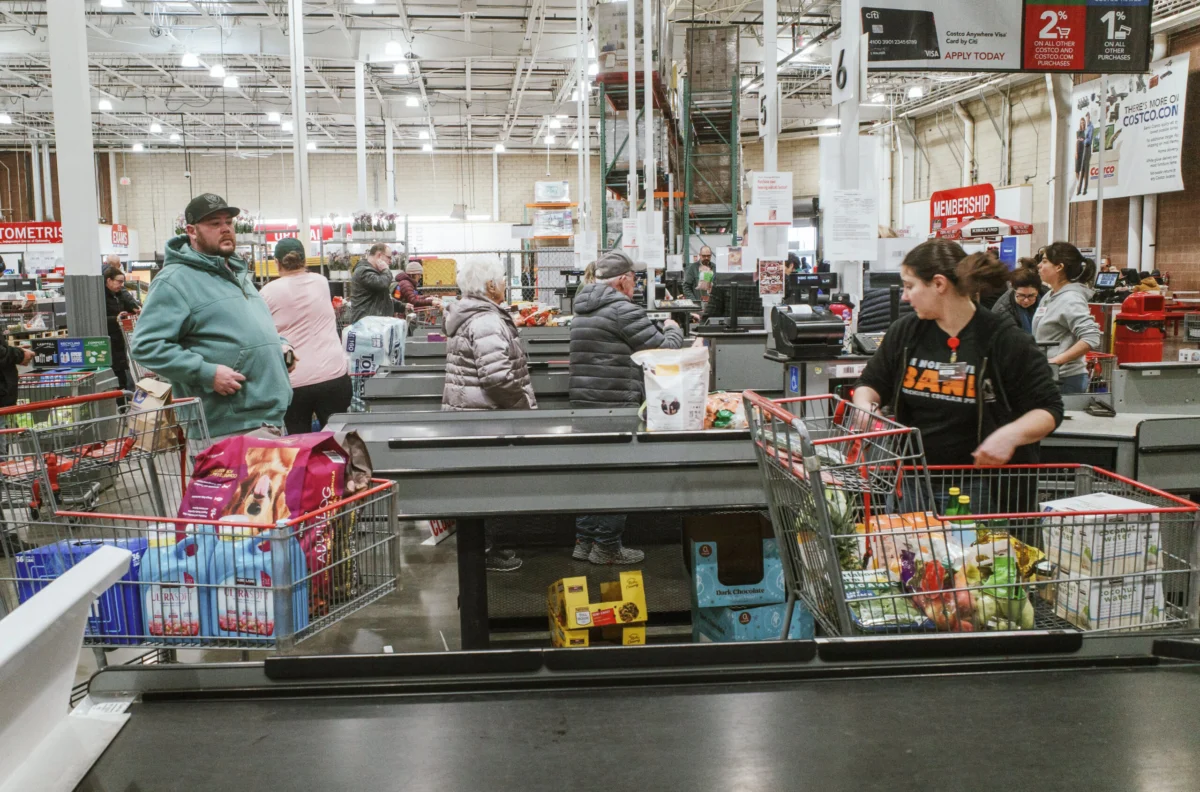
Federal Reserve Chairman Kevin Warsh, in his inaugural news conference as chairman on June 17, delivered a concise and stark assessment of the nation’s economic climate, stating unequivocally, "Persistently high prices are a burden for the American people." This declaration underscored the pervasive challenge of inflation gripping the nation in 2026, a phenomenon that has seen the Consumer Price Index (CPI) remain elevated across most regions. However, a deeper examination of the economic landscape reveals a critical nuance: the burden of inflation is not uniformly distributed. While national averages paint a picture of rising costs, significant variations exist from state to state, making the cost of living a far less onerous proposition in some regions than in others.
For businesses contemplating expansion or relocation, the cost of living is an increasingly pivotal consideration. A state offering a lower cost of living provides a tangible competitive advantage, primarily by aiding in the attraction and retention of skilled workers. Furthermore, it can translate into reduced wage costs, directly impacting a company’s bottom line. This crucial economic factor is why CNBC, in its landmark "America’s Top States for Business" study, now in its 20th year, dedicates a significant portion of its analytical framework to assessing the Cost of Living.
The methodology employed by CNBC for the 2026 study is robust and multi-faceted. States are meticulously rated based on an index of prices for a comprehensive range of goods and services, compiled by the Council for Community and Economic Research (C2ER). This index meticulously tracks costs for essentials such as groceries, housing, utilities, transportation, and healthcare. Beyond basic consumer goods, the study heavily weighs housing affordability, analyzing both homeowner expenses and rental market dynamics to provide a holistic view. A critical and increasingly impactful component of this year’s assessment is the cost of insuring a median-priced home, given the persistent and escalating nationwide insurance crisis. Under the 2026 methodology, Cost of Living accounts for 2% of each state’s total competitiveness score, a seemingly modest figure that nonetheless reflects its profound impact on both individual welfare and business viability.
While many states grapple with the escalating costs that characterize the current economic environment—exacerbated by global geopolitical events such as the Iran war, which has impacted energy prices in early 2026—a select group stands out for offering residents and businesses a reprieve. These are the states where a dollar stretches further, where the burden of daily expenses is notably lighter. The following analysis highlights America’s cheapest states in 2026, providing a detailed breakdown of their cost advantages and the factors contributing to their affordability.
Understanding the Metrics: A Deeper Dive into Affordability
The data presented for each state encompasses several key indicators:
- Cost of Living Score (out of 50 points) and Top States Grade: Reflects the state’s performance in CNBC’s comprehensive ranking.
- Consumer Price Index (CPI) (May, year-over-year): Provides regional inflation context, helping to benchmark local price changes against broader trends. The Midwest region, for instance, consistently shows a +5% CPI in May 2026, indicating sustained inflationary pressures.
- Average Rent (3-bedroom home): A critical indicator of housing affordability, often expressed as a percentage of median income for a more accurate comparison.
- Average Home Price (specific metro area): Offers insight into the cost of homeownership in key urban centers within the state.
- Monthly Energy Bill: Highlights utility costs, which can vary significantly due to climate, energy sources, and infrastructure.
- Dozen Eggs & Loaf of Bread (Q1 2026): Specific grocery staples providing tangible, relatable comparisons of everyday expenses.
The Nation’s Top 10 Most Affordable States in 2026
10. Missouri
- The Show-Me State’s Bargain: Missouri lives up to its "Show-Me State" moniker by demonstrating remarkable affordability, particularly in its housing market. According to ATTOM Data Solutions, the average rent for a three-bedroom home in Missouri last year was a mere $1,582. This figure represents the fifth-lowest in the entire country as a percentage of median income, significantly lower—approximately half—of what a resident would expect to pay in a high-cost state like New Jersey. This competitive housing market is a major draw for both individuals and companies looking to minimize operational overhead.
- Everyday Savings: Beyond housing, Missouri offers substantial savings on everyday necessities. For instance, a head of lettuce in Joplin, a major metro area, costs 12% less than it would in New York City, according to C2ER data. This consistent affordability across various consumer goods underscores Missouri’s appeal.
- The Insurance Hurdle: However, Missouri faces a significant challenge in the form of rising insurance costs. The state has been increasingly susceptible to severe weather events, including a devastating tornado in and around St. Louis last year (2025) that resulted in at least four fatalities and an estimated $1.6 billion in damages. Such catastrophic events are driving up premiums, with Insurify projecting an additional 7% increase this year, building on Missouri’s already 13th-highest insurance premiums nationwide. This trend presents a complex challenge, potentially offsetting some of the state’s inherent affordability advantages for homeowners.
- 2026 Cost of Living score: 34 out of 50 points (Top States grade: B+)
- Consumer Price Index (May, Midwest Region, year-over-year): +5%
- Average rent (3-bedroom home): $1,582
- Average home price (Springfield): $478,702
- Monthly energy bill: $149.83
- Dozen eggs (Q1 2026): $3.22
- Loaf of bread (Q1 2026): $3.39
9. Ohio
- Buckeye State’s Business Magnet: Ohio, the "Buckeye State," not only boasts some of the nation’s lowest living costs but also ranks as America’s #1 Top State for Business overall in 2026. This dual advantage is a powerful draw for corporations seeking efficient operating environments and a robust, affordable workforce. The low cost of living directly contributes to Ohio’s attractiveness, enabling businesses to attract talent without incurring exorbitant relocation or wage costs.
- Housing Prowess: Cleveland exemplifies Ohio’s housing affordability, with an average home price that is remarkably just over one-third of that in Boston, a testament to the state’s accessible real estate market. Statewide, the average rent is the fourth-lowest in the country when measured as a percentage of median income, providing substantial financial relief for renters. This affordability makes Ohio an appealing destination for a diverse workforce, from entry-level employees to seasoned professionals.
- Industrial Implications: For industries like manufacturing, exemplified by the Ford’s Ohio Assembly Plant, the combination of low business costs and affordable living creates a fertile ground for growth and employment stability. State officials often highlight this affordability as a cornerstone of their economic development strategies, aiming to further enhance Ohio’s competitive edge.
- 2026 Cost of Living score: 35 out of 50 points (Top States grade: A–)
- Consumer Price Index (May, Midwest Region): +5%
- Average rent (3-bedroom home): $1,565
- Average home price (Cleveland): $388,116
- Monthly energy bill: $188.39
- Dozen eggs: $4.29
- Loaf of bread: $3.72
8. Kansas
- Sunflower State’s Fiscal Bloom: In the "Sunflower State," residents find their money stretches significantly further, particularly on everyday expenses. A 64-ounce bottle of cooking oil in Salina, for example, will cost approximately 10% less than in Chicago, illustrating a broader trend of lower grocery prices. This contributes to a higher disposable income for families and individuals.
- Housing Stability: Kansas’s housing market is notably affordable, ranking as the third-lowest in the country for overall housing costs. This stability provides a solid foundation for residents, allowing for greater financial flexibility compared to more expensive states.
- Climate-Driven Insurance Hikes: However, mirroring the challenges faced by its Midwest neighbors, Kansas is grappling with a pronounced increase in insurance costs. The state has experienced an uptick in severe weather phenomena, including more intense summer heatwaves, prolonged winter cold snaps, and a rise in damaging storms. These climate-related events have propelled homeowners’ premiums to the 10th-highest in the country last year, with a further 4% increase projected for this year. This upward trend in insurance costs presents a growing concern, impacting household budgets and potentially dampening the state’s overall affordability advantage. State regulators are reportedly exploring measures to stabilize the insurance market, though a definitive solution remains elusive.
- 2026 Cost of Living score: 36 out of 50 points (Top States grade: A–)
- Consumer Price Index (May, Midwest Region): +5%
- Average rent (3-bedroom home): $1,538
- Average home price (Salina): $348,000
- Monthly energy bill: $223.04
- Dozen eggs: $3.87
- Loaf of bread: $3.63
7. Iowa
- Hawkeye State’s Home Comfort: Iowa, the "Hawkeye State," presents a compelling case for affordable living, particularly in its housing sector. Rents, when calculated as a percentage of median income, are the second-lowest in the entire country, surpassed only by Michigan. This makes renting an exceptionally economical option for many. Furthermore, for those aspiring to homeownership, Iowa’s housing market is among the most affordable in the nation, offering substantial value.
- Lingering Derecho Impact: Despite its housing advantages, Iowa is also deeply entrenched in the national insurance crisis. The memory of the 2020 derecho, a catastrophic inland hurricane that caused over $11 billion in damages across the Midwest, with eastern Iowa bearing the brunt, continues to reverberate through the state’s insurance market six years later. The scale of the disaster fundamentally altered risk assessments for insurers, leading to sustained higher premiums. State initiatives aimed at disaster preparedness and mitigation, while improving resilience, have yet to fully stabilize insurance rates.
- Community Resilience: The impact of such events underscores the importance of community resilience and robust state-level support systems. While these challenges are significant, Iowa’s underlying economic stability, driven by its strong agricultural sector, and its commitment to infrastructure development help to maintain its overall affordability.
- 2026 Cost of Living score: 36 out of 50 points (Top States grade: A–)
- Consumer Price Index (May, Midwest Region): +5%
- Average rent (3-bedroom home): $1,580
- Average home price (Burlington): $331,200
- Monthly energy bill: $205.61
- Dozen eggs: $3.63
- Loaf of bread: $3.63
6. Indiana
- Crossroads of America’s Savings: True to its nickname, the "Crossroads of America," Indiana offers significant savings, especially in transportation costs. Even amidst the onset of the Iran war in the first quarter of 2026, which sent ripples through global energy markets, gasoline in Richmond, Indiana, was available for a remarkably low $2.82 per gallon, according to C2ER. This stands in stark contrast to national averages during the same period. Furthermore, routine vehicle maintenance, such as getting a set of tires balanced in Kokomo, costs roughly half of what one might pay in Conway, Arkansas, highlighting broader service sector affordability.
- Strategic Location: Indiana’s central geographic location and extensive highway network contribute to lower logistics costs for businesses and reduced commuting expenses for residents. This strategic advantage enhances its appeal for manufacturing, distribution, and automotive industries.
- Stable Housing and Utilities: While Indiana’s housing market remains competitive, with average rents around $1,711 for a three-bedroom home, its utility costs are also generally manageable. The combination of affordable transportation and stable living expenses makes Indiana a consistently attractive option for those seeking economic relief.
- 2026 Cost of Living score: 36 out of 50 points (Top States grade: A–)
- Consumer Price Index (May, Midwest Region): +5%
- Average rent (3-bedroom home): $1,711
- Average home price (Kokomo): $293,267
- Monthly energy bill: $197.80
- Dozen eggs: $3.92
- Loaf of bread: $3.53
5. Wyoming
- Cowboy State’s Insurance Sanctuary: Wyoming, the "Cowboy State," stands out as a unique outlier in the national insurance crisis, having largely managed to corral rising premiums—at least for now. Homeowners’ premiums in Wyoming are notably on the lower side, averaging $1,929 per year, ranking 16th-lowest in the country. Crucially, they are not expected to increase at all this year, a significant reprieve compared to many other states. This stability can be attributed to a combination of factors, including lower population density, a different exposure profile to extreme weather events compared to the Midwest, and potentially a proactive state regulatory environment.
- Mixed Economic Landscape: While insurance is a clear advantage, Wyoming has experienced some inflation in other areas. Food prices, though not excessively high, are somewhat elevated compared to the national average. This reflects the state’s more rural character and reliance on supply chains.
- Rental Value: Despite some elevated food costs, rental affordability remains a strong point. An apartment in Laramie can be rented for approximately one-third of the cost of a comparable unit in Arlington, Virginia, showcasing remarkable value for renters. Wyoming’s economic landscape, influenced by its energy sector and growing tourism, offers a distinct blend of costs and opportunities.
- 2026 Cost of Living score: 37 out of 50 points (Top States grade: A–)
- Consumer Price Index (May, West Region): +3.5%
- Average rent (3-bedroom home): $1,791
- Average home price (Laramie): $449,444
- Monthly energy bill: $208.17
- Dozen eggs: $3.28
- Loaf of bread: $4.29
4. South Dakota
- Mount Rushmore State’s Monumental Savings: In the "Mount Rushmore State," residents enjoy monumental savings, particularly in housing. South Dakota homeowners benefit from the fourth-lowest monthly payments in the nation, a statistic derived from ATTOM Data Solutions and U.S. Census figures. Buying a home in Pierre, the state capital, costs approximately 25% less than a comparable property in Miami, highlighting a stark contrast in real estate markets. For those who prefer to rent, rental costs are also among the bottom 10 nationally, providing widespread housing affordability.
- Stable Insurance Outlook: Adding to its appeal, South Dakota’s homeowners’ insurance premiums, currently in the middle of the national pack, are projected by Insurify to rise by only 1% this year. This relative stability contrasts sharply with the volatility seen in many neighboring states, offering residents greater financial predictability and security. The state’s diversified economy, including agriculture and a growing financial services sector, contributes to this overall stability.
- 2026 Cost of Living score: 38 out of 50 points (Top States grade: A)
- Consumer Price Index (May, Midwest Region): +5%
- Average rent (3-bedroom home): $1,785
- Average home price (Pierre): $474,200
- Monthly energy bill: $175.72
- Dozen eggs: $3.28
- Loaf of bread: $3.82
3. Alabama
- Yellowhammer State’s Sweet Home Savings: Alabama, known as the "Yellowhammer State," offers widespread affordability, from groceries to housing. Bananas, for instance, cost 20% less per pound in Decatur than in Orange County, California, illustrating significant savings on everyday food items. This makes grocery shopping a less burdensome expense for families.
- Accessible Housing Market: Whether choosing to own or rent, housing prices in Alabama are notably reasonable. Rents are the 10th-lowest in the nation as a percentage of median income, providing substantial relief for tenants. For prospective homeowners, the average price of a home in Anniston is roughly half of what it is in Phoenix, Arizona, making homeownership an achievable dream for many.
- Energy Cost Consideration: While housing and groceries are highly affordable, Alabama’s monthly energy bill, averaging $239.21, is notably higher than many other states on this list. This can be attributed to factors such as a warmer climate necessitating higher air conditioning usage for a significant portion of the year, and potentially the state’s energy mix or older housing stock in some areas. Despite this, the cumulative savings from other categories often outweigh the higher utility expenses, maintaining Alabama’s strong position on the affordability index.
- 2026 Cost of Living score: 38 out of 50 points (Top States grade: A)
- Consumer Price Index (May, South Region): +3.9%
- Average rent (3-bedroom home): $1,542
- Average home price (Anniston): $284,340
- Monthly energy bill: $239.21
- Dozen eggs: $4.72
- Loaf of bread: $3.80
2. North Dakota
- Peace Garden State’s Affordable Homesteads: North Dakota, the "Peace Garden State," named after the International Peace Garden spanning the U.S.-Canada border, offers some of the most affordable housing in the entire nation. For example, a newly built, four-bedroom home in Bismarck, providing ample space for a garden and family life, costs less than half of what a comparable house would command in Bozeman, Montana. This exceptional housing value is a primary driver of North Dakota’s high affordability ranking.
- Retail Savings: Beyond housing, residents also benefit from lower retail costs. A nice pair of casual slacks, for instance, will cost nearly one-third less in North Dakota than in Asheville, North Carolina, demonstrating broader consumer savings. The state’s economy, heavily influenced by its robust agriculture and energy sectors, contributes to a stable and often lower cost of goods and services.
- Balanced Utility Costs: With a monthly energy bill averaging $157.22, North Dakota manages to balance its colder climate with relatively efficient utility costs, further enhancing its overall affordability profile. The state’s commitment to energy development and infrastructure plays a role in keeping these essential costs in check.
- 2026 Cost of Living score: 41 out of 50 points (Top States grade: A+)
- Consumer Price Index (May, Midwest Region): +5%
- Average rent (3-bedroom home): $1,908
- Average home price (Bismarck): $378,598
- Monthly energy bill: $157.22
- Dozen eggs: $3.27
- Loaf of bread: $3.83
America’s Cheapest State in 2026: West Virginia
- Almost Heaven, Monthly Housing Costs: West Virginia, the "Mountain State," proudly claims the title of America’s cheapest state in 2026. Its most striking affordability advantage lies in housing: nearly 81% of its residents allocate less than one-third of their monthly income to housing costs, a figure unmatched by any other state. This exceptional affordability means that whether renting or buying, the financial burden of a home is significantly reduced. Buying a home in Charleston, for example, costs approximately one-fifth as much as a comparable property in Seattle, illustrating the profound difference in real estate values.
- Unparalleled Insurance Value: In an era of escalating insurance premiums nationwide, West Virginia offers a significant reprieve. Insurance premiums here are among the lowest in the country, providing residents with an added layer of financial security. This low-risk profile for insurers, potentially due to fewer catastrophic weather events or a more stable regulatory environment, translates directly into savings for homeowners.
- Grocery and Gas Savings: Beyond housing and insurance, West Virginia delivers consistent savings on daily expenses. A bag of frozen sweet peas costs about 30% less than in Arlington, Virginia, and filling a gas tank for local errands costs roughly half of what it would in Los Angeles. These combined savings across critical categories create a compelling economic environment for residents.
- Economic Context and Opportunity: While West Virginia has historically faced economic challenges, particularly in the decline of traditional industries like coal, its unparalleled affordability presents a unique opportunity for economic revitalization. It can attract new businesses seeking lower operating costs and individuals looking for a higher quality of life with reduced financial strain. State officials are actively leveraging this affordability to draw in new investment and remote workers, positioning West Virginia as a hidden gem for economic opportunity.
- 2026 Cost of Living score: 43 out of 50 points (Top States grade: A+)
- Consumer Price Index (May, South Region): +3.9%
- Average rent (3-bedroom home): $1,726
- Average home price (Charleston): $274,429
- Monthly energy bill: $190.36
- Dozen eggs: $3.98
- Loaf of bread: $3.68
Broader Implications and Future Outlook
The findings from CNBC’s 2026 "America’s Top States for Business" study underscore a crucial economic reality: while national inflation figures demand attention from policymakers like the Federal Reserve, the lived experience of inflation varies dramatically across the United States. For businesses, strategically locating in these affordable states offers a compelling competitive advantage, facilitating talent acquisition, reducing operational expenditures, and enhancing profitability. Industries that are particularly sensitive to labor costs or require large physical footprints, such as manufacturing, logistics, and certain service sectors, stand to benefit immensely.
For individuals, choosing to reside in one of these top affordable states can significantly impact their financial well-being, translating into higher disposable income, greater savings potential, and an improved quality of life. This trend is particularly relevant in an era of increasing remote work, where geographical constraints on employment are diminishing, allowing more people to "arbitrage" the cost of living.
State governments in these affordable regions are increasingly recognizing and leveraging their low cost of living as a cornerstone of their economic development strategies. By promoting accessible housing, stable utility costs, and, where possible, manageable insurance markets, these states can attract both businesses and a skilled workforce, fostering sustainable growth. Conversely, states with high costs of living face increasing pressure to address affordability challenges through policy interventions related to housing, infrastructure, and taxation to remain competitive.
Looking ahead, the dynamics of climate change and its impact on insurance markets will likely play an even more prominent role in future affordability rankings. As severe weather events become more frequent and intense, the ability of states to mitigate these risks and stabilize insurance premiums will be critical. Furthermore, shifts in population demographics and the continued evolution of remote work trends could further alter the landscape of affordability, potentially driving demand and costs in previously overlooked regions. What remains clear is that understanding these granular cost differences is not just a matter of economic curiosity, but a vital tool for strategic decision-making for businesses, individuals, and state policymakers alike in the ongoing effort to navigate the complexities of the 2026 economic environment.
