

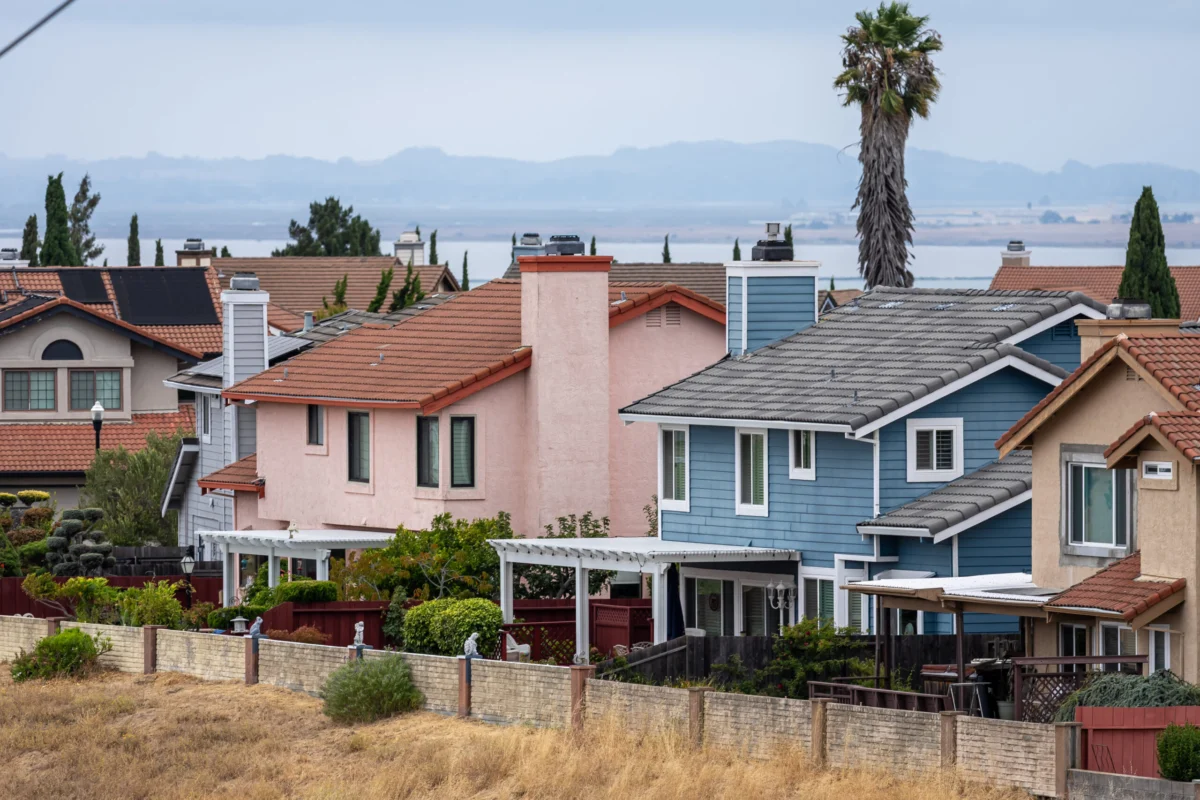
The average rate on the popular 30-year fixed mortgage has officially crossed the significant 7% threshold, reaching 7.07% on Thursday, marking the first time since May 2025 that rates have climbed to such levels, according to data released by Mortgage News Daily. This notable increase represents a 10 basis point jump from Wednesday’s figures, with one basis point equivalent to 0.01%. The abrupt ascent in borrowing costs is intricately linked to a confluence of macroeconomic factors, including a sharp rise in the yield of the U.S. 10-year Treasury, an overnight surge in global oil prices, and lingering volatility within the bond market. This development signals a challenging environment for prospective homebuyers and presents fresh headwinds for the broader real estate sector.
The Return of the 7% Mortgage: A Market Snapshot
For many years, the 7% interest rate on a 30-year fixed mortgage was a distant memory, often associated with historical periods of high inflation and economic uncertainty. Its return marks a pivotal moment for the housing market, directly impacting affordability and buyer sentiment. The 30-year fixed-rate mortgage is the most common home loan product in the United States, favored for its predictable monthly payments over a long term. Its benchmark status makes its movements a critical indicator for the health of the housing market and, by extension, the broader economy. The rapid increase of 10 basis points in a single day underscores the current market’s sensitivity to economic data and geopolitical developments. This ascent past the 7% mark is not merely a statistical increment but a psychological barrier for many consumers, influencing decisions ranging from first-time home purchases to refinancing opportunities.
The Anatomy of a Rate Hike: Key Economic Drivers
Mortgage rates do not move in isolation; they are deeply intertwined with the broader financial markets, particularly the U.S. bond market. The yield on the U.S. 10-year Treasury note serves as a crucial benchmark for long-term interest rates, including those for mortgages. When the 10-year Treasury yield rises, mortgage rates typically follow suit. On Thursday, this key yield saw a significant uptick, reflecting investor concerns about inflation and the potential for tighter monetary policy. Several factors contributed to this bond market unease, creating what Matthew Graham, chief operating officer at Mortgage News Daily, described as "a rough couple of days for the bond market."
One primary driver was an overnight surge in global oil prices. Higher oil prices directly feed into inflation expectations across the economy, increasing costs for transportation, manufacturing, and consumer goods. When investors anticipate higher inflation, they demand higher yields on bonds to compensate for the eroded purchasing power of future fixed payments. This demand for higher yields pushes bond prices down and their yields up, subsequently translating into higher mortgage rates. The geopolitical landscape often plays a significant role in oil price volatility, and recent events have demonstrably amplified these pressures.
Adding to the complexity was a wholesale inflation reading that, while in line with Dow Jones consensus estimates, failed to reassure the market. The Producer Price Index (PPI) for August showed prices rose 0.4%, an indicator that measures the average change over time in the selling prices received by domestic producers for their output. While meeting expectations might typically be seen as neutral news, the current environment of elevated inflation means that anything less than a clear deceleration can be interpreted negatively by a market eager for signs that inflationary pressures are easing. The "lackluster reaction" to the PPI report suggests that investors were hoping for a more definitive signal of cooling prices, or that other negative factors simply overshadowed its impact.
Geopolitical Tensions and Energy Markets: The Iran War Factor
A significant underlying factor contributing to the recent instability in the bond market and the subsequent rise in mortgage rates is the ongoing geopolitical conflict, referred to in the initial report as the "Iran war." While specific details regarding the timing and nature of this conflict are broad, its impact on global markets, particularly energy prices, has been profound. Mortgage rates began their upward trajectory shortly after the conflict commenced, hitting a low of 5.99% the day before hostilities began. This stark comparison highlights the immediate and substantial influence of geopolitical instability on financial markets.
The "Iran war" likely refers to a period of heightened tensions or active conflict involving a major oil-producing region or nation, which has the direct effect of increasing perceived supply risks in the global oil market. Even the threat of disruption to oil supplies can send crude prices soaring, as seen with the overnight surge that directly impacted Thursday’s rate increase. When oil prices climb, it fuels inflationary fears, as energy costs permeate nearly every sector of the economy. This inflation outlook then pressures bond yields higher, as investors demand greater returns to offset future inflation, thereby driving up mortgage rates. The interconnectedness of geopolitical stability, energy markets, and domestic borrowing costs is a critical aspect of understanding the current economic landscape. The duration and intensity of such conflicts will continue to be a significant determinant of future rate movements.
Bond Market Volatility and Treasury Actions
Matthew Graham’s observation of "a rough couple of days for the bond market" points to more than just oil prices and inflation data. He specifically cited Treasury Secretary Bessent and the reaction to a Treasury buyback announcement. While the exact details of this announcement are not fully elaborated in the initial report, such an action by the Treasury Department typically involves repurchasing government debt from the open market. Treasury buybacks can be utilized for various reasons, including improving market liquidity, managing the maturity profile of outstanding debt, or signaling confidence in the government’s fiscal health.
However, the market’s "reaction" suggests that this particular announcement may have introduced uncertainty or was interpreted in a way that contributed to bond market volatility. For instance, if the market perceived the buyback as an attempt to artificially manipulate yields without addressing underlying economic issues, or if the scale of the buyback was unexpected, it could lead to an adverse reaction. Such reactions might include investors demanding higher yields for new Treasury issuances or selling existing bonds, thereby pushing yields up. This episode underscores how policy announcements, even those intended to stabilize or improve market functioning, can be met with varied and sometimes negative responses from a sensitive bond market, directly influencing mortgage rates. The interplay between fiscal policy, monetary policy, and market sentiment creates a complex environment where even seemingly minor events can have outsized impacts.
Impact on Housing Affordability and Buyer Behavior

The resurgence of 7% mortgage rates carries significant implications for the housing market, particularly concerning affordability. For a buyer purchasing a $430,000 home, which is around the national median price, using a 30-year fixed loan with a 20% down payment, the increase in rates translates into a substantial rise in monthly housing costs. Compared to the end of February, when rates were significantly lower (presumably closer to the pre-Iran war low of 5.99%), the monthly payment for principle and interest would be $244 higher today. Over the 30-year life of the loan, this additional cost accumulates to over $87,000, representing a significant financial burden for homeowners.
This sharp increase in monthly payments can price out a segment of potential buyers, especially first-time homebuyers who are already grappling with high home prices, limited inventory, and substantial down payment requirements. The psychological impact of crossing the 7% threshold is also considerable; it can deter fence-sitters and cause many to reconsider their homebuying plans, leading to a slowdown in market activity. Furthermore, existing homeowners who might have considered refinancing to lower their monthly payments are now largely sidelined, as current rates far exceed those available in recent years. This creates a "lock-in" effect, where homeowners with historically low rates are reluctant to sell, further constraining inventory.
Shifting Dynamics in the Existing Home Market
The ripple effect of higher mortgage rates is already evident in the market for existing homes. A recent monthly report on existing home sales showed a decline in sales volume, yet paradoxically, home prices continued to rise, even amid higher supply. This seemingly contradictory trend highlights the unique dynamics currently at play in the housing market. The fall in sales is a direct consequence of reduced buyer demand, driven by diminished affordability due to elevated mortgage rates. Fewer buyers are able or willing to enter the market at current price and rate levels.
However, the continued rise in home prices, despite falling sales and an increase in overall supply, suggests several underlying factors. One possibility is that the "higher supply" might not be uniformly distributed across all price points or desirable locations. Premium properties or homes in highly sought-after areas may still command strong prices due especially to cash buyers or those with substantial equity. Another factor is the "sticky" nature of housing prices; sellers may be reluctant to lower their asking prices, holding out for pre-rate hike valuations. This creates a standoff between buyers who cannot afford current prices with high rates and sellers unwilling to compromise, leading to fewer transactions but stable or even appreciating prices for those homes that do sell. The overall effect is a less liquid market, characterized by fewer transactions and prolonged listing times, even as headline prices remain elevated.
Homebuilders Face New Headwinds
The challenges emanating from the elevated interest rate environment are also impacting the homebuilding sector. Stocks of U.S. homebuilders were already trending lower on Thursday, reflecting investor concerns about future demand and profitability. While homebuilders might benefit from a lack of existing home inventory, higher mortgage rates directly translate to reduced purchasing power for their prospective buyers. This can lead to a slowdown in new home sales, increased cancellation rates, and potentially the need for builders to offer incentives to move inventory.
Beyond buyer demand, homebuilders also contend with their own set of cost pressures. Rising material costs, persistent labor shortages, and increased financing costs for construction loans can compress profit margins. In an environment where buyer demand is softening due to high mortgage rates, builders may find it difficult to pass these elevated costs onto consumers through higher home prices. This delicate balance between construction costs, selling prices, and buyer affordability creates a challenging operating landscape for the industry, influencing everything from the pace of new construction to the types of homes being built.
Broader Economic Ramifications
The sustained period of higher mortgage rates, particularly the breach of the 7% mark, carries broader economic ramifications beyond the housing sector. Housing is a significant component of the U.S. economy, influencing consumer wealth, spending habits, and overall economic sentiment. When housing costs rise, consumers have less discretionary income for other goods and services, potentially leading to a slowdown in retail sales and other consumption-driven sectors. This can act as a drag on economic growth.
From a monetary policy perspective, elevated mortgage rates are an intended consequence of the Federal Reserve’s efforts to combat inflation. By raising its benchmark interest rate, the Fed aims to cool demand across the economy, including the housing market, to bring inflation back down to its target. The current rate environment suggests that these tightening measures are indeed having an effect, albeit with the side effect of making homeownership less accessible. The challenge for policymakers lies in achieving a "soft landing" – bringing inflation down without triggering a severe economic recession. The continued rise in mortgage rates indicates that the battle against inflation is far from over, and financial conditions are becoming increasingly restrictive.
Looking Ahead: Navigating an Uncertain Rate Environment
The outlook for mortgage rates remains highly uncertain, tethered to the trajectory of inflation, global energy prices, geopolitical stability, and the Federal Reserve’s monetary policy decisions. Market participants will be closely watching upcoming economic data, including further inflation reports, employment figures, and retail sales, for signs that inflationary pressures are truly abating. A sustained decline in inflation could provide the Fed with room to pause or even reverse its tightening cycle, which would eventually translate into lower bond yields and mortgage rates. Conversely, persistent inflation or further geopolitical shocks could keep rates elevated or push them even higher.
For prospective homebuyers, careful financial planning and flexibility are paramount. Consulting with mortgage professionals to explore different loan products, understanding personal budget constraints, and monitoring market trends will be crucial. The current environment underscores the importance of a robust emergency fund and a clear understanding of long-term financial commitments. The housing market is adapting to this new reality of higher borrowing costs, and while challenging, it also represents a period of recalibration after years of historically low rates. The journey back to a more stable and affordable housing market will likely be gradual, contingent on a broad array of economic and geopolitical developments unfolding in the coming months.
