

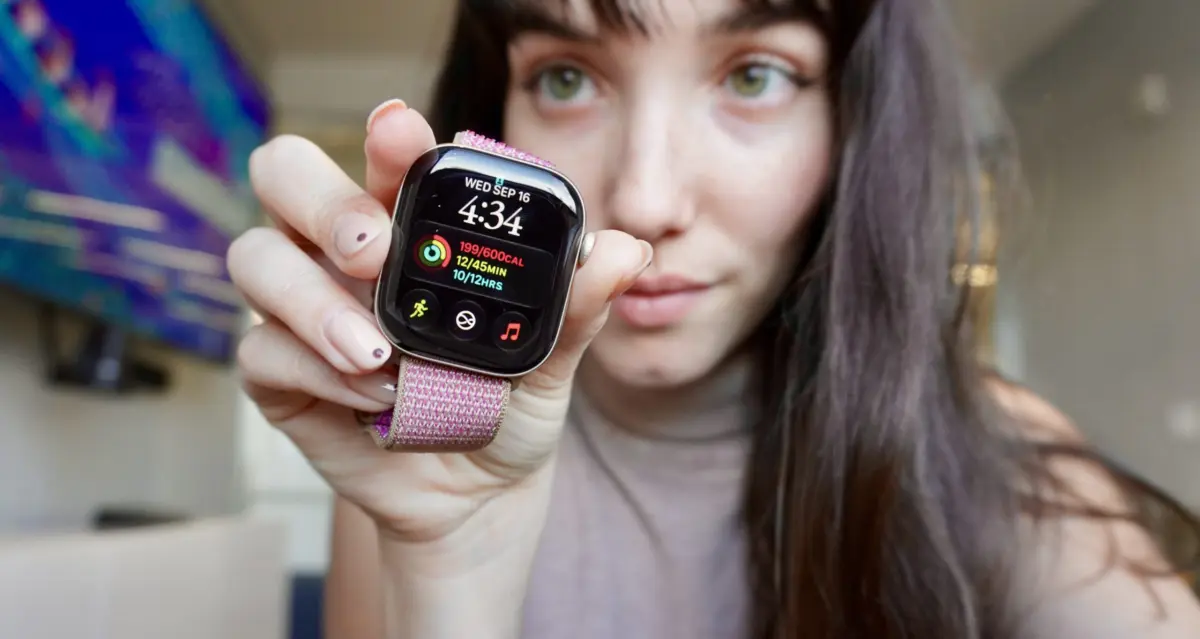
Apple has officially commenced the rollout of its highly anticipated Audio Intelligence suite, introducing the Siri Recap and Live Rewind features to the Apple Watch Series 12 and Apple Watch Ultra 4 via the iOS 27.3 developer beta. These features, which utilize the advanced processing capabilities of the S11 chip, represent a significant shift in how wearable devices interact with the physical environment, moving beyond passive health monitoring toward active cognitive assistance. While these tools were first teased during Apple’s annual hardware event in September, their release was deferred to allow for further optimization of the underlying "Audio Intelligence" framework.
The introduction of these features marks a pivotal moment in Apple’s broader artificial intelligence strategy, often referred to as Apple Intelligence. By enabling a smartwatch to "listen" and process ambient conversations in real-time, Apple is positioning the Apple Watch as a central hub for productivity and personal organization. However, the move has not been without scrutiny, as the "always-listening" nature of the technology has prompted rigorous discussions regarding digital privacy and user consent in social and professional settings.
Chronology of the Audio Intelligence Launch
The journey toward the current beta release began in mid-2024, when rumors first circulated that Apple was developing a dedicated neural engine for the S11 chip capable of handling continuous audio streams. During the September "It’s Glowtime" event, Apple executives formally introduced the Apple Watch Series 12 and the Ultra 4, highlighting Siri Recap and Live Rewind as flagship software enhancements.
Despite the hardware being available to consumers shortly after the announcement, the Audio Intelligence features remained in a "coming soon" status. Industry analysts suggested that Apple was refining its Private Cloud Compute (PCC) protocols to ensure that the massive amounts of audio data generated by these features could be handled securely. The release of the iOS 27.3 developer beta provides the first opportunity for developers and early adopters to test the efficacy of these tools in real-world environments. It is expected that a public beta will follow within weeks, with a full consumer release slated for the subsequent quarter.
Siri Recap: Automated Documentation and Actionable Insights
Siri Recap is designed to function as a digital scribe, specifically tailored for the constraints of a wearable interface. Unlike traditional transcription services that provide word-for-word records of a meeting, Siri Recap employs large language models (LLMs) to distill hours of conversation into high-level summaries.

The feature is housed within a new "Recaps" section of the Siri application. According to technical demonstrations provided by Apple, the system does not focus on the "nitty-gritty" of every sentence. Instead, it identifies and extracts "Action Items," such as specific dates, financial figures, deadlines, and project milestones. For instance, in a scenario involving a family discussing higher education, the system can automatically generate a list of potential colleges mentioned, extracurricular activities discussed, and essay topics suggested, saving these as a structured note.
Data management for Siri Recap is strictly controlled by the user. Summaries can be saved directly within the Siri app, exported to Apple Notes, or integrated into the Journal app. To prevent the accumulation of unnecessary data, any recap that is not manually saved by the user is automatically purged from the device after seven days. Furthermore, the system includes built-in filters to exclude sensitive information. It is programmed to scrub audio of language related to self-harm, financial authentication data (such as credit card numbers), and personal identifiers. The system only identifies speakers by name if they explicitly introduce themselves or if their names are frequently repeated in a clear context.
Live Rewind: Capturing Fleeting Moments with Precision
While Siri Recap focuses on long-form synthesis, Live Rewind is a tactical tool for short-term memory gaps. The feature maintains a continuous, rolling 15-second audio buffer. When a user misses a piece of information—such as a specific instruction from a professor or a comment made during a noisy board meeting—they can double-press the Digital Crown to trigger the feature.
Upon activation, the Apple Watch provides a haptic chime and a visual animation to alert both the user and potentially those nearby that the audio is being processed. The watch then displays a text transcript of the previous 15 seconds for a duration of 30 seconds. Users have the option to send this snippet to the Siri app for further inquiry—such as asking for the definition of a word used in the snippet—or to save it for later reference. If no action is taken, the audio buffer is overwritten and the data is permanently deleted.
This feature is particularly aimed at environments where asking for repetition is difficult or socially awkward. By providing a "safety net" for auditory information, Apple is attempting to solve a common human pain point: the "head-in-the-clouds" moment where attention momentarily lapses.
The Hardware Foundation: The S11 Chip and Secure Exclave
The technical feasibility of Siri Recap and Live Rewind is rooted in the S11 chip, which features a significantly enhanced Neural Engine. A critical component of this architecture is the "Secure Exclave," a dedicated, isolated processing environment within the chip.

The Secure Exclave acts as a "private island" for audio data. When the Apple Watch detects that the wearer is engaged in a conversation—optimized through proximity sensors and acoustic analysis—the raw audio is fed into this secure buffer. Crucially, the audio is never accessible to the main operating system in its raw, unencrypted form.
For Siri Recap, the S11 chip performs the initial detection and encryption. The encrypted data is then transmitted via a secure pairing mechanism to the user’s iPhone. The iPhone’s more powerful processor handles the "cleaning" of the audio, removing filler words and irrelevant background noise, before sending the data to Apple’s Private Cloud Compute (PCC). PCC creates the final summary and delivers it back to the Siri app on the iPhone. Apple has asserted that this end-to-end encryption ensures that no one, including Apple’s own engineers, can listen to the audio or access the resulting transcripts.
Operational Constraints and User Accessibility
Apple has implemented several operational guardrails to manage battery life and ensure the relevance of the Audio Intelligence features. The system is designed to be context-aware; it automatically pauses summarization or buffering when the user is on a phone call, using FaceTime, playing music, or utilizing Bluetooth peripherals like AirPods. Currently, the features do not support audio processing when third-party Bluetooth devices are in use, a limitation likely tied to the latency requirements of the Secure Exclave.
To maintain transparency, Apple has made these features strictly opt-in. During the initial setup of a new Apple Watch or after updating to the latest software, users are prompted to choose which, if any, Audio Intelligence tools they wish to enable.
Furthermore, the system includes "Focus Mode" integration. Users can set the Apple Watch to automatically activate Siri Recap when they arrive at specific locations, such as a workplace or a university campus. To ensure users are always aware of the system’s status, the Apple Watch sends a notification every morning if the feature is active and provides a summary reminder at the end of each day.
The Competitive Landscape: Wearables as Cognitive Assistants
The introduction of Siri Recap and Live Rewind places Apple in direct competition with a new wave of "AI-first" wearables, such as the Humane AI Pin and the Rabbit R1, as well as established players like Garmin. While Garmin’s Fenix and Venu series have focused heavily on physiological data and athletic performance, Apple is pivoting toward "lifestyle and productivity intelligence."

Market analysts suggest that this move is intended to increase the "stickiness" of the Apple ecosystem. By integrating these features deeply into the hardware, Apple provides a level of privacy and seamlessness that third-party apps cannot match. This is particularly relevant as competitors like Google and Samsung begin to integrate Gemini and Galaxy AI features into their respective wearable lines. The success of Apple’s Audio Intelligence will likely depend on whether users find the productivity gains significant enough to outweigh the inherent discomfort of wearing an "always-listening" device.
Broader Implications and Future Outlook
The release of these features in developer beta is a litmus test for the public’s appetite for pervasive AI. If Siri Recap proves successful in professional environments, it could redefine the standard for workplace productivity tools, potentially rendering manual note-taking obsolete in many contexts.
However, legal experts have pointed to potential challenges regarding two-party consent laws in various jurisdictions. While Apple has addressed individual privacy through the Secure Exclave, the social privacy of those interacting with an Apple Watch wearer remains a complex issue. Apple’s inclusion of visual and auditory indicators when Live Rewind is triggered is a clear attempt to mitigate these concerns, but the "silent" nature of Siri Recap’s background summarization may still face regulatory scrutiny in certain regions.
As the iOS 27.3 beta progresses, the tech community will be watching closely to see how these features impact battery longevity and whether the Private Cloud Compute model can handle the scale of millions of daily users. For now, Apple Watch Series 12 and Ultra 4 users are at the forefront of a new experiment in human-computer interaction, where the watch is no longer just a timekeeper or a fitness tracker, but an active participant in the user’s cognitive life.
