


The political landscape of the United States has undergone a significant shift following the most recent election cycle, as updated tallies indicate that the Democratic Party has secured a majority in the U.S. House of Representatives and is on a clear trajectory to reclaim control of the Senate. This shift in legislative power comes at a critical juncture for the nation’s energy policy and environmental protections, prompting immediate calls for a legislative agenda centered on climate resilience and corporate accountability. While the final certification of votes continues in several key districts, the projected outcomes in pivotal battleground states have provided a clear mandate for a change in leadership within the halls of Congress.
The electoral results reflect a growing public concern over the intersection of environmental health, energy costs, and democratic integrity. Environmental advocacy groups, led by the Sierra Club, have characterized the victory as a resounding rejection of the current administration’s rollback of environmental regulations and its emphasis on fossil fuel expansion. As the new legislative session approaches, the focus of the incoming majority is expected to pivot toward aggressive clean energy investments and a robust oversight of the executive branch’s handling of public lands and pollution standards.
The Path to a New Majority: A Chronology of the Election Cycle
The road to the Democratic takeover of the House and Senate was marked by a highly mobilized electorate and a strategic focus on local environmental issues. The campaign season began with a series of high-stakes primaries where candidates emphasizing "green" platforms gained significant momentum. By the summer of 2026, internal polling from both major parties suggested that voters in suburban and frontline communities were increasingly prioritizing air and water quality alongside traditional economic concerns.
In the final months leading up to the election, the Sierra Club and other grassroots organizations launched extensive "Get Out the Vote" (GOTV) operations. These efforts targeted millions of voters through door-knocking, phone banking, and digital outreach, focusing on the impact of energy prices and the health consequences of industrial pollution. By the time polls opened, turnout in key demographics—particularly among younger voters and residents of color in climate-vulnerable areas—reached record levels for a midterm cycle.
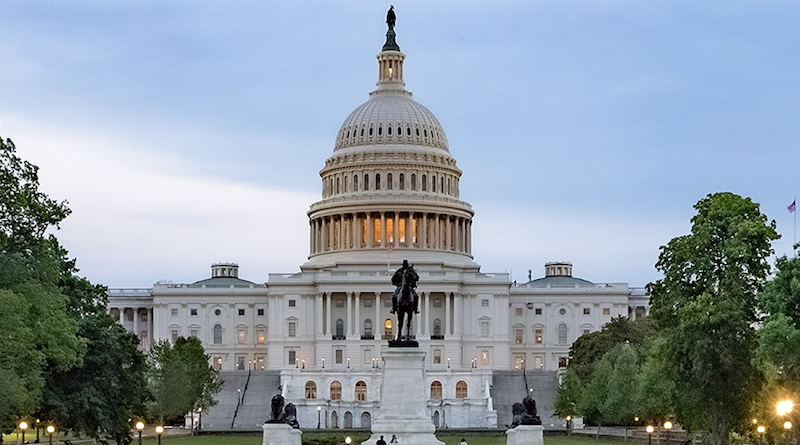
On election night, the first signs of a Democratic wave appeared in the Southeast and the Southwest. In South Carolina, Annie Andrews secured a victory that signaled a shift in the region’s political appetite for climate-conscious leadership. This was followed by decisive wins in New Mexico, Georgia, and Colorado. As the night progressed, it became evident that the "Blue Wall" in the Midwest had held, while significant gains in Texas and other traditionally Republican-leaning states solidified the Democratic path to a House majority. The Senate races followed a similar pattern, with several incumbents unseated by challengers who ran on platforms of holding utility companies and fossil fuel interests accountable.
Key Victories and the New Face of Environmental Leadership
The success of the Democratic Party in this cycle was driven by a diverse slate of candidates, many of whom were endorsed by major environmental organizations for their specific commitments to the clean energy economy. Among the notable victors is Deb Haaland of New Mexico, whose campaign emphasized the protection of indigenous lands and the transition to renewable energy sources on federal territory. In Georgia, Keisha Lance Bottoms secured a pivotal seat, bringing a focus on urban sustainability and environmental justice to the national stage.
In Colorado, Manny Rutinel’s victory highlighted the growing demand for legislative action against air pollution caused by oil and gas extraction, while in Texas, Gina Hinojosa won her race after a campaign that linked the state’s extreme weather events to the need for a more resilient and decentralized power grid. These candidates, along with many others, ran on the premise that the transition to clean energy is not only an environmental necessity but an economic opportunity to lower utility bills and create high-paying jobs in the manufacturing and installation sectors.
The influx of these leaders into the House of Representatives is expected to alter the priorities of key committees, including the House Committee on Energy and Commerce and the Committee on Natural Resources. Observers anticipate a swift introduction of legislation aimed at codifying emissions reductions and expanding the subsidies for domestic solar and wind production that were previously under threat of repeal.
Supporting Data: Public Sentiment and Economic Drivers
The shift in Congressional control is supported by a wealth of data indicating a realignment of voter priorities. According to recent national exit polls, nearly 60% of voters identified climate change as a "very important" factor in their decision-making process. This represents a 12-point increase from the previous midterm cycle. Furthermore, the economic burden of volatile fossil fuel prices played a central role; 65% of respondents in swing districts reported that their energy bills had become a significant financial strain over the past two years.

Economic reports leading up to the election also highlighted the disparity between corporate profits and consumer costs. In 2025 and early 2026, while many American households faced record-high heating and cooling costs, major fossil fuel companies reported some of the highest quarterly profits in their history. This data point became a focal point for Democratic campaigns, which argued that the current administration’s policies allowed "corporate greed" to flourish at the expense of the average taxpayer.
Investment trends also point toward the inevitability of the energy transition. Despite federal attempts to revitalize the coal and offshore drilling industries, private sector investment in renewable energy outpaced fossil fuel investment by a ratio of three to one in the fiscal year preceding the election. The growth of the electric vehicle (EV) market and the expansion of battery storage capacity have created a "green" workforce that now accounts for a significant portion of the labor market in states like Georgia, Michigan, and Nevada.
Official Responses and the Sierra Club’s Mandate
The Sierra Club, representing millions of members and supporters, has been vocal about the expectations for the new Congress. In an official statement, Sierra Club Executive Director Loren Blackford emphasized that the election results are a "resounding call for new leadership" that must prioritize healthy communities and the protection of constitutional rights.
"Voters across the country have made it clear that they want a government that will hold polluters, utility companies, and the administration accountable," Blackford stated. "This is a clear rejection of the war on affordable clean energy and the politics of corruption that have left Americans facing skyrocketing energy bills and polluted communities while fossil fuel CEOs reap the profits."
The organization has signaled that it will not simply celebrate the victory but will actively lobby the new Democratic majority to take "ambitious action." This includes holding the executive branch accountable for what the Sierra Club describes as "unlawful attempts to sacrifice the health and safety of our communities." The group’s strategy involves pushing for a legislative package that includes increased funding for the Environmental Protection Agency (EPA), the closure of loopholes for industrial emitters, and a comprehensive plan to achieve net-zero emissions by mid-century.

Broader Impact and Policy Implications
The implications of a Democratic-controlled Congress are profound, particularly regarding the oversight of the current administration. With subpoena power and control over the federal budget, House Democrats are expected to launch a series of investigations into the Department of the Interior and the EPA. These inquiries will likely focus on the process by which public lands were leased for extraction and whether political interference played a role in the weakening of fuel economy standards and toxic waste regulations.
On the policy front, the new majority is expected to focus on three primary pillars:
- Grid Modernization and Clean Energy Incentives: Expanding tax credits for renewable energy and investing in a national "smart grid" to facilitate the transmission of wind and solar power from rural areas to urban centers.
- Environmental Justice: Directing federal resources to "Justice40" communities—those disproportionately affected by industrial pollution and historical underinvestment.
- Accountability for Polluters: Strengthening the "polluter pays" principle, ensuring that companies responsible for environmental degradation are held financially liable for cleanup and health costs.
Furthermore, the shift in power will have international ramifications. As the global community looks toward the next round of international climate negotiations, a U.S. Congress committed to climate action restores a level of diplomatic credibility. This could lead to renewed partnerships on global carbon markets and technology sharing, positioning the U.S. as a leader rather than a laggard in the global race to decarbonize.
Conclusion: The Challenges Ahead
While the election results provide a clear path forward for environmental and democratic reforms, the incoming Congress faces significant hurdles. A divided government—with a Democratic legislative branch and a potentially resistant executive branch—suggests that legislative progress may be hard-fought. Budgetary battles and the use of the presidential veto could slow the implementation of the ambitious "green" agenda proposed by the Sierra Club and its allies.
However, the momentum generated by this election cycle indicates a fundamental change in the American political consciousness. The link between environmental protection, economic stability, and democratic health has been firmly established in the minds of the electorate. As the new representatives prepare to take their seats in Washington, D.C., the mandate is clear: the time for incrementalism has passed, and the era of ambitious climate action and corporate accountability has begun. The eyes of the nation, and indeed the world, will be on the 120th Congress to see if it can deliver on the promises made during this historic campaign.
