


The American weight loss and nutrition industry is currently valued at more than $300 billion annually, a staggering figure that encompasses everything from subscription-based diet plans and glossy cookbooks to behavioral coaching and specialized supplements. This massive economic engine is fueled by a revolving door of dietary trends, many of which prioritize rapid results over long-term physiological health. As the Guiding Stars nutrition guidance program marks its 20th anniversary in 2026, the milestone provides a unique vantage point from which to observe the cyclical nature of food fads and the steady, albeit slower, progression of rigorous nutrition science. Since its inception in 2006, the program has transitioned from a localized retail initiative into a cornerstone of nutritional literacy utilized by grocery chains, educational institutions, hospitals, and corporate wellness programs across North America.
The challenge for the modern consumer is not a lack of information, but rather a surplus of conflicting data. Public health experts have long identified the "social determinants of health"—factors such as income levels, geographic proximity to fresh produce, and the time available for meal preparation—as the primary drivers of nutritional outcomes. However, even when these barriers are removed, the "cognitive load" of grocery shopping remains high. Shoppers are frequently bombarded with marketing claims that may or may not align with clinical evidence. The evolution of Guiding Stars represents a systematic effort to reduce this confusion by translating complex biochemical data into a simplified, star-based rating system that allows for informed decision-making in seconds.
The Landscape of Nutritional Confusion: 2000 to 2006
The early 2000s were defined by a dramatic shift in how Americans viewed macronutrients, specifically the transition from the "low-fat" obsession of the 1990s to the "low-carb" revolution. This era was dominated by the resurgence of the Atkins Diet, originally popularized by Dr. Robert Atkins in the 1970s. By 2003, the trend reached a fever pitch with the release of "The South Beach Diet" by cardiologist Dr. Arthur Agatston. While these programs differed in their approach to "good" versus "bad" fats, they shared a common enemy: the carbohydrate.
Amidst this cultural fixation on carb-counting, the 2005 Dietary Guidelines for Americans attempted to steer the public back toward a balanced approach. These federal recommendations emphasized nutrient density—the concept of maximizing vitamins, minerals, and fiber relative to caloric intake. Despite these official efforts, a landmark 2006 survey by the International Food Information Council (IFIC) Foundation revealed a profound disconnect. Only one-third of Americans believed the health information they received was consistent. More concerningly, many reported avoiding nutrient-dense foods like fruits and whole grains because prevailing fads had erroneously labeled them as unhealthy.
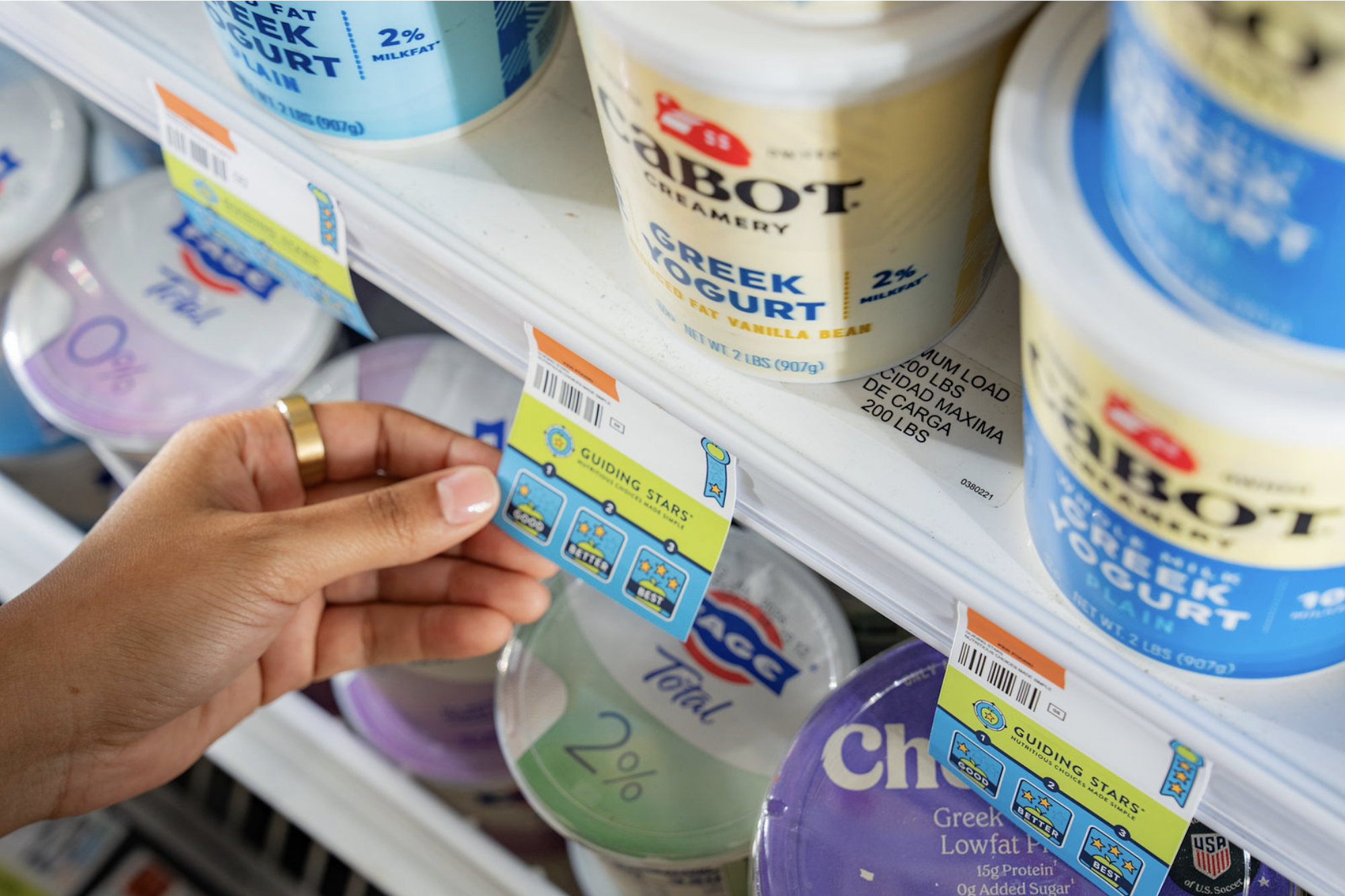
Recognizing that nine out of ten shoppers consulted food labels but few understood how to interpret them, an independent scientific advisory panel began developing a patented algorithm. This was the birth of Guiding Stars. Launched in 2006, the system was designed to be "invisible" in its complexity but "unmissable" in its application. By assigning one, two, or three stars to products based on their nutritional value, the program provided a baseline of objective truth on the grocery shelf, independent of manufacturer marketing.
The 2010s: From Ancestral Eating to Plant-Based Innovation
As the 2010s arrived, the dietary pendulum swung toward "Ancestral Eating." The Paleolithic, or "Paleo," diet encouraged consumers to mimic the presumed eating habits of hunter-gatherers, effectively banning grains, legumes, and dairy. Simultaneously, the "Juice Cleanse" phenomenon took hold, driven by social media influencers promising detoxification. Medical professionals frequently cautioned against these restrictive practices, noting that the human body possesses its own sophisticated detoxification systems (the liver and kidneys) and that liquid-only diets often lacked essential fiber and protein.
The scientific community responded to these trends with the 2010 Dietary Guidelines for Americans, which introduced the "MyPlate" visual. This replaced the aging and often misunderstood Food Pyramid with a simple graphic representing a dinner plate divided into four sections: fruits, vegetables, grains, and protein. This shift mirrored the Guiding Stars philosophy of focusing on the "whole plate" rather than isolated nutrients.
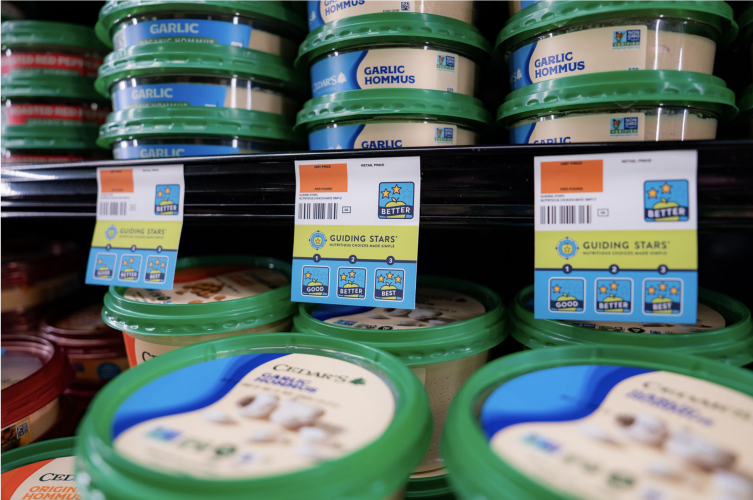
During this period, the Guiding Stars Scientific Advisory Panel—a group of experts in nutrition, medicine, and public health—regularly updated its proprietary algorithm. In the mid-2010s, the panel significantly tightened limits on added sugars, reflecting emerging evidence linking high sugar consumption to metabolic syndrome and cardiovascular disease. Leslie Fischer, PhD, a dietitian and member of the advisory panel, noted during this era that the algorithm must be a "living document" to remain relevant. This commitment to evolution was validated in 2013 when research published in the journal Food Policy demonstrated that the presence of Guiding Stars shelf tags significantly shifted consumer demand toward more nutritious options, proving that simplified data could override fad-driven impulses.
The latter half of the decade saw the meteoric rise of plant-based meat alternatives. Brands like Impossible Foods and Beyond Meat brought "alt-meat" into the mainstream. While initially driven by environmental and ethical concerns, many consumers adopted these products under the assumption they were inherently "healthier" than animal proteins. However, nutritionists pointed out that many of these highly processed alternatives were high in sodium and saturated fats. The Guiding Stars algorithm provided a necessary filter here, evaluating these new products against the same rigorous standards as traditional foods, helping consumers distinguish between a "plant-based" label and actual nutritional density.
The 2020s: The Era of Gut Health and GLP-1 Medications
The current decade has ushered in a more nuanced understanding of nutrition, focusing on the microbiome and the "gut-brain axis." The popularity of fermented foods like kimchi, kefir, and kombucha reflects a growing public interest in probiotic health. Concurrently, the medical landscape has been transformed by the rise of GLP-1 receptor agonists, such as Ozempic and Mounjaro. While these medications are primary tools for treating Type 2 diabetes and obesity, they have shifted the cultural conversation from "willpower" to the biological regulation of appetite.
In this new era, the importance of nutrient density has never been higher. Patients on GLP-1 medications often experience a significant reduction in appetite, making every calorie they consume vital for maintaining muscle mass and metabolic function. To meet these changing needs, Guiding Stars has continued to refine its guidance. In 2022, the program launched a dedicated beverage algorithm, addressing the "hidden" calories and sweeteners in modern drinks. Subsequent updates in 2023, 2024, and 2025 have further refined how the system accounts for non-nutritive sweeteners and the specific dietary needs of infants and toddlers.
Data and Implications: The Cost of Nutritional Illiteracy
The stakes of nutritional guidance are quantified in the rising rates of chronic disease. According to the Centers for Disease Control and Prevention (CDC), more than 60 percent of American adults currently live with at least one chronic condition, such as heart disease, cancer, or diabetes. Forty percent of adults suffer from two or more. Diet-related illnesses remain a leading cause of death and a primary driver of healthcare costs, which now account for nearly 18 percent of the U.S. GDP.
The success of a program like Guiding Stars is rooted in its ability to address the "choice architecture" of the grocery store. By providing a transparent, science-backed rating at the point of purchase, the program mitigates the influence of "greenwashing"—the practice of using misleading labels like "all-natural" or "multigrain" to imply health benefits that do not exist.
Official responses from the public health sector have been consistently positive. As early as 2009, the U.S. Surgeon General cited Guiding Stars as a model for improving community nutrition during the CDC’s Conference on Obesity Prevention. Since then, independent studies in both the United States and Canada have confirmed that front-of-pack and shelf-tag nutrition scoring systems are among the most effective tools for public health intervention because they do not require a high level of specialized education to use.
The Future of Evidence-Based Guidance
As Guiding Stars enters its third decade, the program is preparing for the next evolution of federal nutrition policy. The Scientific Advisory Panel has already begun reviewing the most recent updates to the Dietary Guidelines for Americans to ensure the algorithm remains the most accurate reflection of current clinical consensus.
The legacy of the past 20 years suggests that while the "diet of the month" will inevitably change, the fundamental pillars of human nutrition—fiber, whole grains, lean proteins, and the reduction of processed sugars and sodium—remain constant. The program’s ability to survive and thrive amidst two decades of dietary volatility is a testament to the power of objective science over marketing. For the millions of shoppers who encounter the three-star system every day, the icons serve as a silent but reliable navigator through an increasingly complex food landscape, proving that while fads may flare and fizzle, evidence-based guidance is the only sustainable path to public health.
