

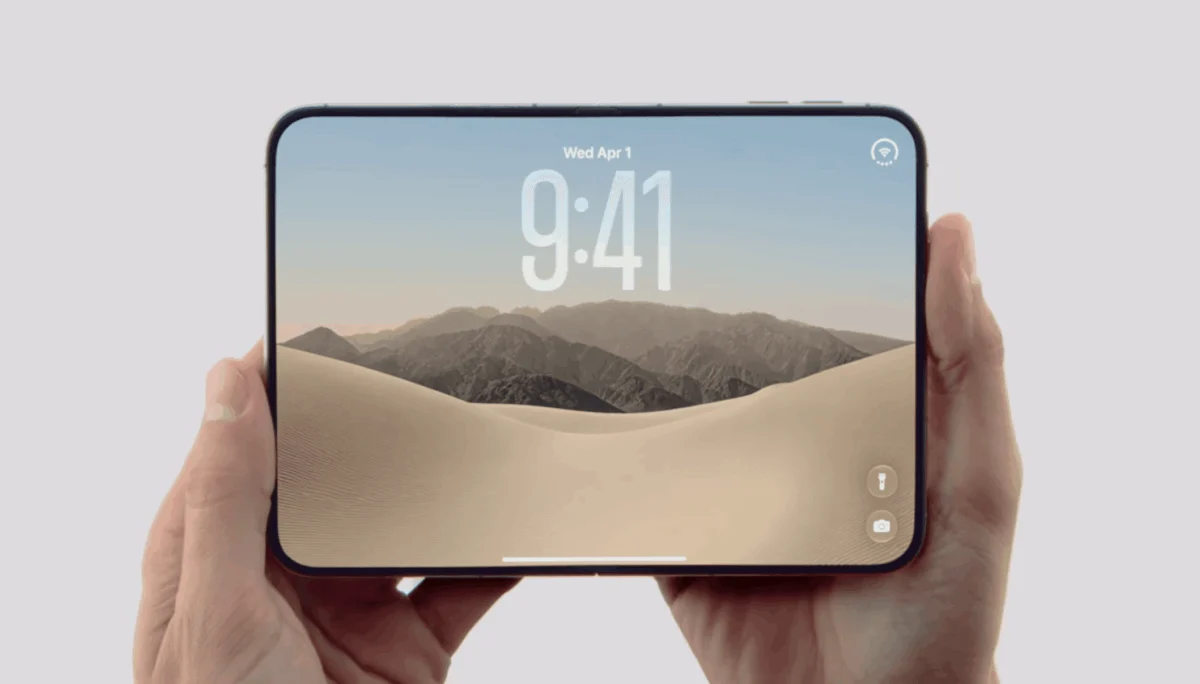
Apple has officially entered the foldable smartphone sector with the announcement of the iPhone Duo, a move that signals a significant evolution in the company’s hardware strategy. The device was unveiled during Apple’s highly anticipated annual September keynote at Apple Park in Cupertino, California. Positioned as a premium alternative to the traditional smartphone form factor, the iPhone Duo debuted alongside the new iPhone 18 Pro and iPhone 18 Pro Max, suggesting that Apple views the foldable category not as a mere experiment, but as a pillar of its high-end product lineup for the coming years.
The introduction of the iPhone Duo comes more than half a decade after the first major foldable devices reached the hands of consumers. By entering the market now, Apple follows its historical pattern of "late-mover advantage," allowing competitors to navigate the early technical hurdles of flexible display technology before releasing a refined, consumer-ready version of the concept.
A New Chapter in Apple’s Hardware Evolution
The iPhone Duo represents the most radical departure from the iPhone’s iconic silhouette since the removal of the home button with the iPhone X in 2017. While the iPhone 18 Pro continues to refine the "slab" smartphone design with incremental improvements to camera optics and processing power, the Duo introduces a book-like folding mechanism.
The device features a "passport-style" aspect ratio, characterized by a shorter and wider footprint compared to the tall, narrow designs seen in early foldable iterations. This design choice is reminiscent of the original Google Pixel Fold and stands in contrast to the more elongated Samsung Galaxy Z Fold8. Industry analysts note that this wider aspect ratio is specifically engineered to optimize media consumption. By creating a nearly square internal canvas, the iPhone Duo minimizes "letterboxing"—the thick black bars that typically appear at the top and bottom of widescreen video content—thereby maximizing the usable screen area for streaming and gaming.
The Competitive Landscape and Market Context
Apple’s entry into the foldable market occurs at a critical juncture for the global smartphone industry. The foldable segment has been active since 2019, when Samsung launched the first Galaxy Fold. In the intervening years, the market has expanded to include major players such as Honor, Google, Motorola, and Oppo. These manufacturers have made significant strides in reducing the thickness of the devices and improving the durability of the internal hinges and flexible OLED panels.
Despite these technological advancements, the foldable market remains a niche segment. According to data from International Data Corporation (IDC), foldables are expected to account for only about 2 percent of the global smartphone market by the end of this year. Furthermore, the broader smartphone category has faced headwinds, with shipments declining for five consecutive quarters. Recent reports indicate a 13 percent year-over-year drop in overall smartphone shipments, a trend attributed to economic pressures, longer consumer upgrade cycles, and a perceived plateau in innovation.
The Apple Effect: Revitalizing a Niche Category
Market analysts believe that Apple’s presence could be the catalyst needed to transition foldables from a niche curiosity to a mainstream staple. Nabila Popal, a senior research director at IDC, suggests that Apple could potentially capture up to 30 percent of the foldable market share by the end of 2026.
The "Apple Effect"—the phenomenon where Apple’s entry into a category validates the technology and drives mass adoption—is supported by consumer sentiment data. An IDC survey recently revealed that 60 percent of consumers are currently unlikely to purchase a foldable smartphone when they next upgrade. However, the data shifts dramatically when the brand is specified: nearly 33 percent of respondents stated they would "absolutely" purchase a foldable if it were manufactured by Apple.
"Apple has such a strong market pull," Popal noted. She compared the current situation to previous market shifts where Apple’s messaging influenced consumer awareness and industry pricing. "Coming into foldables, it’s going to create overall excitement for the category. It’s good for the consumer too. It’s always good to have more competition and more choice."
Technical Specifications and Engineering Hurdles
While full technical specifications are being analyzed as review units reach the hands of experts, the iPhone Duo is confirmed to run on Apple’s latest silicon, likely a variant of the A19 chip designed to handle the multitasking demands of a larger display. The internal screen utilizes a proprietary flexible material that Apple claims is more resistant to the "crease" that has plagued previous foldable devices.
However, the engineering complexity of a folding device brings inherent risks, particularly regarding longevity. Foldable phones are notoriously more prone to mechanical failure and environmental damage compared to their rigid counterparts. The introduction of moving parts—specifically the hinge and the flexible display layers—creates points of failure that do not exist in standard smartphones.
Elizabeth Chamberlain, Director of Sustainability at iFixit, expressed caution regarding the device’s repairability. "Manufacturers have come a long way since the Galaxy Fold first dropped," Chamberlain said. "But the gains in durability haven’t come with gains in repairability." To date, iFixit has not rated any foldable device as "truly repairable," citing the heavy use of adhesives and the extreme fragility of the internal display components. For Apple, which has recently made strides in its "Self Service Repair" programs, the iPhone Duo represents a significant challenge in maintaining its sustainability goals.
Economic Implications and Industry Outlook
The launch of the iPhone Duo is expected to have a ripple effect across the global supply chain. The production of flexible OLED panels and specialized hinges requires high-precision manufacturing, and Apple’s volume requirements could lead to increased investment in these technologies.
Furthermore, the pricing of the iPhone Duo—expected to sit well above the standard iPhone 18 Pro—will test the upper limits of consumer spending. With memory prices and component costs on the rise, Apple’s ability to maintain high margins while delivering a new form factor will be closely watched by investors.
From a software perspective, the iPhone Duo will likely run a specialized version of iOS, potentially incorporating features from iPadOS to take advantage of the expanded screen real estate. This "bridge" between the phone and the tablet experience could redefine how users interact with productivity apps, creative tools, and multi-window multitasking.
Conclusion: A Measured Risk
Apple’s announcement of the iPhone Duo is a calculated move to capture a growing, albeit currently small, segment of the premium market. By waiting until the technology matured and the competitive landscape was established, Apple has positioned itself to offer a device that addresses the primary complaints of early foldable adopters: durability, software optimization, and design elegance.
Whether the iPhone Duo can single-handedly reverse the declining trends in the smartphone market remains to be seen. However, its arrival marks the end of the "experimental" phase of foldable technology. With Apple now in the arena, the industry enters a new era of competition that will likely accelerate innovation in display technology, hinge engineering, and mobile software design.
As the iPhone Duo prepares for its global release, the tech industry will be watching closely to see if the "passport-style" fold becomes the new standard for the next decade of mobile computing, or if the challenges of repairability and cost remain insurmountable barriers to mass-market success.
This is a developing story. Technical benchmarks and detailed teardowns are expected to follow as the device becomes available for public purchase.
