

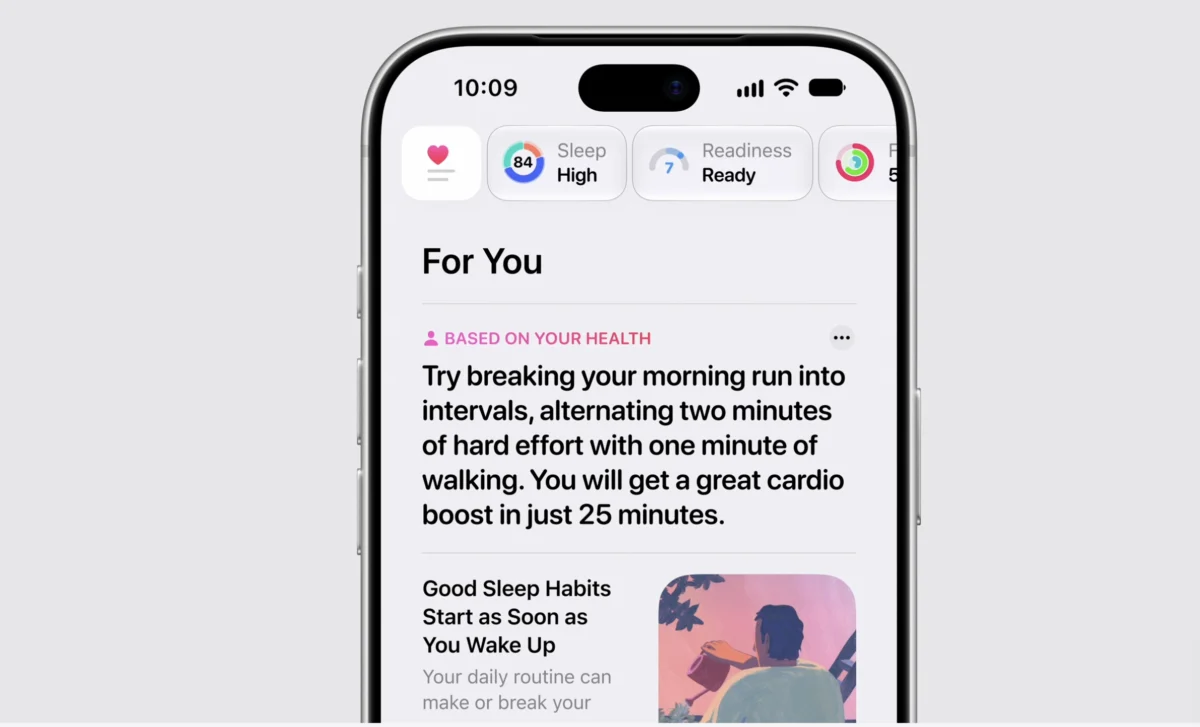
Apple has officially unveiled a comprehensive overhaul of its Health app, integrating the company’s proprietary Apple Intelligence to provide users with a more sophisticated, data-driven understanding of their physiological well-being. Announced alongside the debut of the Apple Watch Series 12 and the Apple Watch Ultra 4, the updated Health app represents a significant shift from a passive data repository to an active, intelligent health consultant. By leveraging advanced machine learning models and on-device processing, the redesigned platform introduces several key features, including a centralized Insights tab, a personalized "Readiness" score, and a "Health Age" metric designed to quantify a user’s biological standing relative to their chronological age.
The evolution of the Health app comes at a time when the consumer electronics giant is deepening its footprint in the medical and wellness sectors. The new interface aims to synthesize the vast amounts of data collected by the Apple Watch and iPhone—ranging from heart rate variability and sleep cycles to blood oxygen levels and physical activity—into a cohesive narrative. The goal is to provide users with actionable intelligence rather than a fragmented list of statistics.
The Introduction of Health Age and Biological Metrics
At the heart of the redesign is the "Health Age" feature. This metric serves as a comprehensive benchmark for a user’s overall vitality. Unlike chronological age, which is a simple measure of time, Health Age is calculated using a complex array of data points, including VO2 max (cardiorespiratory fitness), sleep consistency, resting heart rate, and movement patterns. By comparing these metrics against large-scale clinical datasets, the app can estimate whether a user’s body is functioning at a level younger or older than their actual age.
Furthermore, Apple has expanded the scope of this metric by allowing for the integration of clinical biomarkers. Through a new partnership with Quest Diagnostics, users in the United States can opt into a 50-biomarker blood panel for a fee of $119. This panel provides critical data on cholesterol levels, blood glucose, kidney function, and inflammation markers, which are then automatically securely imported into the Health app. By combining wearable sensor data with lab-grade blood analysis, the Health Age metric offers a level of precision previously reserved for specialized longevity clinics.
Apple Intelligence and the Insights Ecosystem
The integration of Apple Intelligence marks a turning point for the platform’s utility. The new Insights tab serves as a proactive dashboard, using generative AI and predictive modeling to highlight the most timely information for the user. Instead of requiring the user to hunt for trends, the app now identifies them automatically. For example, if a user’s resting heart rate has been trending upward while their sleep quality has declined, Apple Intelligence can correlate these factors and suggest specific lifestyle adjustments.
Personalized guidance is a cornerstone of this update. Apple stated that the app can now provide specific recommendations for physical training. If the system detects a plateau in cardiovascular improvement, it might suggest incorporating high-intensity interval training (HIIT) or specific running drills into the user’s routine. This level of coaching is designed to feel intuitive and context-aware, moving beyond generic fitness tips to provide advice tailored to the individual’s current physiological state.

The Readiness Score and Daily Performance
A highly anticipated addition to the Health app is the "Readiness" score. This feature, which mirrors popular offerings from competitors like Oura and Whoop, is designed to help users determine how much physical or mental strain they should take on in a given day. The score is computed by analyzing recovery indicators, primarily sleep quality and heart rate variability (HRV), against the previous day’s physical exertion.
A high Readiness score indicates that the body is well-recovered and prepared for a high-intensity workout or a demanding workday. Conversely, a low score suggests that the user may be overtraining or experiencing high levels of stress, prompting the app to recommend a rest day or light activity. By providing this daily snapshot, Apple aims to help users avoid burnout and injury, fostering a more sustainable approach to long-term health.
Longevity and Mobility Assessments
Apple has also introduced a dedicated "Longevity" tab, which focuses on the pillars of healthy aging: movement, sleep, heart health, and mental well-being. This section of the app utilizes long-term data trends to assess a user’s trajectory over decades rather than days. It incorporates mobility assessments that measure gait, balance, and "sit-to-stand" performance—metrics that are critical for assessing the risk of falls and general physical decline in older populations.
For users recovering from injuries or those looking to improve their functional fitness, the Health app now includes guided assessments. These assessments utilize the sensors in the iPhone and Apple Watch to track form and range of motion. In a move that Apple describes as "having a coach right there with you," digital trainers provide real-time demonstrations of specific movements, ensuring that users perform exercises correctly and safely.
Historical Context and the Path to Series 12
The redesign of the Health app is the culmination of a decade of development. When Apple first introduced the HealthKit framework in 2014, it was primarily a central hub for third-party apps to share data. Over time, the launch of the Apple Watch in 2015 transformed the iPhone into a sophisticated health monitor. Subsequent hardware iterations introduced the ability to take an Electrocardiogram (ECG), detect falls, monitor blood oxygen (SpO2), and track ovulation through temperature sensing.
The Apple Watch Series 12 and Ultra 4, which launch alongside this software update, feature upgraded sensor arrays with improved signal-to-noise ratios, allowing for more accurate readings during intense activity or sleep. These hardware advancements are essential for the high-fidelity data required by Apple Intelligence to generate its new insights and scores.
Industry Implications and Market Analysis
Apple’s move to incorporate lab results and biological aging metrics places it in direct competition with a growing "longevity economy." Companies such as InsideTracker and Function Health have built business models around blood-based health insights. By offering a $119 Quest partnership directly within the iOS ecosystem, Apple is effectively democratizing access to preventative health data.

Industry analysts suggest that this update could significantly impact the fitness wearable market. By introducing a Readiness score and a Health Age metric, Apple is closing the feature gap with niche fitness trackers that have historically appealed to enthusiasts and professional athletes. The integration of Apple Intelligence further differentiates the product by providing a user experience that is more conversational and less reliant on the user’s ability to interpret complex charts.
Privacy and Data Security
As Apple deepens its involvement in clinical-grade data, the company has reiterated its commitment to user privacy. All health data, including the new biomarker information from Quest and the insights generated by Apple Intelligence, is encrypted end-to-end when stored in iCloud. Apple maintains that it does not have access to this data, and it is not used for advertising purposes. On-device processing ensures that most of the AI-driven analysis occurs without the data ever leaving the user’s hardware, a critical factor for maintaining trust in a digital health environment.
Official Responses and Future Outlook
While medical professionals have generally lauded the move toward more proactive health monitoring, some have cautioned that consumer-grade metrics should not replace professional medical advice. Apple has addressed this by ensuring that the Health app allows users to easily export their data into PDF reports that can be shared with primary care physicians.
The updated Health app is scheduled for a phased rollout later this year, initially launching in U.S. English. Expansion to other languages and regions is expected to follow throughout 2027. As the boundaries between consumer technology and clinical healthcare continue to blur, Apple’s latest update positions the iPhone and Apple Watch not just as communication tools, but as essential instruments for the management of human longevity.
Chronology of Key Apple Health Milestones
- June 2014: Apple announces HealthKit and the Health app at WWDC.
- April 2015: The first Apple Watch is released, introducing the Activity rings.
- September 2018: Apple Watch Series 4 introduces the ECG app and Fall Detection.
- September 2020: Apple Watch Series 6 introduces Blood Oxygen monitoring.
- September 2022: Apple Watch Series 8 adds temperature sensing for reproductive health tracking.
- September 2024 (Current): Apple introduces Apple Intelligence-driven Health app redesign, Health Age, and Readiness scores alongside Watch Series 12.
The redesign signifies Apple’s transition into the "interpretation phase" of health tech. Where the previous decade was focused on the accurate collection of data, the coming years appear focused on the utility of that data, transforming numbers into a comprehensive strategy for living a longer, healthier life.
