

The portable audio market has reached a critical maturation point in late 2026, offering consumers a level of acoustic fidelity and durability that was once reserved for high-end stationary bookshelf systems. While traditional wired speakers still maintain a slight edge in raw audio quality, the modern Bluetooth speaker has evolved into a sophisticated device capable of delivering high-resolution sound in environments ranging from rugged outdoor trails to refined living spaces. This evolution is the result of nearly two decades of rapid innovation in battery chemistry, wireless transmission protocols, and transducer design.
The Evolution of Portable Sound: A 16-Year Chronology
The trajectory of the Bluetooth speaker industry can be traced back to a pivotal moment in 2010 with the launch of the Jawbone Jambox. This device is widely credited by industry historians as the catalyst that transitioned wireless audio from a niche novelty into a mainstream consumer necessity. Prior to 2010, wireless audio was plagued by low-bandwidth connections and poor battery performance. The Jambox demonstrated that a compact form factor could provide sufficient volume for social gatherings, sparking a multi-billion dollar industry.
Between 2010 and 2020, the market focused primarily on ruggedization and battery longevity. Brands like JBL and Ultimate Ears pioneered the "outdoor-proof" aesthetic, introducing IPX7 ratings that allowed speakers to survive full submersion in water. By 2022, the focus shifted toward "smart" integration, with Wi-Fi and Bluetooth hybrid models becoming the standard for premium brands like Sonos and Bose.
As of September 2026, the industry has entered its "High-Fidelity Portability" era. Current flagship models now support 24-bit/96kHz lossless audio via USB-C connections and utilize advanced protocols like Auracast, which allows a single source to broadcast to an unlimited number of nearby compatible speakers. This chronology reflects a shift from mere convenience to a genuine replacement for traditional home audio.
Rigorous Testing Standards and Market Methodology
To determine the leaders in the 2026 landscape, audio experts have conducted thousands of hours of empirical testing. The evaluation process for modern Bluetooth speakers involves a multi-faceted approach that goes beyond simple listening.
- Acoustic Profiling: Speakers are tested using a diverse spectrum of audio, from basic 320kbps streams to high-resolution lossless files from platforms like Qobuz and Tidal. This ensures that the digital-to-analog converters (DACs) within the speakers are capable of handling high-bandwidth data.
- Durability Stress Testing: Devices claiming IP67 or IP68 ratings are subjected to standardized dust chambers and water immersion tests. "Pool-ready" claims are verified through prolonged exposure to chlorinated water and simulated beach environments involving fine-grain sand.
- Battery Depletion Analysis: With many 2026 models claiming battery lives exceeding 50 hours, testing now requires multi-day monitoring to verify manufacturer claims against real-world usage at varying volume levels.
- Connectivity and Latency: Testing includes measuring Bluetooth 6.0 reliability and the ease of "handshaking" between devices, particularly in areas with high signal interference.
The 2026 Market Leader: JBL Flip 7
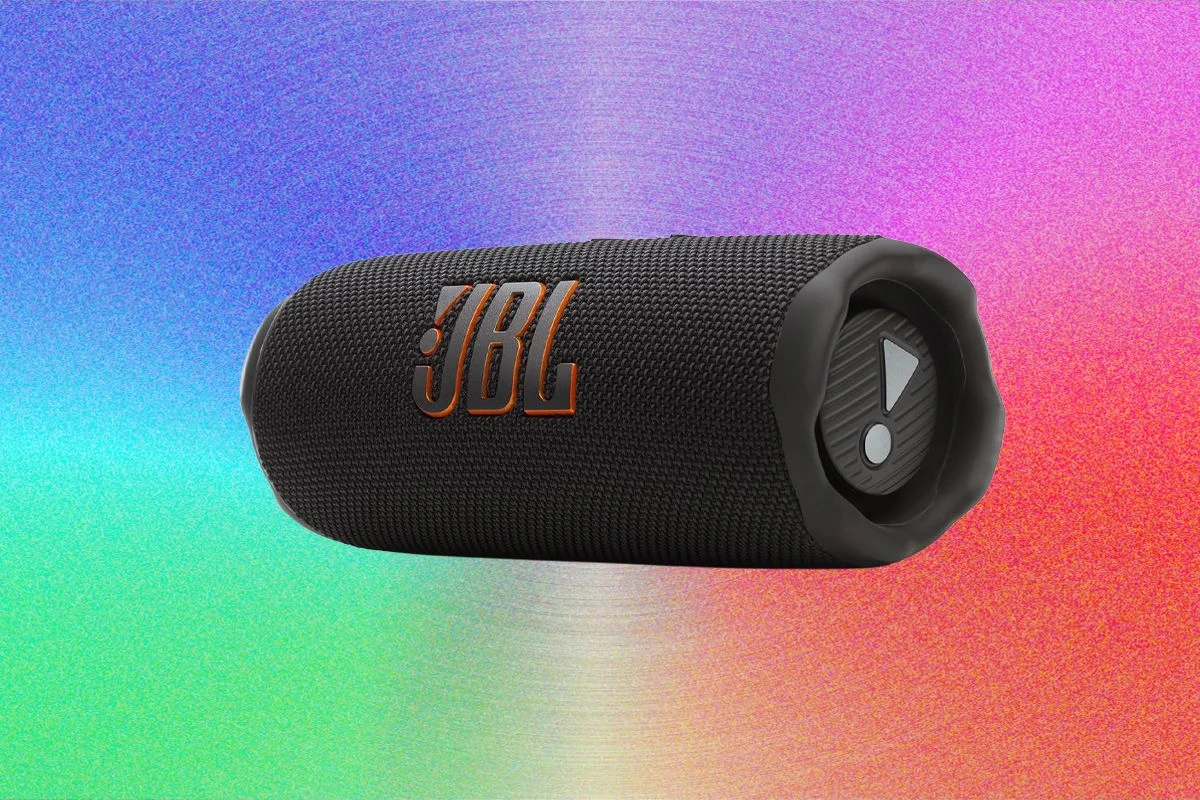
The JBL Flip 7 has emerged as the definitive recommendation for the majority of consumer use cases in the current market. Retailing at $150, the device strikes a precise balance between portability, affordability, and acoustic performance.

The Flip 7 features a refined driver array that delivers punchy bass without sacrificing vocal clarity. A significant technical upgrade in this generation is the inclusion of 24-bit/96kHz lossless audio support through its USB-C port, a feature previously reserved for audiophile-grade stationary equipment. With a 14-to-16-hour battery life and an IP68 rating, it represents the peak of the "all-rounder" category. JBL’s integration of Auracast further future-proofs the device, allowing it to sync with a wide array of newer audio hardware.
Smart Integration and the Domestic Ecosystem: Sonos Play
For consumers seeking a bridge between a permanent home setup and a portable solution, the Sonos Play stands as the premier "smart" Bluetooth option. Unlike entry-level portable speakers, the Sonos Play utilizes Wi-Fi connectivity to integrate with the broader Sonos ecosystem, offering access to over 100 streaming services and voice control.
The device weighs 2.9 pounds, placing it at the upper limit of what is considered "travel-friendly," but the trade-off is an audio performance that rivals the brand’s Era 100 stationary speaker. It offers a 24-hour battery life and IP67 protection, making it a versatile choice for those who move their music from the kitchen to the patio. The inclusion of automatic Trueplay tuning allows the speaker to adjust its output based on the acoustics of the room, a feature that remains a significant competitive advantage for Sonos.
High-Fidelity Engineering: The KEF Muo and Marshall Kilburn III
In the premium segment, two distinct philosophies have emerged: aesthetic heritage and acoustic purity.
The KEF Muo, priced at $250, is designed for the listener who prioritizes hi-fi components. Constructed with a seamless aluminum body, the Muo utilizes a racetrack-shaped mid/bass driver and a dedicated tweeter powered by 40W of Class D amplification. It is one of the few portable speakers that can genuinely be described as a compact hi-fi component, particularly when utilizing its high-resolution streaming capabilities.
Conversely, the Marshall Kilburn III leans into a "guitar amp" aesthetic while delivering massive battery performance. Offering 50 hours of playtime and 50 watts of power, the Kilburn III is designed for longevity and volume. Its 360-degree sound presentation ensures that audio is distributed evenly across outdoor spaces, though it lacks the stereo pairing options found in its competitors.
The Rise of the "Party Starter": LG xboom Stage 501
A growing niche in 2026 is the high-output "party" speaker. The LG xboom Stage 501, a collaboration with tech-entrepreneur will.i.am, exemplifies this trend. Weighing 25.8 pounds, it is less of a personal speaker and more of a portable PA system.

The Stage 501 is capable of 220 watts when plugged into a power source and features twin 5.25-inch woofers. Despite its size, analysts have noted its surprising composure at lower volumes, a rarity for speakers designed for high-decibel environments. The device includes specialized features for social events, such as AI Karaoke, synchronized LED lighting, and dual microphone inputs, reflecting a shift toward multi-functional entertainment hubs.
Supporting Data and Comparative Analysis
Market data from 2025-2026 indicates several key trends that are shaping the current product landscape:
- Battery Longevity: The average battery life of a mid-range Bluetooth speaker has increased by 35% since 2023, largely due to improvements in lithium-ion density and more efficient Bluetooth LE (Low Energy) Audio protocols.
- Sustainability and Repairability: Brands like Bang & Olufsen and Bose have begun emphasizing "modular" designs. The Beosound A1 (Gen 3), for instance, is noted for its increased repairability, a direct response to global "Right to Repair" legislation.
- Lossless Adoption: Over 40% of new Bluetooth speakers released in 2026 include a "wired-digital" mode via USB-C to support lossless audio, catering to the growing number of subscribers on high-resolution streaming platforms.
Industry Implications and Future Outlook
The current state of the Bluetooth speaker market suggests a looming convergence between portable and high-end home audio. As wireless protocols continue to reduce latency and increase bandwidth, the necessity for wired home systems is being challenged.
Industry analysts suggest that the next frontier will involve even deeper integration with "spatial audio" and Dolby Atmos in portable formats. While current 360-degree speakers provide an immersive experience, true spatial positioning in a battery-powered, single-unit form factor remains the "holy grail" for audio engineers.
Furthermore, the environmental impact of these devices is under increased scrutiny. With millions of units sold annually, the industry is moving toward recycled aluminum and plastics, as seen in the latest iterations from JBL and Ultimate Ears. The transition to replaceable battery packs—currently a feature in the Marshall Kilburn III and LG xboom Stage 501—is expected to become a mandatory industry standard by 2028.
In conclusion, the Bluetooth speaker in 2026 is no longer a compromise. Whether it is the pocket-sized efficiency of the $55 JBL Go 5 or the $799 professional-grade output of the Soundboks Mix, consumers now have access to a spectrum of audio tools that are as durable as they are sonically refined. The market has moved beyond the simple goal of "tunes anywhere" to the more ambitious reality of "high-fidelity everywhere."
