

The annual PRI in Person conference, the world’s premier gathering for responsible investment professionals, has long served as a barometer for the health and direction of the sustainable finance industry. While previous iterations of the event, such as the 2023 gathering, focused heavily on the structural evolution of the Principles for Responsible Investment (PRI) and the technicalities of climate-related financial disclosures, the most recent summit in Amsterdam revealed a stark shift in the professional climate. According to industry observers and participants, the prevailing atmosphere has transitioned from one of expansionary optimism to one defined by professional precariousness and the rising specter of job loss.
This shift comes at a critical juncture for the Environmental, Social, and Governance (ESG) sector. After a decade of unprecedented growth, the industry is grappling with a complex confluence of political backlash, regulatory tightening, and a broader market correction. The dialogue in the corridors of the Amsterdam conference reflected this new reality, as the focus moved from high-level policy to the personal and professional survival of the individuals who comprise the sustainability workforce.
The Evolution of the PRI and the Shifting Industry Narrative
The Principles for Responsible Investment, a United Nations-supported network of investors, has grown from a niche initiative in 2006 to a global powerhouse with over 5,000 signatories representing more than $120 trillion in assets under management. However, this growth has brought increased scrutiny. In recent years, the PRI has faced critiques regarding the effectiveness of its reporting framework and its ability to drive real-world impact beyond mere "greenwashing."
At the 2023 conference, the primary discourse centered on the "future of the PRI"—how the organization would adapt its requirements to ensure higher standards of accountability. By the 2024 event in Amsterdam, however, that conversation appeared to have been sidelined by more immediate economic concerns. Industry analysts suggest that expectations may have been reset following the PRI’s engagement with its critics, or perhaps more likely, the professional community has been distracted by a tightening labor market.
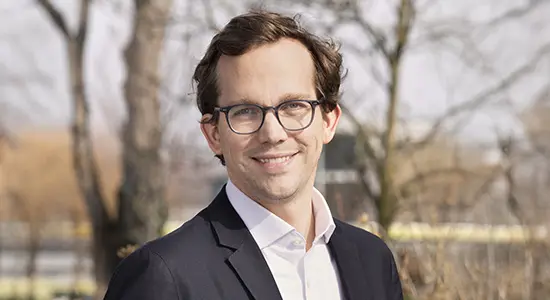
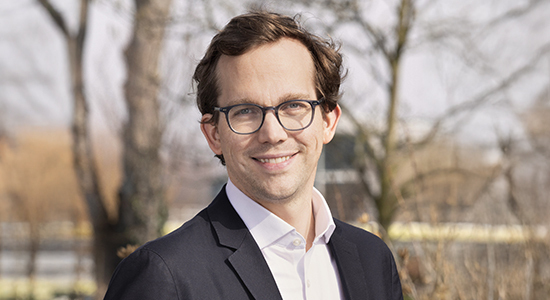
Jakob Thoma, a well-known figure in the sustainable finance space and co-founder of the 2 Degrees Investing Initiative (2DII), noted that the most pervasive topic of conversation this year was not policy, but the increasing frequency of redundancies and the industry’s failure to adequately support those affected.
A Taxonomy of Professional Reaction to Redundancy
The contraction of the ESG labor market has revealed deep-seated cultural issues within the sustainable finance community. Observations from the field suggest that the industry’s response to unemployed peers can be categorized into four distinct behavioral profiles, reflecting a lack of cohesion and genuine solidarity.
The Exclusionary Avoidance (The "Leper" Profile)
The first profile involves treating those who have lost their jobs as social pariahs. In professional networking environments like PRI in Person, this manifests as individuals actively avoiding conversation with unemployed peers. This behavior stems from a transactional view of networking, where time spent with someone without a current institutional affiliation is perceived as "wasted time." There is also a psychological element of "contagion," where the sight of redundancy serves as an uncomfortable reminder of the precariousness of one’s own position.
The Professional Voyeur
The second category involves individuals who engage with the news of job loss as a form of gossip or "voyeurism." For these professionals, the misfortune of others serves as a source of relief—confirmation that they have been spared in the latest round of cuts. While their interest may mimic empathy, it is often a self-serving mechanism used to navigate the "vertigo" of a volatile market.
The Deflectors (See No Evil, Speak No Evil)
The third group consists of professionals who acknowledge the individual but immediately pivot the conversation back to technical subject matter. Rather than addressing the human element of a peer’s job loss, they shift focus to transition plans, nature-based solutions, or climate strategies. While this can be interpreted as a well-meaning attempt to avoid dwelling on a painful subject, it often functions as a refusal to acknowledge the systemic economic pressures facing the industry.
The Performative Ally
The final profile is the "ally," who offers verbal support and promises of networking assistance. While this is the most constructive of the four behaviors, it is often criticized for being performative. The gap between saying "let me put you in touch with someone" and actually following through is significant. In many cases, these offers of help are a social lubricant rather than a committed action plan.
Contextualizing the ESG Market Correction: Data and Trends
The shift in professional sentiment is grounded in tangible market data. The "ESG boom" of 2020-2021, characterized by a massive influx of capital and a hiring frenzy, has given way to what some analysts call the "ESG Winter."
According to Morningstar data, ESG funds experienced their first-ever net quarterly outflows in late 2023 and early 2024, particularly in the United States. This cooling of investor sentiment has led to a consolidation of ESG teams within major financial institutions. Furthermore, the "anti-ESG" movement in the U.S.—led by several state treasurers and political figures—has forced many firms to scale back their public sustainability commitments, a phenomenon known as "green-hushing." This political pressure has direct implications for headcount in sustainability departments.
A report from a leading executive search firm indicated that while "green jobs" in the broader economy continue to grow, specialized "ESG roles" in the financial services sector have seen a 15% decrease in job postings year-over-year. This contraction is particularly acute for mid-to-senior level professionals who entered the field during the peak of the hype cycle.
The "Lifer" vs. the New Entrant: A Growing Divide
The current labor crisis in sustainable finance also highlights a generational and experiential divide. "Lifers"—those who have been in the sector for two decades or more—often view the current downturn as a necessary market correction. However, for the thousands of professionals who transitioned into ESG from traditional finance or policy roles in the last five years, the sudden lack of stability is a jarring reversal of fortune.
Jakob Thoma, self-identifying as a "lifer," noted the harsh reality of the current market: the industry currently has more people wanting to work in it than available roles. This oversupply of talent has shifted the power dynamic back to employers, making genuine allyship among peers more difficult to sustain as competition for limited roles intensifies.
Chronology of the ESG Professional Cycle
To understand the current malaise, it is necessary to look at the timeline of the industry’s professional development over the last five years:
- 2019-2020: The Mainstream Pivot. Following the launch of the EU Action Plan on Financing Sustainable Growth, major banks and asset managers began aggressive hiring for ESG specialists.
- 2021: The Peak Hype. COP26 in Glasgow served as a catalyst for massive net-zero commitments. ESG roles were among the most sought-after in finance, with significant salary premiums.
- 2022: The First Headwinds. The invasion of Ukraine and the subsequent energy crisis forced a re-evaluation of ESG metrics, particularly regarding defense and fossil fuels. The anti-ESG movement began gaining legislative traction in the U.S.
- 2023: Rationalization and Redundancy. Financial institutions began integrating ESG into generalist roles rather than maintaining large standalone teams. High-profile layoffs at climate-tech firms and sustainability consultancies became more common.
- 2024: The Amsterdam Realization. The PRI in Person conference highlighted the personal toll of these trends, with the "human cost" of the industry’s evolution becoming a primary, albeit quiet, theme.
Analysis of Implications: Toward a "Just Transition" for Professionals
The irony of the current situation is not lost on industry veterans. The sustainable finance industry frequently advocates for a "Just Transition"—the idea that the shift to a green economy should not leave workers behind. However, the industry appears to be failing to apply these principles to its own workforce.
The professional crisis suggests that the sustainable finance sector is entering a "maturity phase." In this phase, the novelty of ESG has worn off, and it is being treated like any other financial discipline—subject to the same cost-cutting measures and cyclical downturns. For the workforce, this means that the "mission-driven" nature of the work no longer provides a shield against market realities.
The best advice emerging from the Amsterdam conversations for those wishing to be true allies was a simple, stakeholder-centric approach: "Ask what would help." Rather than offering platitudes or performative networking, professionals are encouraged to consult directly with their displaced peers to identify whether they need harsh truths about career changes, specific introductions, or simply a space to discuss their next steps without judgment.
As the industry continues to navigate political and economic headwinds, the strength of its internal community will be tested. If the sustainable finance sector cannot foster a culture of genuine support and professional integrity during times of contraction, its claims of promoting a more equitable and resilient global economy may ring hollow. The "big mistake" identified by observers in Amsterdam is not the market correction itself, but the failure of the community to maintain its humanity as it matures.
