

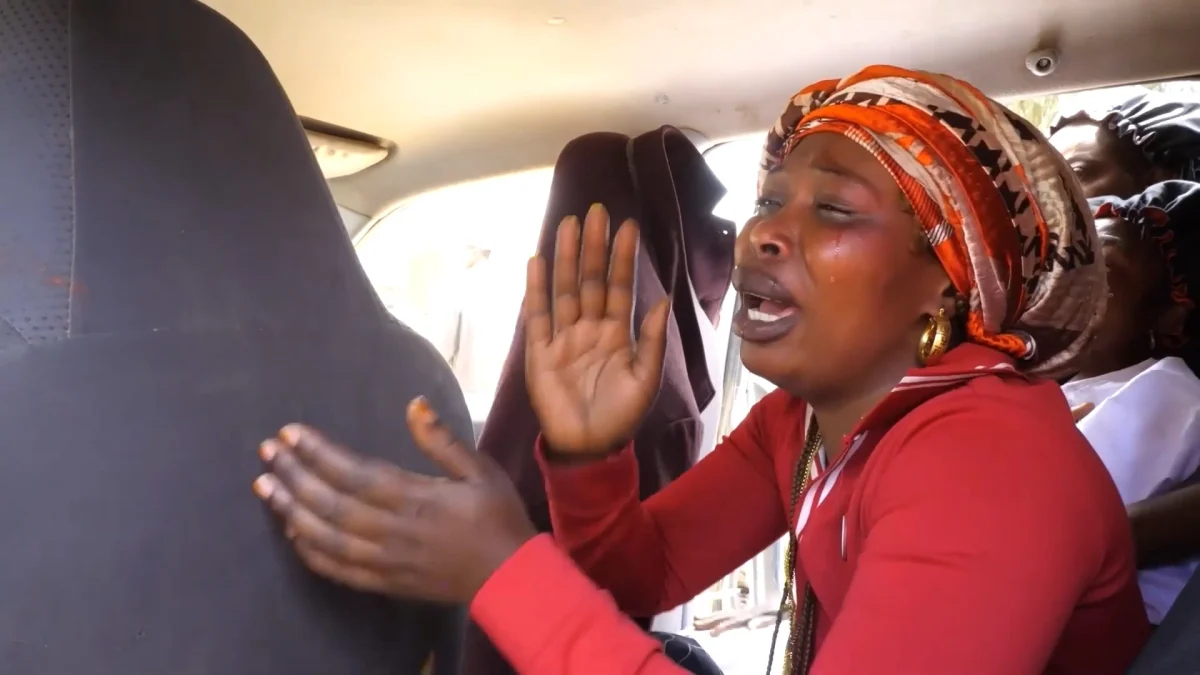
Kinshasa, Democratic Republic of Congo – The Democratic Republic of Congo (DRC) today laid to rest Dr. Jean-Pierre Mboyo, a prominent Deputy Minister of Health, whose life was tragically cut short in what authorities describe as a targeted assassination. The funeral, held on October 1, 2026, drew hundreds of mourners, including high-ranking government officials, international dignitaries, health professionals, and grieving family members, to a somber ceremony that underscored the perilous challenges faced by those working to combat public health crises in the volatile nation. Dr. Mboyo, aged 54, was a vocal and steadfast defender of the government’s often-criticized response to the recurring Ebola virus disease (EVD) outbreaks, advocating tirelessly for vaccination, community engagement, and the eradication of misinformation, a stance that many believe ultimately cost him his life.
The solemn proceedings commenced in Kinshasa, where a state funeral was held at the Palais du Peuple, the national parliament building, before his remains were transported for burial in his ancestral village in Équateur province. President Félix Tshisekedi, visibly shaken, led the tributes, describing Dr. Mboyo as a "patriot and a martyr for public health," whose dedication to saving lives in the face of immense adversity would not be forgotten. Eulogies highlighted Mboyo’s unwavering commitment to public service, particularly his courage in venturing into conflict-ridden areas of eastern DRC to champion the Ebola response, often at great personal risk. The atmosphere was heavy with a mix of profound grief and palpable anger, as speakers and attendees alike called for swift justice and an end to the violence that continues to plague the nation.
A Life Dedicated to Public Health in Perilous Times
Dr. Jean-Pierre Mboyo rose through the ranks of the Congolese health ministry, earning a reputation as a pragmatic and fearless leader. His career spanned several critical periods for public health in the DRC, including the fight against HIV/AIDS, malaria, and recurring outbreaks of measles and cholera. However, it was his prominent role in the nation’s response to the devastating Ebola outbreaks, particularly the 10th and 11th outbreaks, that brought him both national recognition and, ultimately, into harm’s way.
The 10th Ebola outbreak, declared in August 2018 in North Kivu and Ituri provinces, proved to be one of the most complex and deadly in history, claiming over 2,200 lives before it was declared over in June 2020. This outbreak unfolded in a region wracked by decades of armed conflict, political instability, and profound community mistrust in government and external aid organizations. Dr. Mboyo was at the forefront of the government’s efforts, tasked with bridging the gap between scientific interventions and deeply skeptical communities. He consistently championed the efficacy and safety of the rVSV-ZEBOV vaccine, a critical tool in containing the spread, often personally visiting villages where resistance was highest to engage in dialogue, dispel myths, and encourage vaccination.
His advocacy was not limited to scientific explanations. He frequently appeared on national and local media, passionately defending the government’s strategies, which included large-scale vaccination campaigns, safe and dignified burials, and robust contact tracing. He argued that despite operational challenges, the response, supported by international partners like the World Health Organization (WHO) and Médecins Sans Frontières (MSF), was the only path to saving lives. This often put him at odds with political opposition figures who criticized the government’s overall handling of the crisis, and with local populations influenced by misinformation and conspiracy theories that painted the Ebola response as a foreign imposition or even a deliberate plot.
The Assassination: A Targeted Act of Violence
The precise details surrounding Dr. Mboyo’s assassination remain under active investigation by Congolese authorities. Initial reports indicate that he was ambushed on the evening of September 28, 2026, while traveling by road in a remote area of North Kivu province, near the town of Beni. This region, infamous for its pervasive insecurity, is a stronghold for numerous armed groups, including the Allied Democratic Forces (ADF), a militant group with alleged ties to ISIS, and various Mai-Mai militias. According to eyewitness accounts from his security detail, who reportedly engaged in a brief firefight with the assailants, Dr. Mboyo’s vehicle was targeted by heavily armed men who emerged from the dense forest. He was reportedly killed instantly, while two of his security personnel sustained injuries.
While no group has yet claimed responsibility for the attack, the incident bears the hallmarks of a targeted killing intended to destabilize the region and undermine governmental authority. Security analysts suggest several potential motives:
- Retaliation for Ebola Response: Dr. Mboyo’s unwavering stance against misinformation and his push for vaccination and public health measures may have angered elements within communities or armed groups who exploited the Ebola crisis for their own agendas, including controlling lucrative illegal mining or extorting local populations.
- Political Destabilization: The assassination of a high-profile government official could be an attempt to sow chaos, discredit the current administration, or create a climate of fear ahead of future elections.
- General Insecurity: The eastern DRC is a theater of protracted conflict, and government officials are frequently targets of various armed groups seeking to assert dominance or extract concessions.
The killing sent shockwaves through the DRC, triggering widespread condemnation and renewed calls for improved security in the eastern provinces.
A Chronology of Violence Against Health Efforts in DRC
Dr. Mboyo’s assassination is not an isolated incident but rather a tragic escalation in a disturbing pattern of violence directed at health workers and facilities during Ebola outbreaks in the DRC. The 10th Ebola outbreak, in particular, was characterized by unprecedented levels of insecurity:
- August 2018: 10th Ebola outbreak declared in North Kivu.
- February 2019: An Ebola treatment center (ETC) in Katwa, North Kivu, was attacked by armed assailants, resulting in the death of a police officer and injuries to health workers.
- March 2019: Another ETC in Butembo was attacked, leading to the death of a doctor and further injuries. These attacks often forced the suspension of critical operations like vaccination and contact tracing.
- April 2019: WHO epidemiologist Dr. Richard Mouzoko was killed during an attack on an ETC in Butembo. This incident underscored the extreme risks faced by international and local health personnel.
- Throughout 2019-2020: Hundreds of attacks and threats against health workers and facilities were recorded, often fueled by community mistrust, political manipulation, and the presence of armed groups. These attacks included physical assaults, destruction of equipment, and intimidation.
- June 2020: The 10th Ebola outbreak was declared over, but the underlying security issues persisted.
- February 2021: A new Ebola resurgence was declared in North Kivu, highlighting the persistent threat and the vulnerability of the region.
- August 2021 – October 2022: The 14th Ebola outbreak in North Kivu also saw incidents of community resistance, though less widespread violence than the 10th.
- Late 2025 – Early 2026: Reports of renewed tensions and isolated incidents of threats against health officials intensified as the government continued its health programs, including efforts to strengthen routine immunization and preparedness for future outbreaks.
This chronology illustrates a grim reality: public health efforts in eastern DRC are inextricably linked to the region’s broader security crisis, making the work of individuals like Dr. Mboyo profoundly dangerous.
National and International Outcry
The assassination of Dr. Mboyo has triggered a torrent of condemnation from both within the DRC and across the international community.
- President Félix Tshisekedi declared a period of national mourning, ordering flags to be flown at half-mast. In a televised address, he vowed that the government would spare no effort to apprehend those responsible for the "cowardly and barbaric act" and bring them to justice. He reaffirmed the state’s commitment to ensuring the safety of all its citizens, particularly those on the front lines of public service.
- Dr. Jean-Jacques Mbungani Mbanda, Minister of Public Health, Hygiene and Prevention, expressed profound sorrow, stating that Dr. Mboyo’s death was a "devastating blow to the nation’s health sector" and a stark reminder of the sacrifices made by dedicated professionals. He called on communities to reject violence and support public health initiatives.
- The World Health Organization (WHO) issued a strong statement condemning the assassination, calling it "an unacceptable attack on public health and humanitarian efforts." Dr. Tedros Adhanom Ghebreyesus, WHO Director-General, reiterated the call for the protection of all health workers, emphasizing that such violence impedes critical life-saving interventions and exacerbates human suffering.
- The United Nations Secretary-General António Guterres also released a statement, expressing his deep concern over the escalating violence in eastern DRC and urging Congolese authorities to conduct a thorough investigation. He stressed the importance of protecting civilians, including government officials and humanitarian workers, who are crucial for stability and development.
- Médecins Sans Frontières (MSF), a humanitarian organization with extensive operations in the DRC, lamented the loss, highlighting the climate of fear and insecurity that hinders humanitarian access and effective health interventions. They called for an end to impunity for crimes against those working to save lives.
- Dr. Mboyo’s family, speaking through a representative, appealed for calm and justice, describing him as a loving husband and father who was deeply committed to his country. They urged the government to fulfill its promise of a thorough investigation and to enhance security for public servants.
- Civil society organizations and human rights groups within the DRC have voiced outrage, demanding accountability and lamenting the chilling effect such violence could have on political engagement and public advocacy. They underscored the need for comprehensive security sector reform and greater protection for human rights defenders and public officials operating in high-risk areas.
Implications for Public Health and Stability
The assassination of Dr. Jean-Pierre Mboyo carries profound implications for the DRC, impacting not only its public health agenda but also its broader political stability and social cohesion.
- Deterrent to Public Service: The most immediate impact is the potential for a chilling effect on other dedicated public servants. The killing of a high-profile official sends a dangerous message that commitment to duty, especially in challenging environments, can be met with deadly force. This could deter qualified individuals from taking on critical roles, particularly in sensitive sectors like health and security.
- Undermining Health Campaigns: Dr. Mboyo was a key figure in building trust and promoting vital health interventions. His death risks further eroding confidence in government health programs, especially in regions where misinformation and skepticism are already prevalent. This could severely hamper ongoing efforts against diseases like measles, cholera, and future Ebola outbreaks, as well as the national COVID-19 vaccination drive.
- Exacerbation of Insecurity: The incident underscores the persistent and pervasive insecurity in eastern DRC. If left unaddressed, such targeted killings could embolden armed groups and further destabilize the region, making it even more challenging for the government and its partners to deliver essential services and maintain order.
- Threat to Democratic Governance: The assassination of a government minister is an attack on the very fabric of democratic governance. It challenges the state’s ability to protect its officials and enforce the rule of law, potentially weakening public trust in institutions and creating a fertile ground for political instability.
- Impact on International Aid and Partnerships: While the international community has condemned the act, a sustained pattern of violence against officials and humanitarian workers could complicate future aid efforts and partnerships. International organizations often face difficult decisions regarding the safety of their personnel, and increased insecurity could lead to reduced operational capacity in critical areas.
- Reinforcing Distrust: The killing could deepen the existing chasm of distrust between the government and local communities, particularly if the perpetrators are not swiftly brought to justice. This distrust is a significant barrier to effective public health and development initiatives.
The Path Forward
In the wake of this tragedy, the DRC faces an arduous path. The government has pledged to intensify efforts to bring peace and security to its eastern provinces, vowing to dismantle armed groups and strengthen state authority. This includes enhancing intelligence gathering, improving the capacity of its security forces, and fostering greater collaboration with regional partners.
Crucially, there is a renewed call for strengthening community engagement and dialogue as a cornerstone of both security and public health strategies. Building trust, combating misinformation, and ensuring that local communities are active participants in decision-making processes are seen as vital to preventing future violence and ensuring the success of health interventions.
The international community is expected to maintain its support for the DRC, but with an emphasis on integrated approaches that address both the immediate health crises and the underlying drivers of conflict and instability. This includes continued humanitarian assistance, technical support for health systems, and diplomatic pressure to promote peace and accountability.
Dr. Jean-Pierre Mboyo’s funeral serves as a poignant reminder of the profound human cost of conflict and the immense courage required to serve in the face of such adversity. His legacy, mourners hope, will inspire a renewed determination to overcome the complex challenges that continue to impede the DRC’s journey towards peace, stability, and improved public health for all its citizens.
