

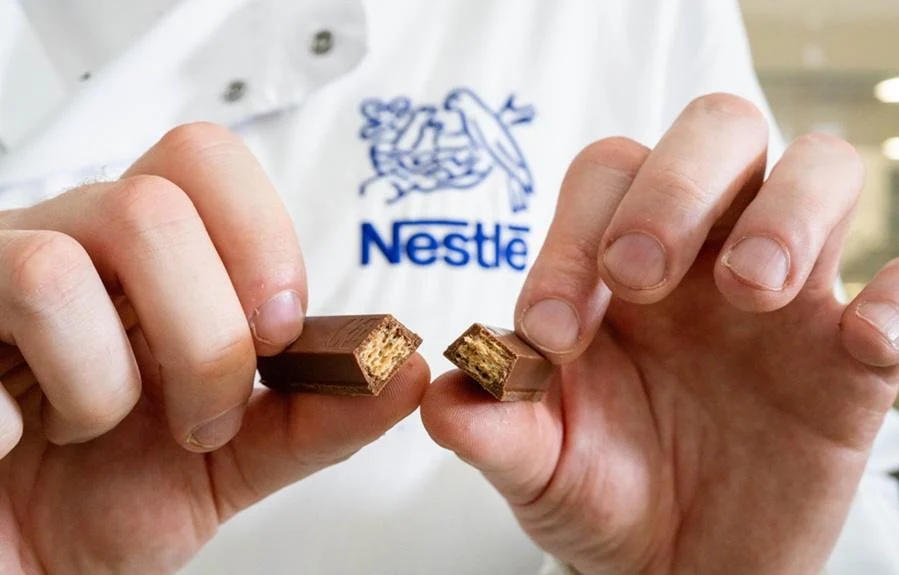
The global food and beverage conglomerate Nestlé has entered into a strategic partnership with Wildfarmed, a United Kingdom-based regenerative agriculture organization, to transform the supply chain for one of the world’s most recognizable confectionery brands. Under this new agreement, Nestlé will begin incorporating regeneratively farmed wheat into the production of KitKat bars manufactured at its facility in York, England. This move marks a significant shift in large-scale food production, as the partnership aims to integrate sustainable agricultural practices into a high-volume commercial product line, totaling approximately 1.5 billion KitKat bars annually.
The initiative represents a cornerstone of Nestlé’s broader environmental, social, and governance (ESG) strategy. By transitioning to wheat grown through regenerative methods, the company seeks to address the significant environmental footprint associated with industrial grain production. The York factory, which serves as the primary hub for KitKat production in the U.K., has already begun the process of integrating Wildfarmed’s flour into its standard manufacturing workflows following a series of rigorous industrial trials.
The Principles and Mechanics of Regenerative Agriculture
Regenerative agriculture is a holistic land management practice that goes beyond traditional "sustainable" farming by actively seeking to restore and enhance the health of the ecosystem. Unlike conventional industrial farming, which often relies on heavy chemical inputs and intensive tilling, regenerative agriculture focuses on the biological health of the soil as the foundation for a resilient food system.
The partnership with Wildfarmed is built upon several core regenerative principles. First among these is the minimization of soil disturbance. Conventional plowing can degrade soil structure and release stored carbon into the atmosphere. By utilizing "no-till" or "low-till" methods, farmers maintain the integrity of the soil microbiome. Second, the practice emphasizes year-round soil cover. Planting cover crops during the off-season prevents erosion, suppresses weeds naturally, and ensures that living roots continue to feed soil organisms.
Furthermore, the Wildfarmed method encourages increased crop diversity. Instead of vast monocultures, farmers are encouraged to integrate different plant species, which breaks pest cycles and improves the nutrient profile of the land. These practices collectively contribute to enhanced biodiversity, improved water filtration, and a significant reduction in the need for synthetic fertilizers and pesticides. From a climate perspective, healthy soil acts as a massive carbon sink, sequestering atmospheric CO2 and helping food producers mitigate their Scope 3 emissions—the indirect emissions that occur in a company’s value chain.
Chronology of the Nestlé and Wildfarmed Collaboration
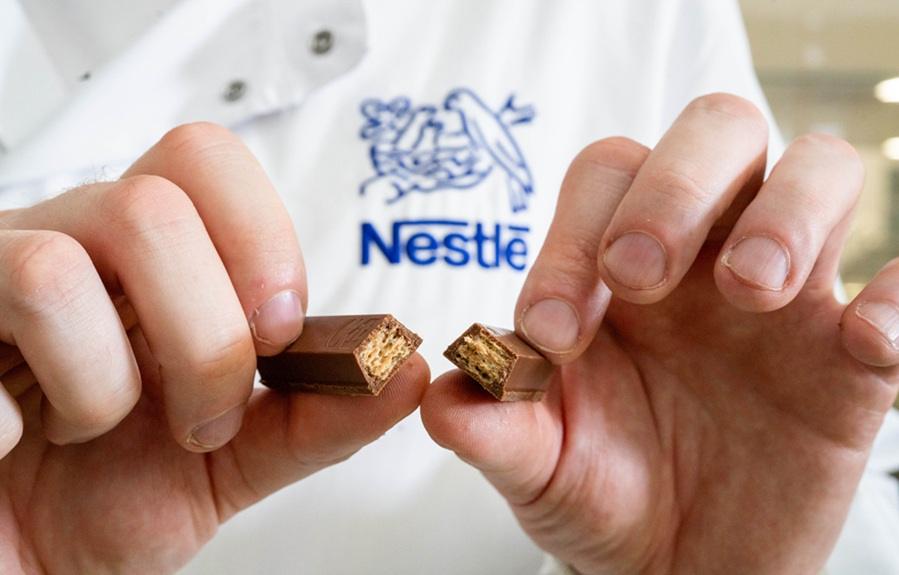
The transition to regeneratively farmed wheat did not happen overnight but was the result of a phased approach designed to ensure that the quality and consistency of the final product remained unchanged. The partnership began in earnest in 2025 with a series of small-scale feasibility studies. These studies were necessary to determine if wheat grown under Wildfarmed’s specific regenerative standards could meet the technical specifications required for the wafer component of the KitKat bar.
In late 2025 and early 2026, the collaboration moved into a "commercial trial" phase at the York manufacturing site. During this period, Nestlé’s research and development teams tested the milling and baking properties of the regenerative flour. The goal was to ensure that the iconic "snap" and texture of the KitKat wafer would not be compromised by the change in raw material sourcing.
Following the success of these trials, Nestlé confirmed in June 2026 that it would scale up the partnership to cover the entire volume of wheat required for the 1.5 billion bars produced in York. This represents a major milestone in the timeline of the U.K.’s agricultural transition, as it provides a guaranteed market for farmers who have committed to the Wildfarmed regenerative standards.
Wildfarmed’s Role in Reforming the British Grain Market
Wildfarmed was founded in 2018 by Andy Cato, George Lamb, and Edd Lees with the goal of making regenerative flour accessible to the mass market. The organization operates as a bridge between independent British farmers and large-scale buyers. By establishing a clear set of regenerative standards, Wildfarmed provides farmers with the technical support and financial security needed to move away from chemical-intensive systems.
Edd Lees, CEO and co-founder of Wildfarmed, highlighted the scale of the impact during the announcement. He noted that the production of 1.5 billion KitKat bars represents a massive lever for change. By securing a partnership with an "iconic brand," Wildfarmed is demonstrating that regenerative agriculture is no longer a niche or "boutique" movement but a viable solution for global supply chains. The organization’s mission is to make these practices the "default" rather than the exception, ensuring that nature restoration is baked into the economics of food production.
For the farmers within the Wildfarmed network, the partnership offers a premium over conventional wheat prices, reflecting the additional care and ecological services provided by regenerative management. This economic incentive is crucial for the long-term viability of the transition, as it helps offset the initial risks and potential yield variations associated with changing farming methods.

Data and Environmental Context
The environmental stakes of this transition are substantial. Agriculture is currently responsible for approximately 25% of global greenhouse gas emissions, with a significant portion of that coming from soil degradation and the production of synthetic nitrogen fertilizers. In the United Kingdom, arable land has faced decades of declining soil organic matter, which reduces the land’s ability to hold water and increases the risk of runoff and local water pollution.
According to data from the Regenerative Agriculture Framework, healthy soils managed under these principles can sequester between 0.5 and 1.5 tonnes of carbon per hectare annually. When applied across the thousands of hectares required to supply Nestlé’s York factory, the cumulative impact on the company’s carbon footprint is significant. Nestlé has set a global target to source 50% of its key ingredients from farmers using regenerative agriculture by 2030. This KitKat initiative serves as a primary case study in how the company intends to reach its 2050 net-zero goal.
Furthermore, the reduction in synthetic inputs has a direct positive impact on local biodiversity. Studies on regenerative farms have shown a marked increase in pollinator populations, such as bees and butterflies, as well as an increase in farmland bird species. By creating a more hospitable environment for wildlife, the Wildfarmed-Nestlé partnership contributes to the "Nature Positive" goals that are increasingly becoming a requirement for corporate sustainability reporting.
Official Responses and Strategic Implications
The leadership at Nestlé UK and Ireland has framed this partnership as a necessary evolution of the brand. Dr. Emma Keller, Head of Sustainability at Nestlé UK and Ireland, emphasized that the collaboration allows the company to maintain a product that has been loved for 90 years while modernizing the way it is made. She noted that the initiative is specifically designed to support British wheat farmers, ensuring that the benefits of the transition are felt within the domestic agricultural economy.
Industry analysts suggest that Nestlé’s move could trigger a "domino effect" across the food and beverage sector. When a market leader of Nestlé’s size commits to a specific sourcing standard, it creates the infrastructure and economies of scale that make it easier for smaller competitors to follow suit. This is particularly relevant in the context of the UK’s post-Brexit agricultural policy, which is increasingly focused on "public money for public goods," rewarding farmers for environmental stewardship.
However, the transition is not without challenges. Maintaining consistent yields in a regenerative system requires a high degree of agronomic skill and a willingness to adapt to local soil conditions. There is also the logistical complexity of segregating regeneratively grown wheat from conventional grain throughout the milling and distribution process. Nestlé and Wildfarmed have addressed this by creating a transparent and traceable supply chain, ensuring that the environmental claims made on the packaging are backed by verifiable on-farm data.

Broader Impact and Future Outlook
The implications of the Nestlé-Wildfarmed partnership extend beyond the confectionery aisle. It serves as a proof of concept for the "decarbonization of the pantry." As consumers become increasingly aware of the link between their food choices and the climate crisis, transparency in the supply chain is becoming a competitive advantage.
For Nestlé, this is one piece of a larger global puzzle. The company is currently implementing similar regenerative programs for dairy in the Netherlands, coffee in Vietnam and Brazil, and cocoa in West Africa. The lessons learned from the York KitKat factory will likely inform how Nestlé scales these practices across its other major brands, such as Maggi, Nescafé, and Purina.
As the global food system faces the dual threats of climate change and biodiversity loss, the shift toward regenerative practices is viewed by many experts as a necessity for long-term food security. By restoring soil health today, companies like Nestlé and organizations like Wildfarmed are attempting to ensure that the land remains productive for the next century of farming. The production of 1.5 billion KitKat bars with regeneratively farmed wheat is a tangible step toward a future where large-scale food manufacturing and ecological restoration are no longer mutually exclusive.
