

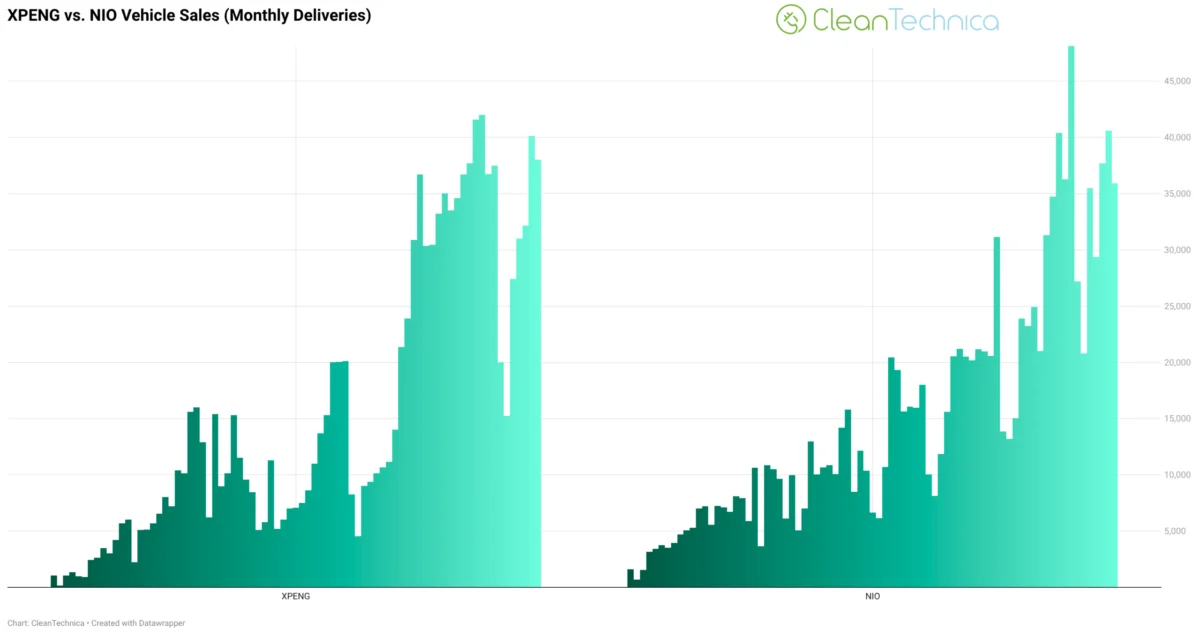
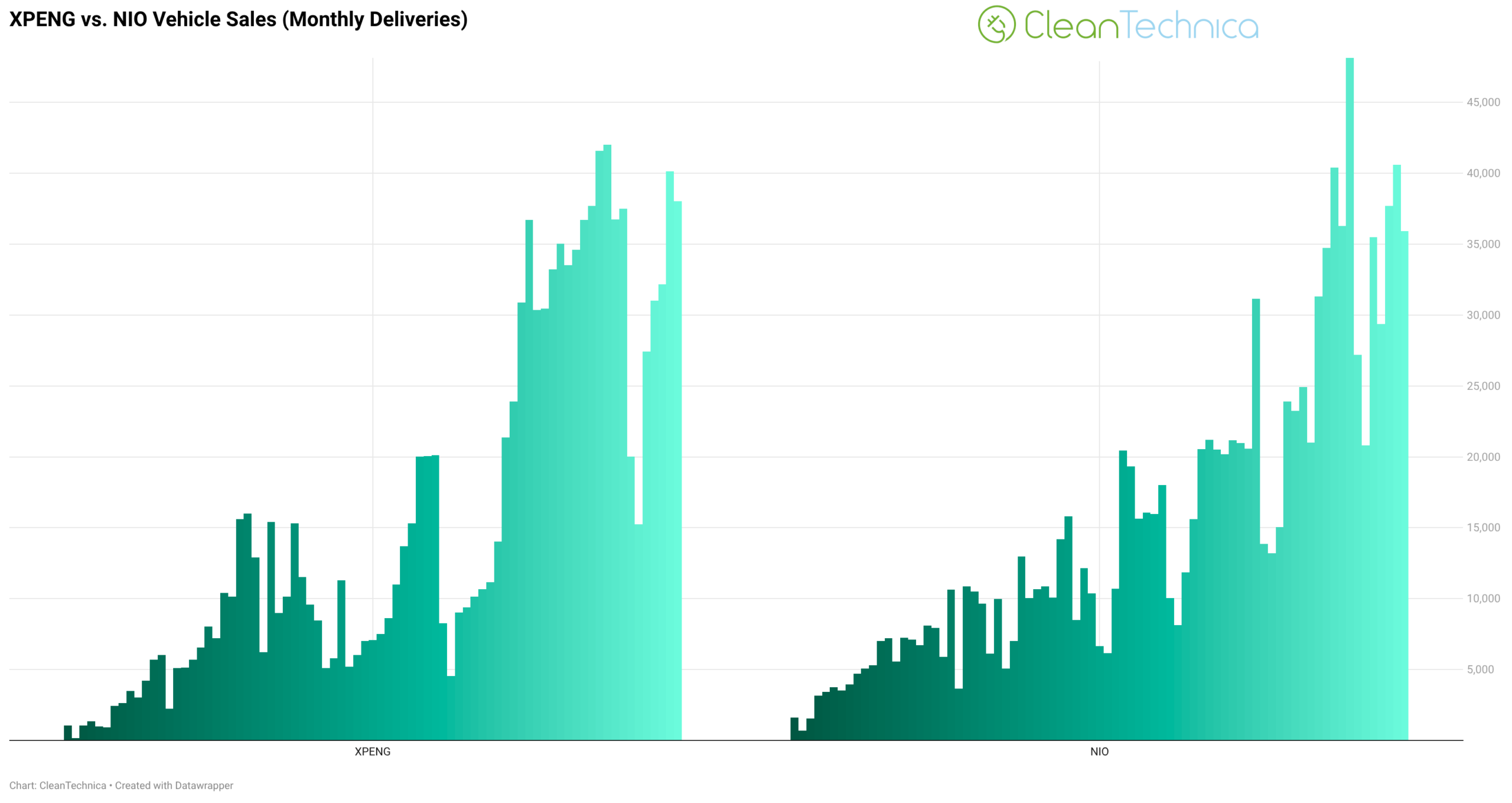
The Chinese electric vehicle manufacturer XPENG has announced its delivery results for July 2026, revealing a period of modest year-over-year growth and a significant push toward international market penetration. According to official data released by the Guangzhou-based company, XPENG delivered 38,027 vehicles in July 2026, representing a 4% increase compared to the 36,717 units delivered during the same month in 2025. This performance comes at a critical juncture for the automotive industry in China, which has been grappling with a broader contraction in total vehicle sales and intensifying price competition among domestic and international manufacturers.
While the monthly growth remains positive, the company’s year-to-date performance reflects the volatility of the current market. For the first seven months of 2026, XPENG recorded a total of 204,004 vehicle sales. This figure indicates a decline of approximately 12.8% when compared to the 233,906 units sold during the equivalent period in 2025. Despite this year-to-date deficit, industry analysts and company representatives suggest that the gap could be narrowed or closed during the final five months of the year, historically a period of higher consumer demand in the Chinese automotive sector. Furthermore, the company reached a significant corporate milestone in July, with its cumulative vehicle deliveries since inception surpassing 1.21 million units.
Strategic Global Expansion and the L03 Launch
A central pillar of XPENG’s 2026 strategy is its aggressive pivot toward international markets. On July 16, 2026, the company hosted its high-profile Brand Day and the global launch event for the L03 model in Munich, Germany. The L03 is positioned as a cornerstone of XPENG’s international ambitions, designed to meet the rigorous safety and performance standards of the European and North American markets. XPENG has confirmed that the L03 will be introduced to 65 countries and regions by the end of the calendar year, marking one of the most rapid global rollouts by a Chinese electric vehicle (EV) startup to date.

The choice of Munich for the L03 launch underscores XPENG’s intent to compete directly with established European luxury and performance brands on their home turf. By establishing a foothold in Germany, the company aims to validate its "Smart EV" credentials through superior software integration and autonomous driving capabilities. The expansion strategy is not limited to Europe; XPENG has also detailed a comprehensive long-term plan for the Australian market. This strategy includes the launch of five all-new models in Australia during the second half of 2026, supported by a growing infrastructure of local sales and service centers to ensure long-term brand loyalty and consumer confidence.
Technological Advancements in Intelligent Driving
XPENG continues to distinguish itself through its focus on software-defined vehicles. A key highlight of the July investor update was the announcement regarding the Next Generation Pilot (NGP) system. Powered by the proprietary VLA (Vision-Language-Action) 2.0 model, the NGP system represents a significant leap in artificial intelligence-driven navigation. The company intends to begin a global rollout of the VLA 2.0-powered NGP in 2027.
The VLA 2.0 model is designed to enhance the vehicle’s ability to perceive complex environments and make human-like decisions in real-time. Unlike traditional Advanced Driver Assistance Systems (ADAS) that rely heavily on pre-mapped data, the new model utilizes advanced computer vision and machine learning to navigate unmapped or poorly marked roads. This technological trajectory is essential for XPENG as it seeks to maintain its reputation as a leader in the "Smart EV" segment, a niche that includes rivals such as NIO and Tesla.
Comparative Market Performance: XPENG vs. NIO
The rivalry between XPENG and NIO remains a focal point for market observers, as both companies were founded around the same time and target the premium intelligent EV segment. In July 2026, NIO reported a year-over-year sales increase of 71%, a figure that superficially suggests a stronger growth trajectory than XPENG’s 4%. However, a closer examination of the absolute volume reveals a more nuanced competitive landscape.
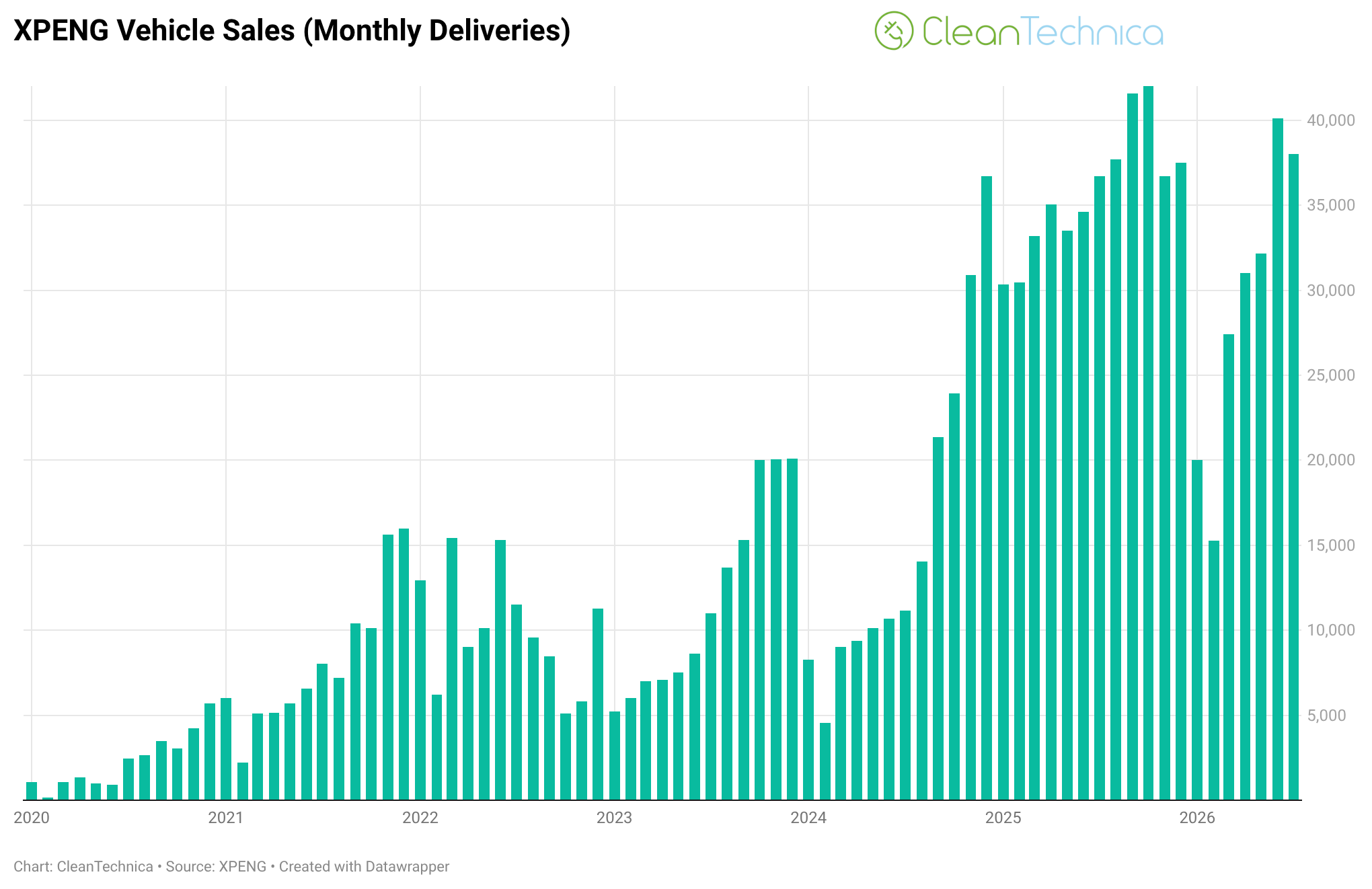
NIO’s July deliveries totaled 35,934 units, which, despite the high percentage growth, remained lower than XPENG’s 38,027 units. The disparity in growth percentages is largely attributed to the "base effect"; in July 2025, XPENG was already performing at a high volume of 36,717 units, whereas NIO’s base for that same month was significantly lower at 21,017 units. Both companies have demonstrated the capacity to exceed 40,000 deliveries per month, a feat they achieved in June 2026. The ability of both firms to maintain or exceed this 40,000-unit threshold in the coming months will be a primary indicator of their resilience against the broader Chinese market downturn.
Environmental Impact and Corporate Sustainability
Beyond sales figures and software updates, XPENG has emphasized its contribution to global decarbonization efforts. The company reported that its electric vehicles delivered between January and July 2026 are projected to reduce life-cycle greenhouse gas emissions by more than 3.23 million tons when compared to traditional internal combustion engine (ICE) vehicles. To provide a relatable metric for this data, XPENG noted that this reduction is equivalent to the carbon sequestration capacity of approximately 53.75 million young trees over a ten-year period.
This focus on sustainability is increasingly important as global regulators, particularly in the European Union, implement stricter ESG (Environmental, Social, and Governance) reporting requirements for automotive manufacturers. By quantifying its environmental impact, XPENG is positioning itself not only as a technology provider but as a critical player in the transition to a low-carbon economy.
Chronology of Key Events in 2026
To understand the context of the July sales figures, it is necessary to look at the sequence of events that shaped XPENG’s performance in the first half of the year:
- January – March 2026: XPENG faced headwinds due to the expiration of certain regional subsidies in China, leading to a slower-than-expected first quarter. The company focused on inventory management and preparing for the L03 production ramp-up.
- April 2026: The company announced a strategic partnership with global semiconductor firms to secure the supply of high-performance chips required for the VLA 2.0 model.
- June 2026: Both XPENG and NIO saw a surge in domestic demand, with both companies surpassing 40,000 monthly deliveries. This was driven by mid-year promotional campaigns and the release of software updates that improved battery efficiency in high-temperature conditions.
- July 16, 2026: The Munich Brand Day served as the official starting gun for the company’s 65-country expansion plan.
- Late July 2026: XPENG finalized its Australian distribution network agreements, setting the stage for the five-model launch scheduled for Q3 and Q4.
Analysis of Implications and Future Outlook
The 4% year-over-year growth in July, while modest, is significant when viewed against the backdrop of the "significant drop in overall auto sales in China" mentioned in the report. The Chinese market has reached a state of high saturation in Tier 1 cities, forcing manufacturers to look toward Tier 3 and 4 cities, as well as international exports, to maintain growth.
XPENG’s decision to launch the L03 in 65 countries suggests a realization that domestic volume alone may no longer be sufficient to sustain the massive R&D expenditures required for autonomous driving technology. By diversifying its revenue streams across different geographic regions, XPENG can hedge against localized economic downturns in the Chinese market.
However, the international expansion is not without risks. Increasing trade tensions and the potential for new tariffs on Chinese-made EVs in various Western markets could impact XPENG’s pricing strategy and profit margins. The company’s heavy investment in the VLA 2.0 model and the NGP system also places a premium on its ability to successfully monetize software features—a transition that many traditional automakers have struggled to navigate.
As the industry moves into August and the subsequent "Golden September, Silver October" peak sales months in China, the focus will be on whether XPENG can leverage its new global models to regain the momentum seen in 2025. With cumulative sales now exceeding 1.2 million, the company has transitioned from a niche startup to a major institutional player in the global EV landscape. The success of the L03 and the reception of the NGP system in international markets will likely determine if XPENG can successfully bridge the gap in its year-to-date sales and set new records for the 2026 fiscal year.
