

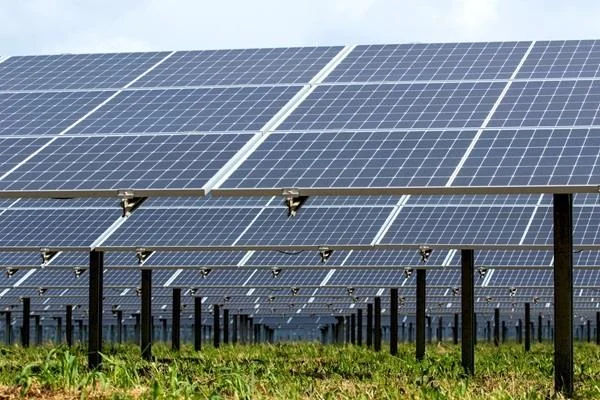
In a significant move that underscores the accelerating momentum of the European energy transition, Sonnedix, the London-based global renewable energy producer, has successfully finalized a financing agreement worth €730 million (approximately USD $840 million). This substantial capital injection is earmarked for a multi-pronged strategy involving the refinancing, optimization, and construction of renewable energy assets across the "Sun Belt" of Southern Europe, specifically targeting France, Italy, Portugal, and Spain. The deal represents one of the largest mid-year renewable energy financings in the region, signaling robust investor confidence in utility-scale solar and battery storage technologies despite broader macroeconomic fluctuations.
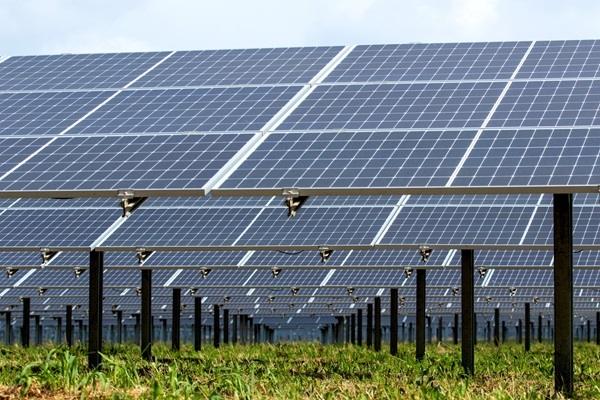
Founded in 2009, Sonnedix has evolved from a solar-focused developer into a diversified global renewable energy platform. This latest financial milestone is designed to support a combined portfolio of approximately 540MW of photovoltaic (PV) capacity. Crucially, the financing also covers the development of two battery energy storage system (BESS) assets, marking a pivotal shift in the company’s operational strategy toward "hybridization"—the integration of storage solutions with generation assets to ensure a more stable and dispatchable supply of clean electricity.
Strategic Allocation and Regional Focus
While the financing spans four major European markets, the lion’s share of the activity will be concentrated in Italy. According to company disclosures, approximately 350MW of the total 540MW portfolio is situated in the Italian market. This focus aligns with Italy’s ambitious National Energy and Climate Plan (NECP), which seeks to significantly increase the share of renewables in the national electricity mix by 2030. The Italian portfolio includes a mix of existing operational plants requiring optimization and new greenfield projects ready for construction.
The remaining 190MW of capacity is distributed across Spain, France, and Portugal. Each of these markets presents unique opportunities and regulatory landscapes. Spain continues to be a cornerstone of the European solar market due to its high irradiance levels and mature PPA (Power Purchase Agreement) market. France, meanwhile, offers a stable regulatory environment with increasing tenders for renewable capacity as the country seeks to balance its nuclear-heavy grid with decentralized green energy. Portugal, though smaller in landmass, has become a leader in competitive renewable energy auctions and provides a strategic gateway for Sonnedix’s Iberian operations.
The Role of Hybridization and Battery Storage
One of the most notable aspects of this €730 million deal is the inclusion of two BESS assets. This reflects a broader industry trend where renewable energy providers are no longer content with merely generating power during daylight hours. As solar penetration increases across Southern Europe, the "duck curve"—a phenomenon where high solar production during the day leads to a drop in net load followed by a sharp peak in the evening—has become a challenge for grid operators.
By integrating battery storage, Sonnedix can store excess energy produced during peak sunlight hours and discharge it during periods of high demand or low generation. This not only enhances grid stability but also allows the company to capture higher price points in the merchant power market. Axel Thiemann, CEO of Sonnedix, emphasized that this financing follows a recent BESS portfolio acquisition in Italy, highlighting the speed at which the company is scaling its storage capabilities to meet the needs of a modern, decarbonized grid.
A Consortium of Global Financial Leaders
The successful closing of this transaction was made possible by a heavyweight consortium of international and regional financial institutions. The participating banks include AIB, Crédit Agricole Corporate and Investment Bank (CACIB), CIBC, ING, Intesa Sanpaolo, Banco Sabadell, Santander Corporate & Investment Banking (CIB), Société Générale, and UniCredit.
The involvement of such a diverse group of lenders illustrates the maturity of the renewable energy financing market. These institutions are increasingly prioritizing ESG (Environmental, Social, and Governance) criteria in their lending portfolios, and the Sonnedix deal fits perfectly within their mandates to support the European Green Deal. The financing structure is believed to include a mix of term loans and revolving credit facilities, providing Sonnedix with the liquidity needed to transition projects from the "ready-to-build" stage to full commercial operation.
Background Context: The Evolution of Sonnedix
To understand the scale of this deal, it is necessary to look at Sonnedix’s trajectory over the past decade. Since its inception in 2009, the company has grown its footprint to include operations in 10 countries across Europe, the Americas, and Asia. Majority-owned by institutional investors advised by J.P. Morgan Asset Management, Sonnedix has the financial backing to compete with traditional utilities.
Initially focused almost exclusively on solar PV, the company has recently diversified into wind energy and storage. This diversification is a response to the evolving demands of corporate energy buyers. Large corporations are no longer looking for simple "green certificates"; they require sophisticated energy solutions that include 24/7 carbon-free energy, price hedging, and long-term price certainty. Sonnedix’s ability to offer flexible PPAs and hybrid offtake products has made it a preferred partner for multinational corporations seeking to meet their Scope 2 emissions reduction targets.
Chronology of Recent Developments
The €730 million financing does not exist in a vacuum but is part of a rapid-fire series of strategic moves by Sonnedix in 2025 and 2026.
- Late 2025: Sonnedix announces its entry into the Italian BESS market with the acquisition of a significant storage portfolio, signaling its intent to move beyond pure-play solar generation.
- Early 2026: The company completes several utility-scale solar projects in Spain, bringing its total operational capacity in the country to over 1GW.
- Q2 2026: Sonnedix secures a series of corporate PPAs with major European industrial players, guaranteeing long-term revenue streams for its upcoming Southern European projects.
- August 2026: The announcement of the €730 million financing package, providing the necessary capital to execute the next phase of its Mediterranean expansion.
Market Implications and the Energy Transition
The implications of this financing extend far beyond Sonnedix’s balance sheet. For Southern Europe, it represents a tangible step toward energy independence and security. In the wake of the global energy crisis sparked by geopolitical tensions in Eastern Europe, the European Union has doubled down on its REPowerEU plan, which aims to phase out dependence on fossil fuels well before 2030.
The focus on Italy and Spain is particularly relevant. These nations have some of the highest solar potential in the world but have historically faced bureaucratic hurdles in permitting and grid connection. Large-scale financings like the one secured by Sonnedix often act as a catalyst, encouraging regulators to streamline processes to ensure that capital can be deployed efficiently.

Furthermore, the emphasis on "optimization" in this deal is noteworthy. As older solar plants reach the 10-to-15-year mark, "repowering"—the process of replacing older, less efficient panels and inverters with modern technology—becomes a critical way to increase energy yield without requiring additional land. Sonnedix’s plan to optimize its existing assets ensures that every square meter of its current footprint is contributing the maximum possible amount of clean energy to the grid.
Official Responses and Industry Outlook
Axel Thiemann’s statement following the deal highlights the company’s long-term vision: "This financing reflects Sonnedix’s commitment to developing high-quality renewable projects in our strategic markets. It follows our recent BESS portfolio acquisition in Italy and underscores the pace at which we are scaling our storage capabilities across Europe."
Industry analysts view this transaction as a bellwether for the sector. As interest rates begin to stabilize after a period of volatility, the "cost of capital" for renewable projects is becoming more predictable, allowing for larger, more complex financing structures. The success of Sonnedix in assembling a nine-bank consortium suggests that for high-quality sponsors with proven track records, the "green tap" remains wide open.
Looking ahead, the renewable energy sector in Southern Europe is expected to see further consolidation and scaling. Companies that can successfully navigate the complexities of hybridization and multi-market operations, as Sonnedix is doing, will likely dominate the landscape. The €730 million secured today is not just a loan; it is a foundation for a future where clean, stored, and intelligently managed energy is the backbone of the European economy.
Conclusion
By securing €730 million for its Southern European portfolio, Sonnedix has reinforced its position as a titan in the renewable energy space. The deal addresses the three most critical needs of the modern energy market: new generation capacity, the optimization of existing assets, and the vital addition of energy storage. As the 540MW of solar and the new BESS units come online, they will provide a significant boost to the decarbonization efforts of France, Italy, Portugal, and Spain, moving the continent one step closer to its net-zero aspirations. For investors, banks, and corporate offtakers, the message is clear: the energy transition in Southern Europe is not just a policy goal—it is a massive, bankable reality.
