

The modern professional environment has undergone a fundamental transformation, shifting from stationary office desks to fluid, mobile workstations that move between home offices, transit hubs, and corporate headquarters. This shift has created a significant demand for high-performance carryalls that bridge the gap between luxury fashion and technical utility. Among the emerging leaders in this niche is Leatherology, a brand that has garnered attention for its ability to manufacture leather totes designed specifically to safeguard thousands of dollars in technology while maintaining a minimalist, professional aesthetic. Recent evaluations of the brand’s flagship models—the Mia Horizontal Tote, the Transit Travel Tote, and the Large Zippered Downtown Tote—reveal a design philosophy rooted in functional workflows rather than ephemeral fashion trends.
The Evolution of the Professional Carryall
Historically, the professional bag was defined by the rigid briefcase or the unstructured luxury handbag. Neither, however, was optimized for the digital age. As laptops grew larger and more powerful, and as the peripheral ecosystem of chargers, noise-canceling headphones, and tablets expanded, the traditional leather tote often failed under the weight of daily hardware transport. Leatherology’s entry into this market addresses a specific pain point: the need for a bag that offers the durability of industrial gear with the sophistication of premium leather.

The brand’s reliance on semi-aniline, drum-dyed pebbled leather represents a strategic choice in material science. Semi-aniline leather is treated with a light surface coating containing a small amount of pigment, which ensures a more uniform color and adds a layer of protection against wear and tear while retaining the natural characteristics of the hide. This results in a product that feels "broken in" from the first use but possesses the structural integrity required to support the heavy payloads typical of modern tech reviewers and digital professionals.
Comprehensive Analysis of the Leatherology Product Lineup
To understand the impact of Leatherology on the market, one must examine the specific use cases for which their primary models are engineered. Each bag serves a distinct segment of the professional workflow, ranging from casual daily errands to high-stakes international business travel.
The Transit Travel Tote: A Mobile Office for the Frequent Flyer
The Transit Travel Tote is positioned as the most robust offering in the collection, retailing at approximately $465. It is explicitly designed for high-intensity environments, such as airports and long-distance commutes. Its construction includes a dedicated padded laptop sleeve capable of housing a 16-inch device, a critical requirement for power users who rely on large-screen workstations.

The bag’s internal architecture features nine pockets and two zippered compartments, allowing for the precise organization of cables, travel documents, and personal essentials. A notable inclusion is the hidden trolley sleeve, a feature often found in nylon utility bags but rarely integrated so seamlessly into premium leather goods. This allows the tote to be secured to rolling luggage, reducing physical strain during transit. Furthermore, the inclusion of both short leather handles and longer shoulder straps provides ergonomic versatility, an essential factor when the bag is fully loaded with tech gear.
The Large Zippered Downtown Tote: The Versatile Workhorse
Retailing at $285, the Large Zippered Downtown Tote has emerged as the "Goldilocks" of the lineup, offering a balance between the casual Mia and the heavy-duty Transit. Marketed toward the daily commuter, its primary advantage is a structured silhouette that maintains its shape regardless of the internal load. This structural integrity is supported by a lining made of recycled polyester and cotton twill, signaling a move toward more sustainable material sourcing within the luxury accessory sector.
The Downtown Tote utilizes a full-length zipper for security, a feature often omitted in luxury totes but demanded by those carrying expensive electronics in urban environments. Its adaptability is further enhanced by an optional water-resistant insert featuring insulated and mesh compartments, making it a viable option for a diverse range of professionals, including photographers and parents who require compartmentalized storage.

The Mia Horizontal Tote: Redefining Casual Professionalism
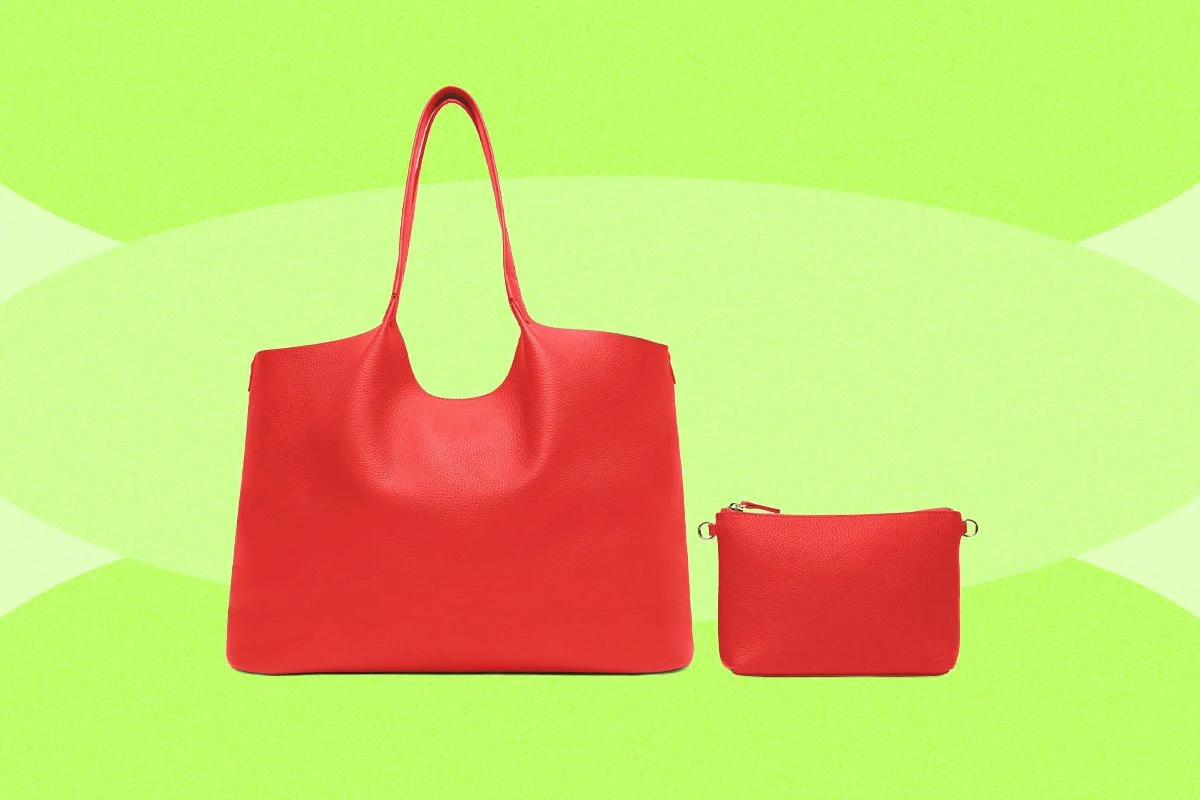
The Mia Horizontal Tote, priced at $330, represents a more relaxed approach to the leather carryall. With a wider silhouette and a magnetic closure, it is designed for environments where quick access is prioritized over maximum security. While it lacks a dedicated laptop sleeve, its capacity is suited for tablets, e-readers, and light peripherals. It serves the "weekend professional" or those working in creative spaces where a full desk setup is not required. The inclusion of a removable leather pouch for smaller items like card holders and personal care products reflects a trend toward modularity in bag design.
Supporting Data: The Rising Market for Tech-Integrated Luxury
The growth of brands like Leatherology is supported by broader economic trends in the luxury goods and consumer electronics sectors. According to market research, the global laptop bag market is projected to reach several billion dollars by 2030, driven by the increasing adoption of hybrid work models.
Data suggests that the average professional now carries approximately $2,500 to $4,000 worth of technology on a daily basis, including high-end laptops, smartphones, and premium audio equipment. This high value of "everyday carry" (EDC) items has shifted consumer behavior away from disposable fashion toward "investment pieces" that offer genuine protection. Leatherology’s focus on "quiet luxury"—branding that is subtle or non-existent—aligns with a consumer shift away from ostentatious logos in favor of material quality and craftsmanship.

Chronology of Product Development and Testing
The development of the current Leatherology tote line reflects years of iterative design. The brand, which operates primarily through a direct-to-consumer (DTC) model, has utilized customer feedback to refine its internal organization systems.
In longitudinal testing conducted over several months, the bags were subjected to various environments, from crowded commuter trains to airline under-seat storage. The results indicated that the reinforced stitching on the shoulder straps of the Transit and Downtown models showed no signs of fatigue even when carrying loads exceeding 15 pounds. This durability is a result of the drum-dyeing process, which ensures that the color penetrates through the entire thickness of the leather, making scuffs and scratches less visible over time.
Professional Care and Longevity Implications
A critical aspect of the professional leather goods market is the requirement for maintenance to ensure a return on investment. Journalistic observation of these products emphasizes that while they are "built better than they look," they are not indestructible.

The manufacturer recommends a maintenance schedule that includes:
- Bi-annual Conditioning: Using all-natural leather conditioners to preserve the moisture balance of the pebbled hide.
- Structural Preservation: Stuffing the bags with tissue paper or fabric during periods of non-use to prevent the leather from collapsing or creasing.
- Environmental Protection: While the leather is resilient, it is not waterproof. Immediate drying is required if the material is exposed to rain to prevent water spotting or texture changes.
These care requirements highlight the distinction between high-quality natural materials and synthetic alternatives. For the professional user, the longevity of leather offers a lower "cost per use" over several years compared to cheaper synthetic bags that may fray or tear under the weight of modern hardware.
Broader Impact on the Fashion and Tech Industries
The success of tech-focused leather totes signifies a broader convergence of the fashion and technology industries. As hardware becomes more integral to daily life, fashion brands are being forced to think like industrial designers. Leatherology’s approach suggests that the future of the professional accessory market lies in "invisible engineering"—features like trolley sleeves, padded compartments, and reinforced gussets that are hidden within a classic aesthetic.

Furthermore, the brand’s use of recycled linings and a DTC business model reflects a shift in the retail landscape. By cutting out traditional wholesale layers, companies can offer premium materials like semi-aniline leather at price points that are competitive with mid-range designer brands while providing superior functional utility.
Conclusion: A Tool for the Modern Workforce
Leatherology’s lineup of totes represents more than just a collection of handbags; they are essential tools for a workforce that is no longer tethered to a single location. The intentional design of the Mia, Transit, and Downtown models acknowledges the reality of the 21st-century professional: one who requires a bag that is as organized as a filing cabinet, as durable as a flight case, and as elegant as a piece of luxury luggage.
In an era where our workspaces have become extensions of ourselves, the demand for high-quality, tech-ready carryalls is likely to continue its upward trajectory. Leatherology has positioned itself at the forefront of this movement by prioritizing the needs of the gadget-heavy commuter without sacrificing the timeless appeal of well-crafted leather. For the modern professional, these totes provide a rare combination of security for their digital assets and a polished image for their professional identity.
