

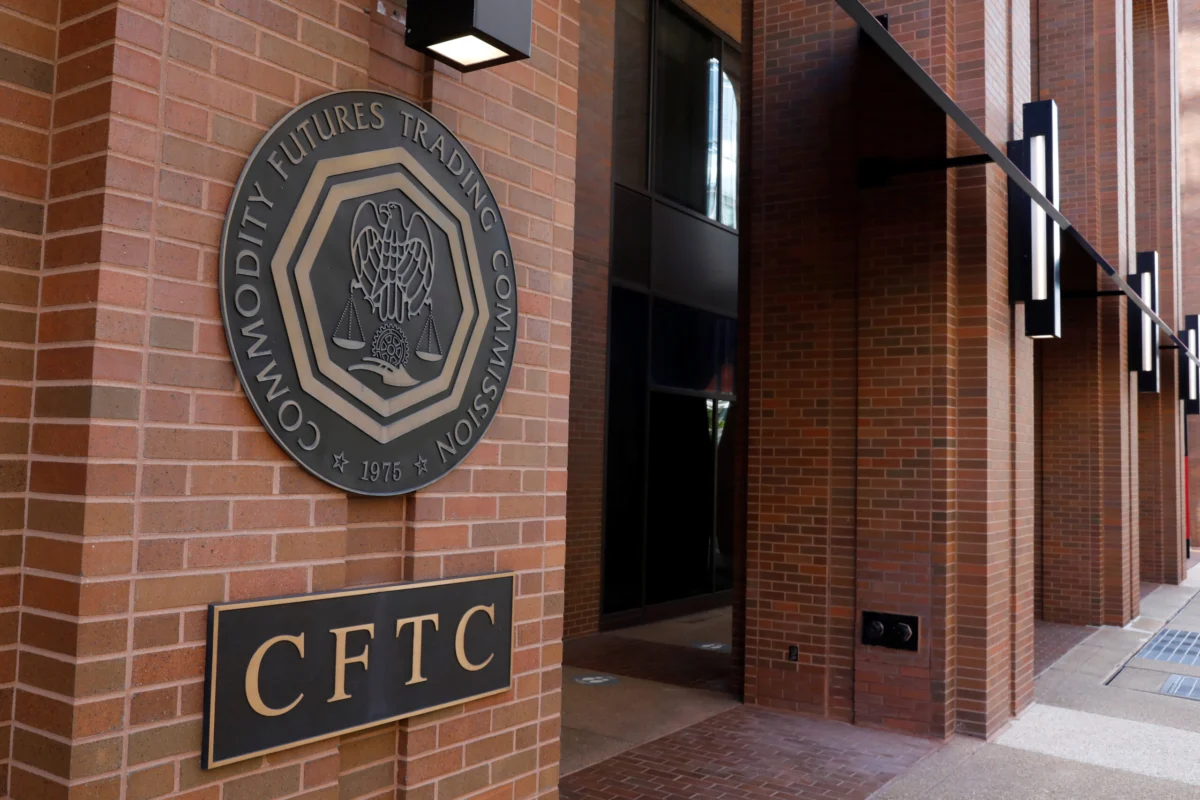
The White House has initiated the vetting process for potential candidates to fill the four vacant commissioner positions at the Commodity Futures Trading Commission (CFTC), according to three individuals with direct knowledge of the matter. This development comes at a pivotal juncture for the derivatives regulator, which currently operates with only one commissioner, Chairman Michael Selig, amidst growing demands for regulatory clarity, particularly concerning novel asset classes like cryptocurrency. The timing of potential nominations, or indeed if they will materialize, remains uncertain, casting a shadow over the agency’s capacity to execute its broad mandate effectively.
The Critical Role of the Commodity Futures Trading Commission
The CFTC is an independent agency of the U.S. government responsible for regulating the U.S. derivatives markets, including futures, options, and swaps. Established in 1974, its core mission is to foster open, transparent, competitive, and financially sound markets, as well as to protect market users and the public from fraud, manipulation, and abusive practices. The agency oversees a vast and complex ecosystem that includes designated contract markets (DCMs), derivatives clearing organizations (DCOs), swap execution facilities (SEFs), and various intermediaries.
The structure of the CFTC mandates a five-member commission, with a political balance ensuring that no more than three commissioners belong to the same political party as the sitting president, and at least two from the opposing party. This bipartisan composition is designed to promote stable, well-considered policy decisions that transcend partisan divides and provide regulatory predictability for market participants. However, the current situation, with only Chairman Selig at the helm, leaves the agency severely constrained. This singular leadership means that all significant policy decisions, enforcement actions, and guidance must be approved by one individual, potentially leading to slower processes, a lack of diverse perspectives, and increased regulatory risk.
In recent years, the CFTC’s purview has expanded significantly, particularly with the emergence of digital assets and prediction markets. Under Chairman Selig’s solitary leadership, the agency has taken an increasingly assertive stance, notably in defending what it perceives as its sole regulatory authority over nascent prediction market platforms and establishing its jurisdiction over certain cryptocurrencies deemed commodities. This aggressive approach, while demonstrating a commitment to oversight, also underscores the immense pressure on a single commissioner to navigate complex, evolving regulatory landscapes without the benefit of a full, deliberative commission.
A Deep Dive into the Vacancy Crisis and Political Stalemate
The current state of affairs at the CFTC is a stark deviation from its intended structure. The absence of four commissioners means that the agency lacks the diverse expertise and deliberative capacity crucial for effective governance of the multi-trillion-dollar derivatives markets. This understaffing can have profound implications, including:
- Policy Stagnation: Major policy initiatives, rulemakings, and strategic decisions can be delayed or stalled, preventing the agency from adapting to new market developments or addressing emerging risks promptly.
- Enforcement Challenges: While Chairman Selig can initiate enforcement actions, a full commission often provides greater legitimacy and bandwidth for complex investigations and prosecutions, especially in novel areas like decentralized finance.
- Lack of Bipartisan Consensus: The absence of opposing party commissioners negates the very purpose of the bipartisan mandate, leading to concerns about the long-term stability and acceptance of regulatory frameworks.
- Diminished Influence: An understaffed agency may struggle to exert its full influence in inter-agency discussions, international regulatory forums, and legislative debates, particularly when competing with fully staffed counterparts like the Securities and Exchange Commission (SEC).
The struggle to fill these critical posts has been a protracted affair, punctuated by political maneuvering and mutual accusations. Earlier this year, Bloomberg News reported on potential bipartisan candidates that the White House was considering for the open seats, signaling an awareness of the issue. However, progress has been slow. In early July, the Trump administration sent a letter to Senate leadership, asserting that Democrats had failed to provide recommendations for vacancies at both the CFTC and the SEC, thereby justifying the delay in filling these crucial regulatory positions.
This claim was swiftly countered by Senate Minority Leader Chuck Schumer, D-N.Y. At the end of July, Schumer dispatched a letter to the White House containing a slate of suggestions for the Democratic-reserved slots at both regulatory bodies. A spokesperson for Schumer’s office emphasized, "Democrats support having full, bipartisan commissions. We have done our part and sent the White House names for the Democratic vacancies on the CFTC and SEC." The spokesperson further noted that the White House had yet to respond and urged swift action, stating that if candidates had been vetted, the administration should proceed with nominations and collaborate with Democrats. The White House, when contacted, declined to comment on the matter. CNBC was unable to independently verify the names proposed by Schumer or confirm their inclusion in the White House’s vetting process.
The Clarity Act: A Legislative Nexus for Crypto Regulation
The urgency surrounding the CFTC vacancies is significantly amplified by the ongoing legislative efforts to pass the "Clarity Act," a landmark proposal aimed at establishing a comprehensive market structure for cryptocurrencies. This bipartisan bill seeks to delineate the regulatory authority over digital assets between the CFTC and the SEC, a long-standing point of contention and a major source of uncertainty for the burgeoning crypto industry. The Clarity Act is designed to bring much-needed legal and operational clarity, potentially designating certain digital assets as commodities under CFTC oversight, while others might fall under SEC jurisdiction as securities.
Passage of the Clarity Act in the Senate requires a supermajority of 60 votes, meaning bipartisan support is essential. Democratic lawmakers have voiced substantial concerns about approving such a pivotal piece of legislation that delegates authority between two agencies, both of which currently operate with significant commissioner vacancies. Their apprehension stems from the belief that a fully staffed, bipartisan commission is necessary to properly implement and enforce the new regulatory framework, ensuring stability and fairness for all market participants. The lack of Democratic commissioners, in particular, raises questions about how their perspectives would be incorporated into the post-legislation rulemaking and enforcement processes.
One individual familiar with the vetting process and a Republican actively involved in the Clarity Act discussions indicated that the White House might view guaranteeing the filling of CFTC vacancies as a key concession to secure the necessary Democratic votes for the bill’s passage. This strategic linkage highlights the intricate dance between executive appointments and legislative priorities in Washington. However, the commissioner vacancies are merely one of several obstacles impeding the Clarity Act’s progress. Other significant hurdles include persistent ethics concerns regarding President Donald Trump’s family’s reported interests in cryptocurrency, which have fueled skepticism among some lawmakers about the administration’s motivations and potential conflicts of interest in shaping crypto policy.
The Senate is scheduled to hold a crucial procedural vote on the Clarity Act on September 15. This vote will determine whether the bill can advance further in the legislative process.
Looming Deadlines and the Election Calendar
Even if the Clarity Act successfully navigates the Senate, its path to becoming law in the immediate future remains fraught with challenges. The legislative calendar for the fall session is severely truncated due to the upcoming general election. House Speaker Mike Johnson, R-La., recently announced the cancellation of votes for the House of Representatives during the final two weeks of September, as lawmakers prioritize campaigning and engagement with their constituents.
This compressed schedule means that even if the Senate passes the Clarity Act, the House would have a minimal window – potentially just two days in the same week the Senate takes up the bill – to reconcile any differences with the Senate version before members depart again. Such a tight timeframe renders swift passage highly improbable, making it increasingly likely that the legislation will be deferred until the "lame-duck" session following the November election. The lame-duck session, the period between the election and the inauguration of new officials, often serves as a last-ditch opportunity for Congress to pass legislation that has stalled during the regular session, particularly those requiring bipartisan compromise.
A Republican working on the Clarity Act expressed a candid assessment to CNBC: if the proposal fails to secure Senate approval, it is unlikely that the White House will proceed with filling any of the four remaining commissioner seats at the CFTC. This stance, despite an internal preference within the administration for a fully staffed commission, underscores the transactional nature of political appointments in the current environment.
Chairman Selig’s Stance and Broader Implications
Amidst the legislative uncertainty, Chairman Michael Selig has made it clear that the CFTC will not remain passive. He has publicly stated that if the Clarity Act fails to pass Congress, the agency will "embark on its own rulemaking" to address the regulatory void in the digital asset space. This declaration highlights the CFTC’s determination to fulfill its mandate, even if it means acting unilaterally in the absence of explicit legislative guidance or a full commission. While such a move could provide some regulatory clarity, it also risks creating a fragmented and potentially less stable framework compared to comprehensive legislation passed by Congress, which typically carries greater weight and permanence.
The calls for the White House to fill the four open commission slots at the CFTC have been decidedly bipartisan. In May, Rep. Glenn "GT" Thompson of Pennsylvania, the Republican Chairman of the House Agriculture Committee, joined by Ranking Member Rep. Angie Craig of Minnesota, a Democrat, publicly urged President Trump to nominate commissioners to the vacancies. The House Agriculture Committee holds jurisdiction over issues related to the CFTC in the lower chamber, making their joint appeal particularly significant.
Rep. Craig reiterated her call in a statement to CNBC, emphasizing, "The Trump administration needs to ensure CFTC has the staff and resources it needs to fulfill its mission, and that includes a full bipartisan panel of commissioners." On Tuesday, Chairman Thompson echoed the sentiment of Schumer’s office, stating that he had received no feedback from the White House regarding potential nominations. He underscored the fundamental principle: "I’ve had no feedback. But I truly believe that good governance means that the qualified people are put forth to be Senate confirmed to serve in those positions."
The prolonged vacancies at the CFTC represent more than just an administrative oversight; they signify a critical regulatory vulnerability at a time of rapid innovation and increasing market complexity. The confluence of an understaffed agency, a high-stakes legislative push for crypto market clarity, and an impending election creates a volatile environment for financial markets. The resolution of these vacancies and the fate of the Clarity Act will profoundly impact the future of derivatives regulation, the trajectory of the digital asset industry, and the integrity of U.S. financial markets for years to come.
