

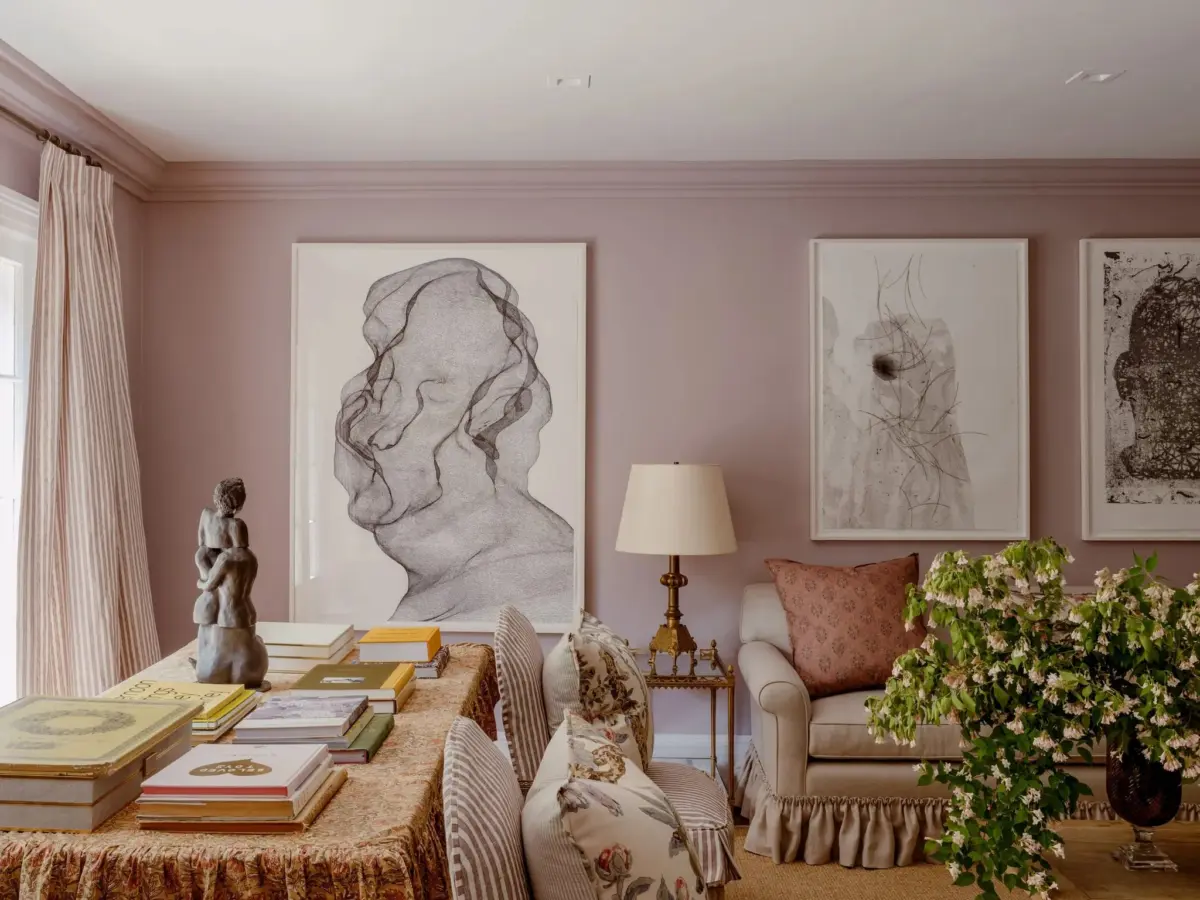
The global interior design market has witnessed a significant shift in consumer behavior, moving away from "lighting lethargy"—a term used by designers to describe the reliance on mass-market, disposable fixtures—toward the intentional acquisition of vintage and historically significant lighting. This transition reflects a broader trend in the "slow furniture" movement, where homeowners prioritize historical context, craftsmanship, and aesthetic longevity over the convenience of modern, flat-pack alternatives. Sourcing a vintage lamp is no longer merely a functional necessity; it is a deliberate design choice that communicates a sophisticated understanding of midcentury modernism, Art Deco, Hollywood Regency, and the Space Age.
The Evolution of 20th-Century Lighting Design
To understand the current demand for vintage lighting, one must examine the chronology of design movements that shaped the 20th century. The early 1920s and 1930s were dominated by the Bauhaus and Art Deco movements. Bauhaus lighting, characterized by industrial materials like chrome and steel, emphasized "form following function," leading to the creation of iconic desk lamps that remain staples in high-end offices today. Conversely, Art Deco introduced a sense of luxury and geometric ornamentation, often utilizing frosted glass and tiered silhouettes.
The post-war era of the 1950s and 1960s ushered in Midcentury Modernism (MCM), a period that remains the most sought-after category in the vintage market. Designers like George Nelson and Isamu Noguchi revolutionized the industry by incorporating organic shapes and unconventional materials. Nelson’s "Bubble Lamps," first produced in 1952, utilized a plastic spray developed by the U.S. military, while Noguchi’s "Akari" light sculptures brought the traditional Japanese washi paper aesthetic into Western homes.
By the 1970s, the "Space Age" aesthetic took hold, defined by the use of bold plastics, spherical shapes, and the vibrant colors of Pop Art. This era produced the Artemide Nessino lamp and the intricate Murano glass fixtures from Italy, which have seen a massive resurgence in contemporary interior trends.
Market Analysis: The Rise of the Secondhand Design Economy
Data from the resale industry suggests that the vintage furniture market is projected to grow significantly over the next decade. According to market research, the secondhand home decor sector is expanding at a rate nearly double that of traditional retail. This growth is driven by two primary factors: sustainability and investment value.
From a sustainability perspective, the restoration of antique lighting prevents waste and reduces the carbon footprint associated with new manufacturing. Large-scale retailers like Rejuvenation have reported that their restoration studios process over 3,000 antique pieces annually, effectively diverting significant tonnage from landfills. Furthermore, vintage lighting is increasingly viewed as a "blue-chip" asset class within home decor. Pieces by designers such as Charlotte Perriand or Carlo Nason often appreciate in value, making them more attractive to collectors than mass-produced contemporary items.
Top Retailers for Vintage Rarities and Designer Icons
For collectors seeking high-provenance items, 1stDibs stands as the premier digital marketplace. Often utilized by celebrity interior designers and architects, the platform serves as a curated catalog of design history. Sourcing from 1stDibs allows buyers to find iconic works that are frequently featured in high-profile home tours.
Current inventory trends on 1stDibs show a high demand for European designers. A Charlotte Perriand sconce or a 1960s "Gelato" lamp by Italian designer Carlo Nason represents the pinnacle of this market. These pieces are often accompanied by historical documentation, ensuring that "design dorks" and serious collectors are purchasing authentic artifacts rather than unauthorized reproductions.
Keyword Sourcing and the Global Reach of Etsy
While 1stDibs caters to the luxury tier, Etsy has emerged as the go-to platform for "vibe-based" searching. The marketplace’s strength lies in its vast network of independent sellers who offer a library of lighting spanning several centuries. By using specific keywords such as "ginger jar lamp," "French bouillotte," or "Modernist clamp lamp," buyers can uncover sleeper hits that range from thrift-store-friendly finds to legitimate antique gems.
The global nature of Etsy allows for cross-border sourcing, with notable sellers operating out of the United Kingdom, Slovenia, and across the United States. Domestic sellers like Philadelphia’s Betsu and Chicago’s Spears Furnishings have utilized the platform to bring curated mid-century collections to a national audience. Experts suggest that Etsy often provides a more cost-effective entry point into vintage collecting because sellers have more flexibility in pricing and shipping compared to larger auction houses.
The Archive of Sleeper Hits: Navigating eBay
eBay remains a critical resource for those hunting for specific, hard-to-find models that have vanished from traditional retail channels. The platform acts as a massive backlog for every style of lighting imaginable, from Chinoiserie and Tiffany glass shades to kitschy conch shell lamps and industrial "Pixar-style" task lamps.
One notable trend on eBay is the resurgence of Japanese paper lamps and 1970s Murano glass. Collectors often find "sleeper hits"—items mislabeled or undervalued by sellers—such as vintage Tarogo Japanese Ichiban frog lamps or Space Age Mazzega desk lamps. Success on eBay requires a disciplined approach to searching and a keen eye for identifying authentic materials like hand-blown glass or specific ceramic glazes used by mid-century manufacturers like Frederick Cooper.
Authenticated Reissues: The Role of Design Within Reach
For consumers who appreciate vintage aesthetics but prefer the reliability and safety of modern electrical components, the "reissue" market is an essential alternative. Design Within Reach (DWR) has positioned itself as a leader in this space, collaborating with original manufacturers to bring iconic designs back into production.
Licensed reissues ensure that the original designer’s proportions and materials are respected. Notable examples include:
- Verner Panton’s Panthella (1971): A masterpiece of 1970s design known for its mushroom-like silhouette.
- Herman Miller’s Nelson Cigar Lotus (1952): A staple of American MCM design.
- Greta Grossman’s Gräshoppa (1947): A tripod floor lamp that defines late-1940s industrial elegance.
- Artemide’s Nessino: A compact version of the 1967 Nesso lamp, representing the height of the Space Age.
Purchasing a reissue allows the consumer to own a piece of design history with the peace of mind that comes with contemporary UL-listing and warranty support.
Sustainability and Restoration: The Rejuvenation Model
The intersection of vintage sourcing and environmentalism is best exemplified by Rejuvenation’s vintage collection. Based in Portland, Oregon, the brand’s restoration studio employs specialized craftspeople who find and refurbish antiques from around the world. This initiative is part of a broader corporate commitment to circularity in design.
The Rejuvenation inventory typically mirrors the brand’s signature mid-century modern and industrial aesthetic. Common finds include 20th-century brass task lamps and Arts & Crafts-style column lamps. By focusing on restoration, the brand ensures that one-of-a-kind pieces—many featuring intricate gilt detailing or hand-painted floral motifs—remain functional for another generation of users.
Artisanal Glass and Ceramic Specialists: Abask
In the high-end artisanal sector, Abask has established a reputation for sourcing some of the most visually striking antique Murano glassware. The Italian island of Murano has been a center for glassmaking since the 13th century, but its mid-20th-century output is particularly prized for its experimental use of color and geometry.
The work of Albano Poli, for instance, is a highlight of the Abask collection. Poli’s designs often involve "collaging" stained glass across geometric metal frames, creating a fixture that serves as both a light source and a piece of modern sculpture. Beyond Italian glass, the retailer focuses on minimalist Swedish metalwork and 1970s French ceramics, providing a curated selection for those looking to elevate the "vibe" of a room through texture and materiality.
Broader Implications for Interior Design
The shift toward vintage lighting signifies a move away from "fast decor" and toward more thoughtful, curated living spaces. Interior designers argue that lighting is the "jewelry" of a room; it is the final element that defines the atmosphere. A carefully considered vintage piece shows "decor chops"—the ability to go beyond the surface look of a room to consider its historical weight and emotional resonance.
Furthermore, the rise of online marketplaces has democratized access to high-end design. What was once available only to those with access to elite antique galleries in New York or Paris is now accessible to anyone with an internet connection. This accessibility, however, places a higher premium on knowledge. As the market for vintage lighting continues to grow, the value of the "deliberate search"—the act of researching, identifying, and sourcing a specific piece of history—will remain the hallmark of a truly sophisticated home.
In conclusion, whether one is seeking a $7,000 Albano Poli masterpiece or a $200 eBay sleeper hit, the move toward vintage lighting represents a maturation of the consumer market. By choosing objects with a past, homeowners are not just illuminating their spaces; they are preserving design history and making a sustainable choice that values quality over quantity. The living room revamp of the future is, increasingly, a look into the past.
