

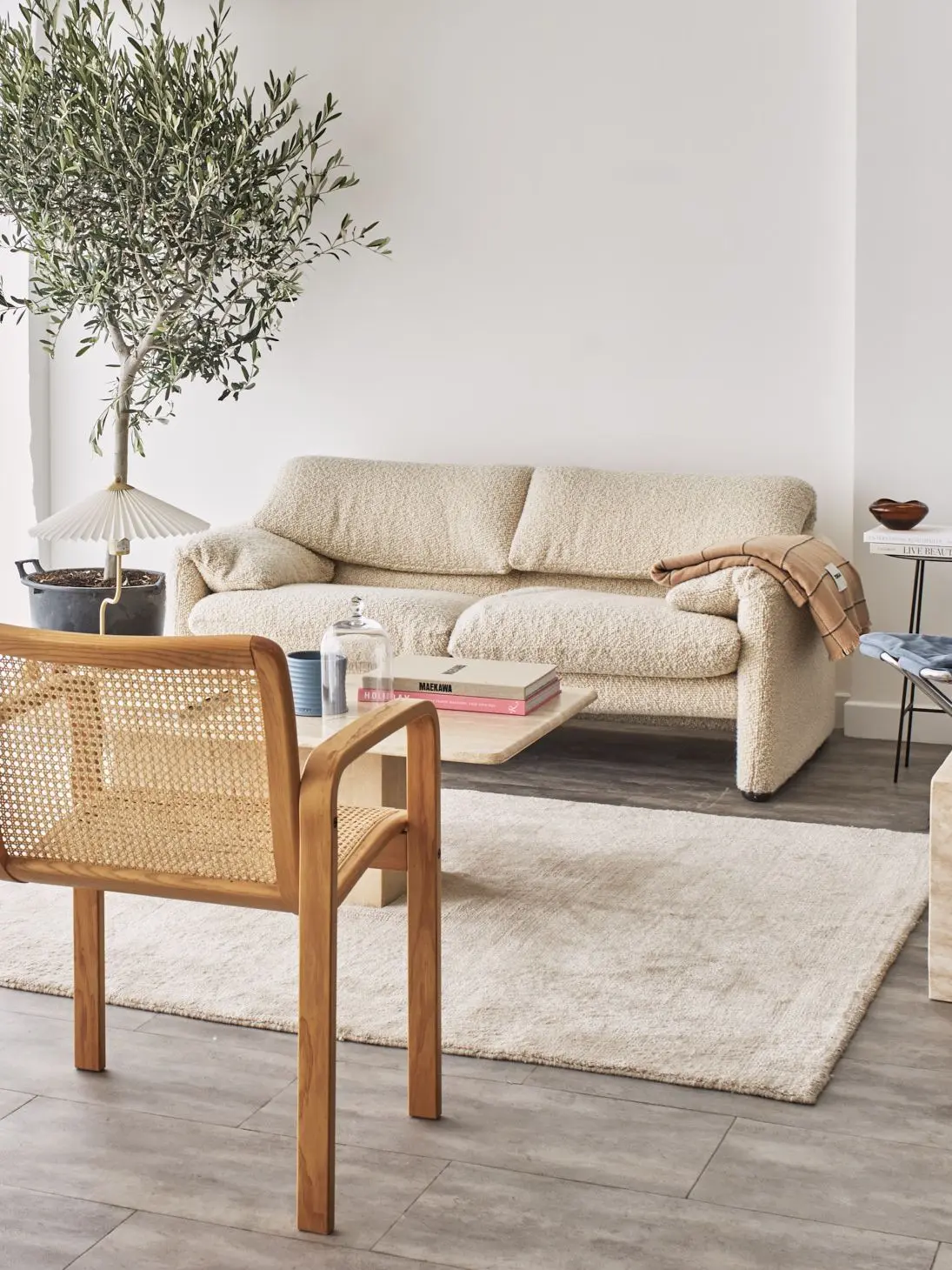
The Urban Shift and the Rise of Compact Luxury
The demand for small-space furniture is more than a fleeting decor trend; it is a direct response to global demographic shifts. According to data from the United Nations, approximately 56% of the world’s population currently lives in cities, a figure expected to rise to 68% by 2050. This migration into urban centers has led to a decrease in average residential square footage, particularly in major metropolitan hubs like New York, London, and Tokyo. Consequently, the furniture industry has seen a significant surge in the "compact luxury" segment.

Market analysis from Grand View Research indicates that the global small-space furniture market is projected to grow at a compound annual growth rate (CAGR) of over 5% through 2030. Consumers are no longer willing to sacrifice style for size. They are seeking "je ne sais quoi"—that indefinable quality of elegance—in pieces that fit their actual living conditions. A well-chosen love seat can provide the same "welcoming vibe" as a large sofa while maintaining a room’s flow and architectural integrity.
A Chronology of the Love Seat: From Courting to Contemporary Design
The history of the love seat is one of social evolution. Emerging in the 17th century, the earliest versions were essentially wide chairs designed not for two people, but for one woman wearing the voluminous, hoop-skirted fashions of the day. As fashion evolved and skirts became narrower, the extra space was reclaimed for a second person, leading to the "courting chair" or "settee" of the 19th century, which allowed couples to sit close enough for conversation but far enough apart to maintain propriety.

In the mid-20th century, the love seat underwent a radical transformation during the Modernist movement. Designers like Eero Saarinen and Florence Knoll stripped away the ornate carvings of the Victorian era, replacing them with sculptural forms and industrial materials. Saarinen’s 1948 "Womb" settee, for instance, was engineered specifically to address the psychological need for relaxation in an increasingly fast-paced world. Today, the love seat occupies a unique space in the design world, blending these historical notions of intimacy with 21st-century requirements for durability and sustainability.
The Best Overall Contender: The West Elm Bogart
Leading the current market is the West Elm Bogart Loveseat, a piece that challenges the traditional "blocky" silhouette of small sofas. Design critics, including contributor Lori Keong, have highlighted the Bogart for its elegant bolstered back and sculptural cutout base. One of the primary complaints regarding small sofas is the aesthetic of the legs; many budget models feature "hairpin" or "chubby" appendages that can feel visually cluttered. The Bogart’s base conceals the legs entirely, offering a clean, grounded look.

From a functional standpoint, the Bogart is rated as medium-firm, comparable to a supportive mattress. This level of density is crucial for small sofas, which are often used for both sitting and occasional lounging. With 80 upholstery options, including the popular alabaster basketweave, the Bogart exemplifies the industry’s move toward high levels of customization in mass-market retail.
Sustainability and Material Science in Modern Seating
As consumers become more environmentally conscious, brands are integrating rigorous certifications into their manufacturing processes. The Quince Performance Boucle Love Seat serves as a prime example of this "green" evolution. The piece utilizes Oeko-Tex-certified performance fabric, ensuring the textile is free from harmful levels of toxic substances. Furthermore, its hardwood frame carries the Forest Stewardship Council (FSC) certification, which guarantees that the wood was sourced from responsibly managed forests that provide environmental, social, and economic benefits.

Similarly, the Sabai Essential Love Seat has gained traction for its commitment to the circular economy. Utilizing recycled polyester velvet—verified by the Global Recycled Standard 4.0—Sabai has introduced the "Repair Don’t Replace" program. This initiative allows customers to purchase individual components, such as a single leg or a cushion cover, to extend the life of the furniture. This approach directly counters the "fast furniture" culture that has historically contributed to significant landfill waste.
Customization as a Standard: From Coastal to Avant-Garde
The ability to personalize a piece of furniture has become a key differentiator for luxury brands. Serena & Lily, often associated with "coastal chic," offers the Spruce Street Love Seat with over 125 upholstery options, ranging from classic linen to rugged denim. This level of choice allows the classic silhouette to transcend its coastal origins and fit into diverse interior styles, from industrial lofts to traditional suburban dens.

In the leather category, the Crate & Barrel Axis Loveseat leads with 45 distinct leather options, including bold burgundy and onyx. The brand has also responded to the growing demand for animal-free alternatives by offering silicone-based vegan materials. This reflects a broader industry trend where "luxury" is increasingly defined by ethical choices and material innovation rather than price point alone.
Technological Integration: The Power-Reclining Compact
The intersection of technology and furniture design is perhaps most evident in the Pottery Barn Cameron Reclining Sofa. Despite its compact stature, the Cameron features a power-reclining mechanism, allowing users to achieve the comfort of a large recliner without the associated bulk. Its modular design is particularly beneficial for transient urban populations; the sofa can be reconfigured or expanded if the owner moves to a larger space. This "future-proofing" of furniture is a significant selling point for younger demographics who may move residences frequently.

The Aesthetic of the Curve: Joybird and Lulu and Georgia
In terms of pure visual impact, the trend toward curvaceous, organic shapes continues to dominate. The Joybird Amelia Loveseat, inspired by 1970s silhouettes, uses a suave, rounded frame to create a sense of movement in a room. At only 56.5 inches wide, it is specifically engineered for "teeny-tiny" alcoves where a standard sofa would be impossible.
Similarly, the Aimee Song Neve Sofa from Lulu and Georgia features unexpected arches along the backrest, a design choice approved by top-tier designers for its ability to soften the hard lines of modern apartments. These pieces function as "functional art," proving that small furniture can have a high-impact presence.

Broader Industry Implications and Official Responses
The shift toward high-design love seats has forced major retailers to rethink their inventory strategies. Industry leaders from brands like CB2 and West Elm have noted that the "love seat" category is no longer viewed as a secondary purchase. Instead, it is being marketed to "Generation Rent"—young professionals who prioritize high-quality, mobile, and space-efficient pieces.
Designers such as those featured in Architectural Digest suggest that the love seat is also a tool for "zoning" open-concept spaces. By pairing a love seat with accent chairs or a chaise, homeowners can create a "room within a room," establishing an intimate conversation area without the need for physical walls.

Conclusion: The Future of Intimate Living
The move toward high-design love seats is a reflection of a changing world. As living spaces become more compact and consumers become more discerning about the environmental and ethical footprint of their purchases, the love seat offers a compelling solution. It provides the comfort of a sofa, the intimacy of a chair, and the architectural presence of a masterpiece.
Whether it is the historical prestige of a Knoll Womb settee or the sustainable innovation of a Sabai Essential, these 11 designs prove that a smaller footprint does not mean a smaller impact. The case for the love seat is clear: in the modern home, the most powerful design statements are often the most personal—and the most intimate. As the furniture industry continues to evolve, the love seat will undoubtedly remain at the forefront of the conversation, proving once and for all that bigger isn’t always better.
