

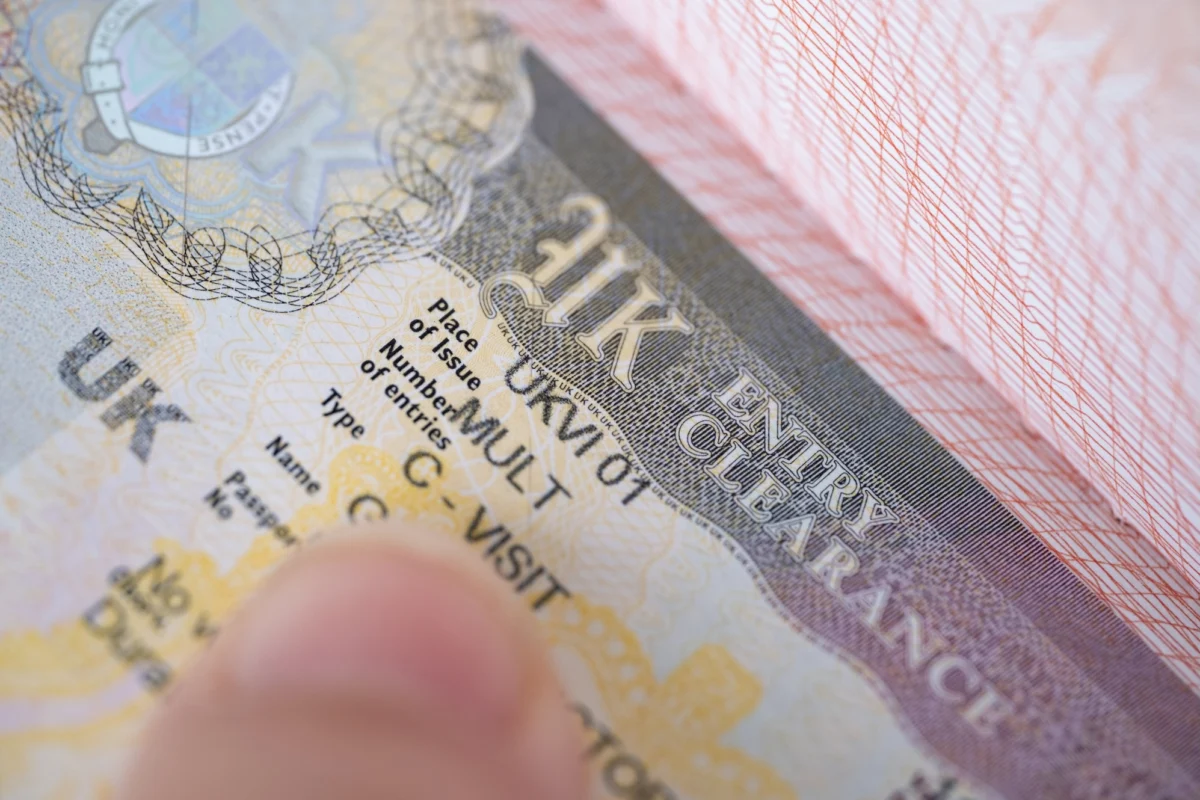
The digital landscape of international travel and immigration has been shaken by a significant security failure involving UK Visa Portal, a third-party service provider that facilitates visa applications. A recent investigation has revealed that the platform publicly exposed thousands of highly sensitive documents, including passport scans and "selfie" photographs, belonging to individuals seeking entry into the United Kingdom. The exposure, characterized by a lack of basic security protocols on a cloud storage server, highlights the growing risks associated with the proliferation of unofficial visa processing intermediaries and the increasing reliance on digital identity verification.
The breach was first identified when an anonymous security researcher notified investigative journalists that approximately 100,000 documents were accessible to the public. These documents were stored in an improperly configured Amazon Web Services (AWS) S3 bucket, a common form of cloud storage that, if not secured correctly, can allow unauthorized access to its contents. While the bucket did not provide a directory listing of all files, individual documents could be accessed and viewed by anyone who possessed or could guess the specific web addresses of the files. Furthermore, a backend vulnerability on the UK Visa Portal website reportedly allowed for the enumeration of these files, effectively stripping away the thin layer of "security through obscurity" that the company may have relied upon.
The Nature of the Exposed Data
The data spill is particularly egregious due to the sensitivity of the information involved. Passports are among the most valuable documents for identity thieves, containing full names, dates of birth, passport numbers, and nationality information. When paired with the "selfie" photos required for modern biometric verification, the risk of sophisticated identity fraud increases exponentially. Criminals can use such data to open fraudulent bank accounts, apply for credit, or even bypass automated identity checks on other platforms.
Beyond the identity documents themselves, the exposure carried a physical security risk. Many of the user-uploaded photos contained embedded EXIF metadata. This metadata often includes the precise GPS coordinates of where a photo was taken. In several verified instances, the location data was accurate enough to pinpoint the home addresses of the applicants. This level of exposure transitions the risk from the digital realm to the physical, potentially putting vulnerable individuals at risk of stalking or targeted theft.
A Chronology of the Security Incident
The timeline of the incident reflects a troubled response from the platform’s operators. Upon receiving the initial tip, investigators verified the authenticity of the data by contacting a subset of the affected individuals. These users confirmed that they had recently used the UK Visa Portal to apply for travel documentation.
On May 26, the company was alerted to the ongoing security lapse via the general contact email listed on its website. Given the sensitivity of the data, the investigators requested a secure channel or a direct line to management to share the technical specifics of the vulnerability. This request was made to ensure that the information did not fall into the hands of customer support staff who might not be equipped to handle a high-level security crisis.
In response, a customer support representative provided the name and email address of an individual identified as Michael Taylor, a manager at the firm. However, Taylor did not respond to multiple inquiries. Instead of a direct technical resolution or a statement from the company’s leadership, the investigation was met with communications from external legal and public relations entities. Specifically, the U.S.-based law firm BakerHostetler and the PR firm FTI Consulting contacted the investigators.
Despite these legal overtures, the external representatives initially declined to provide public records or official confirmation of their authorization to speak for the company’s management. This led to a brief impasse where the security details were withheld to prevent further unauthorized dissemination. The data was eventually secured overnight into the following Wednesday, but only after the initial report of the leak had been published. Subsequent questions directed to the legal team regarding the duration of the exposure, the presence of access logs, and the company’s cybersecurity leadership went unanswered.
The Rise of the Intermediary Economy in Immigration
The UK Visa Portal incident underscores a broader issue within the global immigration system: the rise of "copycat" or intermediary websites. These platforms often use search engine optimization (SEO) and professional-looking interfaces to attract travelers who may be confused by official government processes.
While the UK government provides an official Electronic Travel Authorization (ETA) and visa application portal through the GOV.UK domain, many applicants inadvertently end up on third-party sites like UK Visa Portal (which also operates under names such as UK Visit and ETA-Pass). These sites often charge significant service fees on top of the standard government costs. Users have frequently complained on platforms like Reddit that they mistakenly paid these intermediaries, believing they were using the official government service.
The UK Visa Portal is allegedly operated by a company known as Active Leadgen LLC. While the firm purports to be based in the United Arab Emirates (UAE), its corporate structure remains opaque. This lack of transparency is a hallmark of many intermediary services that operate across international borders, making it difficult for regulators to enforce data protection standards or for consumers to seek legal recourse in the event of a breach.
Technical Context: The S3 Bucket Misconfiguration
The technical root cause of the leak—a misconfigured AWS S3 bucket—is a recurring theme in modern data breaches. S3 buckets are highly scalable storage containers, but they require precise permission settings. By default, Amazon now sets new buckets to private, but older configurations or manual changes by developers can inadvertently leave data "publicly readable."
In this case, the vulnerability was a "partial" exposure. While a casual observer could not see a list of every file in the bucket (a "ListBucket" permission error), the individual objects were set to "Public," meaning anyone with the direct URL could view the images. The existence of a backend bug that allowed for the generation of these URLs meant that the entire repository was effectively public. This type of error is frequently the result of a "move fast and break things" development culture that prioritizes deployment speed over security audits.
Broader Implications and Regulatory Challenges
The exposure of government-issued identity documents comes at a time when digital identity verification is becoming mandatory for a wide range of online services. From age verification for social media to "Know Your Customer" (KYC) requirements for financial services, the "selfie-plus-passport" model is the new gold standard for authentication. When these documents are leaked, the foundation of digital trust is undermined.
From a regulatory perspective, the UK Visa Portal breach raises significant questions regarding compliance with the General Data Protection Regulation (UK GDPR) and the EU GDPR. Under these laws, organizations that process the data of UK or EU residents are required to implement "appropriate technical and organizational measures" to ensure a level of security appropriate to the risk. Furthermore, they are mandated to notify the relevant supervisory authority (such as the Information Commissioner’s Office in the UK) within 72 hours of becoming aware of a breach that poses a risk to individuals’ rights and freedoms.
Given the company’s alleged UAE base, the enforcement of these regulations becomes a complex jurisdictional challenge. However, international data protection laws are increasingly "extraterritorial," meaning they apply to any company targeting services at residents of a specific region, regardless of where the company is physically headquartered.
Protecting Applicants in a Digital World
The UK Visa Portal incident serves as a stark reminder for international travelers to exercise extreme caution when sharing sensitive information online. Security experts and government officials consistently advise that applicants should only use official ".gov" websites for immigration and travel authorizations. In the case of the United Kingdom, the official site is GOV.UK.
For those who believe their data may have been compromised in this or similar breaches, several steps are recommended:
- Monitor Identity: Individuals should keep a close watch on their credit reports and bank statements for any unauthorized activity.
- Report to Authorities: If a passport is confirmed to have been leaked, it may be necessary to report it as compromised to the issuing government to prevent its use in fraudulent travel.
- Digital Hygiene: Travelers should be wary of phishing emails that may use their leaked information to appear legitimate, attempting to solicit further sensitive data or payments.
As governments around the world continue to digitize their borders, the security of the third-party ecosystem will remain a critical vulnerability. The UK Visa Portal leak is not merely an isolated technical failure; it is a symptom of a systemic lack of oversight in the burgeoning industry of digital travel intermediaries. Without stricter enforcement and greater public awareness, the personal data of millions of travelers remains at the mercy of companies that may prioritize profit over privacy.
