

The global floor care market has undergone a radical transformation over the last decade, transitioning from bulky, corded upright units to a sophisticated ecosystem of autonomous robots and high-performance cordless sticks. As of 2024, the industry is defined by a fierce competition between legacy brands like Dyson and Bissell and aggressive tech-forward challengers such as Roborock, Ecovacs, and Shark. This evolution is driven by consumer demand for convenience, multi-functional capabilities—specifically the integration of vacuuming and mopping—and the application of artificial intelligence to improve navigation and stain detection. Selecting the appropriate cleaning tool now requires an understanding of suction metrics, filtration standards, and the specific ergonomic needs of different living environments.
The State of Modern Floor Care: A Market Overview
The shift toward cordless technology is no longer a trend but the established market standard. According to industry data, the cordless vacuum segment is expected to continue its growth at a compound annual growth rate (CAGR) of over 9% through 2030. This growth is fueled by advancements in lithium-ion battery density, which has historically been the primary bottleneck for portable cleaning devices. While early cordless models struggled to provide more than 20 minutes of high-intensity suction, modern mid-to-high-range units now frequently exceed 60 minutes in standard modes, making them viable replacements for corded primary vacuums in most residential settings.
Simultaneously, the robot vacuum sector has moved beyond simple "bump-and-turn" navigation. High-end models now utilize LiDAR (Light Detection and Ranging), structured light 3D scanning, and AI-driven camera systems to map homes with millimeter precision. The newest frontier in this space is the "all-in-one" docking station, which not only empties the vacuum’s dustbin but also washes and dries mop pads, refills water tanks, and, in some innovative designs, eliminates the need for disposable dust bags entirely.
Comparative Analysis of Cordless Stick Vacuums
The cordless stick vacuum remains the most versatile tool in the modern cleaning arsenal. Within this category, several models stand out for their specific strengths in suction, filtration, and value.
The Dyson Ecosystem: V8, V10, and V15 Series
Dyson continues to lead the premium segment, though its product lineup has become increasingly complex. The Dyson V10 Konical has emerged as a particularly strong contender for consumers seeking a balance between performance and price. In recent comparative testing, the V10 Konical outperformed the more affordable V8 Cyclone and even challenged the more expensive V15 Detect in debris recovery. A key feature of the V10 Konical is its integrated HEPA (High-Efficiency Particulate Air) filtration system, which is essential for households with allergy sufferers, as it captures 99.97% of particles as small as 0.3 microns. Furthermore, its built-in illumination technology on the cleaner head allows users to see microscopic dust on hard floors that would otherwise remain invisible.
For those operating at a higher budget, the Dyson V15 Detect offers approximately 230 to 240 Air Watts of suction power. While it is a robust machine, market analysts note that its value proposition is often squeezed between the mid-range V10 and the ultra-premium Gen5Detect. Experts recommend that consumers look for the V15 Detect during promotional periods where prices drop below $700; otherwise, the newer V16 Piston Animal or Gen5Detect models offer superior sensor technology and battery life for a comparable investment.
Shark PowerDetect: The High-Performance Alternative
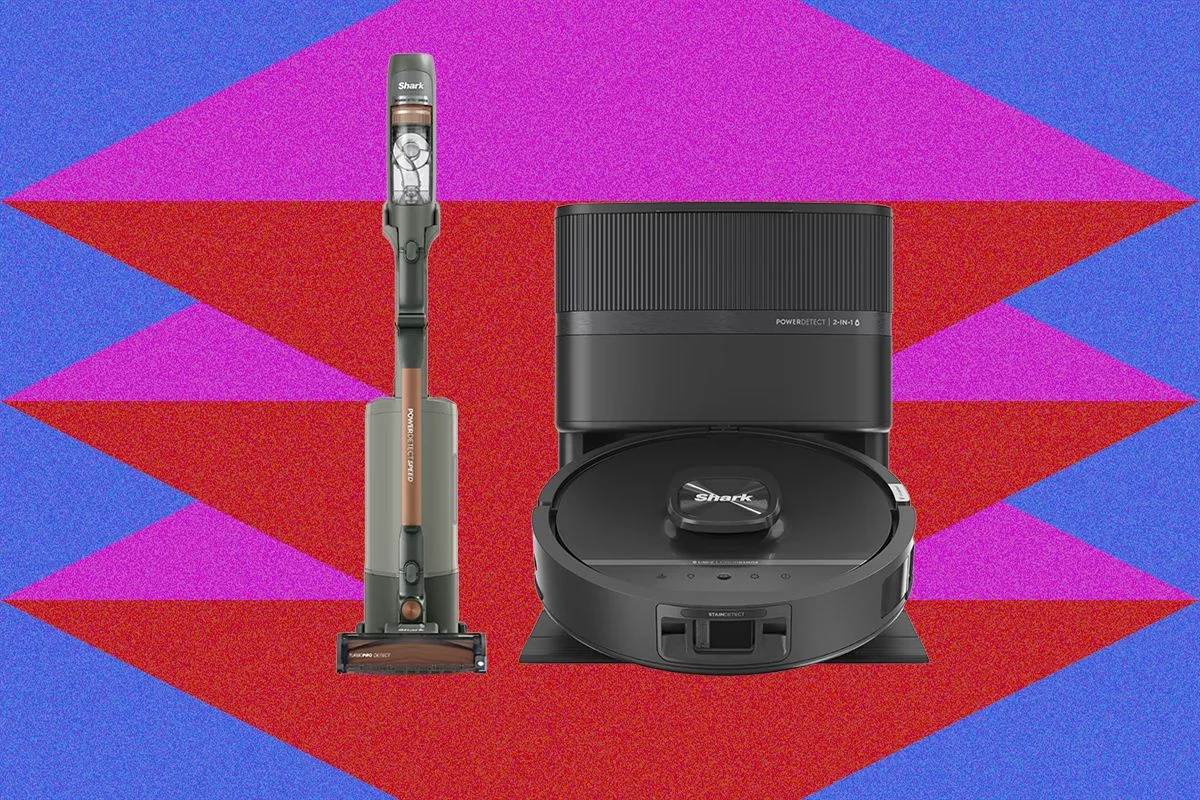
Shark has positioned its PowerDetect Cordless Vacuum as a direct rival to Dyson’s flagship models. With a rated power of 380 watts, the PowerDetect has demonstrated superior performance in picking up heavy debris, such as sand and cereal, from high-pile carpets. One of Shark’s most significant ergonomic advantages is its "MultiFLEX" technology, which allows the wand to bend, enabling the user to clean under low furniture without stooping. The PowerDetect Speed variant offers additional flexibility with various base station options, including self-emptying docks that reduce the frequency of manual maintenance.
Bissell and Tineco: Value and Innovation
In the mid-range market, the Bissell PowerClean series offers a pragmatic approach. While the "FurFinder" variant includes specialized upholstery attachments for pet owners, the standard PowerClean provides nearly identical floor performance for a lower entry price. For pet hair on carpets, however, users may find that the higher suction ceilings of Dyson or Ryobi units are more effective.
Tineco has carved out a niche by addressing the "emptying fatigue" associated with stick vacuums. The Tineco Pure One Station 5 features a self-emptying docking station. This innovation addresses one of the primary complaints regarding cordless sticks: the small dustbin capacity. By automatically suctioning debris into a larger, sealed container in the dock, the Station 5 minimizes user exposure to dust and ensures the vacuum is always ready for the next session.
The Evolution of Autonomous Cleaning: Robot Vacuums and Mops
The robot vacuum market is currently defined by the pursuit of the "hands-off" home. This requires not just effective vacuuming, but competent mopping and sophisticated obstacle avoidance.
Dyson Spot+Scrub Ai
Dyson’s entry into the robot mop-vacuum hybrid market, the Spot+Scrub Ai, represents a significant design departure. It features a large, visible dustbin reminiscent of the brand’s stick vacuums and utilizes the same unified app ecosystem. While it excels in multi-floor mapping and general suction, real-world testing has shown that its AI-based stain detection—marketed as being able to spot and scrub specific messes—still has room for improvement. Additionally, its taller profile compared to competitors like the Roborock S-series can prevent it from cleaning under certain cabinets and toe-kicks.
Roborock Saros 20 and the Suction Wars
Roborock has pushed the technical limits of robot vacuums with the Saros 20, which boasts a staggering 36,000 Pa (Pascals) of suction power. For context, most mid-range robot vacuums operate between 4,000 and 8,000 Pa. However, extreme suction does not always translate to a perfect clean. Testing by industry reviewers has indicated that the Saros 20 can occasionally struggle with debris transition—leaving small amounts of dirt on floor dividers when moving from carpet to hardwood. This highlights a critical reality in floor care: mechanical brush design and airflow management are often as important as raw suction numbers.
Ecovacs and Eufy: Redefining Maintenance
The Ecovacs Deebot X11 Omnicyclone introduces a "bagless" cyclone station, a rarity in a market dominated by disposable dust bags. This design appeals to environmentally conscious consumers and those looking to eliminate recurring costs. Meanwhile, the Eufy X10 Pro Omni continues to be a benchmark for value, offering 8,000 Pa of suction and dual-rotating mop pads at a price point significantly lower than its premium competitors. Eufy has recently updated its lineup to include roller-style mops, which are generally more effective at lifting stubborn stains than vibrating or rotating pads.
Specialized Handheld Solutions
Despite the versatility of stick vacuums, dedicated handheld units remain popular for automotive detailing and quick spot cleaning.
- Black and Decker Dustbuster Flex: Known for its four-foot integrated hose, this unit offers reach that standard "pivot" handhelds lack. It is particularly effective for cleaning vehicle floorboards and stairs, though its 15-minute battery life limits it to quick tasks.
- Worx Cordless Cube: This model is praised for its compact, "all-in-one" storage design. The hose and all attachments fit within the cube-shaped body, making it an ideal choice for keeping in a car trunk or a small utility closet.
- Dyson PencilVac Fluffycones: A hybrid between a handheld and a stick vacuum, the PencilVac is designed specifically for hard-floor urban environments. Its "Fluffycones" head uses multiple soft rollers to pick up fine debris like cat litter without scratching delicate surfaces.
Technical Specifications and Maintenance: A Chronology of Care
To maximize the lifespan of these high-tech devices, which typically range from five to seven years, consistent maintenance is required.
- Year 1-2: Focus on filter cleaning. Most modern vacuums use washable pre-motor filters. Failure to wash these every 30 days can lead to motor strain and reduced suction.
- Year 3: Battery health may begin to decline. For cordless units, it is often more cost-effective to replace the battery pack (if removable) than the entire unit.
- Year 5+: Mechanical wear on brush rollers and wheels may necessitate replacement parts. Brands like Dyson and Shark generally offer better long-term parts availability than "white-label" budget brands.
Impact and Implications of the Cleaning Revolution
The rapid advancement in vacuum technology has broader implications for residential health and domestic labor. The integration of HEPA filtration as a standard feature across most price points has significantly improved indoor air quality by preventing the redistribution of fine allergens during the cleaning process. Furthermore, the rise of autonomous robots is fundamentally changing the "chore economy." By offloading the daily maintenance of floor surfaces to AI-driven machines, consumers are reclaiming significant amounts of time, though the initial capital investment for these machines remains high.
As the industry moves toward 2025, the focus is expected to shift toward "self-healing" and "self-maintaining" technologies. We are already seeing the first generation of robots that can detangle hair from their own brushes and stick vacuums that empty themselves into HEPA-sealed docks. While the "perfect" vacuum that requires zero human intervention does not yet exist, the current trajectory of innovation suggests that the gap between manual labor and total automation is closing faster than ever before. For the consumer, the challenge remains matching the specific limitations of their home—be it pet hair, high-pile carpets, or tight urban spaces—with the specialized strengths of these increasingly sophisticated machines.
