

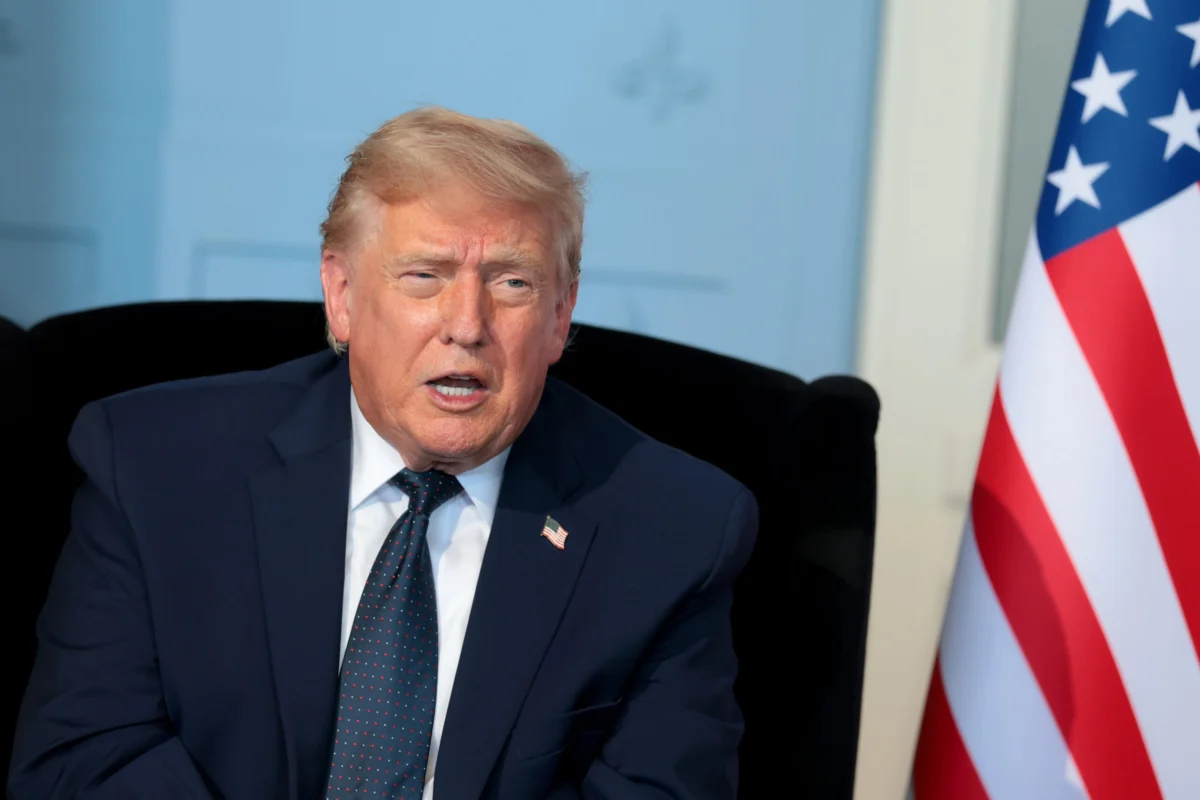
U.S. President Donald Trump asserted an expansive view of his executive authority, declaring he possesses "unlimited power" and characterizing the recently brokered agreement with Iran as an "unconditional surrender" by Tehran. In a candid interview with Axios conducted Thursday evening stateside, President Trump detailed his rationale for the deal, emphasizing his intention to avert a global economic depression that he believed was imminent due to the escalating conflict. The agreement, signed after a protracted period of hostilities that saw the critical Strait of Hormuz shut down and global energy markets thrown into turmoil, marks a significant diplomatic development.
The memorandum of understanding, reached after three and a half months of intense conflict, establishes a 60-day negotiation window for a final, comprehensive agreement. Crucially, it includes provisions for the immediate reopening of the Strait of Hormuz, a vital chokepoint for global oil transit, and lays the groundwork for future nuclear discussions. While these foundational elements are in place, numerous intricate details remain unresolved and are slated for further deliberation in the ensuing negotiations.
When questioned about any lessons learned regarding the limitations of his presidential power stemming from the recent conflict, President Trump responded with a striking declaration: "I haven’t learned that lesson yet. I know there are, but there are no limits." This statement underscores a self-perception of unfettered authority, a theme that has characterized much of his presidency.
Strait of Hormuz Reopens, Global Shipping Resumes
Following the agreement’s enactment, shipping activity through the Strait of Hormuz has demonstrably increased. Cargo vessels and oil tankers have resumed transit through the strategically vital waterway, signaling a de-escalation of the maritime blockade that had crippled regional trade and sent shockwaves through international energy markets.
Maritime intelligence firm Windward reported a significant uptick in transits, recording at least 18 vessel movements through the Strait during the June 17-18 period. This figure represents the highest count for any comparable timeframe since the commencement of the conflict, indicating a rapid return to normalcy in the region’s shipping lanes.
Confirming this shift, U.S. Central Command (CENTCOM) announced on Thursday the cessation of all blockade enforcement efforts on maritime traffic entering and exiting Iranian coastal areas. A social media post from CENTCOM stated, "All U.S. military blockade enforcement efforts have ceased." However, the statement also clarified that U.S. naval forces would maintain a presence in the general vicinity to ensure strict adherence to all provisions of the agreement.
Diplomatic Maneuvers and Delays
The path to these negotiations has not been without its logistical challenges. A White House spokesperson announced the cancellation of Vice President JD Vance’s planned trip to Switzerland, where he was slated to initiate the 60-day negotiation period with Iranian officials. The spokesperson cited "logistical reasons" for the postponement, adding that while the U.S. delegation was prepared to depart promptly, "the logistics of these negotiations have never been simple or predictable." This indicates that the intricate planning required for high-stakes diplomatic talks involving Iran continues to present hurdles.
Criticism Mounts from Capitol Hill
The terms of the interim agreement have not been universally praised. A segment of lawmakers has voiced strong criticism, arguing that President Trump’s approach lacked sufficient toughness on Iran and that the agreement falls short of the objectives he initially set out to achieve at the war’s outset.
Senate Minority Leader Chuck Schumer, D-N.Y., publicly stated that President Trump had "a very poor job of negotiating." He posited that the United States was now in a less favorable position than before the conflict began. "This will be regarded as one of the biggest American disasters, and it’s because Trump started this war," Schumer declared to reporters, highlighting a stark partisan division on the efficacy of the administration’s policy.
Senator Peter Welch, D-Vt., echoed these sentiments, emphasizing that Iran retained significant leverage through its control over the Strait of Hormuz. He contended that the conflict failed to achieve several key objectives, including regime change in Iran and the cessation of its missile and nuclear programs. Welch estimated the war’s cost at approximately $100 billion, labeling the outcome a "failure."
President Trump Defends the Deal
In response to the growing criticism, President Trump forcefully defended his administration’s actions. During the Axios interview, he dismissed those who accused him of being too lenient on Tehran as either "jealous, bad people or stupid." He further questioned the efficacy of prolonging the conflict, asking what additional weeks of bombardment would have accomplished while the Strait of Hormuz remained closed. "This is the kind of thing that could cause a worldwide depression," he reiterated, underscoring his conviction that the agreement, despite its imperfections, served to prevent a far greater economic catastrophe.
Background and Context of the Conflict
The conflict that precipitated this agreement began approximately three and a half months prior to the interview, escalating from a period of heightened tensions. The immediate trigger for the full-scale hostilities remains subject to various interpretations, but the disruption to global shipping and the subsequent fear of a worldwide economic downturn appear to have been primary motivators for the administration’s push towards a diplomatic resolution.
The Strait of Hormuz, a narrow waterway connecting the Persian Gulf to the Gulf of Oman, is a critical chokepoint for global oil supplies. Approximately 20% of the world’s total petroleum liquids consumption is shipped through the strait, making any disruption to its traffic a significant global economic concern. The closure of the Strait by Iran, or actions that severely hampered shipping, led to a sharp spike in oil prices and widespread anxiety about energy security.
Timeline of Key Events (Hypothetical, based on article context)
- [Date, approx. 3.5 months prior to interview]: Escalation of tensions and initial skirmishes, leading to the closure of the Strait of Hormuz. Global energy markets begin to react with volatility.
- [Ongoing]: Three and a half months of conflict, marked by intermittent military engagements and severe disruption to maritime traffic through the Strait of Hormuz. Reports of escalating economic fallout and fears of a global depression emerge.
- [Date, leading up to interview]: Intensive diplomatic efforts, both overt and covert, to broker a ceasefire and a path towards a broader agreement.
- [Thursday, date of interview]: U.S. and Iran sign a memorandum of understanding (MOU) aimed at de-escalating the conflict. President Trump gives an interview to Axios detailing his perspective.
- [Friday, day after interview]: U.S. Vice President JD Vance’s planned trip to Switzerland for initial negotiations is postponed due to logistical reasons. Shipping activity through the Strait of Hormuz begins to resume.
Economic Implications and Future Outlook
The immediate economic implication of the reopened Strait of Hormuz is a stabilization of global energy prices. The fear of supply disruptions had driven crude oil futures higher, impacting transportation costs and consumer prices worldwide. The resumption of normal shipping patterns is expected to alleviate these pressures.
However, the long-term economic ramifications depend heavily on the success of the upcoming 60-day negotiations. Failure to reach a comprehensive agreement could reignite tensions and lead to renewed economic instability. Furthermore, the $100 billion cost estimated by Senator Welch highlights the significant financial burden of such conflicts, even those that are relatively short-lived.
The framework for nuclear negotiations within the MOU also carries immense weight. The international community has long been concerned about Iran’s nuclear program, and any progress or regression in this area will have profound geopolitical and economic consequences. The effectiveness of the U.S. in achieving its stated objectives, such as ending Iran’s missile program, will be a key measure of the deal’s ultimate success.
Broader Geopolitical Analysis
President Trump’s assertion of "unlimited power" in the context of international diplomacy is a recurring theme. His willingness to engage directly with adversaries, often bypassing traditional diplomatic channels, has yielded mixed results. In this instance, the immediate de-escalation of a conflict that threatened global economic stability is a tangible outcome. However, the criticism from within his own political sphere suggests a deep division on the merits of his foreign policy approach.
The "unconditional surrender" framing, while assertive, may also be a rhetorical strategy to solidify domestic support and project strength. The reality of the MOU, with its 60-day negotiation period and unresolved details, points to a more nuanced and ongoing diplomatic process. The willingness of Iran to re-engage in negotiations, even under duress, suggests a recognition of the unsustainable economic pressures it faced due to the conflict and sanctions.
The coming weeks will be critical in determining whether this interim agreement evolves into a lasting peace and a comprehensive resolution to the complex issues surrounding Iran’s nuclear ambitions and regional activities. The world will be watching closely to see if President Trump’s declared "unlimited power" can indeed deliver a durable and beneficial outcome for global security and prosperity.
