

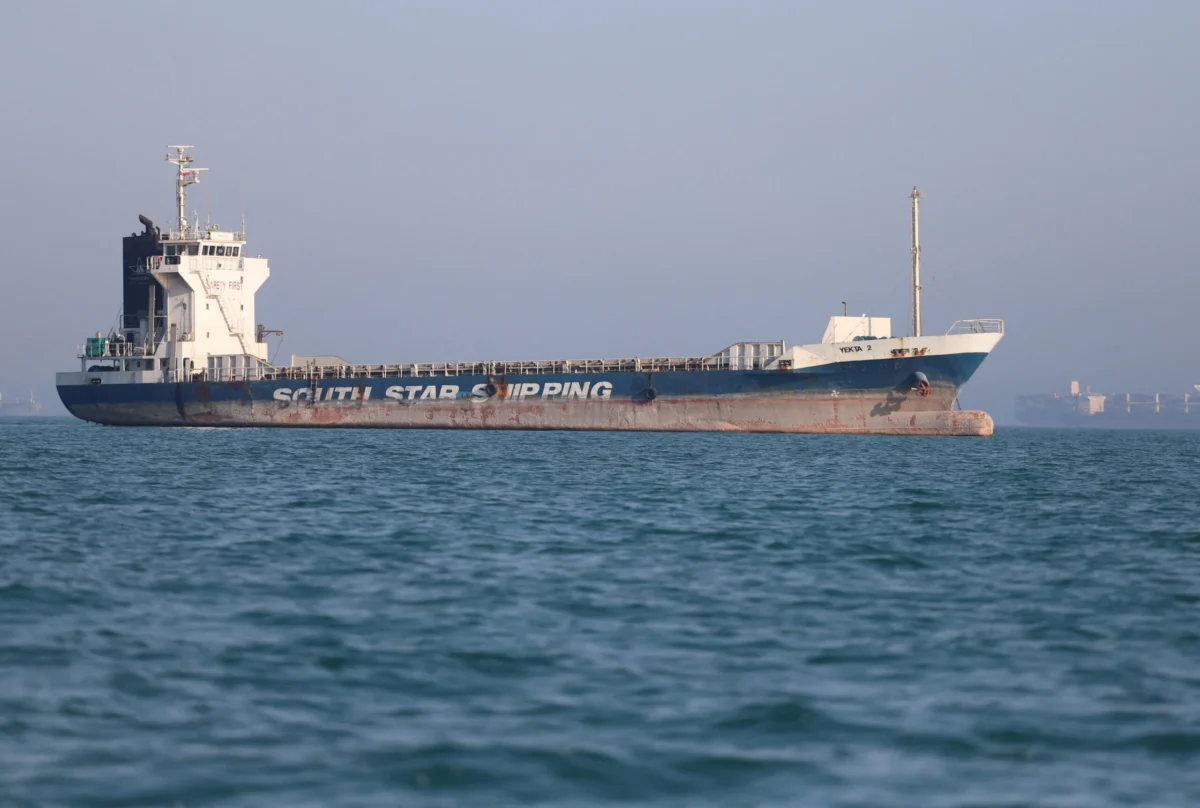
Early indications of the Strait of Hormuz reopening have significantly alleviated the immediate threat to global energy supplies, yet the economic repercussions from nearly four months of conflict will necessitate a prolonged recovery period, analysts cautioned. The signing of a memorandum of understanding between the United States and Iran on Thursday, aimed at normalizing maritime traffic through this critical waterway, marks the formal end to hostilities that had profoundly disrupted global energy markets, exacerbated inflation, and dampened economic growth prospects worldwide.
The Immediate Impact and Lingering Inflationary Pressures
While the resumption of normal shipping through the Strait of Hormuz is a welcome development, economists warn that the inflationary surge witnessed during the conflict will not dissipate overnight. Simon MacAdam, deputy chief global economist at Capital Economics, highlighted in a recent note that much of the heightened inflation has already become entrenched across numerous economies. He explained that the transmission of increased energy and fertilizer costs through food supply chains to end consumers is a gradual process, often taking several months. For instance, the price of natural gas delivered to households typically lags behind fluctuations in the upstream market by approximately three months.
The immediate aftermath of the U.S.-Iran agreement saw a notable decline in oil prices. Brent crude, which had peaked at $118 a barrel in March during the most intense phase of the conflict, retreated to around $80 a barrel by Friday. This price correction prompted Goldman Sachs to revise its oil price forecasts downwards on Tuesday. The investment bank now projects Brent crude to average $80 a barrel in late 2026 and $75 in 2027, citing a swifter-than-anticipated recovery in crude oil flows from the Persian Gulf. However, the full impact of higher energy costs and upstream supply disruptions on downstream sectors like food and energy production will take considerably longer to materialize. Furthermore, a backlog of vessels awaiting transit through the Strait of Hormuz could introduce further delays to a complete normalization of freight flows, according to reports on June 18, 2026.
Global Economic Outlook and World Bank Projections
The broader global economic landscape remains fragile. The World Bank, in its latest assessment released last week, lowered its global economic growth forecast to 2.5%, the slowest pace recorded since the onset of the COVID-19 pandemic. Even with the anticipated easing of disruptions to oil flows in the coming weeks, the World Bank projects global inflation to climb to 4% this year, an increase from the 3.3% registered in 2025.
The agricultural sector is particularly vulnerable. The World Bank estimates that fertilizer prices could surge by as much as 38% this year. This projected increase is attributed to supply disruptions and shortages of key inputs originating from the Gulf region, which are now rippling through global agricultural markets. This situation poses a significant threat to food security and affordability for millions worldwide.
Regional Impacts and Central Bank Responses
Europe, in particular, may face intensified inflationary pressures. MacAdam pointed out that natural gas storage levels in Europe remain historically low. He anticipates that inflation in both Europe and Japan could rise by an additional three to four percentage points due to the upward movement in U.S. liquefied natural gas export prices.
In response to the escalating inflation, central banks have been compelled to adjust their monetary policy stances. The European Central Bank (ECB), acting as the first major central bank to tighten its monetary policy, raised interest rates last week, marking its first such move in nearly three years. This decision reflects a growing concern about entrenched inflation within the Eurozone.

In the United States, the Federal Reserve, under the leadership of its new Chairman Kevin Warsh, opted to keep short-term interest rates unchanged on Wednesday. However, the Fed revised its forecast for personal consumption expenditures inflation upwards to 3.6% by December, a significant increase from the 2.7% projected in March. Notably, nine out of the 18 voting members of the Federal Open Market Committee now anticipate at least one interest rate hike before the end of 2026. This divergence in policy signals underscores the complex challenge facing central bankers: balancing the need to curb inflation with the imperative to support economic growth, a calculus significantly altered by the Hormuz crisis.
Similarly, the Bank of England maintained its policy rates unchanged but issued a cautionary statement. The central bank warned that "even in the event of prompt conflict resolution, there could be a logistical delay in restoring energy production and transportation." This sentiment highlights the persistent nature of the economic aftershocks from the conflict.
Strategic Realignments and Energy Security
The prolonged disruption in the Strait of Hormuz has also prompted a fundamental reassessment of energy security strategies by governments worldwide. Nations that experienced the brunt of the supply chain interruptions are expected to prioritize bolstering their strategic energy reserves, allocating resources to accelerate domestic energy production, and actively pursuing diversified supply routes. The overarching goal is to diminish reliance on single chokepoints like the Strait of Hormuz, thereby enhancing national energy resilience.
Matteo Lanzafame, director at the Asian Development Bank, emphasized the importance of proactive preparedness during a virtual event on Thursday. He stated, "Ensuring that everyone has a certain level of buffer in peaceful times would provide that cushion against even a global contingency." This philosophy underscores a shift towards building greater economic and strategic resilience against unforeseen global events.
Broader Economic Implications and Future Outlook
The hawkish stance adopted by many central banks is unlikely to be reversed swiftly, given the persistent elevation of fuel prices and the ingrained nature of inflation, according to Alex Holmes, regional director at the Economist Intelligence Unit. He further noted that food inflation is also facing additional headwinds. This is partly due to the looming threat of a "super El Niño" event, which is expected to negatively impact agricultural output in the coming months, exacerbating existing supply-side pressures.
The crisis has also underscored the interconnectedness of global commodity markets and the far-reaching consequences of geopolitical instability. The prolonged closure of a critical transit route like the Strait of Hormuz, even for a limited duration, can trigger a cascade of economic disruptions, from increased transportation costs to commodity shortages and subsequent price hikes.
Looking ahead, the economic recovery will likely be a staggered process. While the immediate threat to energy supplies has receded, the accumulated inflationary pressures, coupled with potential disruptions in other critical sectors like agriculture, will continue to shape the global economic outlook for months, if not years, to come. Central banks will face the delicate task of navigating this complex environment, aiming to restore price stability without triggering a severe economic downturn. The experiences of the past few months will undoubtedly serve as a stark reminder of the vulnerabilities inherent in global supply chains and the paramount importance of strategic foresight and robust contingency planning.
The events surrounding the Strait of Hormuz conflict and its resolution offer a critical case study in the fragility of global energy markets and the profound economic ramifications of geopolitical tensions. The agreement to reopen the strait represents a significant de-escalation, but the path to full economic recovery remains long and fraught with challenges, demanding careful management by policymakers and a sustained focus on building resilience within global economic systems. The price of oil, while receding from its peak, is still subject to global demand dynamics and ongoing supply-side considerations, including the pace of recovery in production and the potential for future disruptions. The commitment to diversification of energy sources and supply routes will likely gain further traction as nations seek to insulate their economies from similar shocks in the future.
