

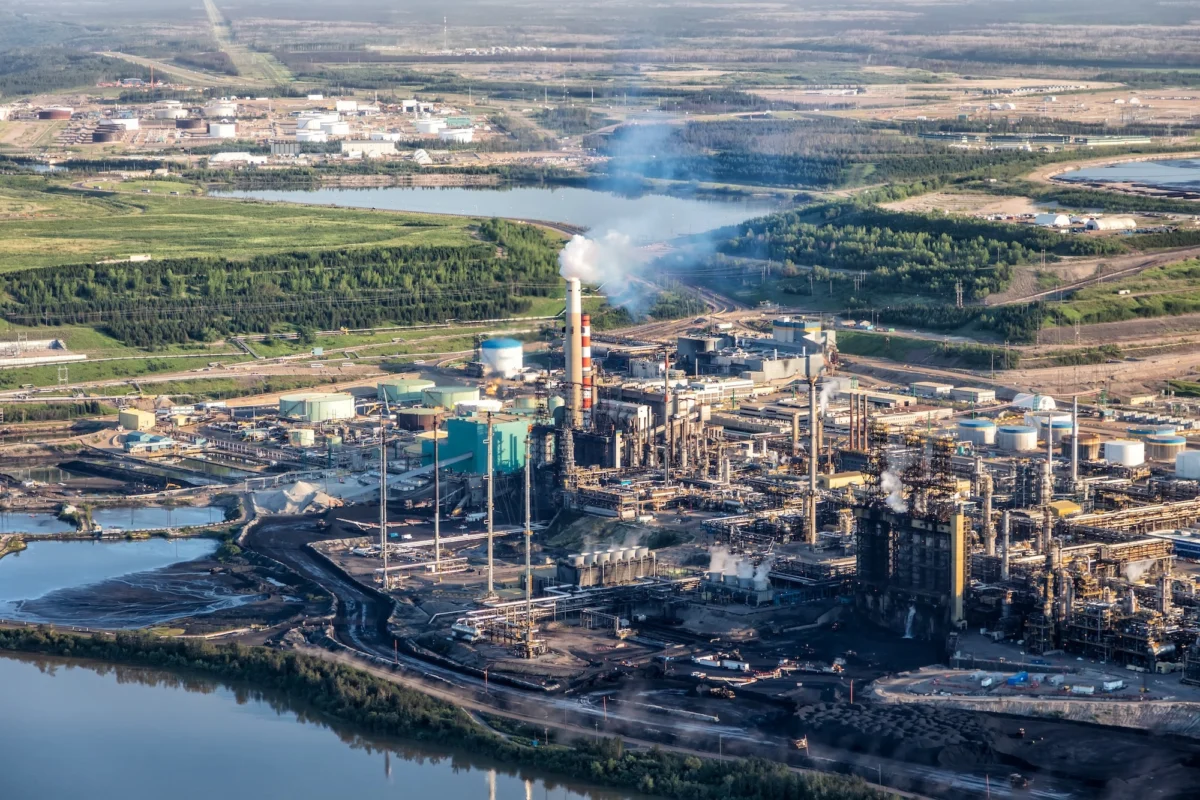
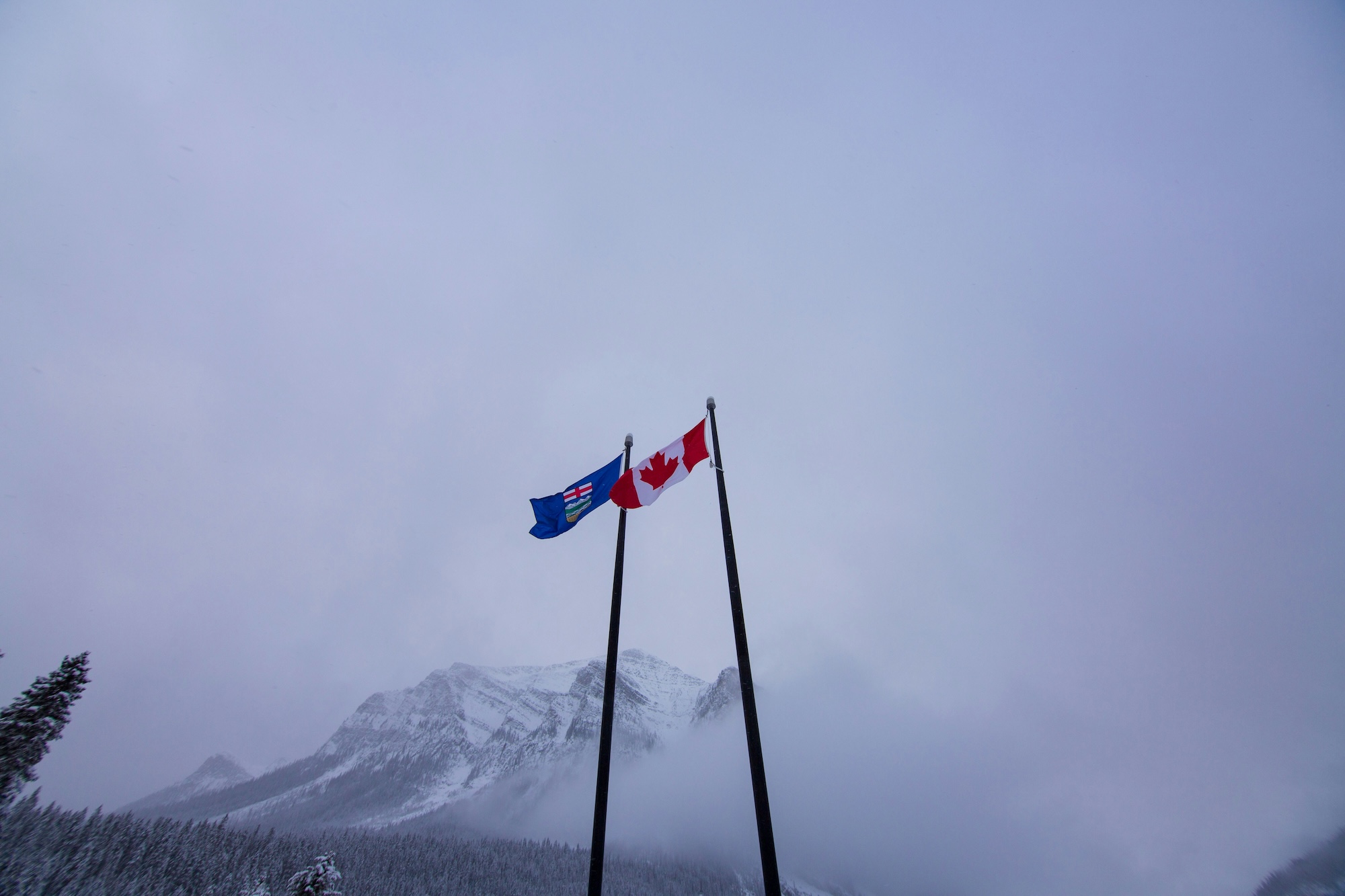
The province of Alberta is currently at the center of a geopolitical and legal firestorm as government investigators probe a massive voter privacy breach linked to a controversial separatist movement. The scandal, which involves the unauthorized distribution of personal data belonging to millions of Canadian citizens, has revealed surprising connections to influential United States Republican figures and a Michigan-based political organization. This development comes at a critical juncture for the province, as residents prepare for a high-stakes ballot referendum this fall to decide whether Alberta should remain a part of the Canadian confederation or begin the complex process of becoming a sovereign, independent nation.
The controversy began when administrative officials at Elections Alberta discovered a leaked training video on YouTube produced by a separatist organization known as the Centurion Project. The video inadvertently showcased a searchable database containing the sensitive personal information of nearly 3 million Alberta voters—virtually the entire voting population of the province. Investigations quickly revealed that this database was derived from an official provincial voter list that the Centurion Project was never authorized to access, possess, or distribute. Privacy experts have characterized the leak as one of the most significant privacy incidents in Canadian history, noting that the data included names, residential addresses, and specific polling station numbers.
As the investigation deepened, it crossed international borders, highlighting a sophisticated technological pipeline between Alberta separatists and the Michigan-based group 10x Votes. This organization gained prominence in the United States for developing a high-tech voter turnout application that was instrumental in Donald Trump’s successful 2024 presidential campaign. The 10x Votes app utilizes a "peer-to-peer" influence model, allowing users to identify and "claim" infrequent voters within their social circles to encourage them to go to the polls. David Parker, the head of the Centurion Project, has since admitted to working with 10x Votes for nearly two years to adapt this technology for use in the Alberta separatist movement.
The international dimensions of the scandal are further complicated by the involvement of Pete Hoekstra, the Trump-appointed U.S. Ambassador to Canada. Hoekstra, who previously served as the chairman of the Michigan Republican Party, has been a vocal proponent of the 10x Votes platform. While Hoekstra has denied direct knowledge of the app’s deployment by Alberta separatists, investigative reports from Canadian outlets like PressProgress and the National Observer suggest a deeper integration. Specifically, data from Alberta voters was reportedly discovered on the 10x Votes website, suggesting that the U.S. organization may have actively processed Canadian voter data to help refine the Centurion Project’s tools.
A Chronology of the Scandal and Legal Responses
The timeline of the investigation underscores the speed at which the scandal moved from a fringe online video to a multi-agency law enforcement priority. In April 2026, the initial YouTube leak was flagged by Elections Alberta, leading to an immediate internal review. By mid-May, the scale of the breach became clear, prompting the involvement of the Royal Canadian Mounted Police (RCMP) and the provincial privacy commissioner.
David Parker was served with a formal summons shortly after the investigation commenced. In response to the mounting legal pressure, the Centurion Project’s app was taken offline, and the organization’s searchable database was disabled. However, the political damage had already been done. While the Centurion Project maintains that the data was provided by an unidentified third party and denies intentional wrongdoing, the unauthorized possession of a government voter list remains a serious legal infraction. Parker has reportedly left Canada and is currently not cooperating with the ongoing investigations, a move that has only intensified public scrutiny.
The editorial board of the Winnipeg Free Press and other major Canadian media outlets have called for a transparent accounting of any foreign financial influence. The prospect of American political operatives and capital being used to destabilize the Canadian federation has sparked a wave of nationalism and concern over foreign interference. Some political commentators have gone as far as urging Canadian Premier Mark Carney to declare Ambassador Hoekstra persona non grata, a move that would effectively expel the U.S. diplomat from the country.
The Economic and Cultural Roots of Alberta Separatism
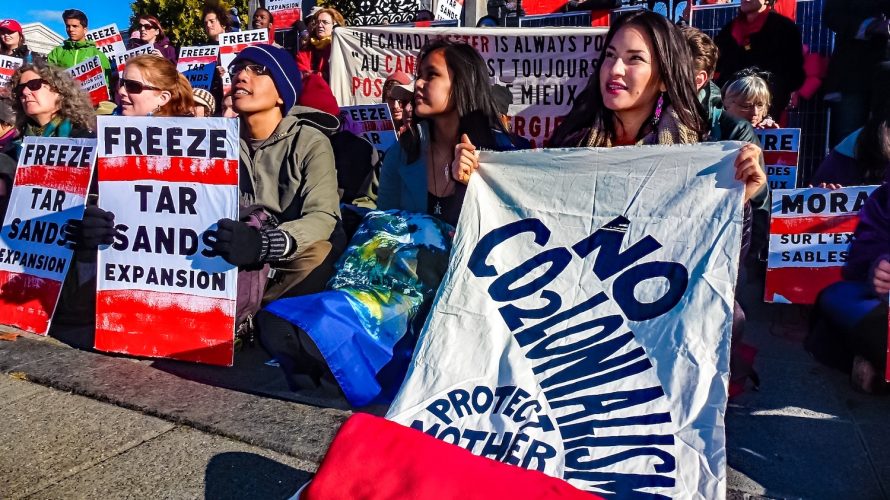
To understand the gravity of the upcoming referendum, one must look at the unique economic and cultural position Alberta occupies within Canada. Unlike the separatist movement in Quebec, which is primarily fueled by a desire to preserve the French language and a distinct cultural identity, Alberta’s grievances are rooted in economics, energy policy, and a perceived lack of political representation in Ottawa.
Alberta sits atop one of the world’s largest deposits of crude bitumen, located in the Athabasca tar sands. These reserves are estimated at 167 billion barrels—a figure that dwarfs the total oil reserves of the United States. For decades, Alberta has been the primary engine of Canadian economic growth, contributing billions of dollars to the federal government through "equalization payments." This system, designed to ensure that all provinces can provide a similar level of public services, has long been a point of contention. Many Albertans feel that their wealth is being redistributed to other provinces while the federal government simultaneously implements climate policies that threaten the viability of the oil and gas sector.
The separatist narrative, often referred to as "Wexit," argues that an independent Alberta would be free from federal environmental regulations and the financial burden of equalization. Proponents suggest that a sovereign Alberta could "take care of itself," utilizing its massive energy wealth to fund a high standard of living without interference from the eastern political establishment.
The Environmental and Logistics Paradox
However, the path to independence is fraught with environmental and logistical hurdles. The extraction of oil from tar sands is a carbon-intensive process, often described by environmentalists as a "carbon bomb." Producing a single barrel of oil requires the processing of approximately two tons of tar sands, leading to significant land disruption and greenhouse gas emissions.
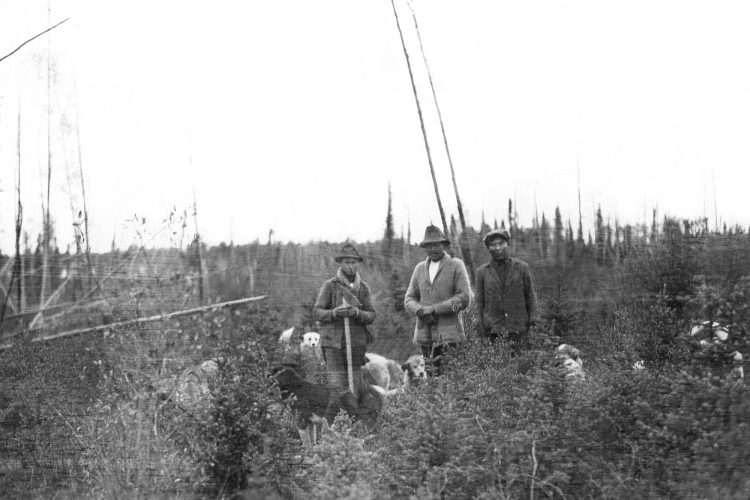
Furthermore, Alberta is landlocked. For its oil to reach global markets, it must cross other jurisdictions. The history of the Keystone XL pipeline, which was eventually canceled due to environmental opposition in the United States, serves as a cautionary tale for the province. While recent developments, such as the expansion of the Trans Mountain Pipeline and the fast-tracking of the Bridger oil pipeline by the Trump administration, have provided new export routes, these remain vulnerable to political shifts in neighboring regions.
Market analysts, including those from S&P Global, have also cast doubt on the long-term sustainability of an oil-based independent economy. Forecasts suggest that oil sands production may peak as early as 2030 as the world shifts toward renewable energy. If global demand for heavy crude declines, a sovereign Alberta could find itself with a massive, expensive government infrastructure and a shrinking revenue base.
The Financial Reality: A $400 Billion Price Tag
The most significant blow to the separatist movement may have come from within the provincial government itself. Alberta Premier Danielle Smith recently released a comprehensive cost estimate for the transition to independence. The figures are staggering: establishing a fully functional national government—including a military, a central bank, international embassies, and provincial border controls—would cost approximately $400 billion annually.
When broken down, this equates to roughly $80,000 for every man, woman, and child in Alberta, every year. Premier Smith, while traditionally a defender of provincial rights, has used these figures to highlight the practical impossibilities of secession. The financial burden of assuming a share of the Canadian national debt, combined with the loss of federal services, presents a fiscal reality that many voters find unpalatable.

Broader Implications for Canada-U.S. Relations
The scandal has brought Canada-U.S. relations to a modern low. Already strained by trade disputes and President Trump’s rhetoric regarding the NATO alliance, the relationship is now burdened by accusations of election meddling. Trump’s previous comments referring to Canada as a "51st state" have resurfaced in the public consciousness, fueling fears that American political interests are actively working to fracture the Canadian state for strategic or economic gain.
Ambassador Hoekstra’s defense of these remarks, along with his history of disparaging comments about the Canadian people, has alienated many of his hosts. The discovery of Canadian voter data on a U.S. political site linked to his allies has turned a diplomatic friction into a national security concern.
As the fall referendum approaches, the outcome remains uncertain. While the separatist movement has gained more mainstream attention than ever before, the combination of a massive privacy scandal, the high cost of independence, and the specter of foreign interference may have tipped the scales. If the referendum fails, it will likely be viewed as a significant defeat for the cross-border network of populist and separatist influencers who sought to redraw the map of North America. For now, the people of Alberta must weigh the allure of sovereignty against the legal, economic, and diplomatic realities of a world that is increasingly interconnected and volatile.
