

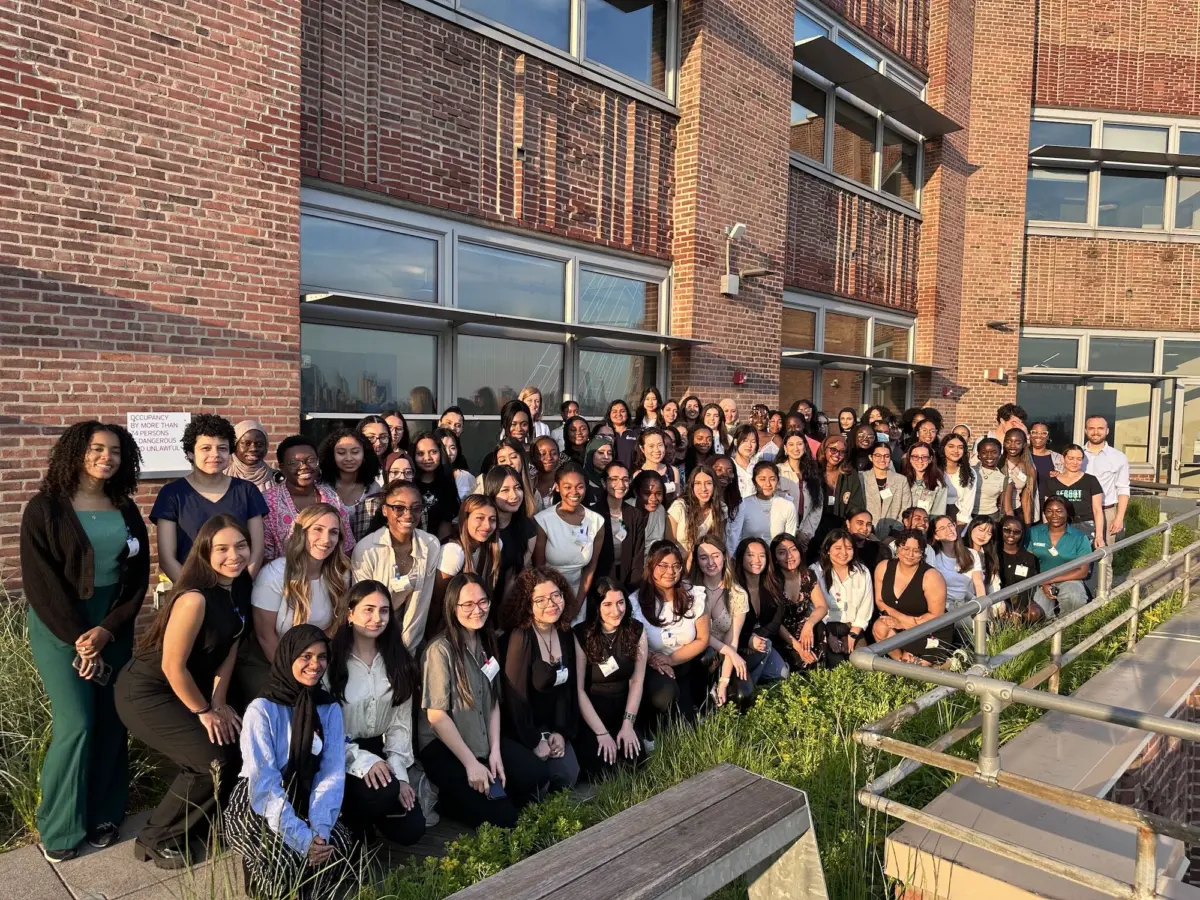
The rapid integration of artificial intelligence into the global economy has created a significant disconnect between the traditional academic preparation of young professionals and the immediate needs of the modern workforce. As of 2026, the demand for AI-literate talent has reached a critical threshold, forcing a fundamental reassessment of how educational institutions and workforce development organizations prepare the next generation of workers. Recent data from Pearson indicates that more than 50 percent of employers currently struggle to find new graduates who possess the necessary AI competencies, while only 25 percent believe that higher education institutions are evolving at a pace sufficient to meet the demands of an AI-driven job market. In response to this widening chasm, a coalition of nonprofit organizations, including NPower, the Last Mile Education Fund, Reboot Representation, and Rewriting the Code, has partnered with industry leaders like the data management firm Everpure to bridge the gap between classroom theory and industrial application.
The Evolution of AI Integration: A Chronology of Response
The current state of AI in the workforce is the result of a swift and often turbulent period of technological adoption that began in earnest in late 2022. When generative AI first entered the public consciousness, the initial reaction from educational systems was characterized by caution and, in many cases, outright prohibition. In major metropolitan hubs such as New York City, school districts initially implemented bans on AI tools to prevent academic dishonesty and preserve traditional learning metrics. However, by 2024, the narrative began to shift as the economic reality of AI became undeniable. Industry leaders argued that banning these tools was counterproductive, as it denied students the opportunity to develop the very skills that would be required of them upon graduation.

By 2025, a global trend toward "responsible integration" emerged. Countries like Denmark became pioneers in this space, moving away from prohibition toward a model of accountability. Under this progressive system, students were permitted to utilize AI as a resource for drafting and research, provided they could orally defend their work and demonstrate a deep understanding of the conclusions generated. This shift signaled a move toward evaluating critical thinking and discernment rather than just the final written product. In the United States, workforce development organizations began to adopt similar philosophies, emphasizing that AI should be viewed not as a replacement for human effort, but as a catalyst for enhanced productivity and analytical depth.
Data-Driven Insights into the AI Job Market
The impact of AI on entry-level hiring is nuanced, presenting both challenges and opportunities for those entering the workforce. According to a 2026 report from the Strada Education Foundation, companies that have successfully integrated AI into their internal systems are actually more likely to offer entry-level opportunities than those that have resisted the technology. This phenomenon is driven by the fact that AI allows smaller firms to automate processes that previously required enterprise-level resources, thereby creating a need for junior staff to manage and oversee these automated systems.
However, the nature of these entry-level roles has undergone a significant transformation. While some tech giants, such as IBM, have increased their hiring quotas for roles focused on AI implementation, other organizations have shifted their focus toward candidates with advanced degrees, such as PhD students, for specialized AI development. This creates a "credentials gap" where traditional bachelor’s degrees may no longer suffice for certain high-tech career paths. To counter this, nonprofits like NPower have provided free career training to over 12,000 young people, focusing on the specific certifications and hands-on experiences that employers currently value over traditional academic credentials.
Strategic Responses from Workforce Development Leaders
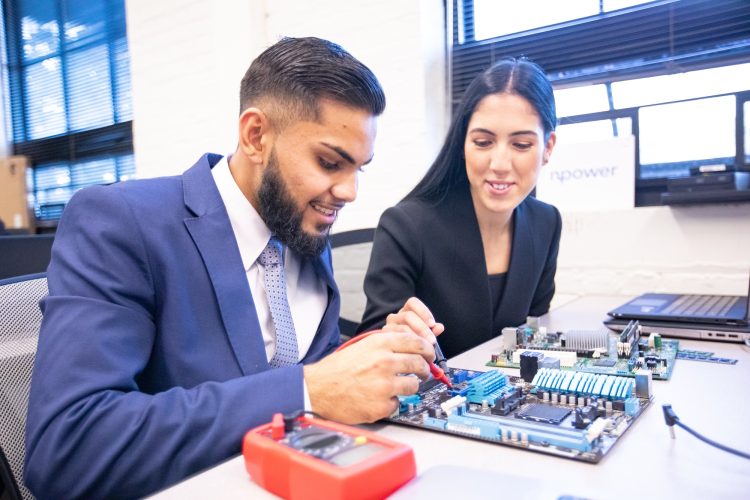
The nonprofit sector has become a vital intermediary in the AI transition, providing the agility that traditional universities often lack. NPower, a leading organization in this space, has focused on "blurring the lines" between the classroom and the workplace. By partnering with corporate entities that provide real-world datasets and problems, NPower ensures that its students are not learning in a vacuum. Robert Vaughn, NPower’s Chief Innovation Officer, emphasizes that the fear of cheating must be replaced by a curriculum that provides AI exposure and requires students to provide evidence of their learning through practical application.
Similarly, the Everpure Foundation, the philanthropic arm of the data management firm Everpure, has targeted its grant funding toward organizations that prepare young people for the specific ways AI impacts early career trajectories. Niki Armstrong, Chief Administrative and Legal Officer for Everpure, argues that AI is not a threat to the entry-level workforce but rather a primary reason for its necessity. In her view, the human element—specifically the ability to exercise judgment—is the most critical skill that a machine cannot replicate. Everpure’s strategy involves hiring young talent who already understand the tools, allowing the company to focus its training on teaching those hires when to trust an AI-generated answer and when to interrogate it.
The Rise of Durable Skills in a Technical World
As technical skills become increasingly automated, "human durable skills" have seen a resurgence in value. These include analytical reasoning, emotional intelligence, communication, and complex problem-solving. Sue Harnett, CEO of Rewriting the Code—an organization supporting over 50,000 women in tech—notes that the shift toward hybrid and remote learning during the early 2020s resulted in a deficit of behavioral talents among recent graduates. Employers are now placing a premium on candidates who can effectively navigate team dynamics, manage their own career trajectories, and build meaningful professional relationships.
The consensus among workforce experts is that technical proficiency in AI is a baseline requirement, but the ability to apply human discernment is what will define career success in the coming decade. This "judgment factor" is particularly crucial in fields such as law and medicine, where the consequences of an unverified AI decision can be catastrophic. The goal of modern career readiness programs is to produce professionals who can use extraordinary technology to "poke holes" in seemingly perfect answers and challenge the underlying assumptions of algorithmic outputs.
Addressing Equity and the Access Gap
One of the most pressing concerns in the AI era is the potential for the technology to exacerbate existing social and economic inequalities. While AI has the potential to act as a great equalizer by lowering the barrier to entry for complex tasks, this only holds true if access to the technology and the training to use it are distributed equitably. Organizations like Reboot Representation and the Last Mile Education Fund are specifically focused on ensuring that women, low-income students, and underrepresented minorities are not left behind in the AI transition.
The Last Mile Education Fund provides critical gap funding to financially vulnerable students pursuing tech degrees, ensuring that a lack of resources does not prevent a talented individual from completing their education. Meanwhile, Reboot Representation operates as a business coalition, bringing together major tech firms to create a "village" approach to workforce development. Dwana Franklin-Davis, CEO of Reboot Representation, asserts that no single organization can solve the skills gap in isolation. The complexity of the AI landscape requires intentional collaboration between government agencies, private industry, and educational nonprofits to ensure that the "needle of progress" moves for everyone, not just a privileged few.
Broader Implications for the Future Workforce
The transformation of the job market by artificial intelligence is an ongoing narrative, one that requires constant adaptation from all stakeholders. For universities, the implication is clear: the traditional four-year curriculum must become more modular and responsive to industry shifts. For students, the message is one of continuous learning; the skills acquired at the start of a career may be obsolete within five years, necessitating a mindset of lifelong education.
For the broader economy, the successful integration of AI into the workforce promises significant gains in productivity and innovation. However, these gains are contingent upon a workforce that is not only technically capable but also ethically grounded and analytically rigorous. The partnerships between organizations like NPower and Everpure serve as a blueprint for a new model of career readiness—one that prioritizes real-world experience, emphasizes human judgment, and ensures that the benefits of technological advancement are accessible to a diverse and inclusive talent pool. As the AI era matures, the focus will likely shift from how many jobs are being automated to how many new roles are being created that require a sophisticated blend of human intelligence and artificial power.
