


As the global community moves toward the critical mid-century mark for net-zero emissions, the burden of innovation and systemic change is increasingly being carried by the next generation of leaders. The 2024 Corporate Knights Top 30 Under 30 list highlights a diverse cohort of Canadians who are not merely advocating for change but are actively engineering the technologies, financial frameworks, and social structures required for a sustainable future. This year’s list features a blend of entrepreneurs, researchers, and community organizers whose work spans from the high-tech corridors of carbon mineralization to the grassroots level of Indigenous-led land protection. These individuals represent a shift in the sustainability movement: a move away from purely symbolic activism toward measurable, data-driven impact and institutional reform.

The Vanguard of Clean Energy and Carbon Removal
A significant portion of this year’s honorees is focused on the technical challenges of the energy transition. In Toronto, 29-year-old Rajeshwari Sriram serves as the chapters coordinator for Student Energy, where she oversees a global network of 62 youth-led chapters across 32 countries. Her work connects over 3,650 young people to the resources needed for clean-energy action. Through her training programs, she has empowered five new renewable-energy projects that collectively offset an estimated 5.87 tonnes of carbon dioxide annually. Her approach emphasizes that the journey to net-zero must be inclusive and resilient against shifting political landscapes, ensuring youth are active participants in a just transition.
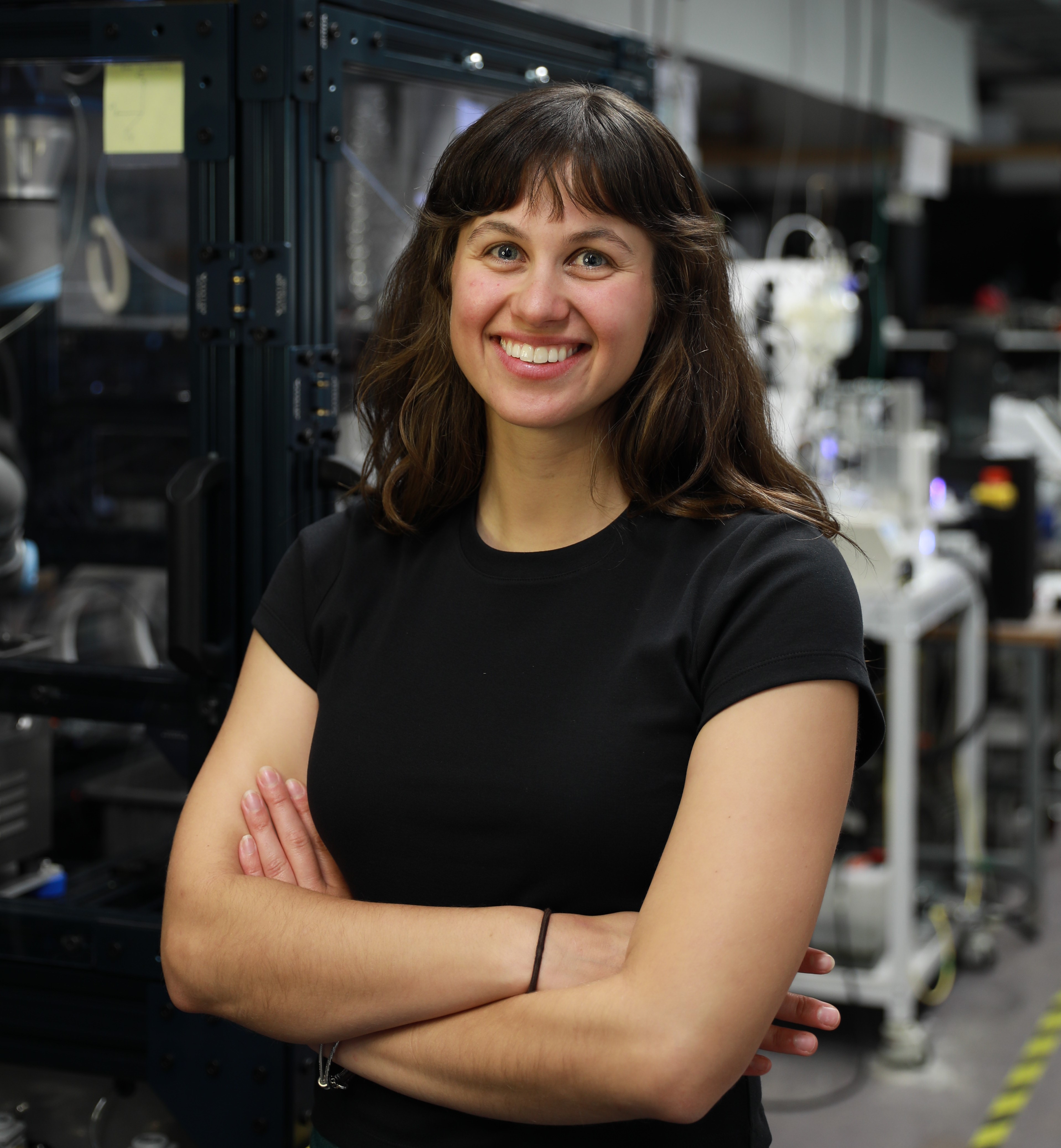
On the West Coast, 28-year-old Mia Stankovic, co-founder and head of operations at Carbonyx, is tackling industrial emissions through carbon mineralization. Carbonyx specializes in converting atmospheric CO2 into rock while simultaneously transforming industrial waste into valuable materials like silica and carbonates. Stankovic has led over $2.1 million in research partnerships with major industry players such as Suncor and Braskem. Her academic contributions are equally significant, with first-author credits in prestigious journals like Energy & Environmental Science. Her work demonstrates that decarbonization can enhance, rather than hinder, industrial prosperity.
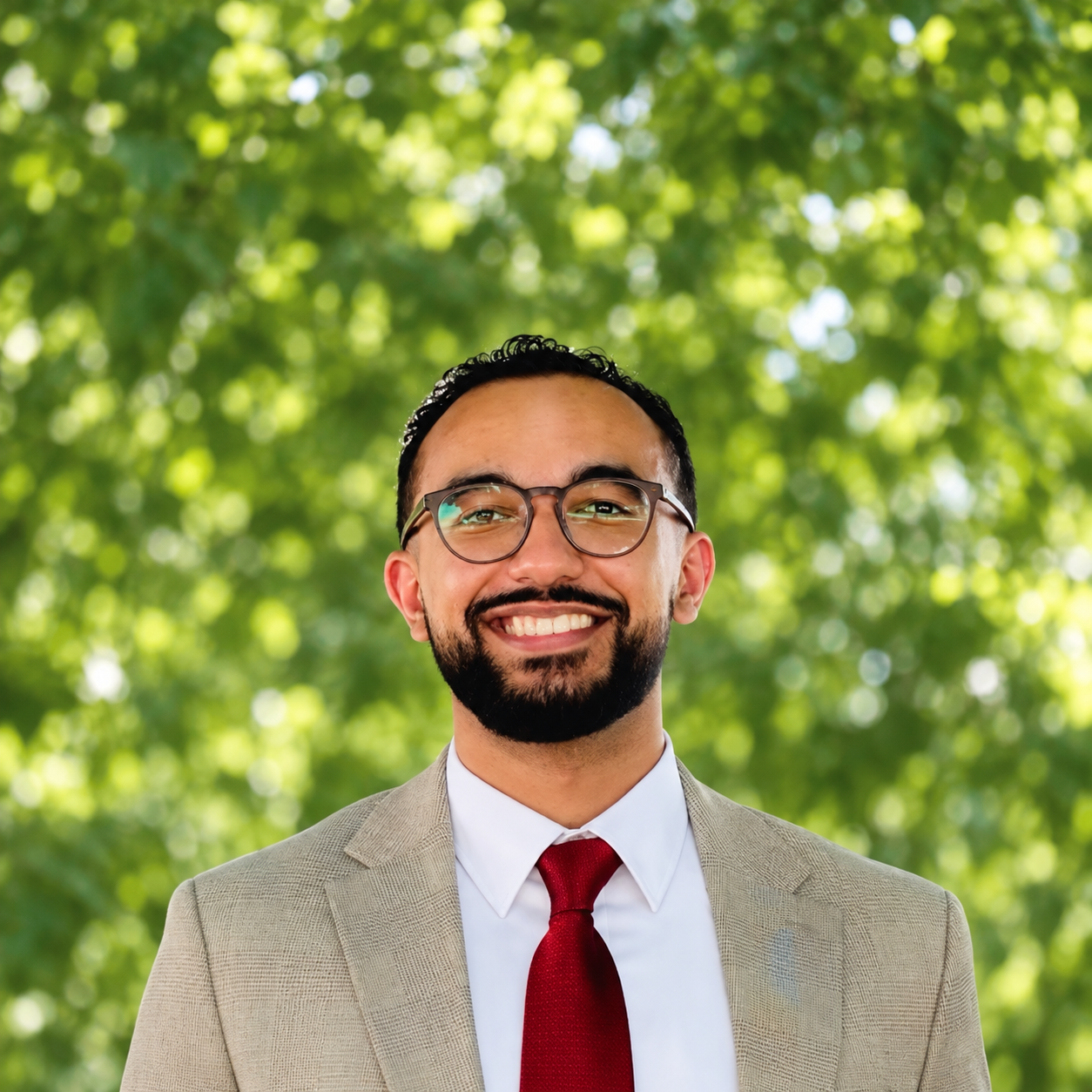
In the realm of carbon removal, Catherine Brenan and Saavin Lidder, both 26, are making strides with CarbonRun. Brenan led the registration and verification of the world’s first river alkalinity enhancement carbon-removal project, while Lidder brings a commercial lens, having advised Fortune 500 companies across seven countries. They represent a pragmatic sector of the climate movement that views carbon dioxide removal not as a "silver bullet" but as a vital component of a regulated, multi-faceted solution.

Revolutionizing the Circular Economy and Resource Recovery
Waste management and resource efficiency remain central to the sustainability discourse. Max Wang, the youngest on the list at just 16 years old, founded the Feeding It Forwards Foundation in Vancouver. Since 2024, his organization has redistributed over 102,000 pounds of surplus food—valued at nearly half a million dollars—to charities supporting thousands of people. His leadership of 100 volunteers and student staff across four cities highlights the scalability of youth-led social enterprises.

Similarly, 20-year-old Kobe Li is addressing medical and material waste through the 20/20 Mission in Hamilton. Since 2023, his team has recovered and refurbished over 8,000 pairs of eyeglasses, diverting 100 kilograms of plastic and metal from landfills and providing vision care to 1,500 patients in Canada and the Caribbean. In the private sector, Darshan Kalra, 25, has scaled Nova Renewables to $10 million in first-year sales. The company has installed 674 clean-energy systems, avoiding an estimated 1,900 tonnes of CO2 emissions annually.
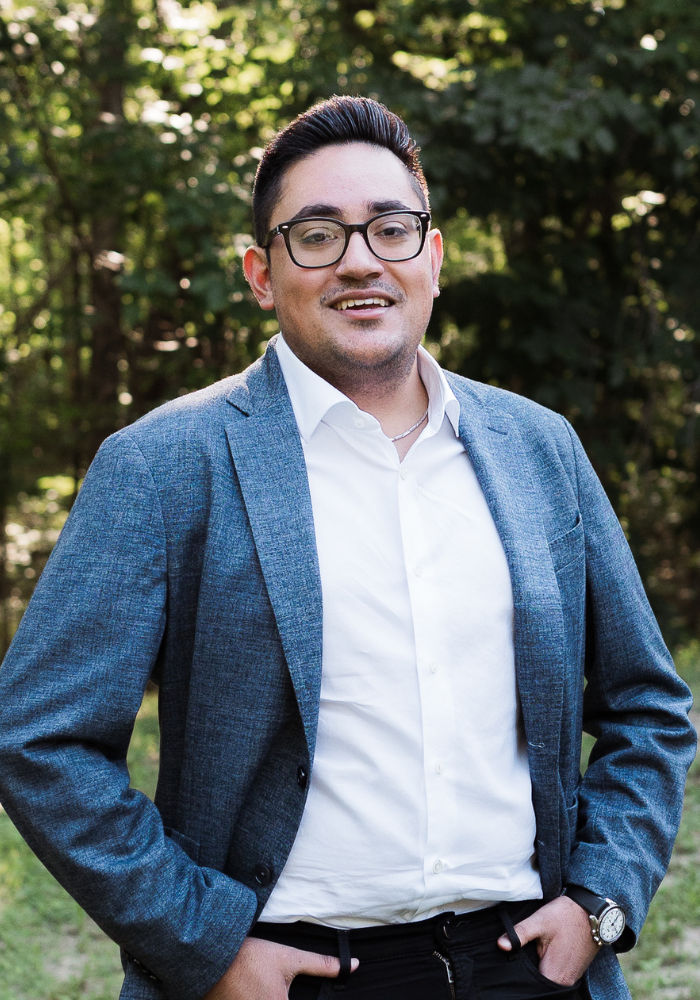
The intersection of technology and the circular economy is further explored by 26-year-old Jaiya Varshney, co-founder of Tydra Labs. Her venture develops high-performance fibrillated chitin, a sustainable alternative to toxic additives in manufacturing. By raising $1.2 million in financing, Varshney is proving that bio-based materials can compete on cost and performance, a necessary step for industry-wide adoption.

Indigenous Leadership and Reconciliation in Climate Action
The 2024 list underscores the essential role of Indigenous sovereignty and knowledge in environmental stewardship. Hunter Michael, a 28-year-old member of the Beardy’s and Okemasis Cree Nation, serves as a senior manager at the Royal Bank of Canada’s Truth and Reconciliation Office. He co-led the bank’s Reconciliation Action Plan and helped facilitate over $340 million in financing for Indigenous housing and $5 million for Indigenous-led businesses. His work focuses on upholding Indigenous rights within the financial sector’s lending practices.
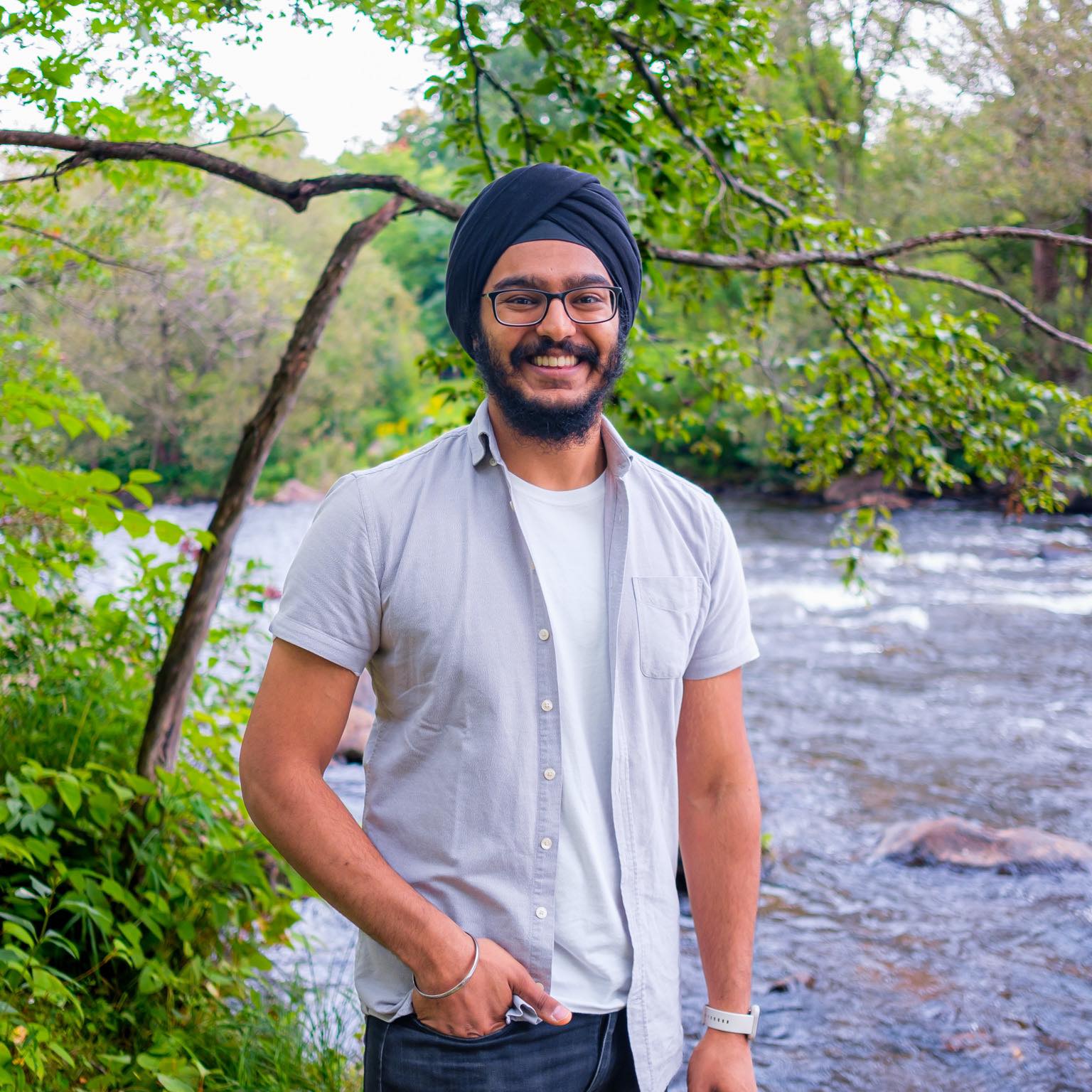
In Calgary, 29-year-old Benjamin Cooper-Janvier, a member of the Cold Lake First Nations and a senior manager at MNP, supports Indigenous communities in evaluating equity investments and major projects. His focus is on building economic capacity so that Indigenous communities can shape their own futures as genuine partners with industry and government.

The grassroots resistance to environmental degradation is led by cousins Ramon and Jeronimo Kataquapit. Ramon, 24, created the Okiniwak Youth-Led Movement to mobilize against legislation threatening First Nations rights, while Jeronimo, 22, founded "Here We Stand" to protect ecosystems south of Hudson Bay. Their advocacy against Ontario’s Bill C-5 highlights the ongoing struggle to protect sensitive regions from being exempted from environmental safeguards.

The Intersection of Health, Policy, and Climate Justice
The psychological and physiological impacts of climate change are emerging as critical fields of study. Muskaan Muse Laroyia, 25, co-founded the Brain Climate Equity Collaborative in Calgary. Her research connects wildfire smoke and extreme heat to cognitive decline and neurodegenerative processes. By proposing neurological risk indicators for the Federal Sustainable Development Strategy, she is bridging the gap between clinical health and environmental policy.

In Regina, 25-year-old Abhay Singh Sachal has built the Break The Divide Foundation into a national organization. His work addresses "eco-anxiety" among youth, providing evidence-informed frameworks for mental health in schools. Meanwhile, 23-year-old Hannah Permaul Flores at the University of Toronto has conducted extensive fieldwork in the Amazon, investigating the health impacts of forest fires on Indigenous communities. Her work uses both scientific thesis and spoken-word poetry to humanize the data of climate-induced health crises.
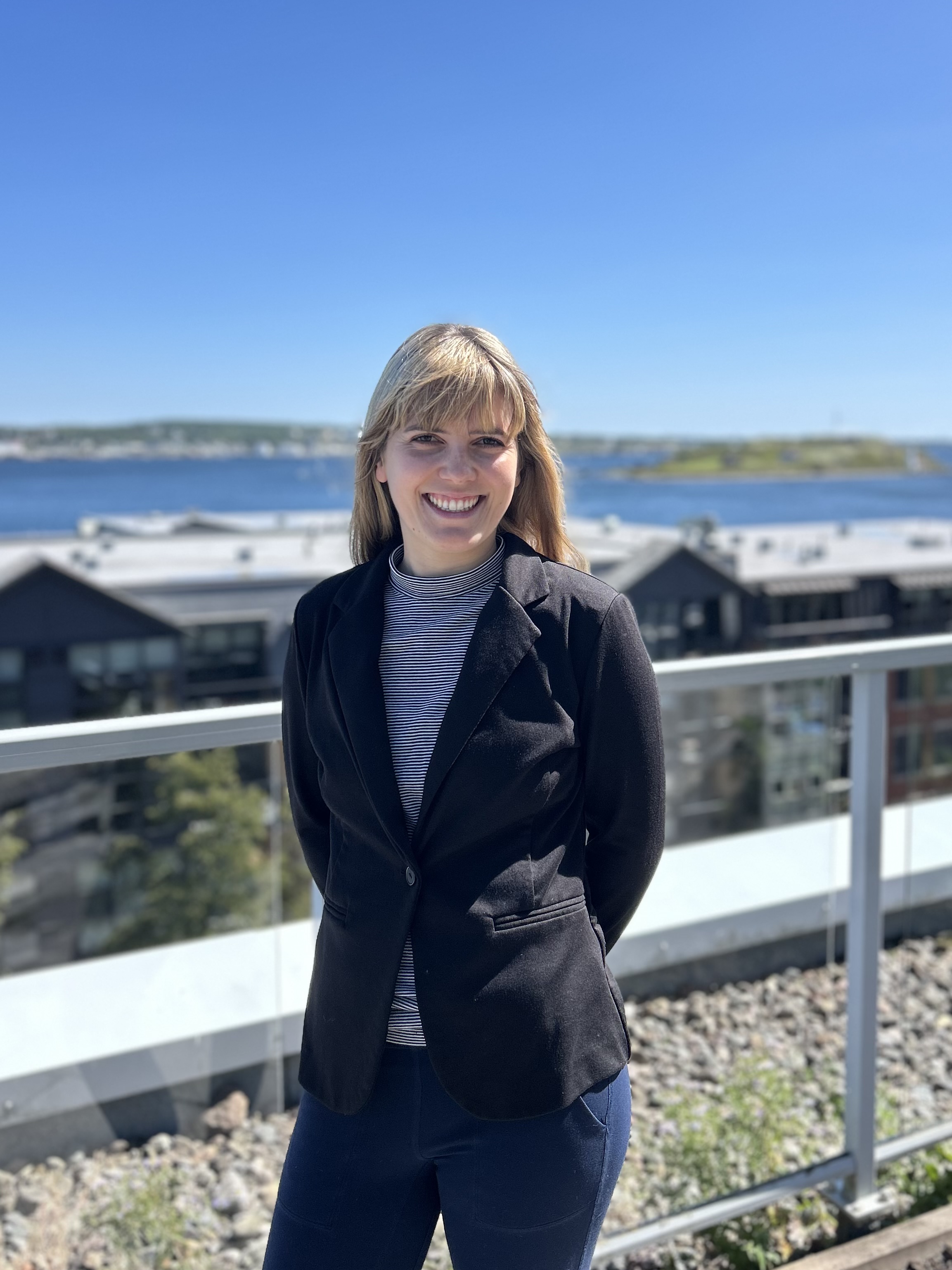
Policy transparency is another key theme. Olivia Deschênes, a 26-year-old legal researcher in Montreal, authored a legal guide on environmental claims that has been downloaded thousands of times by businesses looking to navigate anti-greenwashing regulations. Her upcoming book with LexisNexis aims to embed environmental protection into the core of Canadian legal practice, ensuring that corporate accountability is not a separate field but a fundamental aspect of economic decision-making.

Sustainable Finance and Market Innovation
The transition to a green economy requires massive capital reallocation, a task being undertaken by young financiers like Keshiv Kaushal. At 26, Kaushal is the chief investment officer at Propel Impact Capital, where he leads Canada’s first youth-lens impact fund. He has trained over 600 young people in impact investing and helped secure a $2-billion EV battery-supply-chain investment in Ontario.

In Toronto, 29-year-old Mallika Gupte of GloRes Securities Inc. helps early-stage ventures turn breakthrough technologies into market-ready businesses. By securing grant funding for pilots, she helps companies overcome the "valley of death" that many climate-tech startups face. Ria Perrault, 29, at MaRS, similarly supports this ecosystem. Her "Mission from MaRS" initiative has helped 12 climate-tech ventures raise $25 million and deploy 30 projects in the construction and real estate sectors.

Brian Chang, the 26-year-old general manager of SolarShare, oversees North America’s largest renewable-energy cooperative. Under his leadership, the co-op has raised over $20 million for community solar, demonstrating that decentralized, community-owned energy models are a viable alternative to traditional utility structures.

Broader Implications and the Path to 2050
The profiles of the 2024 Top 30 Under 30 reveal a common thread: a rejection of siloed thinking. Whether it is Jashan Gill’s work in Brampton independently monitoring air quality around incinerators or Wynnie Zhao’s promotion of Doughnut Economics in Toronto, these leaders are treating sustainability as a systems problem. They are integrating mental health, racial equity, and economic resilience into the climate conversation.

The collective impact of these individuals is quantifiable. From the thousands of tonnes of carbon offset to the millions of dollars in capital deployed, the 2024 cohort is providing the "seeds" that Ria Perrault described—planting as many good ideas as possible in an interconnected system. As Canada faces shifting political landscapes and the mounting pressure of climate targets, the work of these under-30 leaders suggests that while the journey to net-zero is not guaranteed, it is being vigorously pursued by a generation that views sustainability not as a choice, but as a prerequisite for survival and prosperity. Their efforts provide a roadmap for how industry, government, and community can collaborate to build a future that is not only low-carbon but also just and resilient.
