

PARIS – The fusion of Donald Trump’s populist MAGA movement with the ascendant "Tech Right" represents one of contemporary politics’ most peculiar and potentially consequential alliances. This coalition, forged through significant financial backing from Silicon Valley billionaires and venture capitalists eager for deregulation, unites a deeply traditional, often nostalgic, political base with a forward-looking technological vanguard. At the core of this ideological marriage lies a shared, albeit differently motivated, assumption: the transformative power of Artificial Intelligence (AI) will fundamentally reshape the global economy, potentially rendering a substantial portion of the human workforce economically obsolete. However, as this powerful bloc increasingly influences critical infrastructure, such as America’s electricity grid, and drives up energy costs, the inherent tensions within this union are poised to culminate in a significant schism.
The Genesis of an Unconventional Partnership
The relationship between the MAGA movement and the Tech Right is not a natural ideological fit. The former, rooted in a desire to restore a perceived past economic and cultural order, often expresses skepticism towards rapid technological change and globalization. The latter, comprised of innovators, disruptors, and investors, thrives on precisely those forces. Yet, shared interests, particularly a fervent belief in deregulation and a desire to challenge established political and economic orthodoxies, have paved the way for their convergence.
This alliance gained significant traction in the lead-up to and during Trump’s presidency. Venture capitalists and tech entrepreneurs, disillusioned with what they viewed as burdensome regulations and high corporate taxes under previous administrations, found a willing ear in Trump. They saw in his promises of deregulation and tax cuts an opportunity to accelerate innovation and maximize profits, unhindered by governmental oversight. The "Tech Right," a term encompassing this segment of the technology industry, began to align itself with the populist fervor of MAGA, seeing it as a powerful vehicle for enacting their pro-business agenda.
The AI Assumption: A Shared Vision, Divergent Motivations
The bedrock of this alliance, and the source of its potential fragility, is the shared belief in the imminent and profound impact of Artificial Intelligence. For many in the Tech Right, AI represents the ultimate frontier of human ingenuity, promising unprecedented efficiency, productivity, and wealth creation. However, this vision is inextricably linked to a stark prediction: AI’s advanced capabilities will automate a vast array of jobs, from manufacturing and transportation to even white-collar professions. This outlook, often termed "techno-optimism" by its proponents, is characterized by a belief that while AI will displace workers, it will ultimately create new, more advanced roles and a higher standard of living for society as a whole, provided the transition is managed with minimal regulatory friction.
The MAGA movement, while not typically characterized by its embrace of cutting-edge technology, has found common ground with this AI-driven future, albeit through a different lens. For some within the movement, the prospect of AI-driven automation aligns with a desire to "bring back" jobs that have been lost to globalization and outsourcing. The narrative often shifts from AI replacing workers to AI enabling a resurgence of domestic manufacturing, with robots and advanced machinery performing tasks previously done by human hands. This allows for a reinterpretation of technological progress as a tool for national economic revival, rather than a driver of global economic interconnectedness. Furthermore, some within the MAGA base may see AI as a means to consolidate power and control, a sentiment that can resonate with populist narratives of reclaiming sovereignty and challenging established elites.
The Infrastructure Gambit: Rewiring America’s Backbone
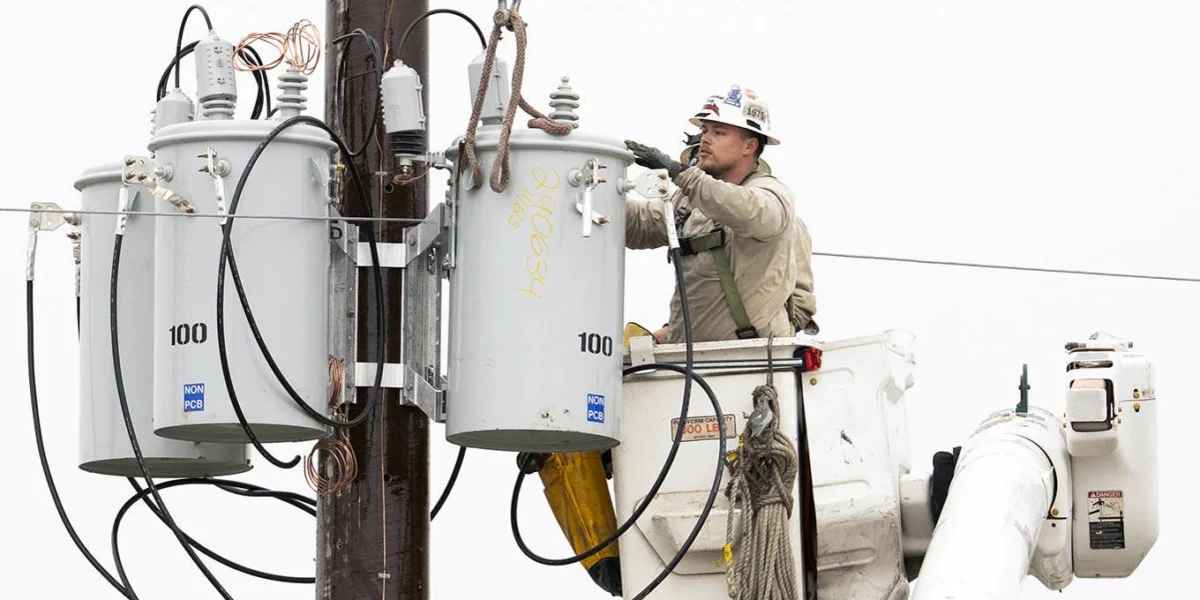
The alliance’s influence has extended beyond policy and rhetoric into the tangible realm of national infrastructure. Reports and analyses suggest that prominent figures and companies associated with the Tech Right have begun to exert considerable influence, and potentially direct investment, in critical sectors like the nation’s electricity grid. This foray into energy infrastructure is driven by a confluence of factors: the need for a stable and robust power supply to fuel the burgeoning AI industry and its data centers, and a broader vision of modernizing and privatizing public utilities.
The implications of this involvement are multifaceted. On one hand, proponents argue that private sector investment and technological innovation can lead to a more efficient, resilient, and advanced energy grid, capable of supporting the demands of a data-driven economy. They point to advancements in smart grid technology, renewable energy integration, and improved grid management systems as potential benefits.
However, this intervention is also raising significant concerns. The sheer scale of energy required by AI data centers is immense, and the rapid expansion of these facilities, often fueled by unchecked demand, is contributing to increased energy consumption and, consequently, rising electricity costs. Critics and energy experts warn that prioritizing the needs of the technology sector over broader public interests could lead to energy scarcity, price volatility, and an uneven distribution of resources. Furthermore, the privatization or significant influence of private entities over critical national infrastructure raises questions about national security, equitable access, and the potential for profit motives to override public service obligations.
Rising Costs and Growing Discontent
The economic ramifications of this evolving landscape are becoming increasingly apparent. As the demand for electricity surges to power AI development and its associated infrastructure, the costs are inevitably being passed on to consumers. This exacerbates existing inflationary pressures and disproportionately impacts lower and middle-income households, the very demographic that forms the core of the MAGA movement.
This economic strain is a critical point of friction. While the Tech Right may view rising energy costs as a temporary consequence of necessary technological advancement and market forces, for the MAGA base, it represents a tangible decline in their quality of life and a betrayal of the promise of economic revival. The populist narrative often centers on protecting the interests of the "common man" against powerful elites and corporations. When those elites are perceived to be directly benefiting from policies that lead to increased costs for ordinary citizens, the foundations of the alliance begin to crack.
An Inevitable Split: Seeds of Disagreement
The inherent contradictions within the Trump-MAGA-Tech Right alliance are becoming increasingly evident, suggesting that a significant divergence is not only possible but perhaps inevitable. The core of this impending schism lies in the divergent priorities and the unequal distribution of benefits.
For the Tech Right, the primary objective is continued innovation, profit maximization, and minimal regulatory interference. Their embrace of AI is a strategic imperative for future growth, and they are willing to accept, and even drive, significant societal and economic shifts to achieve it. Their focus remains on the abstract potential of technology and the economic gains it promises.
Conversely, the MAGA movement, at its heart, is a response to perceived economic disenfranchisement and cultural anxieties. While it may have been co-opted by the Tech Right for its own ends, its fundamental appeal lies in addressing the immediate concerns of its base: jobs, wages, and a sense of national identity. The increasing cost of living, fueled in part by the energy demands of the very tech sector that supports Trump, directly undermines these concerns.
This creates a scenario where the populist movement, historically protective of the working class, finds itself increasingly at odds with the technological elite it has allied with. The narrative of economic revival championed by Trump risks being overshadowed by the reality of rising household expenses, a direct consequence of the unchecked growth of the tech industry.
Broader Impact and Future Implications
The potential unraveling of this alliance carries significant implications for both the future of the Republican Party and the broader direction of American politics and technology.
Political Realignment: If the MAGA movement begins to openly question the economic consequences of the Tech Right’s agenda, it could lead to a significant realignment within the Republican Party. This could manifest as a renewed emphasis on populist economic policies that prioritize the working class over corporate interests, potentially alienating a segment of the party’s donor base. Alternatively, it could lead to a fracturing of the party, with different factions aligning with differing priorities.
Technological Governance: The growing influence of tech billionaires in critical infrastructure and their assumptions about AI’s economic impact raise profound questions about the governance of technology. The current trajectory suggests a future where technological advancement is driven by private interests with limited public oversight, potentially exacerbating societal inequalities and creating new forms of economic precarity.
Public Trust and Social Cohesion: The perceived disparity between the promises of technological progress and the lived economic realities of ordinary citizens could erode public trust in both government and technological institutions. This could fuel further social division and political instability.
Regulatory Landscape: The future of regulation in the tech and energy sectors will likely be a battleground. As the negative consequences of unchecked technological expansion become more apparent, there will be increasing pressure for regulatory intervention. The Tech Right will undoubtedly resist such measures, while populist movements may find renewed purpose in advocating for stronger consumer protections and fairer economic distribution.
In conclusion, the peculiar marriage between Donald Trump’s MAGA movement and the Tech Right, born out of shared desires for deregulation and a belief in the transformative power of AI, is showing clear signs of strain. As the economic realities of unchecked technological expansion, particularly in critical sectors like energy, begin to impact the very base that propelled this alliance, an inevitable reckoning appears on the horizon. The future trajectory of American politics and its technological landscape hinges on how this inherent tension is resolved, and whether the promise of innovation can truly be reconciled with the economic well-being of all citizens.
