

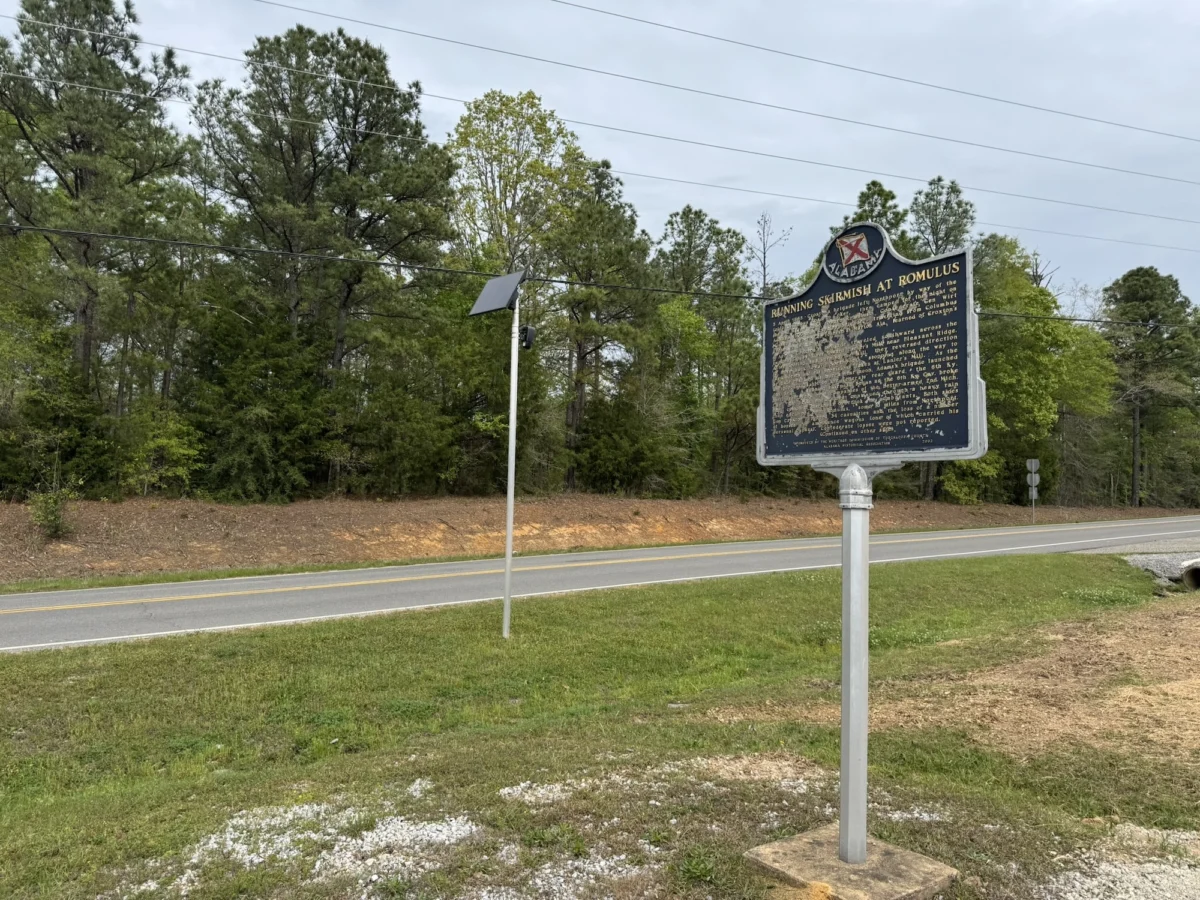
A growing bipartisan wave of opposition is cresting across the United States as communities, civil rights advocates, and legal scholars grapple with the rapid proliferation of automated surveillance technology. At the center of this firestorm is Flock Safety, a Georgia-based startup that has transformed from a niche security provider into a primary architect of a nationwide vehicle-tracking network. While the company maintains that its technology is a vital tool for public safety, a series of high-profile errors, instances of law enforcement abuse, and concerns over Fourth Amendment violations have sparked a movement to "get the flock out." Last month alone, municipal contracts with the company were cancelled at a rate of nearly one per day, signaling a significant shift in public sentiment regarding the balance between security and privacy.
The Infrastructure of Invisible Policing
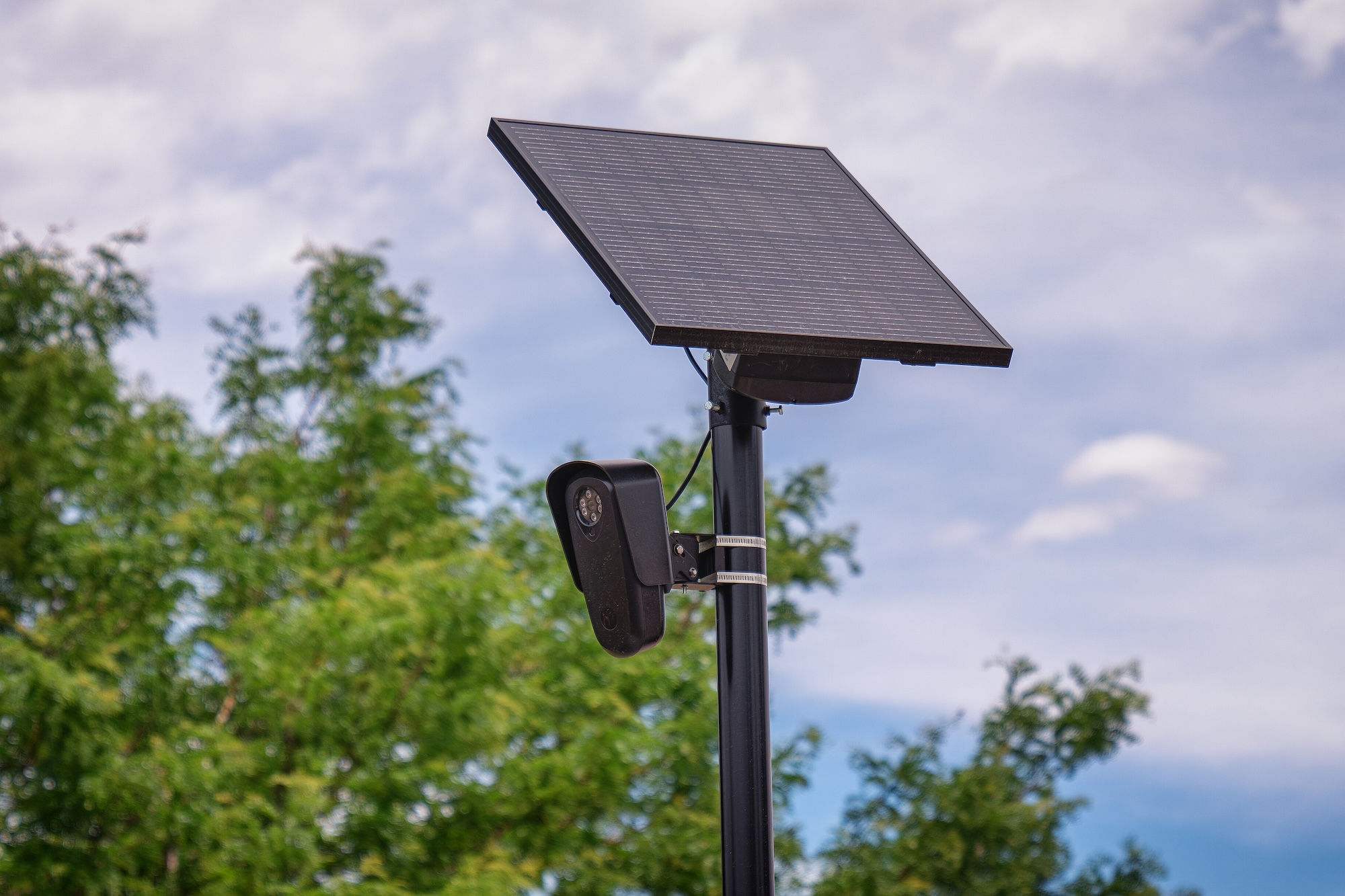
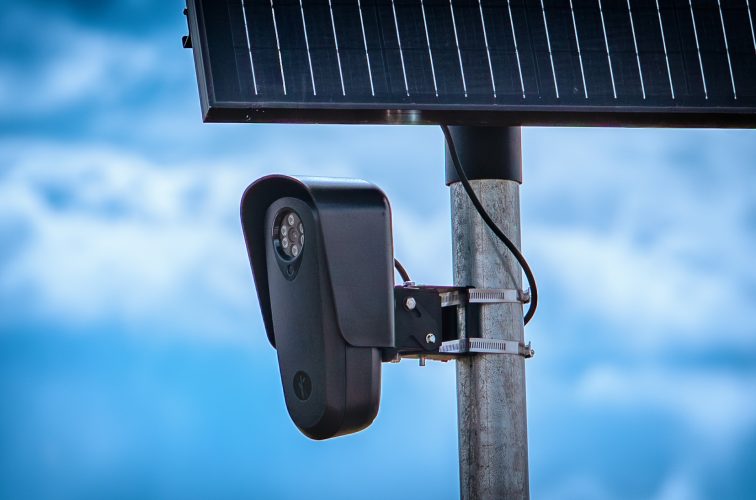
Flock Safety’s footprint is staggering. The company currently operates approximately 120,000 automated license plate readers (ALPRs) across 7,000 communities in the United States. Unlike traditional security cameras that merely record video for later review, Flock’s devices utilize sophisticated artificial intelligence to create a searchable, "fingerprinted" record of every vehicle that passes. The system does not just capture alphanumeric plate data; it logs vehicle make, model, color, and specific identifying features such as roof racks, bumper stickers, and even minor body damage.
Recent updates to the technology have further expanded these capabilities. Newer Flock devices are equipped with software designed to recognize and track pedestrians, effectively extending the surveillance net from vehicles to individual citizens moving through public spaces. This data is fed into a centralized database that allows law enforcement agencies to track the historical movements of a vehicle or individual across jurisdictions, often without a warrant.
The scale of data collection is unprecedented. Flock’s network processes more than 20 billion license plate reads every month. While the company boasts a 93 percent accuracy rate in its marketing materials, the sheer volume of data means that even a 7 percent error rate results in over a billion inaccurate readings monthly. These inaccuracies are not merely statistical anomalies; they have real-world consequences that have put innocent lives at risk.
A Chronology of Error and High-Stakes Encounters
The integration of ALPR technology into real-time police operations has led to a worrying pattern of "high-risk" traffic stops based on faulty data. When a Flock camera flags a vehicle—whether for being stolen, linked to a felony, or associated with a missing person—it triggers a "hot list" alert that is sent directly to officers’ patrol cars or smartphones. Because these alerts are often treated as definitive proof of criminal activity, officers frequently approach the vehicles with "tactical" intensity, often with weapons drawn.
In August 2024, a Wisconsin woman experienced the harrowing reality of these system failures twice in less than two weeks. She was stopped on a busy interstate and surrounded by police officers with guns drawn after Flock’s system erroneously linked her vehicle to a homicide. The trauma of the encounters left her unable to sleep, telling reporters that every time she closed her eyes, she saw the barrels of police firearms.
Similarly, in Minnesota, automotive journalist Joel Feder and his wife were surrounded by armed officers while test-driving a Range Rover. The Flock system had misidentified the vehicle as stolen, a mistake Feder described as a direct collision between technology and constitutional rights. These are not isolated incidents. An analysis by the Institute of Justice in July 2024 reviewed 24 traffic stops linked to ALPR errors and found that police pointed firearms at innocent civilians in two-thirds of those encounters.
The human cost reached a breaking point in Ohio earlier this year when a Black driver was pulled over based on a faulty Flock alert. During the high-stress encounter, the driver was attacked by a police dog, resulting in life-altering physical injuries. He was subsequently jailed for several hours before authorities realized the system had misidentified his vehicle. Such incidents highlight a systemic danger: when AI makes a mistake, the "presumption of innocence" is often discarded in favor of immediate, and sometimes violent, enforcement.
The Fourth Amendment and the Private Sector Loophole
The legal debate surrounding Flock Safety hinges on the Fourth Amendment of the U.S. Constitution, which protects citizens against unreasonable searches and seizures. Historically, the Supreme Court has held that individuals have a reduced expectation of privacy when traveling on public roads. However, legal scholars argue that the "mosaic effect"—the ability to piece together a person’s entire life story, including their religious, medical, and political affiliations, by tracking their movements over time—constitutes a search that should require a warrant.
In the landmark 2018 case Carpenter v. United States, the Supreme Court ruled that the government generally needs a warrant to access historical cell site location information. Critics of Flock argue that a nationwide network of ALPRs provides a similarly intrusive look into a person’s private life.
Flock Safety operates in a legal grey area. As a private entity, it is not subject to the same constitutional constraints as government agencies. However, because its primary business model involves selling access to this data to law enforcement, the line between private enterprise and state action becomes blurred. By purchasing data from commercial brokers or private networks, law enforcement agencies can effectively bypass the warrant requirement, a practice that Anne Toomey McKenna of Penn State University describes as a growing threat to civil liberties.
Systemic Misuse and the Erosion of Oversight
Beyond technical errors, the Flock system has proven susceptible to intentional misuse by those with access to it. Because the database is easily searchable and often shared across multiple agencies, it provides a powerful tool for unauthorized surveillance.
In Georgia, where Flock is headquartered, recent audits have revealed a disturbing trend of officer misconduct. In one jurisdiction, a former police officer was charged with accessing the system for non-enforcement reasons multiple times. In another, three sheriff’s employees resigned following an audit, and a former deputy was arrested for using the system to track a personal acquaintance.
While Flock has introduced a new auditing tool intended to catch such abuses, privacy advocates point out that these tools only function after the abuse has already occurred. Furthermore, the "interoperability" of the system—the ability for a small-town police department in one state to search cameras in another—creates a massive, unregulated web of surveillance that lacks centralized oversight.
The Political and Social Implications of Data Sharing
The stakes of ALPR surveillance extend into the realm of reproductive rights and immigration enforcement. Following the overturning of Roe v. Wade, concerns have mounted that license plate data could be used to track individuals traveling across state lines to seek abortion services. In Texas, a sheriff’s deputy reportedly searched more than 83,000 Flock cameras nationwide in an attempt to locate a woman suspected of seeking an abortion.
Similarly, while Flock maintains that it does not directly partner with federal immigration agencies, local law enforcement agencies have been documented sharing their ALPR data with Immigration and Customs Enforcement (ICE). This creates a climate of fear in immigrant communities, where a trip to the grocery store or a doctor’s appointment could result in a digital trail used for deportation proceedings.
The same risks apply to those seeking gender-affirming care. As various states pass restrictive laws regarding medical transitions, the ability to track interstate travel via AI-powered cameras provides a mechanism for state-level surveillance of marginalized populations.
The "Deflock" Movement and the Future of Surveillance
The backlash against Flock Safety is no longer confined to activist circles; it has become a mainstream political issue. The civic engagement organization Deflock has tracked more than 100 municipalities that have cancelled their contracts with the company since 2021. The momentum is accelerating, with more than half of those cancellations occurring in 2024.
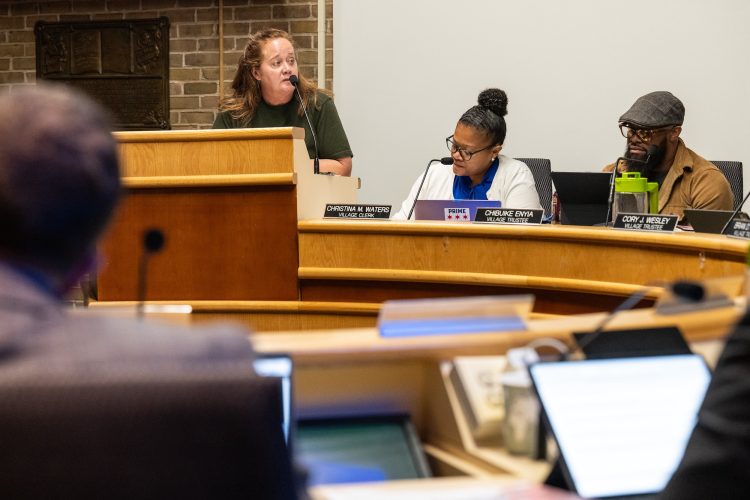
In Oak Park, Illinois, residents successfully lobbied their town board to cancel a Flock contract, citing concerns over privacy and the lack of transparency regarding how the data would be used. The ACLU has also released a "Get the Flock Out" toolkit, providing residents with the resources needed to challenge the installation of ALPRs in their neighborhoods.

However, Flock is only the most visible player in a broader industry. Competitors like Vigilant Solutions and Rekor Systems operate similar networks, and companies like Skydio are partnering with over 1,200 agencies to provide AI-powered drone surveillance. The rapid advancement of these technologies continues to outpace the legislative and judicial systems’ ability to regulate them.
Conclusion: Reclaiming the Right to Privacy
The proliferation of Flock Safety cameras represents a fundamental shift in the relationship between the citizen and the state. While the promise of "clearing more crimes" is an attractive selling point for cash-strapped and understaffed police departments, the hidden costs—wrongful detainments, the erosion of constitutional protections, and the potential for systemic abuse—are becoming increasingly difficult to ignore.
As the "Deflock" movement suggests, a growing number of Americans are concluding that the security offered by a 24/7 surveillance net is not worth the loss of anonymity in public life. Without aggressive legislative action to establish clear boundaries for data collection, retention, and sharing, the AI surveillance state will continue to expand, turning every public street into a digital checkpoint and every citizen into a permanent person of interest. The challenge for the coming decade will be determining whether the Bill of Rights can survive the transition to the digital age, or if the expectation of privacy will become a relic of the pre-AI era.
