

The contemporary interior design landscape is witnessing a significant pivot away from the "showroom" aesthetic—a sterile, all-new approach that many experts argue lacks the depth and soul necessary for a truly lived-in home. According to AD100 designer Josh Greene, the reliance on exclusively modern pieces often results in environments that feel uncurated and temporary. To combat this, a growing cohort of the world’s most influential designers is championing the "vintage swap," a strategic method of replacing mass-produced contemporary furniture with storied, historical pieces. This shift is not merely an aesthetic preference but a response to a broader cultural desire for provenance, sustainability, and architectural character.
The Economic and Environmental Context of the Vintage Movement
The movement toward vintage integration is supported by significant market data. The global secondhand furniture market, valued at approximately $30 billion in 2023, is projected to expand at a compound annual growth rate (CAGR) of 6.4% through 2030. This growth is driven by two primary factors: the rising cost of high-quality new furniture and a heightened awareness of the environmental impact of "fast furniture."
Environmental studies indicate that the furniture industry is one of the largest contributors to landfill waste, with over 12 million tons of furniture discarded annually in the United States alone. By contrast, the procurement of vintage items represents a circular economy model that reduces the carbon footprint associated with manufacturing and international shipping. Designers argue that the durability of vintage pieces—often constructed from solid hardwoods and utilizing superior joinery techniques like dovetail and mortise-and-tenon—far exceeds that of modern medium-density fibreboard (MDF) alternatives.

Bedroom Sanctuaries: Prioritizing Character and Form
In the most private quarters of the home, designers suggest that a single vintage piece can serve as an anchor for the entire room’s narrative. Corey Damen Jenkins, a prominent member of the AD100, emphasizes that the bedroom is an ideal staging ground for "heavy lifting" by historical artifacts. Jenkins often utilizes 19th-century Federal-style mirrors, such as the iconic bull’s-eye mirror, to introduce a sense of historical authority above a bed.
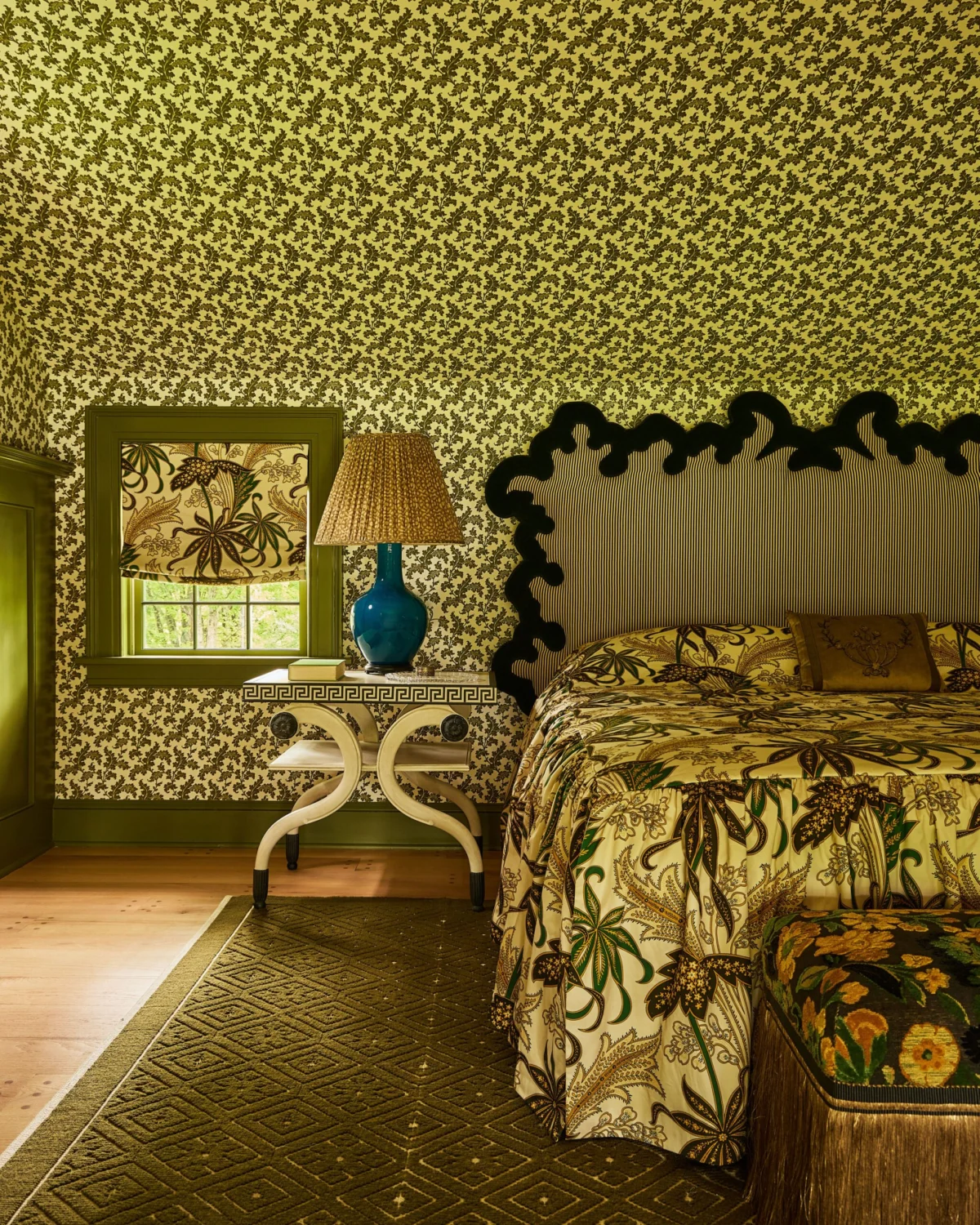
The integration of vintage nightstands is another high-impact swap recommended by designer Young Huh. The strategy involves looking for pieces with exceptional silhouettes, regardless of the condition of their finish. Huh notes that imperfections can be mitigated through decorative painting, such as the application of Greek key detailing, which bridges the gap between historical form and modern color palettes.
Mandy Cheng and Sara Story further emphasize the psychological impact of materials. The use of vintage wood or rattan seating introduces a tactile softness that contemporary plastics and metals often lack. Story advises clients to prioritize "strong silhouettes and quality joinery," noting that while upholstery can be easily replaced, the structural "bones" of a piece are the true indicator of its long-term value.
The Living Room: Storytelling through Provenance and Light
As the primary public-facing space in a residence, the living room serves as a gallery for a homeowner’s personal history. Jenkins posits that a room filled entirely with new items offers no conversation starters. Instead, antiquity provides layers of "provenance, soul, and character" that are impossible to replicate in a factory setting.

A notable example of this approach is seen in the work of Jessica Helgerson, who recently integrated a vintage Korean cabinet into a modern New York City apartment. The cabinet’s ornate brass work and patinated wood provided a historical counterpoint to the room’s contemporary architecture, grounding the space in the client’s heritage.
Lighting is another critical area where vintage swaps yield high returns. Sara Story and Josh Greene both advocate for the use of period chandeliers and mid-century lamps over modern production fixtures. Vintage lighting often features artisanal glasswork and metal finishes that have developed a natural patina over decades, providing a level of "groovy" sophistication and drama that mass-produced items cannot emulate.
Kitchen and Dining: Breaking the Built-In Mold
The modern kitchen has long been dominated by the "built-in" philosophy, characterized by floor-to-ceiling cabinetry and integrated appliances. However, designer Neal Beckstedt suggests a more modular, historical approach. By replacing some built-in storage with vintage side tables, plate racks, or freestanding cabinets, the kitchen begins to mirror the curated feel of a living room.
This "unfitted" kitchen trend is gaining traction among those looking to escape the clinical feel of modern culinary spaces. Leonora Hamill, a London-based designer, extends this philosophy to decor, sourcing vintage art—such as framed Italian posters or old glass—from European flea markets to add wit and personality to the kitchen.

In the dining room, the focus shifts to boldness and creativity. Jeremiah Brent highlights the dining room as a space that allows for the widest range of creative expression, from "monastic" simplicity to "deeply layered" maximalism. Mark D. Sikes suggests that traditional English wood cabinets and antique dining tables evoke a sense of nostalgia and timelessness that anchors the home during social gatherings.
The Bathroom: Salvage as a Design Strategy
The bathroom is frequently the most overlooked room for vintage integration, yet it offers some of the most transformative opportunities. Neal Beckstedt advocates for the use of salvaged fixtures, such as clawfoot tubs and pedestal sinks, which deliver immediate "patina and soul."
The procurement process for these items often involves visiting local salvage yards or specialized antique dealers. Beyond major fixtures, smaller accessories play a vital role. Leonora Hamill suggests utilizing vintage pharmacy jars with Latin labels or woven baskets from Provence to store modern necessities like cotton swabs. These "whimsical" touches ensure that even the most functional spaces in the home possess a sense of history.
Technical Analysis of the Vintage Revival
From a technical standpoint, the "vintage swap" requires a discerning eye for craftsmanship. Designers look for specific indicators of quality that have become rare in modern mass production:

- Wood Species: Many vintage pieces utilize old-growth timber, which is denser and more stable than the fast-growth wood used today.
- Joinery: The presence of hand-cut dovetails or pegged joints indicates a level of manual labor and structural integrity that modern adhesives cannot match.
- Passementerie and Detailing: Corey Damen Jenkins points to original nailhead detailing and passementerie (decorative trimmings) on upholstered pieces as signs of genuine historical craftsmanship.
Broader Implications for the Design Industry
The shift toward vintage is forcing the broader furniture industry to reconsider its production models. As consumers increasingly value "slow design"—the philosophy of collecting pieces over time rather than furnishing a home in a single weekend—the demand for high-volume, low-quality furniture is beginning to wane in the luxury sector.
Furthermore, the rise of digital marketplaces like eBay, Chairish, and 1stDibs has democratized access to vintage goods. What was once the exclusive domain of professional designers with access to trade-only antique rows is now available to the general public. This accessibility is fostering a new generation of "curator-homeowners" who view their living spaces as evolving reflections of history rather than static showrooms.
Ultimately, the insights from AD100 designers suggest that the most successful homes are those that balance the old and the new. By strategically swapping contemporary items for vintage counterparts, homeowners can create spaces that are not only aesthetically fresh for the fall season but are also resilient, sustainable, and rich with narrative. As the design world continues to move away from the "disposable" culture of the early 21st century, the integration of the past into the present remains the most effective way to build a home with a future.
