

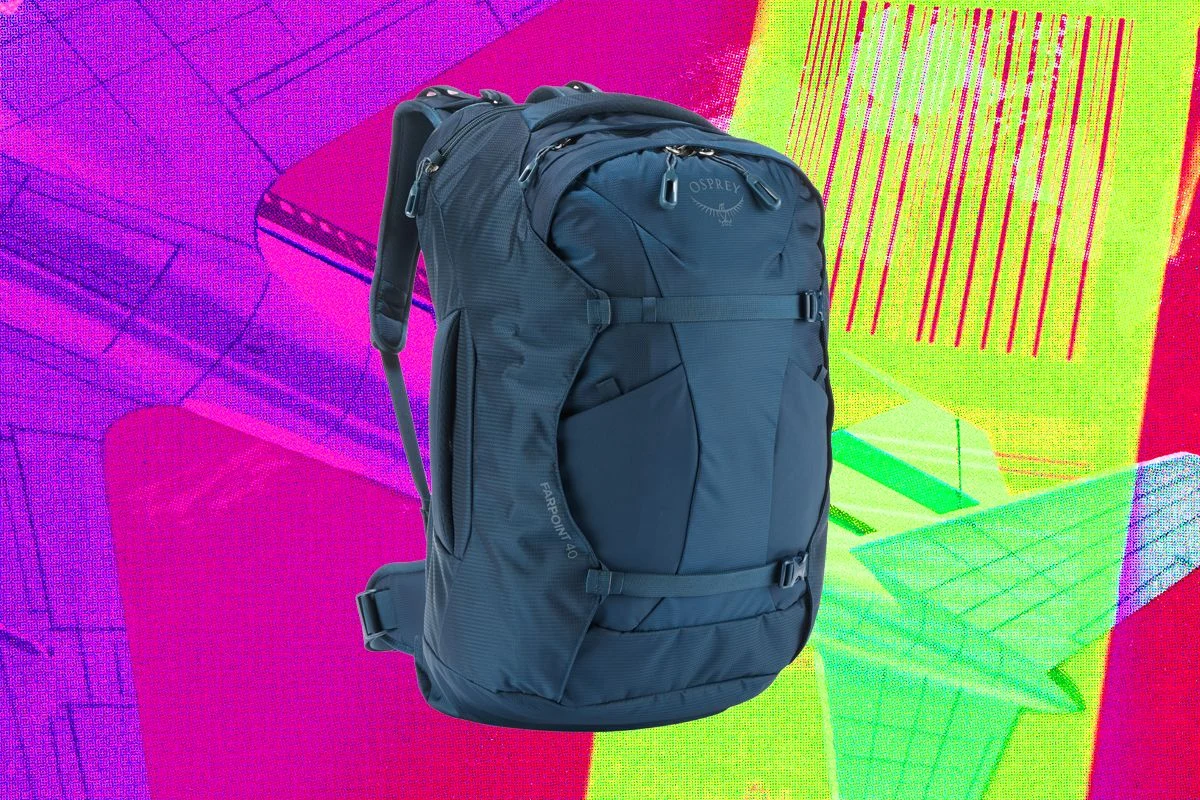
The travel gear industry has undergone a significant transformation over the last decade, driven largely by a growing movement toward "one-bag" travel. This philosophy, which encourages travelers to eschew checked luggage in favor of a single carry-on, aims to increase mobility, reduce airline fees, and eliminate the risk of lost baggage. At the center of this movement is the Osprey Farpoint 40, a piece of equipment that has gained a reputation for bridging the gap between high-capacity storage and the strict requirements of commercial aviation. For long-term travelers and habitual overpackers alike, the Farpoint 40 represents a strategic solution to the logistical challenges of multi-destination international itineraries.
The utility of the Farpoint 40 is best illustrated through its performance in high-intensity travel scenarios. In 2018, a 20-day expedition across Asia served as a primary testing ground for the bag’s capabilities. The itinerary, which included stops in Shanghai, Tokyo, Osaka, Kyoto, Busan, Seoul, and Hong Kong, required a luggage solution that could withstand frequent transitions between planes, high-speed trains, and urban transit systems. For a traveler accustomed to the luxuries of multiple shoe options and excessive wardrobe choices, the transition to a 40-liter backpack necessitated a fundamental shift in packing behavior. However, the Farpoint 40’s design facilitated this transition, proving that a capsule wardrobe and strategic organization could accommodate nearly three weeks of travel without the need for a traditional suitcase.
Technical Specifications and Design Architecture
The Osprey Farpoint 40 is engineered with a 40-liter capacity, which is widely considered the "sweet spot" for maximum legal carry-on size (MLC) on most domestic and international airlines. The bag typically measures approximately 22 inches in height, 14 inches in width, and 9 inches in depth, though these dimensions can be adjusted using the integrated internal and external compression straps.
The structural integrity of the bag is supported by a LightWire frame suspension, which transfers the weight of the load from the shoulders to a padded hip belt. This ergonomic feature is critical for maintaining comfort during long periods of transit, such as navigating large airport terminals or walking between train stations and accommodations. The harness and hip belt are designed to be stowable; a zippered rear panel allows the straps to be tucked away, effectively converting the backpack into a sleek duffel bag. This feature is particularly useful when the bag must be checked or stored in tight overhead compartments where loose straps could become snagged.
Organizationally, the Farpoint 40 utilizes a front-loading, suitcase-style opening. This allows users to access the entire contents of the main compartment without having to "dig" through the bag from the top, a common frustration with traditional hiking rucksacks. The interior includes a large mesh zippered pocket for laundry or small items and internal compression straps to secure clothing. A secondary front compartment houses a padded laptop and tablet sleeve, positioned toward the outside of the bag in older models and moved closer to the back in more recent iterations to improve weight distribution.
A Chronology of Durability: 2018 to 2024
The longevity of travel gear is a primary concern for consumers, particularly those investing in premium brands like Osprey. Since its initial deployment in 2018, the Farpoint 40 has demonstrated remarkable resilience across a diverse range of environments. Following its inaugural 20-day tour of East Asia, the bag has been utilized for dozens of road trips, domestic flights between the East and West Coasts of the United States, and hundreds of hotel stays.
The durability of the materials—primarily high-tenacity nylon—has been tested through extreme physical stress. Reports indicate that the bag has survived being thrown down flights of stairs, crammed into overstuffed vehicle trunks, and used as a makeshift shield during summer thunderstorms. Despite six years of heavy use, the mechanical components of the bag, specifically the zippers, remain fully functional. Osprey utilizes heavy-duty, lockable YKK zippers that are designed to withstand the internal pressure of an overpacked compartment.

Even as the bag shows signs of wear—such as frayed seams on the chest strap or stains on the outer shell from being placed on various terrains—the structural performance has not diminished. This track record aligns with Osprey’s "All Mighty Guarantee," a lifetime warranty policy where the company pledges to repair any damage or defect in their products, regardless of when they were purchased.
The Evolution of the Farpoint and Fairview Series
In recent years, Osprey has updated the Farpoint 40 to reflect changing traveler needs and material technologies. The current version of the bag features recycled materials, reflecting a broader industry trend toward sustainability. Key updates include:
- Weight Reduction: Newer models utilize lighter fabrics without sacrificing tensile strength.
- Laptop Placement: The laptop sleeve has been moved to the rear of the bag, closer to the wearer’s back. This improves the center of gravity and protects the device more effectively.
- Adjustable Torso: Modern versions offer an adjustable torso length, allowing for a more customized fit for users of different heights.
- Daypack Compatibility: The current Farpoint and its female-specific counterpart, the Fairview, are designed to be compatible with the Farpoint/Fairview Daypack, which can be clipped onto the front of the main harness for "turtle-style" carrying or attached to the back of the main pack.
The Fairview 40 serves as the gender-specific alternative to the Farpoint. It features a harness shaped for a female frame, with narrower shoulder widths and a hip belt designed to sit comfortably on feminine hips. While many users find the Fairview to be a superior fit, some travelers with larger chests or specific torso lengths continue to prefer the original Farpoint design, highlighting the importance of personal ergonomics in gear selection.
Market Context and Competitive Landscape
The Farpoint 40 operates in a highly competitive market for travel-specific backpacks. It competes directly with brands such as Peak Design, Nomatic, and Tortuga. While Peak Design focuses on modularity and aesthetic "sleekness," and Nomatic emphasizes tech-heavy organization, Osprey has maintained its market share by focusing on the "carry" experience. Drawing from their heritage as a hiking rucksack manufacturer, Osprey’s suspension systems are often cited as being superior for heavy loads compared to more "lifestyle-oriented" travel bags.
Data suggests that the "one-bag" travel market is expanding as airlines increase checked bag fees. As of 2023, major US carriers have raised fees for checked luggage to between $35 and $50 for the first bag on domestic routes. Over a multi-leg international trip, a bag like the Farpoint 40 can effectively pay for itself in saved baggage fees within two to three trips.
Broader Implications for Modern Travel
The success of the Osprey Farpoint 40 reflects a broader shift in consumer behavior toward minimalism and efficiency. The "carry-on only" lifestyle is no longer reserved for extreme budget backpackers; it has been adopted by business travelers and vacationers who value time over wardrobe variety. By eliminating the need for the baggage carousel, travelers can exit airports faster and navigate public transportation with greater ease.
Furthermore, the design of the Farpoint 40 addresses the increasing unpredictability of modern travel. With labor shortages leading to higher rates of mishandled luggage in global aviation hubs, the security of having one’s possessions within arm’s reach provides a psychological benefit that is difficult to quantify.
In conclusion, the Osprey Farpoint 40 stands as a benchmark in the travel gear industry. Its blend of durability, ergonomic design, and high-capacity storage makes it a viable tool for those looking to simplify their travel experience without sacrificing the essentials. While newer models offer incremental improvements in weight and tech storage, the core architecture of the 2018-era Farpoint remains a testament to the brand’s engineering philosophy. As the bag continues to accompany travelers across continents, it serves as both a container for belongings and a reliable companion for the rigors of the road. For the overpacker seeking a path to minimalism, the Farpoint 40 remains one of the most effective entry points into the world of streamlined travel.
