

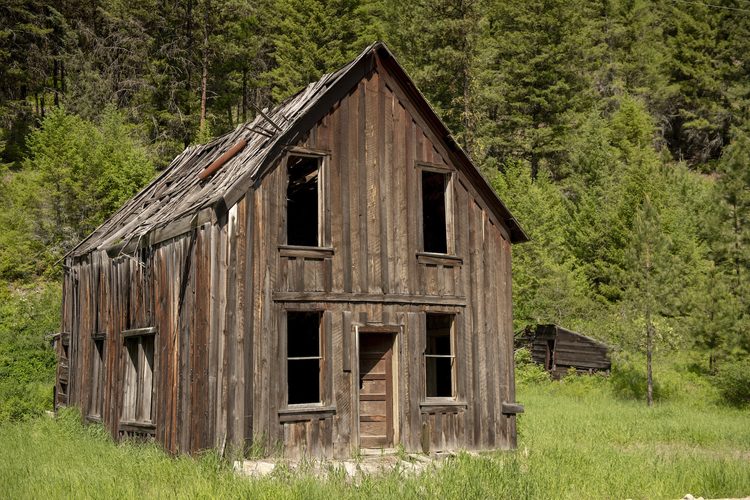
The landscape of the American West is dotted with the remnants of a feverish mining history that spans more than a century. While these sites once promised prosperity, they now represent one of the most significant environmental challenges in the United States. According to estimates from the Bureau of Land Management (BLM), there are approximately 500,000 abandoned mines across the country. These sites, many of which date back to the 19th century, continue to leak toxic heavy metals into vital waterways, endangering public health and local ecosystems. For decades, a legal "Catch-22" prevented non-profit organizations and state agencies from intervening: under federal law, any entity that attempted to clean up an abandoned mine could be held liable for the entirety of the site’s pollution, regardless of whether they caused it. This barrier began to crumble in 2024 with the passage of the Good Samaritan Remediation of Abandoned Hardrock Mines Act, a piece of legislation designed to provide limited liability protection to "Good Samaritans" willing to tackle these legacy environmental hazards. In September 2026, this law reached a major milestone when the U.S. Environmental Protection Agency (EPA) issued its first-ever permit under the act to the conservation group Trout Unlimited for the restoration of the Bodie Mine in Washington State.
The Environmental Toll of Abandoned Hardrock Mines
The scale of the abandoned mine problem is staggering. Of the 500,000 estimated sites, tens of thousands are considered "hardrock" mines—those that extracted minerals like gold, silver, copper, and lead. Unlike modern mining operations, which are subject to rigorous environmental regulations and reclamation requirements, these legacy sites were often simply walked away from when they were no longer profitable. The result is a massive accumulation of mine tailings—the processed rock and waste material left over after minerals are extracted.
These tailings often contain high concentrations of arsenic, lead, mercury, and cadmium. When exposed to oxygen and water, certain minerals in the waste can create acid mine drainage, a highly acidic runoff that leaches further heavy metals into the soil and groundwater. This toxic cocktail flows into streams and rivers, devastating aquatic life and contaminating drinking water sources for downstream communities. The National Association of Abandoned Mine Land Programs estimates that the total cost to address the physical and environmental hazards of these sites exceeds $60 billion.
The Legal Barrier: A Decades-Long Stagnation
For years, the primary obstacle to remediation was not a lack of will, but a fear of litigation. Under the Clean Water Act (CWA) and the Comprehensive Environmental Response, Compensation, and Liability Act (CERCLA, also known as Superfund), any party that "touches" a pollution source can be legally defined as an "operator" or "owner." This meant that if a conservation group like Trout Unlimited attempted to install a water treatment system or move a pile of tailings to a safer location, they could be sued for any remaining or future pollution emanating from the site.
Corey Fisher, the public lands policy director for Trout Unlimited, noted that the organization frequently found itself in a position where it wanted to improve a watershed but was deterred by the risk of being treated as the original polluter. "All we want to do is make it better," Fisher explained, highlighting the frustration of being sidelined by laws intended to protect the environment.

Legislative attempts to solve this problem spanned more than twenty years. Environmental advocacy groups were often divided; while many wanted to see the mines cleaned up, some feared that a broad liability waiver could be exploited by mining companies to re-mine old waste for profit without adhering to modern environmental standards. The eventual 2024 Act was a compromise: a pilot program limited to 15 projects over a seven-year period, specifically designed to test the efficacy of the "Good Samaritan" model while maintaining strict oversight.
Case Study: The Bodie Mine Restoration Project
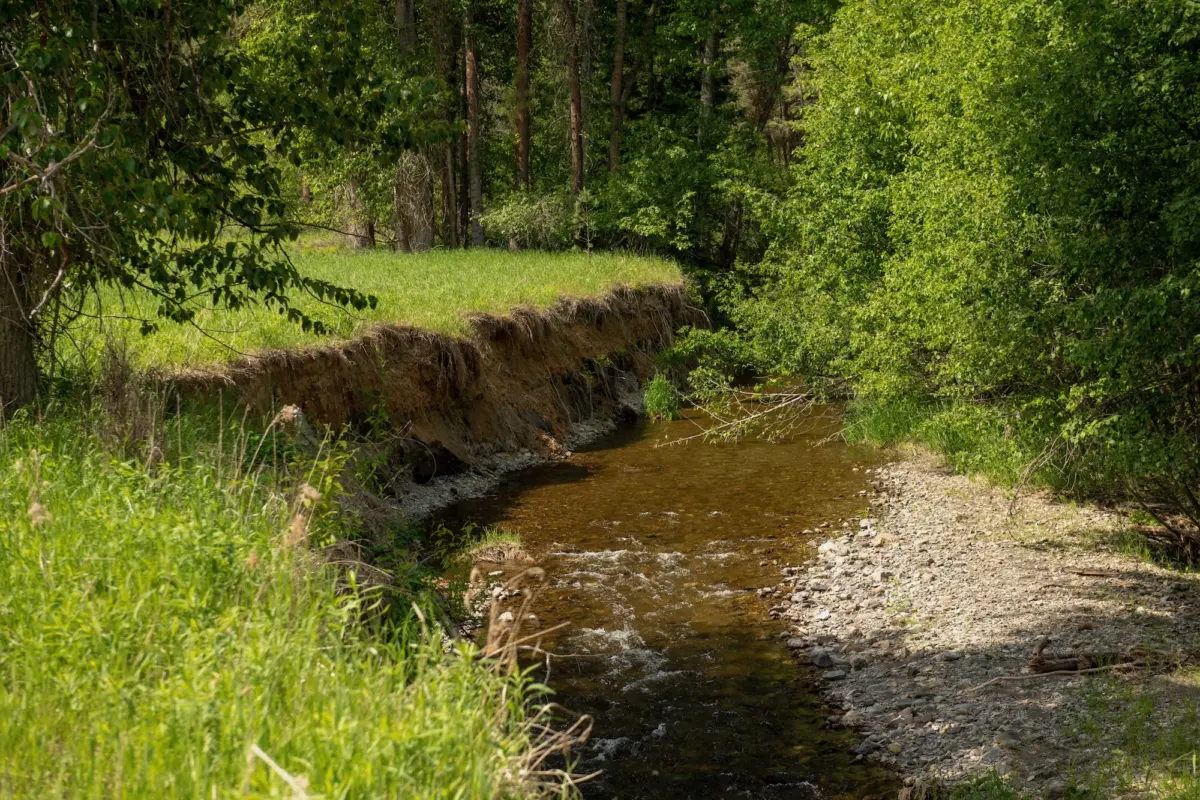
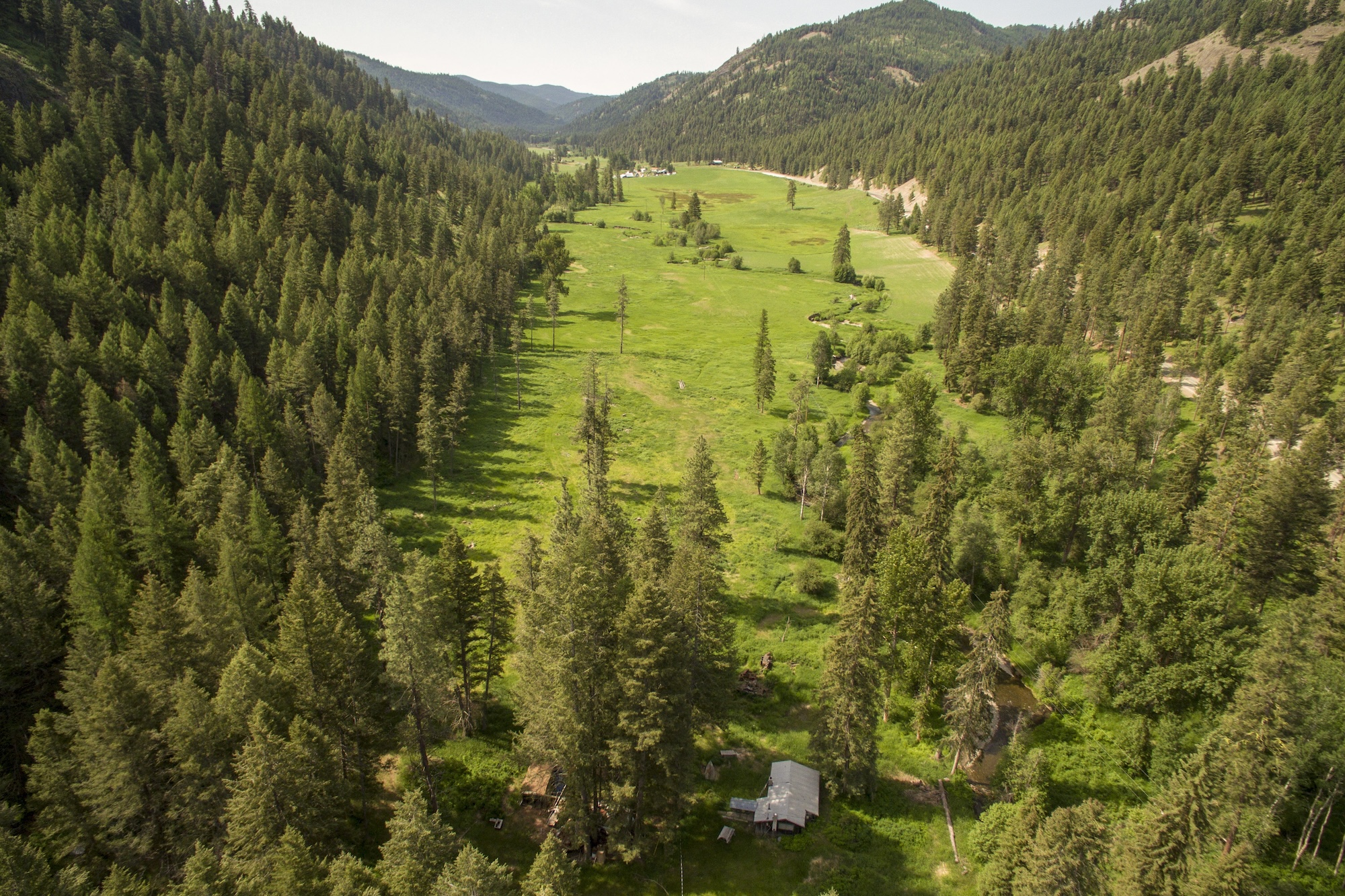
The Bodie Mine, located in the remote Okanogan County of Washington, serves as the inaugural testing ground for the Good Samaritan Act. While small by industrial standards, the site has been a persistent source of pollution for Toroda Creek. The project, led by Trout Unlimited, involves the removal of approximately 790 tons of contaminated tailings and sediment.

Project Specifications and Impact
- Contaminants: The site is rich in arsenic, lead, and mercury.
- Environmental Goal: To prevent 104 tons of toxic sediment from eroding into Toroda Creek annually.
- Scope: The excavation of 400 linear feet of the creek bed and the stabilization of the surrounding streambank.
- Budget: Approximately $500,000, sourced from a combination of public grants, private donations, and Trout Unlimited’s membership base.
The Bodie Mine project is classified as a "nonpoint source" cleanup, meaning the pollution enters the waterway from diffuse areas rather than a single pipe or ditch. These projects are generally less legally complex than "point source" cleanups, which require continuous water treatment. However, the Good Samaritan permit significantly streamlines the process, replacing what Fisher described as a "long, laborious legal process" of negotiating individual settlements with the EPA with a standardized, project-specific permit.
Chronology of the Good Samaritan Act Implementation
The journey from the halls of Congress to the dirt of Okanogan County followed a specific timeline of legislative and administrative actions:

- January 2024: The Good Samaritan Remediation of Abandoned Hardrock Mines Act is passed with bipartisan support, reflecting a growing consensus on the need for creative environmental solutions.
- Mid-2024 to Early 2025: The EPA establishes the regulatory framework for the pilot program, defining the criteria for "Good Samaritan" status and the requirements for remediation plans.
- Late 2025: Trout Unlimited submits the first formal application for a Good Samaritan permit for the Bodie Mine site.
- September 2026: The EPA officially grants the permit to Trout Unlimited, marking the first use of the new legal protections.
- Late September 2026: Ground is broken at the Bodie Mine site, with excavators beginning the removal of contaminated soil.
The Funding Gap and the 1872 Mining Law
While the Good Samaritan Act solves the legal liability issue, it does not address the massive financial deficit required to clean up 500,000 mines. Critics and experts point out that without a dedicated federal funding stream, the pace of restoration will remain slow.
A significant point of contention is the General Mining Law of 1872. This 150-year-old statute allows companies to extract hardrock minerals from federal lands without paying royalties to the government. In contrast, the coal mining industry is subject to the Surface Mining Control and Reclamation Act of 1977, which imposes a fee on every ton of coal produced. These fees go into an Abandoned Mine Land (AML) fund, which has successfully financed the cleanup of thousands of coal sites, particularly in states like Pennsylvania.

Aaron Mintzes, deputy policy director at the environmental nonprofit Earthworks, argues that the U.S. is an outlier in its failure to collect royalties from hardrock mining. "The real solution is a funding source," Mintzes stated. "There’s no polluter-pay funding mechanism for abandoned hardrock mine cleanup." Currently, the federal Abandoned Hardrock Mine Reclamation Program receives only about $5 million annually—a fraction of the $60 billion needed.
Analysis of Implications and Future Outlook
The success or failure of the 15 pilot projects under the Good Samaritan Act will likely determine the future of environmental law in the American West. If these projects, like the Bodie Mine, can demonstrate significant environmental improvements without unintended negative consequences, there will be strong pressure on Congress to make the liability protections permanent and expand the program.
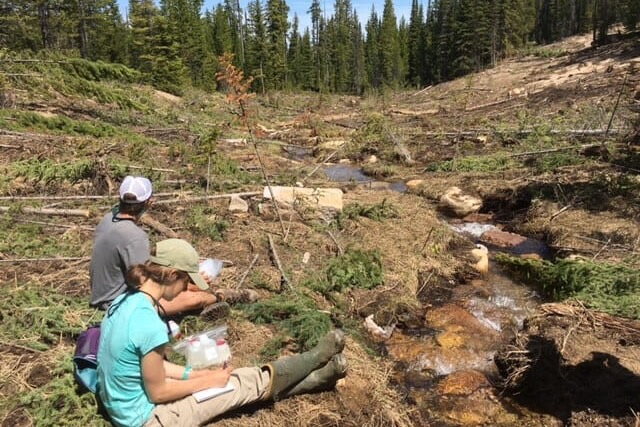
One of the most anticipated developments is whether the act will enable "point source" cleanups. These projects, which involve treating toxic water discharging directly from mine adits (tunnels), are far more effective at restoring water quality but carry much higher risks and costs. Ryan Ellis of the Interstate Mining Compact Commission emphasized that without this legislation, even well-funded state programs are often unable to perform water treatment due to the stringent requirements of the National Pollutant Discharge Elimination System (NPDES).
The EPA has indicated that while the Bodie Mine is the only permit issued thus far, interest is surging. Mike Bastach, an EPA spokesperson, noted that the agency expects to fill the remaining 14 pilot slots within the next two to three years.

Ultimately, the Good Samaritan Act represents a shift toward pragmatism in environmental policy. By acknowledging that "the perfect should not be the enemy of the good," the law allows conservationists to make meaningful, incremental improvements to landscapes that have been neglected for a century. As the first tons of contaminated soil are hauled away from the Bodie Mine, the project stands as a symbol of a new, collaborative approach to cleaning up the "ghosts" of America’s industrial past.
