

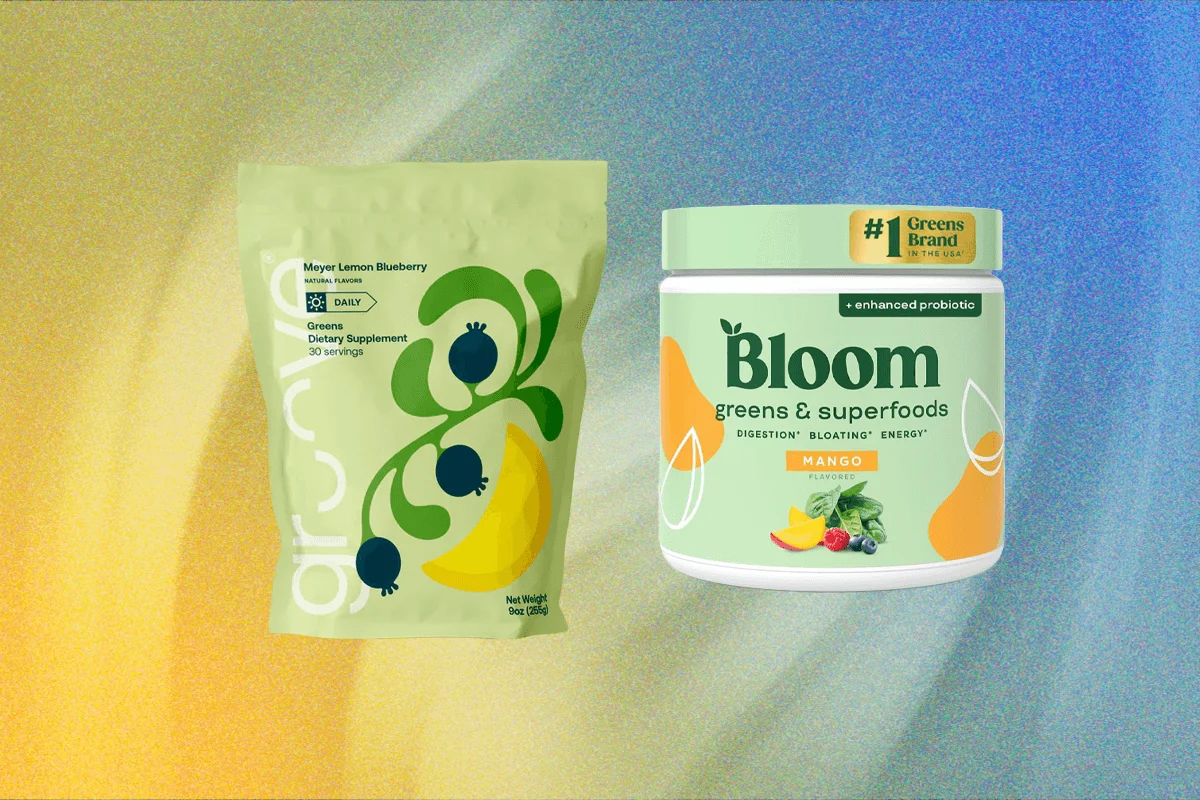
The dietary supplement industry has undergone a radical transformation over the last decade, transitioning from basic multivitamins to complex, whole-food-based formulations designed to optimize human performance and gut health. At the forefront of this evolution is the "greens powder" category, a multi-billion dollar market segment that promises to condense the nutritional value of several servings of vegetables into a single scoop. Recent market data and product analysis reveal a highly competitive landscape where brands are no longer just competing on nutrient density, but also on flavor profiles, third-party certifications, and delivery formats ranging from traditional powders to innovative gummies and portable sticks.
The Current State of the Greens Powder Market
The rise of the "wellness influencer" and a post-pandemic surge in health consciousness have propelled brands like Bloom Nutrition, Athletic Greens (AG1), and Live It Up into the mainstream. These products are positioned as insurance policies for the modern diet, aiming to fill nutritional gaps caused by fast-paced lifestyles and declining soil mineral quality.
Analysis of the current leading products shows a wide variance in pricing and formulation. On the premium end of the spectrum, Athletic Greens’ AG1 dominates the conversation with a comprehensive list of over 75 ingredients, including vitamins, minerals, and a complex of "superfoods." This premium positioning comes with a significant price tag, often exceeding $3.30 per serving. Conversely, brands like Zena Nutrition and Bloom Nutrition have found success by targeting the mass market with price points closer to $1.17 to $1.33 per serving, making daily supplementation more accessible to a broader demographic.
Chronology of the Functional Food Movement
The journey toward the current saturation of greens powders began in the late 1990s and early 2000s with the "superfood" craze, which initially focused on individual ingredients like acai berries, kale, and spirulina.
- 2000–2010: The Raw Juice Era: The wellness industry was dominated by cold-pressed juices. While nutritionally dense, these were expensive, had a short shelf life, and often stripped away essential dietary fiber.
- 2010–2018: The Rise of Dehydrated Powders: Brands began to realize that freeze-drying and pulverizing greens allowed for a more stable, concentrated, and cost-effective product. Early iterations were often criticized for their "grassy" or "earthy" tastes.
- 2019–Present: The Flavor and Convenience Revolution: Modern formulations have solved the palatability issue. Brands like Bloom Nutrition now offer flavors such as mango, berry, and coconut, while companies like Grüns have moved the entire concept into a gummy format to appeal to "pill-fatigued" consumers and picky eaters.
Comparative Analysis of Leading Formulations
A deep dive into the nutritional labels of today’s top contenders reveals distinct strategies for capturing market share.
The Comprehensive All-in-One: Athletic Greens (AG1)
AG1 is frequently cited as the industry benchmark for "total body" support. With 40 calories per serving and 2 grams of protein, it provides a massive dose of Vitamin C (500 mg), Vitamin B12 (400 mcg), and Zinc (20 mg). Its inclusion of Alpha-lipoic acid and Coenzyme Q10 suggests a focus on mitochondrial health and cellular energy. Crucially, AG1 is NSF Certified for Sport, a designation that ensures the product is free from banned substances—a vital factor for professional athletes.
The Social Media Powerhouse: Bloom Nutrition
Bloom Nutrition’s Superfood Greens Powder has leveraged platforms like TikTok to become a household name. Its formulation is leaner than AG1, with 20 calories and a focus on digestive health via a 1.606g fiber blend and a 150mg digestive enzyme blend. While critics note it is "very sweet," its wide availability and compact packaging have made it a favorite for the "on-the-go" consumer.
The Clean Label Specialist: Live It Up
Formerly known as Enroot, Live It Up Super Greens focuses on a "no-nasties" approach. Their formula is sugar-free, vegan, and free from stevia and caffeine. It offers a robust mineral profile, including 52.5 mcg of Iodine and 41.5 mcg of Selenium, targeting thyroid health and metabolic function. At $1.33 per serving, it positions itself as a high-quality yet mid-priced alternative to the premium tier.
Innovative Delivery: Grüns and Sips Club
Recognizing that not every consumer enjoys drinking a green liquid, the market has expanded into gummies and sticks. Grüns Superfood Gummies provide 900 mcg RAE of Vitamin A and 120 mcg of Vitamin K2 in a palatable chewable form. Meanwhile, Sips Club Veggie Sips utilizes a "stick format" for convenience, incorporating prunes for digestive health, though at a lower calorie count of just 5 calories per serving.
Supporting Data: Nutritional Metrics and Economic Accessibility
To understand the impact of these supplements, one must examine the cost-to-benefit ratio. Below is a breakdown of the economic landscape of the industry:
- Entry-Level (Under $1.50/serving): Zena Nutrition ($1.17), Bloom Nutrition ($1.33), Live It Up ($1.33), Quince ($1.34). These brands typically focus on a core set of 20–40 ingredients.
- Mid-Range ($1.50–$2.50/serving): Primal Harvest ($1.66), Sips Club ($1.83), Groove Greens ($2.00), Factor Form ($2.30), Grüns ($2.39), Daily Elements ($2.50). This tier often introduces more specialized ingredients or convenient packaging.
- Premium ($2.60–$3.30+/serving): Organifi ($2.66), Nuzest ($3.17), Athletic Greens ($3.30), BrickHouse Nutrition ($3.00). These brands often feature higher ingredient counts (70–80+), organic certifications, or professional-grade testing.
From a nutritional standpoint, fiber content remains a key differentiator. While most powders offer 2 grams of dietary fiber, brands like Zena Nutrition and Organifi push this to 3 grams, which is significant for a supplement that is often criticized for lacking the bulk of whole vegetables.
Industry Responses and Safety Standards
The rapid growth of the supplement sector has drawn scrutiny from health professionals and regulatory bodies. Because dietary supplements are not pre-approved by the FDA for safety and effectiveness before they hit the market, third-party testing has become the primary mechanism for building consumer trust.
Representatives from Athletic Greens have emphasized their commitment to the NSF Certified for Sport program, stating that rigorous testing is necessary to ensure the absence of heavy metals and contaminants. Similarly, Quince and Daily Elements have marketed their products as being free from the "top 12 major allergens" and "pesticides," responding to a growing consumer demand for transparency in the supply chain.
Nutritionists, however, offer a tempered perspective. While acknowledging the benefits of these powders, many registered dietitians argue that they should not replace whole vegetables. The "synergy" of nutrients found in intact plant cells—including water content and complex fiber structures—cannot be perfectly replicated in a dehydrated powder. Nevertheless, they concede that for individuals with busy schedules or limited access to fresh produce, these supplements provide a valuable nutritional "safety net."
Broader Impact and Future Implications
The proliferation of greens powders is a symptom of a larger shift in healthcare: the move toward preventive, personalized nutrition. Consumers are increasingly viewing their diet as a form of "biohacking," using supplements to manage specific concerns like bloating, brain fog, and skin health.
This shift has significant implications for the food industry at large. We are seeing a convergence of the supplement and grocery sectors. For example, Quince, a brand known for high-quality apparel and home goods, has entered the wellness space with its Daily Superfood Greens, signaling that "wellness" is now a lifestyle category rather than just a medical or fitness one.
However, the environmental impact of this industry remains a point of concern. The reliance on plastic tubs and individual foil packets (as seen in Factor Form and Sips Club) presents a sustainability challenge. As the market matures, industry analysts predict a shift toward compostable packaging and refillable glass jars, a trend already being pioneered by brands like Daily Elements.
Conclusion
The superfood greens powder industry has moved past the "fad" stage to become a staple of the modern health regimen. Whether through the 80+ ingredient complexity of Athletic Greens or the simple, fiber-forward approach of Zena Nutrition, these products are redefining how we consume essential nutrients. As competition intensifies, the winners will likely be those who can balance high-potency ingredients with "clean label" transparency and sustainable business practices. For the consumer, the result is an unprecedented level of choice in how they "drink their greens," though the fundamental advice of health experts remains unchanged: supplements are most effective when they supplement a diet already rich in whole, unprocessed foods.
