

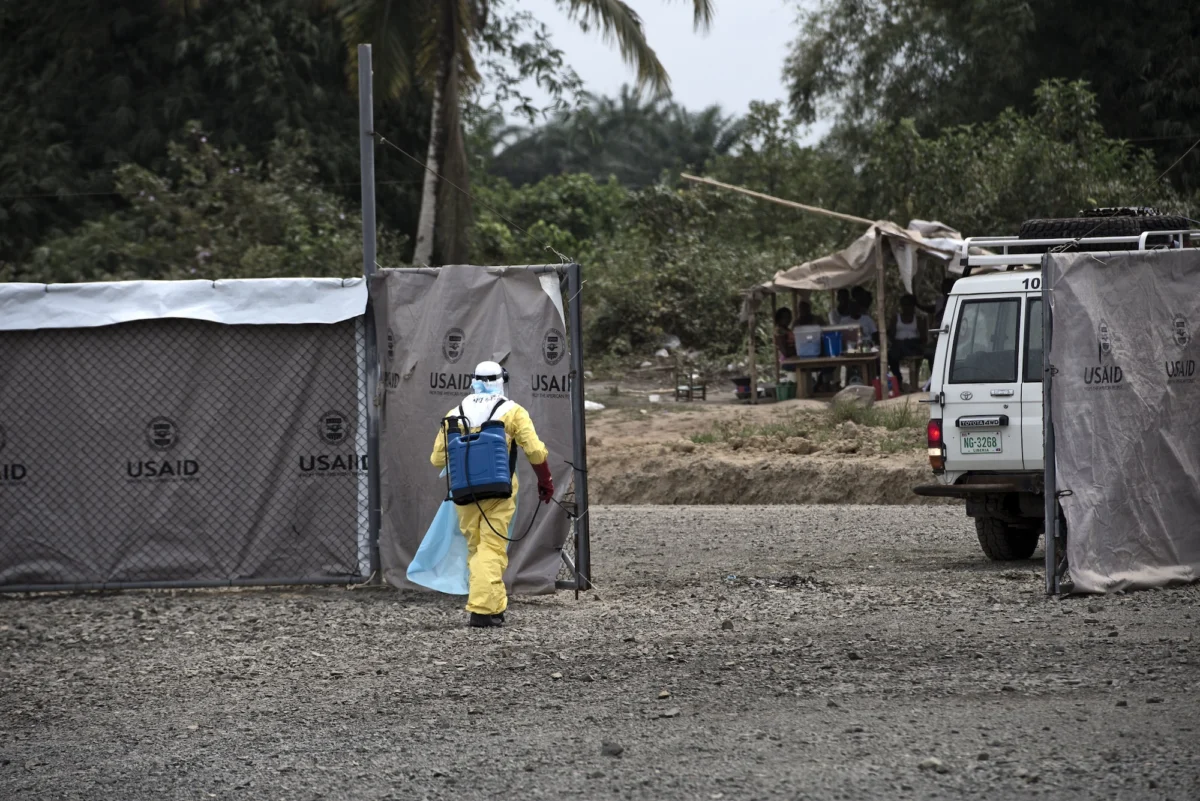
The landscape of international development underwent a seismic shift on January 20, 2025, when the United States Agency for International Development (USAID), for decades the world’s largest bilateral provider of humanitarian assistance, was summarily abolished via executive order. One year later, the consequences of this decision have rippled across the globe, leaving a vacuum in essential services that private philanthropy and grassroots activists are struggling to fill. While the Trump administration maintains that the move was a necessary step toward government efficiency and a transition to "trade over aid," critics and former officials argue that the destruction of the agency has compromised global stability, abandoned millions of vulnerable people, and eroded a critical pillar of American soft power.
The Rapid Dissolution of a Global Institution
The dissolution of USAID was not a gradual phasing out but a swift, administrative termination. On the first day of Donald Trump’s second term, the newly established Department of Government Efficiency (DOGE), headed by Tesla CEO Elon Musk, was tasked with identifying and eliminating what the administration deemed "wasteful" federal spending. USAID, with its $40 billion annual budget and presence in over 100 countries, became a primary target.
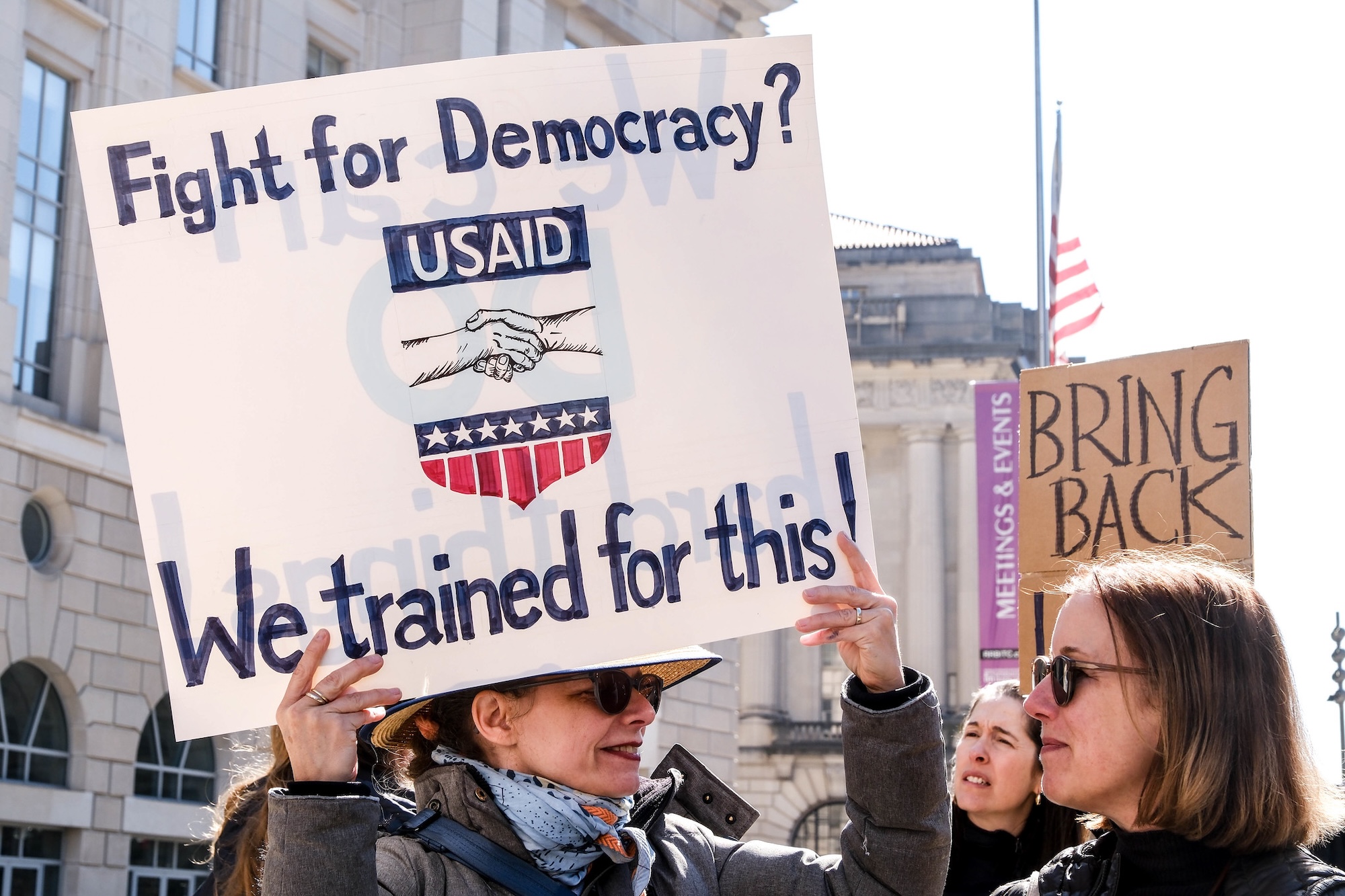
Within hours of the executive order, the agency’s headquarters in Washington, D.C., were shuttered. Reports from the time describe a chaotic scene where staff were given as little as 15 minutes to vacate the premises. In the weeks that followed, the agency’s digital infrastructure was systematically dismantled. Databases containing decades of research on global health, agricultural yields, and democratic governance were taken offline, though some data was preserved by alert employees and academic archivists.
The legal basis for the move remains a point of intense contention. Under a 1998 reorganization act, USAID was established as an independent agency, a status that technically requires an act of Congress to dissolve. However, the administration bypassed legislative hurdles by declaring that the agency’s functions were being "absorbed" into the U.S. Department of State. Under the direction of White House budget director Russell Vought—a key architect of the "Project 2025" framework—the remnants of the agency were folded into a minimal office within the State Department, primarily focused on closing out existing grants rather than initiating new programs.
The DOGE Audits and the "Keyword" Controversy
The methodology used to terminate thousands of international contracts has drawn sharp criticism from within the former agency. According to Nicholas Enrich, the former executive director of USAID’s Bureau of Health and author of the recent exposé Into the Wood Chipper, the Department of Government Efficiency did not conduct nuanced evaluations of program outcomes. Instead, DOGE staff reportedly utilized software-generated keyword searches to flag contracts for immediate cancellation.
"Many of the terminated contracts had been axed by mistake, and it was evident that no one had bothered to ask what the contracts did before ending them," Enrich noted in a recent editorial. This blunt-force approach resulted in the termination of critical clinical trials for multidrug-resistant tuberculosis (TB). The sudden cessation of these trials not only threatened the lives of the participants but also raised the specter of new, antibiotic-resistant strains of TB developing in the absence of controlled treatment regimens.
By mid-2025, a report from the Permanent Subcommittee on Investigations suggested that the rushed dismantling of agencies under DOGE had resulted in nearly $217 billion in squandered taxpayer dollars due to broken contracts, legal penalties, and the loss of long-term investments.
The Humanitarian Toll: Data and Projections
The human cost of the USAID closure is beginning to be quantified through independent monitoring projects. The "Impact Counter," a dashboard established by international NGOs to track the fallout, projected that the loss of USAID-funded medical programs could result in the deaths of over 262,000 adults and 518,000 children within the first year.

One of the most significant losses was the United States’ leadership in PEPFAR (the President’s Emergency Plan for AIDS Relief). Launched by President George W. Bush in 2003, PEPFAR was long considered a bipartisan success story, credited with saving over 25 million lives and preventing millions of HIV infections. With the withdrawal of U.S. funding, clinics across sub-Saharan Africa reported immediate shortages of antiretroviral drugs.
Beyond HIV/AIDS, the disruption extended to maternal and child health. Emergency ambulance services in rural regions, previously subsidized by USAID, were halted, and maternal health clinics were forced to close. In regions of East Africa and Southeast Asia, programs focused on childhood diarrhea and malaria—two of the leading causes of death for children under five—saw their supply chains collapse.
Philanthropy as a Triage Measure
In the wake of the government’s withdrawal, the global philanthropic community has attempted to mount a rescue operation. Between February and October 2025, private donors and foundations raised approximately $125 million to sustain high-priority programs. While a significant sum, it represents less than 0.5% of the former USAID annual budget, highlighting the reality that private charity cannot scale to match the resources of a superpower.

A notable development in this space is the launch of the DIV Fund, a private entity designed to replicate the evidence-based grantmaking of USAID’s former Development Investment Ventures (DIV) division. Led by Sarah Gallant and Nobel laureate Michael Kremer, the DIV Fund utilizes a "tiered" investment model, where small amounts of capital are used to test social innovations, with funding only increasing as programs prove their cost-effectiveness.
The DIV Fund has successfully raised $48 million to date, focusing on high-impact interventions such as fuel-efficient cookstoves in Kenya and mobile software for frontline health workers in South Asia. According to the fund’s internal metrics, their approach delivers $39 in social value for every dollar invested. However, Gallant has been vocal about the limitations of this model, stating that while they can save specific "pipeline" projects, they cannot replace the systemic, large-scale infrastructure that USAID provided for disaster relief and long-term economic development.
Geopolitical Implications and the Soft Power Vacuum
The dismantling of USAID has profound implications for U.S. national security and its "soft power" standing. For decades, foreign aid served as a strategic tool to build alliances, stabilize volatile regions, and promote democratic principles. By providing aid, the U.S. often gained a seat at the table in regional negotiations and counteracted the influence of adversarial nations.

Geopolitical analysts observe that the American withdrawal has created a vacuum that other global powers, particularly China and Russia, are eager to fill. China’s "Belt and Road Initiative" has reportedly accelerated in several African and Latin American nations where USAID projects were cancelled. This shift is not merely economic; it often involves the export of authoritarian governance models and surveillance technologies, directly countering the democratic objectives that USAID was tasked with fostering.
Furthermore, the administration’s shift toward "trade over aid" has been met with skepticism by many developing nations. While the White House argues that bilateral trade agreements will encourage self-sufficiency, many of the countries most affected by the cuts lack the infrastructure or political stability to engage in such agreements effectively.
Domestic Politics and the Path Forward
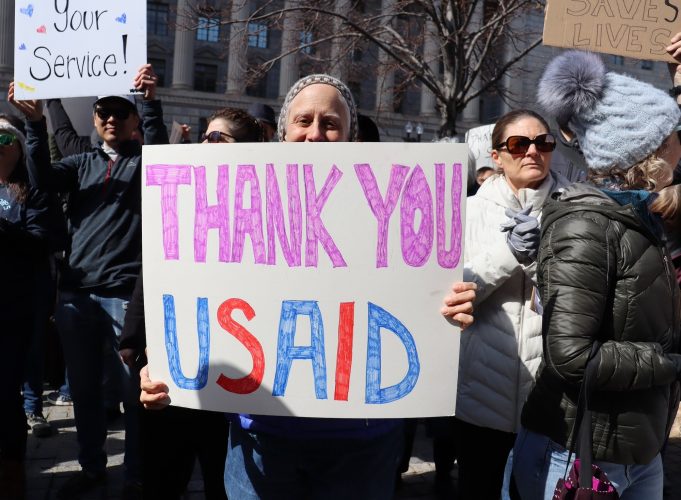
Domestically, the dissolution of USAID has become a rallying cry for the political opposition and grassroots activists. Organizations like ACT UP, which rose to prominence during the 1980s AIDS crisis, have seen a resurgence in activity. Protesters have disrupted congressional hearings, including those involving Budget Director Russell Vought, demanding that funding for PEPFAR and other life-saving programs be restored.

Critics of the administration also point to a perceived hypocrisy in the federal budget. While $40 billion was cut from international aid in the name of efficiency, the administration has allocated billions toward other projects. These include an estimated $72 billion in support of military operations related to tensions with Iran, as well as high-profile domestic "vanity projects," such as a $1 billion renovation of the White House ballroom and extensive, controversial modifications to the Reflecting Pool on the National Mall.
As the 2026 mid-term elections approach, the fate of U.S. foreign assistance is expected to be a major campaign issue. Supporters of a restored USAID argue that the agency’s mission is not an act of charity, but a vital investment in a safer, more prosperous world for Americans. They contend that by preventing the spread of infectious diseases, mitigating the drivers of mass migration, and fostering economic partners, USAID served as a first line of defense against global instability.
The coming year will determine whether the current "trade over aid" experiment will yield the promised results or if the humanitarian and strategic costs will force a legislative reversal. For now, the world’s most vulnerable populations remain reliant on a patchwork of private funds and a shrinking pool of international resources, waiting to see if the "beacon to the world" will be relit.
