

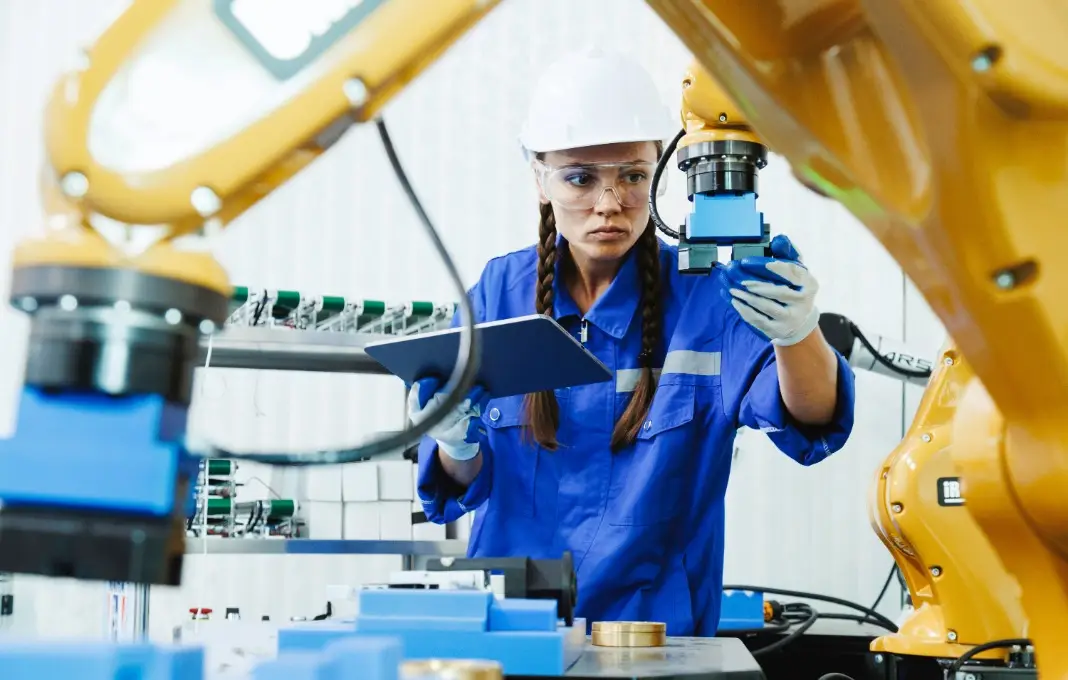
The United States manufacturing sector, after navigating a tumultuous period at the start of the decade, is now charting a course toward renewed growth and resilience. A significant driver of this strategic pivot is an unprecedented surge in investment in advanced technologies. Manufacturers are increasingly embracing smart manufacturing principles and digital solutions, aiming to optimize operations and mitigate the impact of past disruptions. A survey projected for 2025 indicates a strong commitment from industry leaders, with a substantial 80 percent of manufacturing executives planning to allocate at least 20 percent of their improvement budgets to smart manufacturing tools and technologies. This widespread adoption signals a fundamental shift in how the industry perceives and implements technological advancement, moving beyond mere automation to a more integrated, intelligent approach.
The Paradox of Manufacturing Employment in the Digital Age
Despite the robust investment in technological upgrades, the employment landscape within American manufacturing presents a complex paradox. While there is a clear mandate to bolster domestic manufacturing capacity and enhance employee productivity through technological means, the reality on the ground paints a more nuanced picture. The U.S. manufacturing sector experienced a notable decline, losing an estimated 103,000 jobs between January 2025 and January 2026. This downturn can be attributed to a confluence of factors, including the impact of tariffs, fluctuating consumer demand, inherent productivity constraints within older operational models, and broader economic uncertainties that have characterized recent years.
These contributing factors provide a diagnosis of the current challenges, but they do not offer a clear, actionable roadmap for future success. The imperative to revitalize and support the domestic manufacturing workforce remains paramount. However, the crucial question that arises is not simply about the quantity of jobs, but about the quality and nature of the roles being created. The trajectory of American manufacturing hinges not on a nostalgic return to past employment models, but on cultivating a workforce equipped to leverage increasingly sophisticated tools and technologies. Companies that strategically align their investments in digital solutions with a parallel commitment to strengthening their workforce’s requisite skills will undoubtedly emerge as the leaders in this evolving industrial landscape.
Automation’s Dual Impact: Headcount Reduction and Evolving Skill Demands
Industry projections underscore the transformative power of smart manufacturing. According to a comprehensive report by Deloitte, an overwhelming 92 percent of manufacturers believe that smart manufacturing will be the primary catalyst for their competitiveness in the coming three years. This conviction is directly fueling a surge in strategic technology investments. The widespread integration of automation, artificial intelligence (AI), and smart factory technologies into existing infrastructure is a direct manifestation of this trend, aimed at streamlining processes and elevating operational performance.
A significant byproduct of this accelerated investment in AI and automation is a discernible shift away from purely manual manufacturing roles. Concurrently, there is a burgeoning demand for positions that are more connected, data-driven, and analytical. As traditional production roles diminish in scope and number, the need for workers proficient in data literacy, AI-augmented maintenance, quality assurance, and sophisticated process management is escalating. This evolution is not arbitrary; the benefits derived from advanced manufacturing technologies are substantial and well-documented. Early adopters of smart manufacturing have reported impressive gains, including a 10-20 percent improvement in production output, a 7-20 percent increase in employee productivity, and the unlocking of 10-15 percent additional capacity.
However, realizing these substantial benefits—productivity gains, cost reductions, and enhanced quality—is intrinsically linked to the workforce’s capacity to adapt and keep pace with the rapid pace of innovation. The true effectiveness of digital solutions is not measured by the sheer number of employees on a factory floor, but rather by the specific, solution-oriented skills possessed by each individual. Consequently, maximizing the full value of escalating investments in manufacturing technology will critically depend on empowering workers and systematically addressing the widening digital skills gap.
Bridging the Chasm: Addressing the Manufacturing Skills Gap
To effectively bridge the skills gap, manufacturers must first confront and overcome deeply ingrained structural workforce challenges. An aging demographic within the manufacturing sector, coupled with earlier retirements and a persistent shortage of qualified young talent entering the field, contributes to a chronic issue of unfilled positions. This exacerbates the impact of ongoing job losses and creates significant operational hurdles. While the temptation might be to automate these roles entirely with the aid of new technologies, this remains a complex and not yet fully viable solution across the board.
While floor-level AI integrations are becoming increasingly sophisticated and capable, they are not yet universally suited to handle the full-scale automation of all production tasks. Current AI solutions achieve their most potent results when augmented by human oversight, allowing for real-time monitoring and the delivery of informed, strategic decisions. Instead of wholesale replacement, AI is proving most effective at augmenting the capabilities of existing staff, helping to reduce cognitive load and accelerate well-informed decision-making—provided, of course, that the workforce possesses the requisite skills to effectively utilize these advanced tools.
To foster this symbiotic integration of AI and human expertise, manufacturers must focus on evolving frontline roles rather than outright eliminating them. Workers will require comprehensive training not only in the technical operation of these new tools and the underlying principles of digital solutions but also in understanding the optimal contexts and decision points for their application within complex manufacturing processes. The core competencies that upskilled workers will need to cultivate include a robust understanding of data interpretation and analysis, proficiency in operating and troubleshooting advanced machinery and software, a keen ability for problem-solving in dynamic environments, and strong collaborative skills to work effectively within integrated teams. Furthermore, workers will need specialized training in solution-specific skills and processes to ensure the most effective utilization of the technological investments made by their organizations.
Cultivating the Smart Manufacturing Talent Pipeline: A Strategic Imperative
The development of these essential skills within the existing workforce necessitates a deliberate and strategic approach to upskilling. This is not a one-time initiative, but rather an ongoing commitment. Initial pre-deployment training can effectively orient teams to new solutions and facilitate a smoother transition. However, consistent post-deployment training sessions are indispensable to ensure that workers remain abreast of the latest capabilities and advancements in all digital manufacturing solutions.
Organizations should integrate continuous evaluation and upskilling initiatives directly into their key production performance indicators. This involves meticulously measuring metrics such as "time-to-proficiency" and "total adoption" as explicit, intentional business outcomes. By reframing training and upskilling as core, quantifiable business objectives, manufacturers can ensure consistent prioritization, alignment, and effective execution across all teams.
Strategic partnerships also serve as a powerful force multiplier in this critical endeavor. The challenge of bridging the technological skills gap is an industry-wide concern that cannot be resolved by individual manufacturers or isolated university programs. Collaborative efforts and the open sharing of knowledge represent the most effective path forward. By forging alliances with industry peers, academic institutions, technical colleges, and engineering programs, manufacturers can collectively elevate digital literacy across the entire sector, fostering a more capable and competitive industrial ecosystem.
The Competitive Edge: Embracing Data-Driven Manufacturing
As the manufacturing workforce increasingly embraces data-driven and analytics-focused methodologies, the demand for novel digital skillsets is set to intensify. Manufacturers must proactively prepare their workforces for these forthcoming changes, rather than adopting new tools reactively without the corresponding investment in essential training. A foundational element in successfully integrating smart technology onto the factory floor involves ensuring that these solutions are both accessible and readily available through a connected, consistent industrial data infrastructure layer.
The success of any deployment of these interconnected solutions will be directly proportional to how effectively manufacturers equip their teams with the skills necessary to collaborate seamlessly with AI and other advanced digital tools. Organizations that prioritize early investment in data, analytics, and AI-ready talent—extending beyond just the acquisition of the technologies themselves—will be best positioned to achieve enhanced productivity, bolster operational resilience, and secure sustainable, long-term growth. This foresight in talent development is not merely an operational enhancement; it is a strategic imperative for maintaining a competitive edge in the rapidly evolving global manufacturing landscape.
