

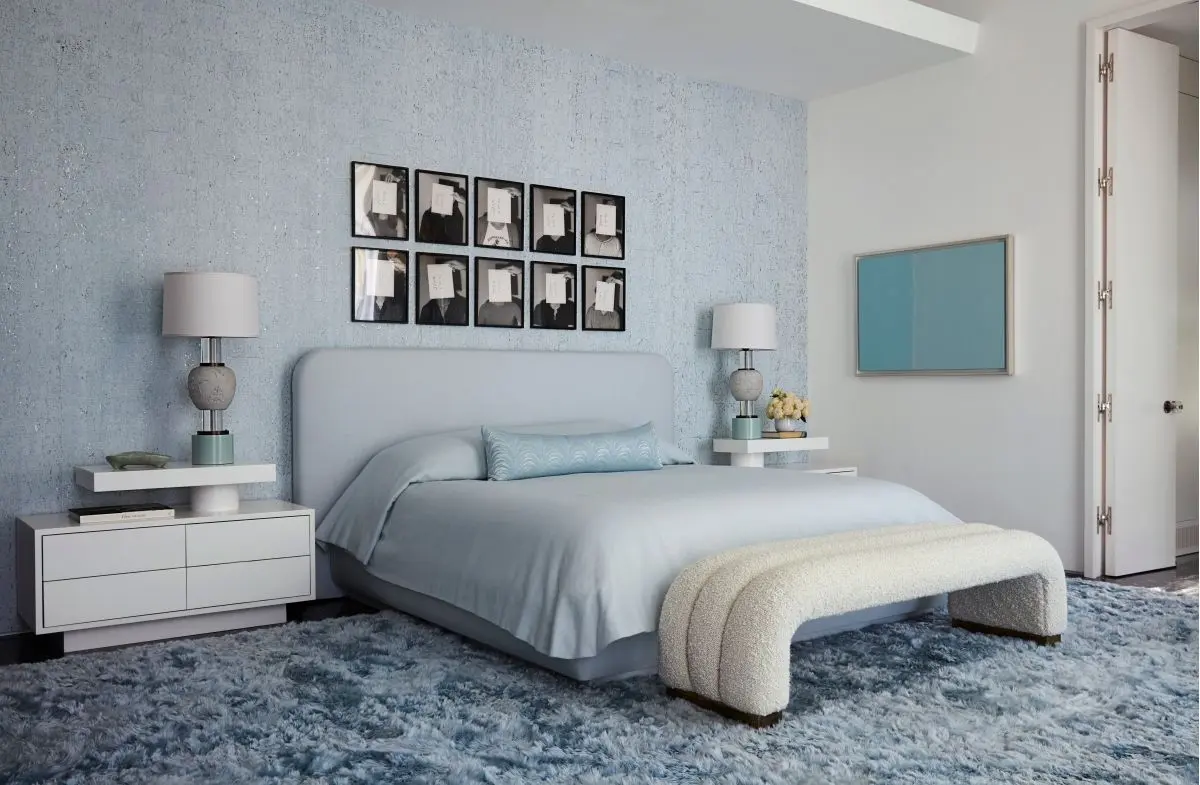
The lumbar pillow, once relegated to the specialized world of orthopedic medical supplies, has undergone a significant transformation to become a cornerstone of modern interior design and luxury bedding. While typically the final element added during the process of styling a bed or sofa, it is frequently the most visually impactful detail for residents and guests alike. Characterized by its elongated, low-profile silhouette, the lumbar pillow serves a dual purpose: it creates a stabilizing "horizon line" across a bedscape that grounds loftier throw pillows, and it provides essential physiological support for the lower spine. As interior trends shift toward a marriage of wellness and aesthetics, the lumbar pillow has emerged as a foolproof hack for achieving an elegant, layered look that does not sacrifice physical comfort.
The Dual Nature of the Modern Lumbar Pillow
In the contemporary home goods market, the term "lumbar pillow" refers to two distinct categories of products that are increasingly overlapping. The first is the ergonomic support cushion, often constructed from high-density memory foam or cooling gel, designed specifically to alleviate lower back pain by maintaining the natural inward curve of the lower spine. The second is the decorative lumbar, a textile-focused accent piece used by interior designers to introduce color, texture, and scale to a room.

The architectural significance of the shape cannot be overstated. In the archives of leading design publications like Architectural Digest, the lumbar pillow appears consistently in high-profile residences, ranging from supermodel Paloma Elsesser’s eclectic Brooklyn townhouse to classically decorated Southern estates. Its popularity stems from its ability to resolve the visual "clutter" that often results from too many square pillows. By spanning the width of a piece of furniture, the lumbar pillow provides a sense of deliberate curation and intentionality.
Market Trends and the Rise of the "Sleep Economy"
The surge in popularity of specialized bedding accessories like the lumbar pillow is part of a broader expansion in the global home decor market, which was valued at approximately $641.4 billion in 2023 and is projected to grow at a compound annual growth rate (CAGR) of 5.3% through 2030. This growth is driven by a heightened consumer focus on "the sleep economy"—a movement that prioritizes high-quality materials and ergonomic environments to improve overall health.
Data from the home textile industry suggests that consumers are moving away from traditional multi-piece "bed-in-a-bag" sets in favor of a "collected" look. This involves mixing and matching individual components from various brands, where a single oversized lumbar pillow often replaces a stack of four or five smaller throw pillows. This shift toward "slow decor" emphasizes quality over quantity, with a preference for natural fibers like European flax linen, sustainable wool, and organic cotton.

A Chronology of Bedding Design
The evolution of bed styling has moved through several distinct phases over the last century:
- The Formal Era (Early to Mid-20th Century): Bedding was strictly functional or heavily formal, often featuring rigid bolsters and matching spreads that covered the entire bed.
- The Maximalist Era (1980s–1990s): Characterized by a "more is more" approach, beds were often buried under dozens of ruffled shams and square throw pillows, many of which had to be removed nightly.
- The Minimalist Shift (2000s–2010s): Influenced by boutique hotels, the "all-white" bed became the standard, focusing on high-thread-count sheets but often lacking visual depth.
- The Wellness-Centric Era (2020–Present): Current trends prioritize texture and ergonomics. The lumbar pillow has become the hero of this era, offering a streamlined aesthetic that supports the "work-from-bed" lifestyle and the increasing demand for lumbar support during leisure time.
Analysis of Leading Textile Options
To understand the impact of a lumbar pillow on a space, one must examine the materiality. The choice of fabric dictates not only the pillow’s durability but also the "mood" of the room.
The Anchor of the Bed: Oversized Linen
For queen and king-sized beds, the "oversized" lumbar—often spanning 36 to 48 inches—is a preferred choice for designers. Brands like West Elm have popularized the flax linen lumbar cover as a way to anchor a bed with a single piece. Linen, derived from the flax plant, is prized for its breathability and its "perfectly imperfect" texture. In coastal, modern farmhouse, or minimalist settings, a large linen lumbar provides a clean horizontal line that simplifies the bedscape while maintaining a casual, inviting atmosphere.

Tactical Texture and Dimensionality
Texture acts as a substitute for pattern in sophisticated neutral palettes. Products like the Lulu and Georgia Viveka pillow utilize dimensional surfaces to create visual interest. This approach allows a sofa or bed to look "layered" and "considered" without the need for loud prints. From a psychological perspective, tactile textures like nubby wool or raised cotton weaves contribute to a sense of "cozy" security, a key element in the Scandinavian concept of hygge.
The Light-Refractive Quality of Velvet
In more formal or "moody" interior designs, velvet is the material of choice. High-quality cotton velvet, such as that found in Quince’s oversized lumbar collections, interacts with light in a way that flat weaves cannot. A velvet lumbar in a cool tone, like glacier blue or charcoal, can add a silvery sheen to a bed, providing a sense of luxury. Beyond aesthetics, velvet is a heavy-weight fabric that offers a more substantial "lean-on" experience for the user.
Cultural Heritage and Graphic Impact
The inclusion of handwoven or heritage textiles, such as Pendleton’s Southwestern-inspired wool patterns, represents a move toward "storytelling" in interior design. These pillows serve as functional art pieces. The use of vibrant palettes and geometric patterns can lift a neutral room, providing a focal point that feels intentional and historically grounded.

Statements from the Design Community
While individual brands focus on their specific product lines, the consensus among interior architects is that the lumbar pillow is a tool for correcting proportions. "A common mistake in bedroom design is scale," notes one industry analyst. "People often use pillows that are too small for a king-sized headboard, making the bed look dwarfed. An oversized lumbar restores the architectural balance."
Furthermore, the "one-and-done" styling method—using a single long lumbar in front of sleeping pillows—is being hailed as a time-saving hack for the modern consumer. This reflects a broader shift in lifestyle where people desire a high-end look with minimal daily maintenance.
Broader Impact: The Intersection of Health and Style
The rise of the decorative lumbar pillow also signals a broader cultural acknowledgement of the importance of spinal health. According to the American Chiropractic Association, back pain is one of the most common reasons for missed work and the leading cause of disability worldwide. By integrating lumbar support into the "aesthetic" of a home, designers are subtly encouraging better posture.

While a soft, decorative linen pillow may not offer the same therapeutic correction as a medical-grade memory foam insert, it provides a "nudge" toward comfort. The versatility of these pillows means they are frequently moved from the bed to the floor for meditation, or to a reading chair for extra support, highlighting a shift toward multi-functional home accessories.
Practical Implementation and Maintenance
For consumers looking to integrate these pieces into their homes, several technical factors must be considered:
- Placement: On a bed, the lumbar should be the forward-most piece, centered in front of the shams. On a sofa, it is most effective when placed in the center or used to bridge the gap between the seat and the back cushion.
- Inserts: Many high-end lumbar pillows are sold as covers only. Experts recommend using a high-quality down or down-alternative insert that is 1–2 inches larger than the cover to ensure a "plump" look.
- Care: Material dictates maintenance. Linen and cotton are often machine-washable, making them ideal for high-traffic homes with pets or children. Velvet and handwoven wool typically require dry cleaning to preserve the integrity of the fibers and the depth of the color.
Conclusion: The Future of the Bedscape
As the boundaries between work, rest, and wellness continue to blur, the demand for versatile, ergonomic, and beautiful home goods is expected to rise. The lumbar pillow, in all its various forms—from the tasseled linen of Serena & Lily to the graphic wool of Pendleton—stands as a testament to the fact that good design is never just about how something looks. It is about how something supports the life lived within the home. By providing a foolproof method for creating an elegant bedscape while simultaneously offering physical support, the lumbar pillow has secured its place as an essential element of the modern interior.
