

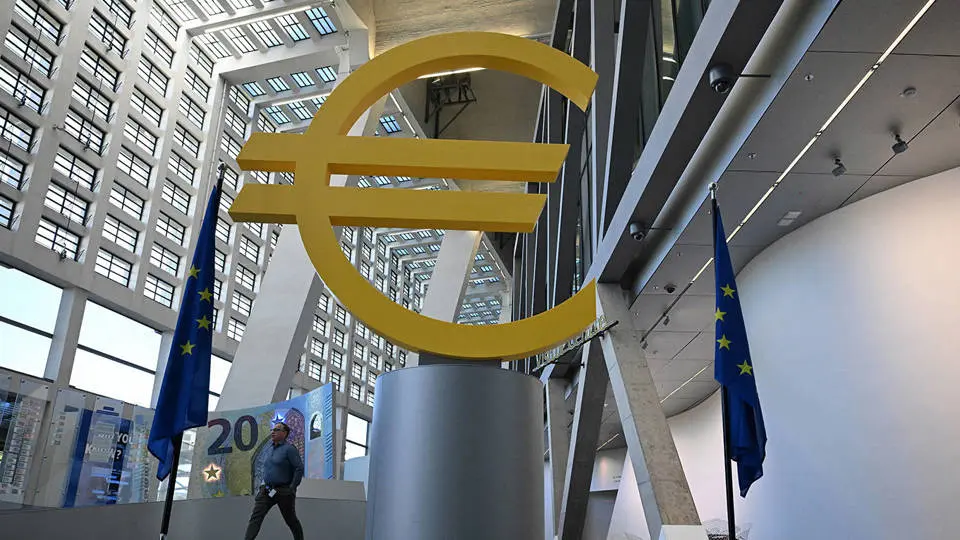
As the global monetary order navigates an increasingly fragmented landscape, the European Union stands at a pivotal juncture, possessing a rare opportunity to not only influence the emerging financial architecture but also to significantly elevate the euro’s international standing. However, for the single currency to transcend its current status and emerge as a genuine global counterweight to the U.S. dollar, it must first solidify its internal foundations and strategically broaden its economic and financial reach. A crucial initial step in this ambitious endeavor involves compelling the member states that have yet to adopt the euro, despite their treaty obligations, to fully integrate into the monetary union. This strategic imperative, outlined by prominent economists and policymakers, suggests a path towards a more robust and influential euro in the coming years.
The prevailing international monetary system, long dominated by the U.S. dollar, is undergoing a period of profound reevaluation. Geopolitical shifts, the rise of alternative economic powers, and evolving trade dynamics have contributed to a growing desire among nations for greater monetary autonomy and a more diversified global financial ecosystem. In this context, the euro, as the world’s second-largest reserve currency and the primary rival to the dollar, is uniquely positioned to capitalize on these trends. Yet, its potential remains largely untapped, constrained by structural weaknesses and an incomplete integration among its own member states.
The Euro’s Current Standing and the Dollar’s Enduring Dominance
For decades, the U.S. dollar has served as the de facto global reserve currency, underpinning international trade, finance, and investment. Its widespread acceptance is attributed to the sheer size and dynamism of the U.S. economy, the depth and liquidity of its financial markets, and the perceived stability of its political and legal institutions. Central banks worldwide hold substantial dollar reserves, and a significant portion of global debt is denominated in dollars. This entrenched position grants the United States considerable economic and geopolitical leverage.
Despite this dominance, the euro has carved out a significant niche for itself. It is the official currency of 20 European Union member states, representing a substantial economic bloc with a combined GDP comparable to that of the United States. The euro is widely used in international trade and is a significant component of global foreign exchange reserves. However, data from the International Monetary Fund (IMF) consistently shows the dollar maintaining a substantial lead in reserve holdings, typically accounting for over 60% of global reserves, while the euro hovers around 20%. This disparity highlights the room for growth and the challenges that lie ahead for the euro’s internationalization.
The Imperative of Internal Cohesion: The Case of Non-Eurozone EU Members
The fundamental argument for strengthening the euro’s global position begins at home. The European Union’s founding treaties stipulate that all member states, with few exceptions, are obliged to adopt the euro once they meet convergence criteria. Currently, a handful of EU nations, including Denmark, Sweden, Poland, Czech Republic, Hungary, Romania, and Bulgaria, have not yet adopted the euro. While some, like Denmark, have opt-outs, others have simply not met the economic benchmarks or have postponed the transition.
This incomplete monetary union presents a significant hurdle. The economic and financial landscape within the EU remains fragmented, with varying monetary policies, regulatory frameworks, and levels of economic development among member states. This internal divergence dilutes the collective strength of the euro and limits its ability to act as a unified force on the global stage.
Economists argue that bringing these remaining member states into the eurozone would not only fulfill treaty obligations but also yield substantial benefits:
- Enhanced Economic Stability: Full eurozone membership would subject these economies to the European Central Bank’s (ECB) monetary policy, fostering greater price stability and reducing currency volatility within the bloc.
- Deepened Financial Markets: The integration of these economies would lead to larger, more liquid financial markets, making the euro area a more attractive destination for investment and a more efficient platform for financial transactions.
- Increased Trade and Investment: The elimination of currency exchange costs and risks would further stimulate intra-EU trade and investment, boosting economic growth and competitiveness.
- Strengthened Political Unity: A truly unified monetary union would underscore the political commitment of all member states to the European project, enhancing the EU’s collective voice and influence in international affairs.
Building Stronger Financial Foundations: Beyond Monetary Union
While full membership of all eligible states is a critical step, the euro’s ascent requires more than just internal currency adoption. The EU must also fortify its broader financial architecture to enhance its resilience and attractiveness as a global financial center.
Capital Markets Union (CMU): The development of a robust Capital Markets Union is paramount. This initiative aims to create a single, integrated market for capital across all EU member states, making it easier for businesses to access financing and for investors to find opportunities. A well-functioning CMU would:
- Deepen Eurozone Capital Markets: By pooling savings and investment opportunities across the EU, the CMU would create deeper and more liquid capital markets, rivaling those of the U.S.
- Diversify Funding Sources: It would provide businesses with a wider range of funding options beyond traditional bank lending, fostering innovation and growth.
- Enhance Financial Stability: A more diversified financial system is generally more resilient to shocks.
Progress on the CMU has been incremental, with various proposals and initiatives launched over the past decade. However, political will and the alignment of national regulations remain challenges. Achieving a fully integrated CMU would require significant legislative harmonization and a commitment to cross-border investment.
Fiscal Integration and Stability: The eurozone crisis of the early 2010s exposed vulnerabilities in the fiscal architecture of the monetary union. While steps have been taken to strengthen fiscal coordination and surveillance, further progress is needed to ensure greater fiscal stability and a more robust response to future economic downturns. This could involve:
- A More Unified Fiscal Capacity: While outright fiscal federalism remains a distant prospect, exploring mechanisms for shared fiscal capacity or a common stabilization fund could bolster the euro’s resilience during crises.
- Strengthened Banking Union: The completion of the Banking Union, including a common deposit insurance scheme, is crucial for ensuring the stability of the European banking sector and preventing sovereign debt crises from spiraling.
Digitalization and Innovation: In an era of rapid technological advancement, the EU must embrace digitalization and foster innovation in its financial sector. This includes:
- Development of a Digital Euro: The ECB’s ongoing exploration of a digital euro could revolutionize payments, enhance financial inclusion, and provide a competitive alternative to privately issued digital currencies.
- Support for FinTech: Encouraging the growth of financial technology (FinTech) companies within the EU can foster innovation, improve efficiency, and create new financial products and services.
Expanding the Euro’s Global Reach
Beyond internal consolidation, the EU must actively promote the euro’s international use. This involves strategic engagement with international partners and the development of policies that incentivize the use of the euro in global trade and finance.
De-dollarization Trends and Opportunities: While the dollar’s dominance is deeply entrenched, there are observable trends towards de-dollarization, particularly in countries seeking to reduce their reliance on the U.S. for trade and financial transactions. The EU can capitalize on these trends by:
- Promoting Euro-Denominated Trade: Encouraging the use of the euro in invoicing and settlement for international trade, particularly with countries that are looking to diversify their currency exposures.
- Enhancing Euro-Denominated Debt Markets: Making euro-denominated bonds more attractive to international investors by ensuring their liquidity and regulatory clarity.
- Strengthening Bilateral Currency Agreements: Engaging in bilateral agreements with key trading partners to facilitate the use of the euro in their respective economies.
Geopolitical Considerations: In an increasingly multipolar world, the euro can serve as an anchor of stability and a tool for economic diplomacy. By offering a credible alternative to the dollar, the EU can enhance its own geopolitical influence and contribute to a more balanced global financial system. This is particularly relevant in the context of sanctions regimes, where a diversified currency landscape can offer greater operational flexibility for nations wishing to avoid the extraterritorial reach of any single currency.
A Timeline for Transformation
The journey towards a truly global euro is a long-term endeavor, requiring sustained political will and strategic implementation. A plausible timeline for these developments might involve:
- Short-Term (1-3 Years): Intensified efforts to bring remaining EU member states into the eurozone, focusing on meeting convergence criteria and addressing any political hesǎitations. Accelerated progress on key CMU initiatives, including legislative harmonization. Increased dialogue and outreach to potential international partners interested in greater euro usage.
- Medium-Term (3-7 Years): Widespread adoption of the euro by all eligible EU members. Significant advancements in the Capital Markets Union, leading to deeper and more integrated European financial markets. Potential launch of a digital euro, subject to successful pilot programs and regulatory frameworks. Increased euro invoicing and settlement in international trade agreements.
- Long-Term (7+ Years): A substantially larger and more liquid eurozone, with robust capital markets and a stable fiscal framework. The euro firmly established as a significant global reserve currency and a credible counterweight to the dollar. Enhanced EU economic and geopolitical influence stemming from its strengthened monetary position.
Expert Perspectives and Potential Reactions
Economists and policymakers have long debated the path to euro internationalization. Dr. Isabella Rossi, a senior economist at the European Central Bank (ECB), has emphasized the need for "continued structural reforms and a deepening of economic integration within the eurozone to unlock the euro’s full potential." She also noted that "while external factors are important, the ultimate strength of the euro rests on the solidity of its internal foundations."
From a political standpoint, there could be varied reactions. While many EU leaders recognize the strategic importance of a stronger euro, the national interests and economic specificities of non-eurozone members can present obstacles to full adoption. Member states like Sweden, which has benefited from independent monetary policy, might express reservations about relinquishing that control.
On the international stage, the U.S. Treasury Department has historically viewed the dollar’s dominance as a source of strength. While acknowledging the euro’s significance, they are unlikely to actively promote its rise. However, other nations, particularly emerging economies seeking to diversify their currency holdings, might welcome a stronger euro as a more balanced alternative.
Conclusion: A Strategic Imperative for a Shifting World
The current global monetary landscape presents the European Union with a historic chance to significantly enhance the euro’s international role. This aspiration, however, is not a foregone conclusion. It demands a concerted and strategic effort to address internal fragilities, foster deeper integration, and actively promote the euro’s global reach. The imperative for member states to fully embrace the euro, coupled with the robust development of the Capital Markets Union and a commitment to fiscal stability, forms the bedrock of this endeavor. By seizing this opportunity, the EU can not only solidify its economic standing but also contribute to a more diversified, stable, and equitable global financial system, positioning the euro as a true counterweight to the dollar in an ever-evolving world. The path forward is clear: a more European euro will ultimately become a more global euro.
