

The transition toward electric mobility in the United States is facing a complex landscape defined by a sharp divergence between the rising costs of fossil fuels and a deep-seated consumer skepticism regarding the long-term economic benefits of battery-electric vehicles. While the national average price for a gallon of gasoline has surged to approximately $4.55—representing a $1.40 increase from the previous year—recent market data suggests that the "pain at the pump" is not translating into a universal rush toward electrification. Instead, a multifaceted barrier composed of economic misconceptions, infrastructure anxiety, and geopolitical concerns is slowing the pace of adoption.
The Disconnect Between Fuel Costs and Consumer Perception
For many American drivers, the financial burden of internal combustion engine (ICE) ownership has reached a breaking point. In states like California, where gas prices have consistently hovered near the $6.00 mark, the cost of refueling a standard light-duty pickup truck, such as a Ram 1500, can exceed $140 per tank. Industry analysts note that operating such a vehicle under current conditions costs approximately 40 cents per mile. Despite these staggering figures, a new comprehensive survey of 2,228 Americans conducted by Bumper.com reveals a significant "perception gap" in the marketplace.
The survey, conducted between April 3 and April 6, found that two-thirds of respondents do not believe that switching to an electric vehicle (EV) would result in significant fuel savings. More than 66% of those surveyed stated they perceived no discernible difference between the operating costs of a conventional vehicle and an electric one. Among the minority who did anticipate savings, the majority estimated the annual benefit to be less than $500.
However, data from the Department of Energy and independent automotive analysts like Autoweek suggest a different reality. For the average American driver, who travels roughly 12,000 miles per year, the switch from a traditional sedan to an EV yields an estimated annual savings of $1,000 in fuel and maintenance. For those transitioning from high-consumption vehicles like the Jeep Grand Cherokee—which averages a meager 14 mpg in city driving—the savings can exceed $1,500 annually. Despite this, only 9% of survey respondents expected their savings to reach these documented levels.
A Chronology of Shifting Public Sentiment
The trajectory of EV interest in the United States has been volatile over the last 24 months. Following the onset of regional conflicts in the Middle East and Eastern Europe, which disrupted global oil supplies, online search interest for EVs spiked. Data from Cars.com indicated a 25% surge in EV-related queries between late February and late March of 2024, while searches for diesel and gasoline vehicles dropped by 9%.
This initial curiosity, however, has struggled to convert into purchase intent. The Bumper.com data shows that 80.7% of consumers remain "not more curious" about EVs despite the inflationary pressure of gas prices. Furthermore, 87.3% of respondents explicitly stated they would not purchase an EV solely to avoid high fuel costs.
This resistance is increasingly being viewed through a political lens. While the 2024 election cycle initially amplified partisan divides over green energy initiatives, some analysts see signs of a shift. A poll by Hill Research Consultants suggests that Republican opposition to EVs may be softening as the political rhetoric of the primary season fades. This change is partly attributed to the "Battery Belt" phenomenon, where multi-billion dollar EV and battery manufacturing plants are being constructed in traditionally conservative states, creating a local economic incentive for the industry’s success.
Infrastructure Misunderstandings and the Charging Gap
One of the primary drivers of EV skepticism remains the perceived lack of charging infrastructure. According to the Bumper.com survey, 70.5% of respondents claimed they have "no easy access to a charger." This perception stands in stark contrast to geographic data provided by the Pew Research Center, which indicates that 64% of Americans currently live within two miles of a public charging station.
The U.S. charging landscape has undergone a rapid expansion since 2020. At that time, there were roughly 29,000 public charging stations nationwide. By 2024, that number has grown to over 79,500 stations with more than 245,000 individual charging ports. Furthermore, the industry-wide shift toward the North American Charging Standard (NACS)—pioneered by Tesla—has opened up tens of thousands of reliable Supercharger stalls to owners of Ford, GM, Rivian, and Volvo vehicles. This "opening of the gates" is expected to mitigate range anxiety, yet the survey data suggests that consumer awareness of these developments remains low.
The Pricing Paradox: The $10,000 EV Dream
Perhaps the most significant hurdle to mass adoption is the disconnect between consumer budgets and market availability. When asked about their budget for an electric vehicle, the most common response among survey participants was "$10,000 or less."
In the current U.S. automotive market, this expectation is virtually impossible to meet. The average price of a new vehicle in the United States currently hovers around $48,000, with even used vehicle prices averaging over $25,000. For an EV to be sold at a $10,000 price point, it would likely need to be a "neighborhood electric vehicle" (NEV) with limited range and safety features, far removed from the full-sized SUVs and trucks that dominate American roads.
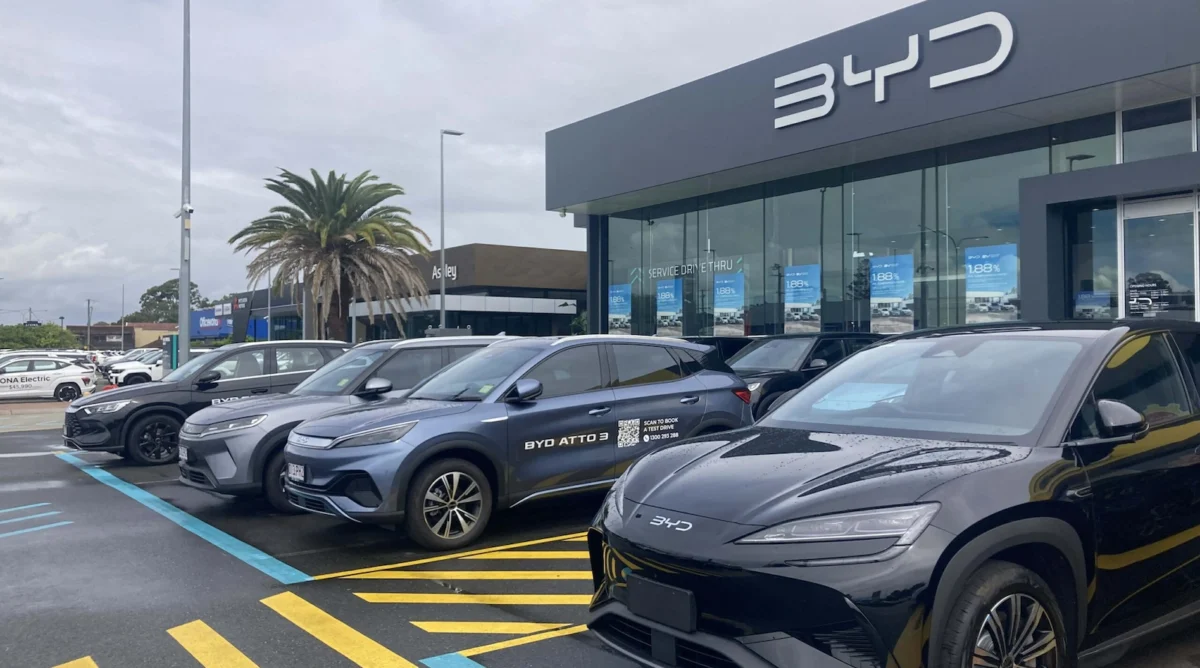
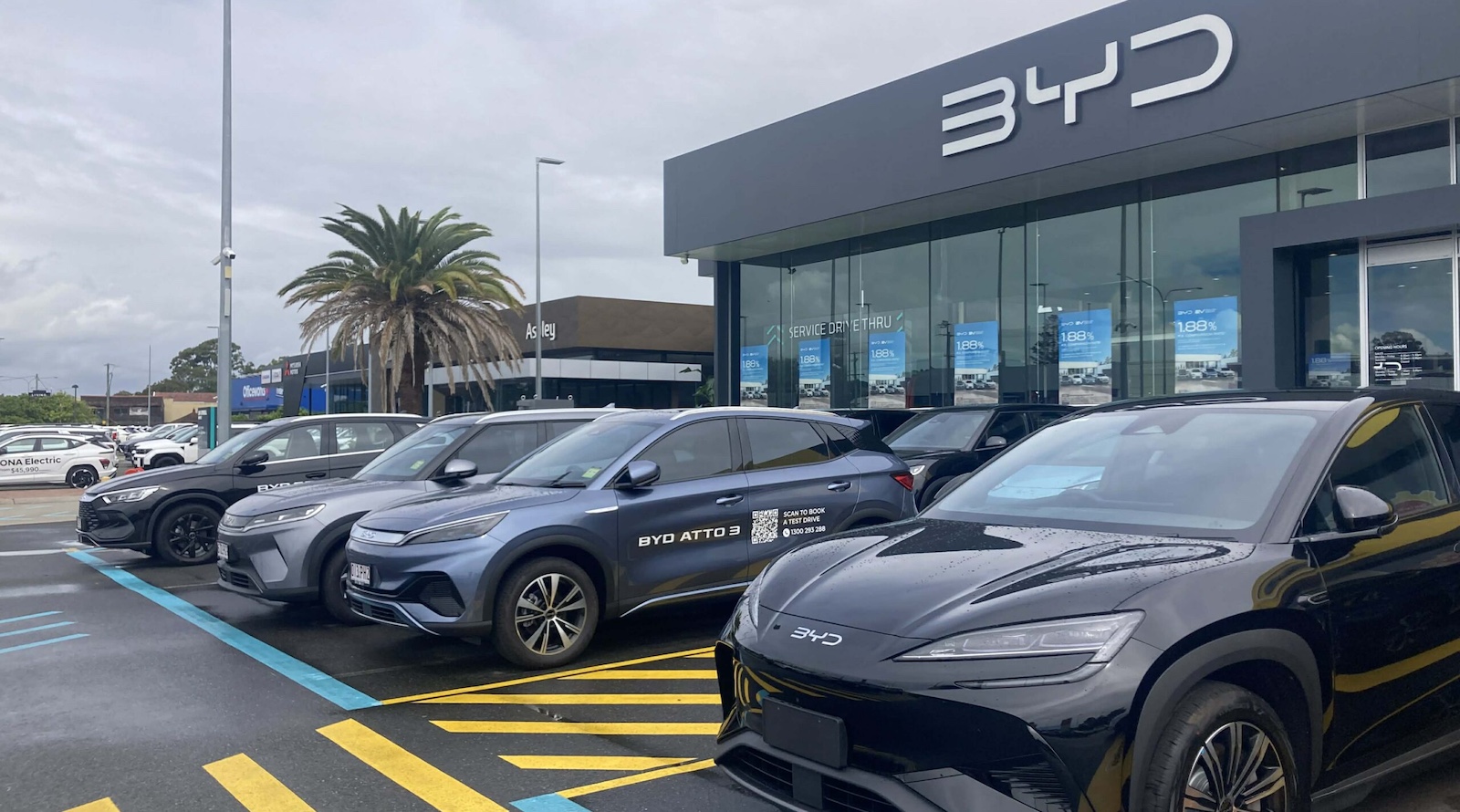
This pricing gap has created a vacuum that is increasingly being filled by international manufacturers, particularly from China. In the Chinese domestic market, fully functional compact EVs like the BYD Seagull are sold for the equivalent of $9,000 to $11,000. While these vehicles are currently subject to a 100% tariff when imported directly into the U.S. for sale, they are beginning to appear on American roads through a regulatory loophole.
The "Mexican Loophole" and National Security Concerns
U.S. Customs and Border Protection (CBP) regulations currently allow for "temporary visitor rules," which permit foreign-registered vehicles to enter the United States for personal use, work, or vacation. As Chinese manufacturers like BYD and MG expand their footprint in Mexico—where their vehicles are sold for approximately $20,000—Mexican nationals are increasingly driving these non-compliant vehicles across the border.
The National Highway Traffic Safety Administration (NHTSA) has confirmed that these vehicles fall under a temporary admission framework because they are not being formally imported for sale in the U.S. commerce stream. However, this has triggered an alarm among federal lawmakers who view the presence of Chinese-made "connected" vehicles as a potential national security threat.
Congressional leaders have expressed concern that these vehicles function as "rolling data collection devices," capable of capturing real-time information on U.S. infrastructure, location data, and personal communications. Bipartisan legislation is currently being drafted to potentially ban Chinese-made vehicles and components from U.S. roads entirely, citing "predatory trade practices" and the need to protect the domestic manufacturing sector from state-subsidized competition.
Analysis of Implications: A Market at a Crossroads
The data suggests that the American EV transition is entering a "plateau of skepticism." The early adopters have already entered the market, leaving a pragmatic and budget-conscious majority that remains unconvinced of the EV value proposition.
To bridge this gap, three critical factors must converge:
- Education on Total Cost of Ownership (TCO): Manufacturers and government agencies must move beyond marketing "environmental benefits" and focus on the raw economics of the $1,000 annual savings in fuel and the significantly lower maintenance costs associated with fewer moving parts.
- Addressing the Entry-Level Market: While luxury EVs are plentiful, the lack of an affordable "everyman’s car" in the $25,000 range (pre-incentive) remains a barrier. The federal used EV tax credit of up to $4,000 is a step toward addressing this, but inventory remains limited.
- Infrastructure Transparency: Public perception of "charger deserts" must be countered with better integration of charging locations into standard navigation and more visible signage on highways, mirroring the ubiquitous presence of gas station logos.
As the United States grapples with these internal challenges, the geopolitical pressure from the Chinese automotive sector continues to mount. The tension between the desire for affordable green technology and the need for national security and domestic industrial protection will likely be the defining theme of the automotive industry for the remainder of the decade.
In the words of former President Harry Truman, whose "Little White House" remains a symbol of American leadership during times of transition: "Courage is not the absence of fear, but the decision that something else is more important than fear." For the American consumer, the decision to move away from the familiarity of the internal combustion engine will require not just courage, but a much clearer understanding of the economic and technological landscape that lies ahead.
