

The global effort to mitigate climate change faces no greater industrial challenge than the decarbonization of the steel sector, an industry long considered "hard-to-abate" due to its heavy reliance on coal and carbon-intensive manufacturing processes. As nations scramble to meet Paris Agreement targets, India’s Suzlon Group has emerged as a pivotal player in this transition, positioning itself as a bridge between renewable energy generation and heavy industrial consumption. By securing a series of high-profile contracts to supply wind energy to major steel producers, Suzlon is facilitating a significant reduction in the sector’s indirect emissions, offering a pragmatic, albeit partial, solution to one of the most complex environmental puzzles of the modern era.
The ArcelorMittal-Suzlon Strategic Alliance
In early 2024, the renewable energy landscape in India saw a landmark development when Suzlon Group, a Pune-based wind turbine manufacturer with a presence in 17 countries, announced a major 248.85-megawatt (MW) wind power order from ArcelorMittal, one of the world’s largest steel manufacturers. This order is not an isolated transaction but a critical component of ArcelorMittal’s broader US$900-million investment strategy aimed at diversifying its energy portfolio within India.
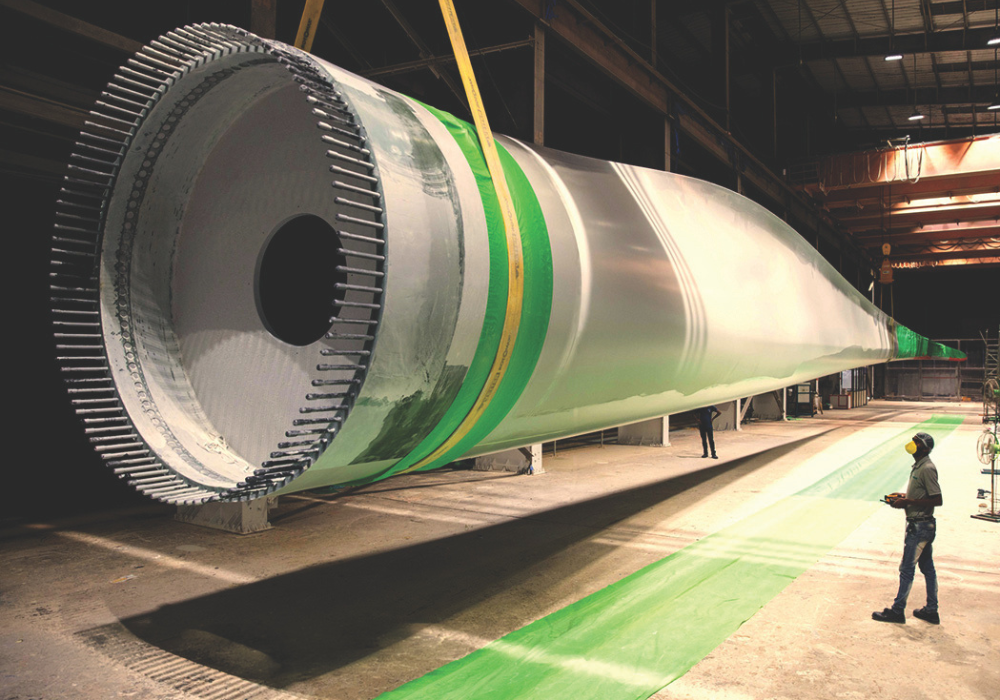
The project involves the installation of Suzlon’s 3-MW series wind turbines, which are designed to optimize energy yield in the varying wind conditions of the Indian subcontinent. These installations are slated for strategic locations across Maharashtra, Rajasthan, and Gujarat—states that have become the frontlines of India’s renewable energy revolution. When combined with 736 MW of solar power and 800 megawatt-hours (MWh) of battery energy storage systems (BESS), this hybrid approach is designed to provide "round-the-clock" (RTC) renewable energy.
By 2028, these initiatives are projected to double ArcelorMittal’s renewable energy capacity in India to 2 gigawatts (GW). The environmental impact of this shift is substantial; the collective projects are estimated to prevent the release of approximately 1.59 million tonnes of carbon dioxide annually. For a company like ArcelorMittal, which operates the massive Hazira steel plant in Gujarat, such investments are essential for maintaining competitiveness in a global market that is increasingly penalizing carbon-heavy exports.
The Crisis of Carbon Intensity in Indian Steel
The urgency of Suzlon’s mission is underscored by the sobering statistics of India’s steel industry. Currently, steel production accounts for roughly 12% of India’s total carbon dioxide emissions. The carbon intensity of Indian steel is notably higher than the global average. For every tonne of steel produced domestically, approximately 2.55 tonnes of CO2 are emitted—a figure that is 38% higher than the global average of 1.85 tonnes per tonne of steel.
This disparity is largely due to the prevalence of coal-based Direct Reduced Iron (DRI) plants and blast furnaces that rely on coking coal. India’s steel industry currently generates about 240 million tonnes of CO2 every year. Without a radical shift in energy procurement and manufacturing technology, this figure is on a trajectory to double by 2030 as the nation expands its infrastructure and urban centers. The Indian government has set ambitious targets under the National Steel Policy to increase production capacity to 300 million tonnes by 2030, making the decarbonization of this growth a matter of national and global environmental security.
Understanding the Emissions Gap: Scope 1 versus Scope 2
While Suzlon’s wind projects represent a significant step forward, industry analysts caution that renewable energy integration primarily addresses Scope 2 emissions—those resulting from the purchase of electricity from the grid. For a steel mill, switching to wind or solar power can clean up the operations of finishing mills, administrative offices, and auxiliary machinery. However, it does not solve the problem of Scope 1 emissions, which are the direct emissions produced on-site.
The heart of the steelmaking process involves the reduction of iron ore into molten iron, a process traditionally achieved in blast furnaces using carbon-rich coke. This chemical reaction releases massive amounts of CO2 as a byproduct. Renewable electricity, while clean, cannot replace the chemical role of carbon in a traditional blast furnace. To address Scope 1 emissions, steelmakers must look toward deeper technological overhauls, such as:
- Green Hydrogen: Using hydrogen produced via electrolysis (powered by Suzlon’s wind turbines) as a reducing agent instead of coal.
- Electric Arc Furnaces (EAF): These furnaces melt scrap steel or DRI using electricity. If that electricity comes from renewable sources, the process becomes significantly cleaner. Currently, only about 28% of global steel is produced via EAF.
- Carbon Capture and Storage (CCS): Capturing emissions at the source and storing them underground, though this technology remains expensive and difficult to scale.
The Regulatory Evolution and the "Green Steel" Definition
As companies like Suzlon and ArcelorMittal push the boundaries of industrial decarbonization, the lack of a standardized definition for "green steel" has created a vacuum that regulators are only now beginning to fill. Without clear definitions, the industry is susceptible to greenwashing, where incremental improvements in Scope 2 emissions are marketed as total decarbonization.
India has taken a leadership role in this regard. In December 2024, the Indian government officially adopted a framework to define "green steel," focusing on specific thresholds for carbon emissions per tonne of finished product. This move is intended to provide clarity for investors and to ensure that "green" labels are backed by measurable data.
Similarly, the European Union is finalizing its own standards under the Carbon Border Adjustment Mechanism (CBAM). This policy will impose a carbon price on imports of carbon-intensive products, including steel, from countries with less stringent environmental regulations. For Indian steelmakers, the transition to renewable energy through providers like Suzlon is no longer just a corporate social responsibility goal; it is an economic necessity to maintain access to the European market.
In the United States, the Biden administration has leveraged federal procurement power to favor "low-carbon" materials through the "Buy Clean" initiative. Proposed legislation also aims to align U.S. domestic production with the standards set by ResponsibleSteel, an international non-profit that provides third-party certification for steel sites based on environmental and social criteria.
Expert Analysis: Beyond the Turbine
Ysanne Choksey, a researcher at the German think tank Agora Energiewende, emphasizes that while the expansion of wind and solar capacity is vital, the regulatory framework is what ultimately determines the success of the transition. "We need rules that do more than just encourage the purchase of renewable energy," Choksey notes. "The industry needs a roadmap that directs capital toward the fundamental replacement of coal-based infrastructure. Weak standards allow for marketing wins without the necessary capital expenditures required for deep decarbonization."
The challenge for Suzlon and its peers is to move beyond being mere equipment suppliers to becoming integrated energy partners. The transition requires a synchronized effort between energy providers, steel manufacturers, and government bodies to build the necessary infrastructure—not just turbines and panels, but hydrogen pipelines and modernized grids capable of handling the intermittent nature of wind and solar power.
Chronology of Recent Developments
The current momentum in the Indian green steel movement can be traced through several key milestones over the past 24 months:
- Mid-2023: The Indian Ministry of Steel establishes 14 task forces to explore various aspects of green steel production, including hydrogen usage and carbon capture.
- January 2024: Suzlon secures the 248.85 MW order from ArcelorMittal, signaling a shift in how major steel players view renewable energy procurement.
- Late 2024: India formalizes its legal definition of green steel, becoming one of the first major economies to do so.
- 2025-2028 (Projected): ArcelorMittal and other majors like Tata Steel and JSW Steel are expected to commission a series of hybrid renewable projects, significantly altering the energy mix of the Indian industrial belt.
Conclusion: A Multi-Decadal Transformation
The partnership between Suzlon and ArcelorMittal serves as a microcosm of the broader industrial transition. It highlights both the potential and the limitations of current decarbonization strategies. By providing a "faster, cheaper" way to reduce Scope 2 emissions, Suzlon is giving the steel industry the breathing room it needs to tackle the more difficult technological shifts required for Scope 1 reductions.
However, the path to true net-zero steel remains long. It will require tens of billions of dollars in new investment, a global consensus on regulatory standards, and a massive scale-up of green hydrogen technology. As Suzlon continues to deploy its turbines across the plains of Rajasthan and the coasts of Gujarat, it is doing more than just generating electricity; it is proving that even the "thorniest" sectors of the global economy can begin the slow, necessary process of turning green. The success of these early ventures will likely dictate the pace at which the rest of the world’s heavy industries follow suit.
