

The United States Department of Agriculture (USDA) has initiated a sweeping reorganization of the U.S. Forest Service, a move that officials describe as a modernization effort but critics denounce as a calculated attempt to dismantle federal land protections. The overhaul, announced late last month by Agriculture Secretary Brooke L. Rollins, involves relocating the agency’s national headquarters from Washington, D.C., to Salt Lake City, Utah, and transitioning to a decentralized, state-based organizational model. The plan has ignited a firestorm of opposition, uniting an unlikely coalition of outdoor recreation corporations, environmental conservationists, and scientific advocacy groups who argue the changes are designed to favor the lumber and extraction industries at the expense of public access and ecological health.
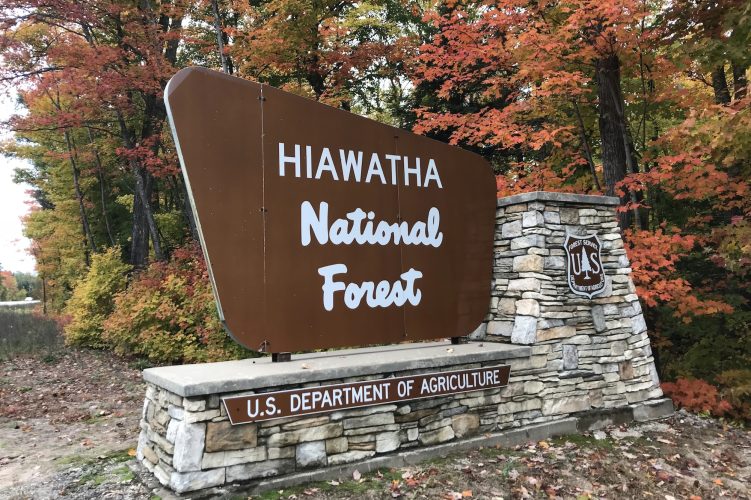
The Forest Service, a division of the USDA, is responsible for the stewardship of 193 million acres of public land, including 154 national forests and 20 grasslands. Unlike the National Park Service, which operates under a strict preservation mandate, the Forest Service has historically balanced a "multi-use" mission that includes timber harvesting, grazing, and mining alongside recreation and conservation. However, the new administrative directives represent a significant shift in priority, emphasizing domestic lumber production as a primary objective. Secretary Rollins defended the move as a "common sense" reform intended to bring management closer to the lands themselves while reducing taxpayer costs.
A Structural Shift Toward State-Based Control
The core of the reorganization involves the elimination of the Forest Service’s nine existing regional offices. In their place, the USDA is establishing 15 new state-based director positions, many of which will be situated in the Western United States. According to the USDA’s official statement, these state directors will serve as national leaders, supported by small teams focused on legislative affairs, communications, and intergovernmental coordination.
Critics argue that this "state-based organizational model" is a veiled attempt to facilitate the transfer of federal lands to state control—a long-standing goal of several Western political factions and industry lobbyists. Utah, the site of the new headquarters, has been the epicenter of the land transfer movement. The American Legislative Exchange Council (ALEC) and other conservative organizations have frequently advocated for states to take over federal acreage, arguing that local control is more efficient. Conservationists, however, warn that states often lack the budget to manage massive wildfires or maintain extensive trail systems, leading to the inevitable sale or leasing of public lands to private timber, oil, and gas interests.
The announcement also confirmed the rescinding of the Roadless Rule, a landmark conservation policy that has protected more than 58 million acres of national forest from road construction and timber harvesting since 2001. By removing these protections, the USDA aims to streamline access for the domestic lumber industry, which Secretary Rollins stated is essential for providing "affordable, quality lumber to build homes right here in America."
The Impact on Agency Workforce and Institutional Knowledge
A primary concern among federal employees and labor advocates is the potential for a massive "brain drain" resulting from the relocation. The USDA expects approximately 260 positions to move from Washington, D.C., to Salt Lake City. History suggests that a vast majority of these employees may choose to resign or retire rather than move across the country.
A similar relocation occurred in 2019 during the first Trump administration, when the Bureau of Land Management (BLM) headquarters was moved to Grand Junction, Colorado. Data from that period indicates that nearly 90 percent of the affected staff refused to relocate, resulting in the loss of hundreds of years of collective institutional knowledge. Although the Biden administration reversed the BLM move in 2021, former BLM Director Tracy Stone-Manning recently noted that the damage was profound, describing the original relocation as a successful effort to "cripple the agency."

The Forest Service is already grappling with a diminished workforce. Budget-cutting measures over the past year resulted in a 16 percent reduction in staff, totaling nearly 5,900 employees. This shortfall has already impacted essential services, including trail maintenance, visitor education, and fire mitigation. Conservationists charge that the new reorganization is effectively a "forced purge," allowing the administration to install new recruits who may be more aligned with industrial extraction priorities than the agency’s traditional conservation ethic.
Research Cuts and the "War on Science"
The reorganization extends deep into the agency’s scientific wings. The USDA plan calls for the closure of 57 of the 77 local research offices currently operated by the Forest Service. Research functions will be consolidated into a single facility in Fort Collins, Colorado. In testimony before Congress, Forest Service Chief Tom Schultz admitted that this consolidation would likely result in the elimination of up to 1,100 research positions.
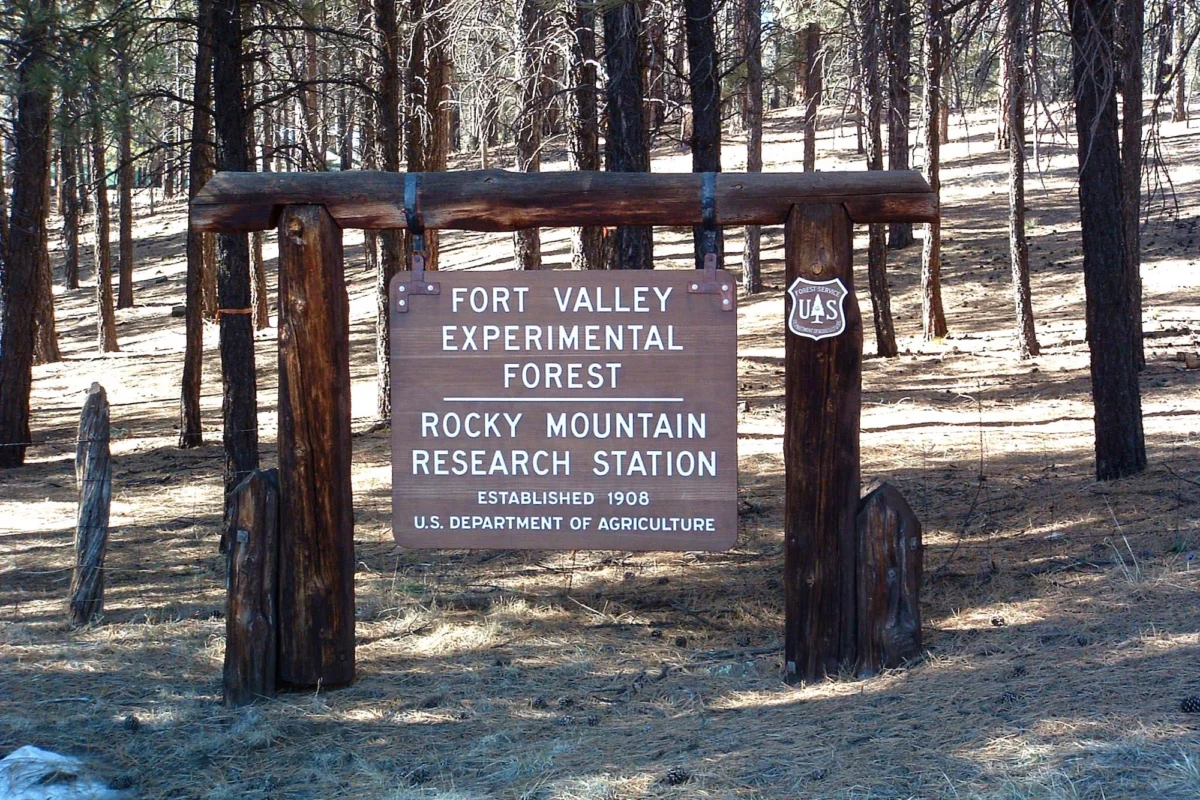
These research stations play a critical role in managing forest health. For example, the Fort Valley Experimental Forest in Arizona—the agency’s oldest research site—has provided over a century of data on how logging affects ponderosa pine ecosystems. Other stations focus on pest control, invasive species, and climate resilience. The Union of Concerned Scientists has condemned the move as "irreversibly destructive," noting that losing these scientists will leave the nation less prepared for the increasing frequency and intensity of wildfires.
The appointment of Michael Boren as the USDA Under Secretary for Natural Resources and Environment has further fueled concerns. Boren, a software billionaire and Idaho landowner, has a history of legal clashes with the Forest Service over unauthorized construction on public lands. His leadership of the agency tasked with managing those very lands has been described by political opponents as a "walking conflict of interest."

The Economic Tension: Lumber vs. Outdoor Recreation
The USDA’s focus on the lumber industry highlights a growing economic tension between extractive industries and the burgeoning outdoor recreation economy. While the lumber industry is a significant employer in specific regions, the outdoor recreation sector has become a national economic powerhouse.
According to data from the Bureau of Economic Analysis (BEA), the outdoor recreation economy accounts for over $1 trillion in annual economic output and supports nearly 5 million jobs. This sector relies heavily on the "conservation ethic" that the Forest Service is now de-emphasizing. If trails are not maintained, forests are clear-cut, and access is restricted, the businesses that provide gear, guiding services, and hospitality are directly threatened.
This economic reality has prompted an unprecedented response from the private sector. More than 70 major outdoor brands—including Patagonia, Columbia Sportswear, REI Co-op, Orvis, and Cotopaxi—signed a joint letter through The Conservation Alliance. The letter urges the administration to maintain public engagement requirements and protect the integrity of Forest Service lands. These companies argue that their business models are predicated on the existence of healthy, accessible public lands, and that the proposed reorganization prioritizes short-term extraction over long-term economic stability.
Chronology of Recent Forest Service Developments
- 2019: The Department of the Interior relocates the BLM headquarters to Colorado, resulting in a 90% staff loss.
- 2021: The Biden administration returns the BLM headquarters to Washington, D.C.
- 2024: Significant budget cuts lead to a 16% reduction in the Forest Service workforce.
- January 2025: Michael Boren is confirmed as USDA Under Secretary for Natural Resources and Environment.
- March 31, 2026: Secretary Rollins announces the relocation of Forest Service HQ to Salt Lake City and the shift to a state-based model.
- April 2026: Bipartisan concerns emerge in Congress regarding the legality of the reorganization without legislative approval.
- April 10, 2026: The Outdoor Alliance and The Conservation Alliance release formal statements of opposition.
Legal Challenges and Future Implications
The legality of the USDA’s move remains a point of contention. Several members of Congress have pointed out that major structural changes to federal agencies typically require congressional approval and appropriations. By proceeding without a formal vote, the USDA may be inviting lawsuits from environmental groups and state attorneys general.

The implications of a weakened Forest Service are far-reaching. Beyond the loss of recreational opportunities, the degradation of forest management could lead to a collapse in watershed health, as national forests provide the source of drinking water for more than 60 million Americans. Furthermore, the loss of fire mitigation experts during a period of record-breaking wildfire seasons poses a direct threat to communities situated in the wildland-urban interface.
As the USDA moves forward with its plans, the coalition of "outdoor advocates"—ranging from fly-fishing enthusiasts to multi-billion-dollar retail corporations—is signaling that it will not go quietly. The battle over the Forest Service reorganization is likely to be fought in the halls of Congress and the federal court system, serving as a litmus test for the future of public land management in the United States. For now, the "chainsaw in broad daylight," as described by critics, remains poised to reshape the American landscape.
