

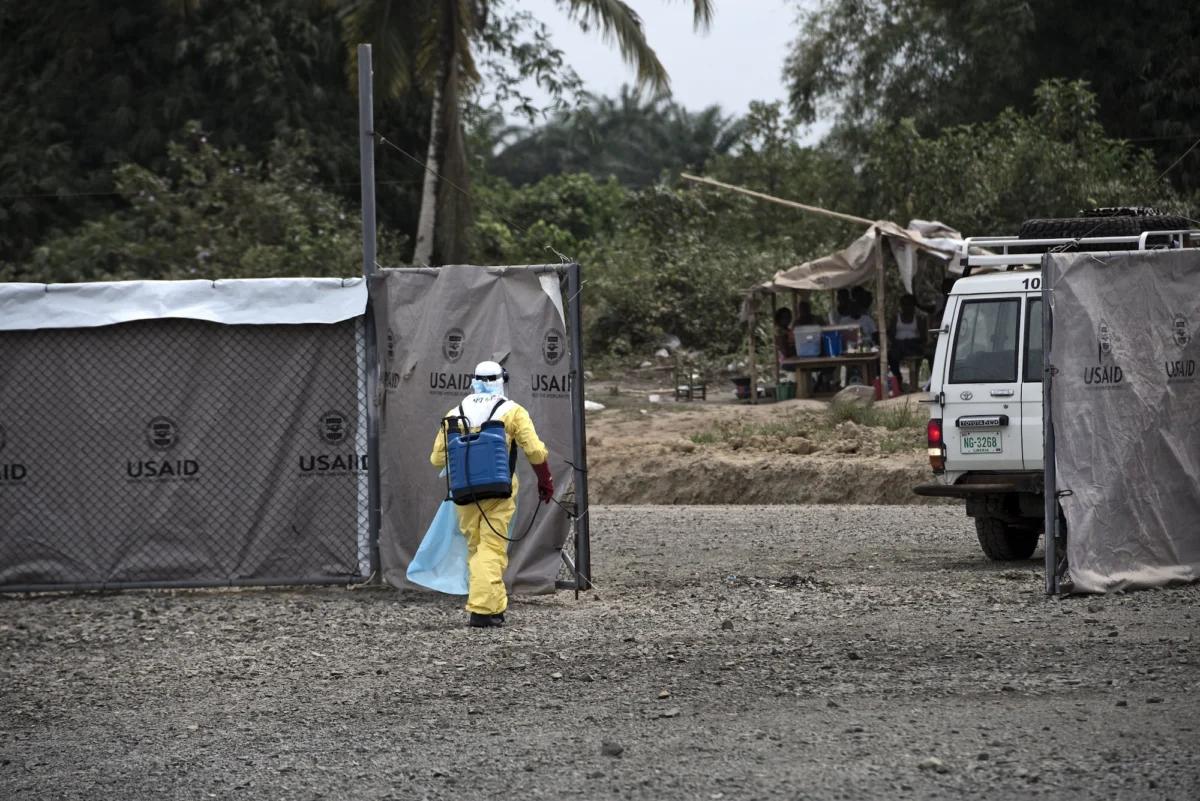
One year after the United States Agency for International Development (USAID) was summarily dismantled by executive order, the global humanitarian landscape remains in a state of unprecedented volatility. The sudden termination of the world’s largest source of bilateral aid on January 20, 2025, sent shockwaves through the international community, leaving thousands of programs in limbo and millions of vulnerable individuals without essential services. While private philanthropists and grassroots activists have mobilized a frantic "triage" response, the scale of the vacuum left by the U.S. government remains largely unfilled. The transition from public policy to private charity has highlighted a stark reality: the $40 billion annual budget and global infrastructure of a federal agency cannot be replicated by the private sector, regardless of its efficiency or intent.
The Rapid Deconstruction: A Chronology of the First 100 Days
The demise of USAID was not a gradual sunsetting of operations but a swift, surgical termination. The timeline of the agency’s dissolution reflects a broader shift in American foreign policy toward isolationism and a radical restructuring of the federal bureaucracy.
On January 20, 2025, within hours of being sworn in for a second term, President Donald Trump issued an executive order that effectively abolished USAID as an independent entity. This move circumvented the 1998 Congressional reorganization that established the agency’s independence, under the legal justification that its functions were being "absorbed" into the Department of State. However, in practice, the absorption was a precursor to a massive liquidation of assets and personnel.
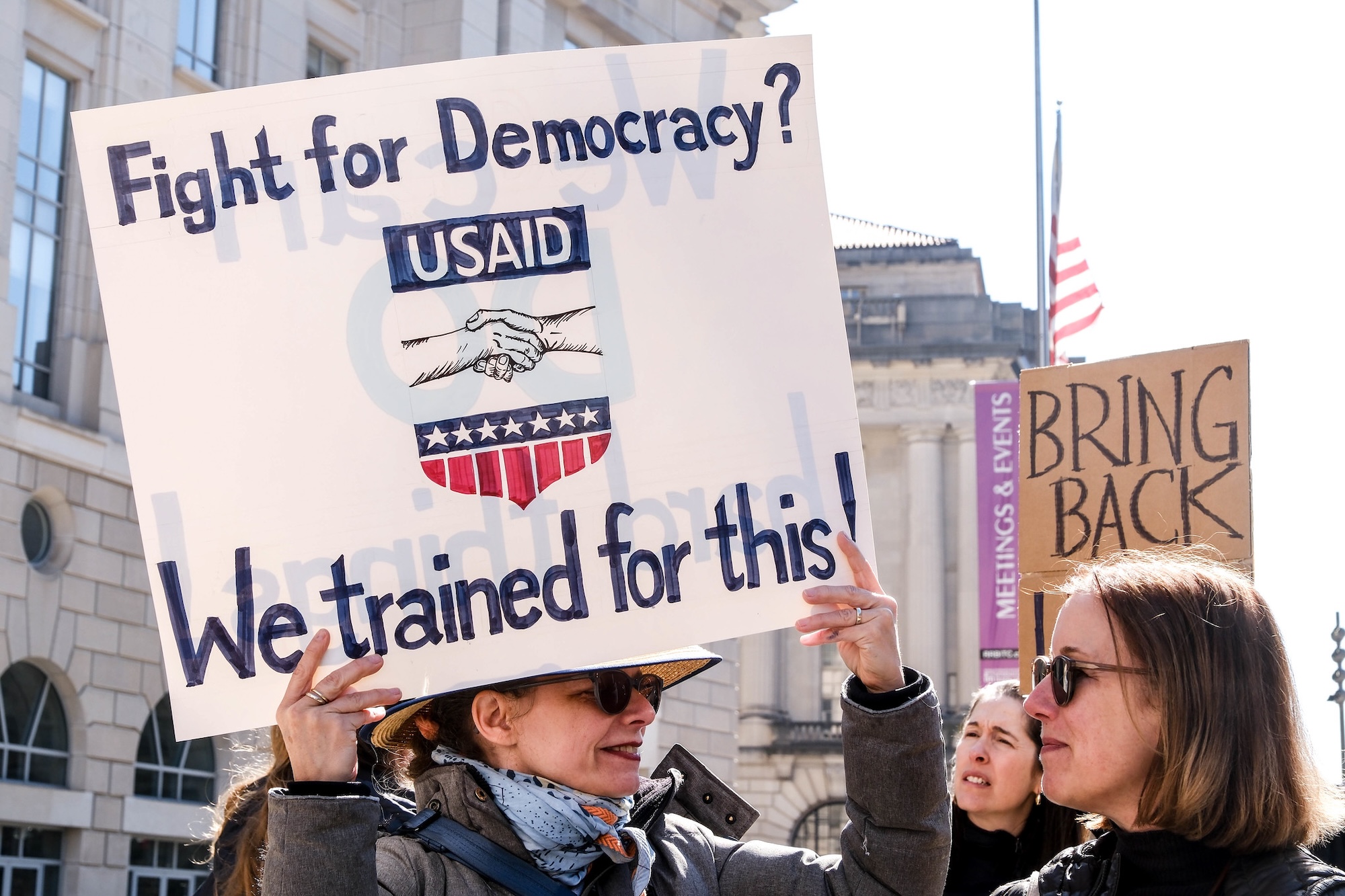
By mid-February 2025, the physical reality of the order became clear. At the USAID headquarters in Washington, D.C., and in missions across more than 100 countries, staffers were given as little as 15 minutes to vacate their offices. Critical files were shredded, digital databases were taken offline, and the agency’s public-facing website was scrubbed of nearly six decades of developmental data. Though some data was preserved by whistleblowers and external archivists, the institutional memory of the agency was effectively lobotomized.
In March 2025, the newly formed Department of Government Efficiency (DOGE), headed by Tesla CEO Elon Musk, assumed oversight of the "close-out" process. Tasked with slashing government waste, DOGE utilized software-generated keyword searches to identify and terminate thousands of active contracts. By April, nearly 1,600 U.S. personnel and thousands of global contractors were placed on indefinite administrative leave, while approximately $19 billion was earmarked solely for the legal and administrative costs of shutting down existing grants.
The "Wood Chipper" Effect: Algorithmic Inefficiency
The methods used by DOGE to dismantle USAID have come under intense scrutiny from both former officials and congressional oversight committees. Nicholas Enrich, the former executive director of USAID’s Bureau of Health and author of the recently released memoir Into the Wood Chipper, describes a chaotic process where programs were axed based on automated metrics rather than human outcomes.
According to Enrich, the algorithmic approach failed to distinguish between "wasteful" spending and life-saving medical interventions. Clinical trials for multidrug-resistant tuberculosis (TB) were halted mid-stream, potentially facilitating the rise of antibiotic-resistant strains. Maternal health clinics in sub-Saharan Africa were shuttered without notice, leaving pregnant women without emergency obstetric care. The "efficiency" of the cuts, Enrich argues, created a $217 billion blunder characterized by massive waste in the form of broken contracts, legal liabilities, and the loss of long-term investments in global stability.
A report from the Permanent Subcommittee on Investigations (PSI) later confirmed that the summary cancellation of contracts often cost the government more in termination fees and legal settlements than the original value of the aid, while simultaneously destroying the "soft power" assets the U.S. had spent decades building.
Measuring the Human Cost: Data on the Global Crisis
The humanitarian fallout of the USAID closure is quantifiable and, according to many public health experts, catastrophic. The "Impact Counter," a monitoring project established by a coalition of international NGOs, provides a grim ledger of the first twelve months without U.S. developmental support.
The project estimates that the defunding of medical programs alone has contributed to the deaths of approximately 262,915 adults and 518,428 children within the first year. The primary drivers of this mortality include:
- The Collapse of PEPFAR: The President’s Emergency Plan for AIDS Relief, a bipartisan legacy of the George W. Bush administration, was critically disrupted. Once a "beacon to the world," the program’s interruption has led to a resurgence in HIV transmission rates and a shortage of antiretroviral drugs in high-prevalence regions.
- Eradication Efforts Reversed: Programs targeting malaria, tuberculosis, and childhood diarrhea—the leading killers of children under five—saw their funding evaporate. In many regions, the progress made over the last twenty years has been erased in a matter of months.
- Food Insecurity: USAID’s "Feed the Future" initiative and various emergency food aid programs were terminated, exacerbating the impact of climate-driven droughts and regional conflicts.
The World Health Organization (WHO) has warned that the sudden withdrawal of U.S. expertise and funding has created a "perfect storm" for the next global pandemic, as the surveillance systems used to track emerging zoonotic diseases were among the first programs to be defunded by DOGE’s keyword-based cuts.

Philanthropy as Triage: The Limits of Private Charity
In the wake of the government’s retreat, the philanthropic community has attempted to fill the breach. Between February and October 2025, private donors and foundations raised approximately $125 million to sustain the most critical programs. While significant, this sum represents less than 0.5% of the former USAID annual budget.
A central player in this effort is the newly established DIV Fund, a privately endowed successor to USAID’s Development Innovation Ventures division. Led by former USAID official Sarah Gallant and Nobel Prize-winning economist Michal Kremer, the DIV Fund utilizes an evidence-based model to scale cost-effective solutions. The fund has successfully raised $48 million to date, focusing on high-impact interventions such as:
- Education: Funding schooling for millions of children in Africa and South Asia.
- Digital Health: Supporting mobile software that assists frontline health workers in 130 countries.
- Environmental Health: Continuing the distribution of fuel-efficient cookstoves to reduce respiratory illness and household poverty.
Despite the DIV Fund’s efficiency—boasting a social value of $39 for every $1 invested—its leadership is vocal about the limitations of private aid. "Private philanthropy can innovate and prove concepts, but it cannot provide the sovereign-level scale required to stabilize entire nations," Gallant stated during a recent fundraising summit. The consensus among the philanthropic elite is that they are performing "triage" on a patient that requires a full hospital system.
Geopolitical Implications: The Erosion of Soft Power
Beyond the humanitarian crisis, the dismantling of USAID has profound implications for U.S. national security. For decades, foreign aid served as a primary tool of "soft power," allowing the United States to encourage democratic principles, foster economic stability, and build alliances without the use of military force.

The vacuum left by the United States is being rapidly filled by geopolitical rivals. China’s "Belt and Road Initiative" and Russian security partnerships have expanded into regions where USAID was formerly the primary partner. Analysts argue that by abandoning developmental aid, the U.S. has lost its seat at the table in many developing economies, potentially ceding control over critical mineral supply chains and strategic trade routes.
The Trump administration has countered this criticism by proposing a "Trade over Aid" model, suggesting that bilateral trade agreements and private investment will naturally replace the need for government-funded assistance. However, critics point out that private capital rarely flows to the world’s most impoverished or unstable regions—the very places where USAID’s work was most vital for preventing state collapse and the subsequent rise of extremism.
Domestic Political Context and the 2026 Midterms
The decision to shutter USAID was a central pillar of "Project 2025," a policy framework developed by the Heritage Foundation and overseen by White House budget director Russell Vought. The framework argued that foreign aid was a drain on the American taxpayer and a tool of "globalist" overreach.
However, the domestic optics of the policy have become complicated. While the administration claims to have saved billions for the taxpayer, the redirection of those funds has sparked controversy. Reports indicate that at least $72 billion has been diverted to support an escalating military conflict in Iran, while another $1 billion was earmarked for high-profile domestic "vanity projects," including a massive renovation of the White House ballroom and the National Mall’s Reflecting Pool.

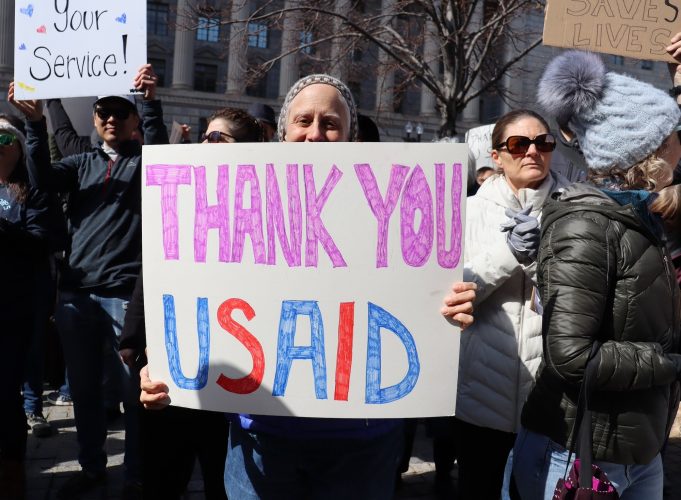
This juxtaposition—cutting life-saving aid abroad while spending billions on war and architectural renovations at home—has re-energized grassroots activism. Groups like ACT UP have returned to the streets, disrupting congressional hearings to demand the restoration of HIV/AIDS funding.
As the 2026 midterm elections approach, the fate of USAID has become a focal point for the political opposition. Democratic leaders have pledged that a change in congressional control would lead to the immediate re-authorization of the agency. For now, the former USAID headquarters stands as a silent monument to a bygone era of American engagement, while the rest of the world grapples with the fallout of its absence. The coming year will determine whether the "wood chipper" approach to foreign policy is a permanent shift or a temporary, albeit devastating, disruption in the history of American global leadership.
