

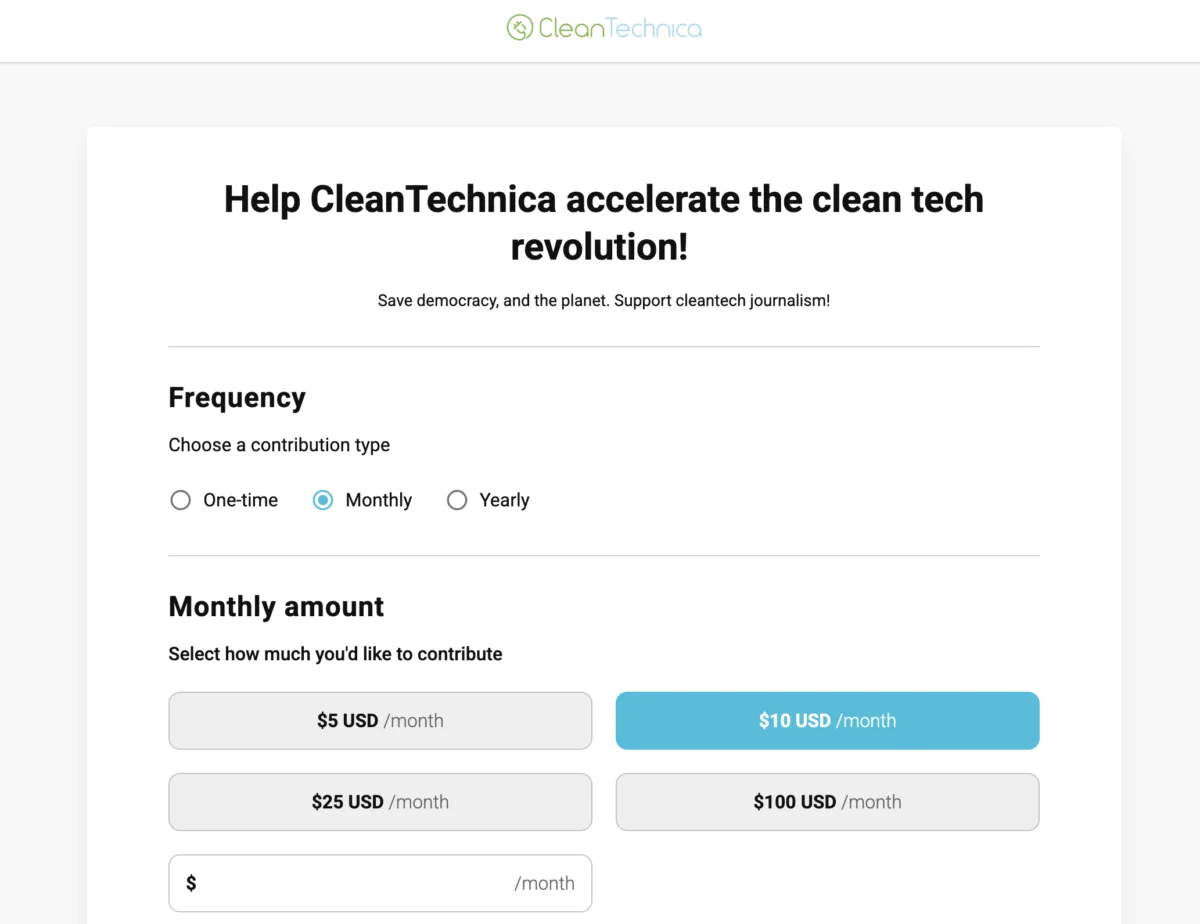
The digital media industry is currently navigating one of the most volatile periods in its history, characterized by a fundamental shift in how news organizations monetize content and engage with their audiences. As traditional advertising revenue continues to migrate toward a handful of dominant technology platforms, independent news outlets are increasingly forced to choose between restrictive paywalls or the precarious pursuit of reader-supported models. CleanTechnica, a prominent voice in the renewable energy and electric vehicle (EV) sectors for over 15 years, has recently highlighted these industry-wide pressures, emphasizing the growing necessity for direct reader contributions to sustain high-quality, expert-driven journalism.
The transition from an advertising-centric model to a subscription-based one reflects a broader trend across the global media landscape. For over a decade, digital publications relied heavily on programmatic advertising, which often resulted in a compromised user experience characterized by intrusive pop-ups, autoplay videos, and layout-disrupting banners. However, as privacy regulations like the GDPR and CCPA have tightened and web browsers have begun phasing out third-party cookies, the efficacy of traditional digital advertising has waned. This has led even established giants such as The New York Times and The Washington Post to prioritize "subscriber-first" strategies, effectively placing much of the world’s investigative and specialized reporting behind digital gates.
The Evolution of the Digital Media Revenue Model
The current "era of the paywall" is a direct response to the collapse of the mid-2010s digital advertising boom. During that period, many outlets pursued "scale at all costs," prioritizing page views and viral content to satisfy the requirements of high-volume ad networks. This approach often led to a decline in editorial depth and an increase in clickbait. As the market matured, it became clear that the vast majority of digital ad spending was being captured by Google and Meta (formerly Facebook), leaving independent publishers with diminishing returns.

In response, a bifurcated market has emerged. On one side are publications that offer limited free access before requiring a monthly fee. On the other are "open-access" organizations, such as The Guardian and CleanTechnica, which attempt to keep their content free to the public while soliciting voluntary contributions. This model is built on the philosophy that critical information—particularly regarding the climate crisis and the global energy transition—should be accessible to everyone, regardless of their ability to pay. However, maintaining this openness requires a dedicated base of supporters who recognize the intrinsic value of the reporting.
CleanTechnica’s recent strategic adjustments reflect this reality. The organization has focused on improving the reader experience by removing the most obtrusive forms of advertising, such as pop-ups, in favor of a cleaner interface. This move is designed to foster a more respectful relationship with the audience, but it simultaneously increases the importance of alternative revenue streams like Substack subscriptions and direct donations via platforms like Stripe.
Fifteen Years of Cleantech Documentation: A Chronology
To understand the significance of independent reporting in the energy sector, it is necessary to look at the timeline of the industry itself. CleanTechnica was founded during the nascent stages of the modern green revolution, and its trajectory has mirrored the technological and political shifts of the last decade and a half.
- 2008–2009: The Formative Years. CleanTechnica launched during the global financial crisis. At this time, the electric vehicle market was virtually non-existent for mainstream consumers, with the Tesla Roadster being a niche high-end product. The American Recovery and Reinvestment Act of 2009 provided a critical boost to renewable energy, signaling the start of a serious federal commitment to cleantech.
- 2010–2012: The Rise of the Early Adopters. This period saw the launch of the Nissan LEAF and the Chevrolet Volt. Reporting during this era focused on debunking myths about "range anxiety" and the viability of lithium-ion batteries. Solar power began its dramatic price descent, moving from a luxury addition to a competitive energy source.
- 2013–2016: Scaling Up. The cleantech sector moved into the "early majority" phase. Tesla’s Model S proved that EVs could be aspirational luxury vehicles. Meanwhile, global climate policy culminated in the 2015 Paris Agreement, creating a massive demand for expert analysis on how nations would meet their decarbonization targets.
- 2017–2020: The Mainstream Shift. The launch of the Tesla Model 3 and the subsequent response from legacy automakers like Volkswagen and Hyundai transformed the EV market into a global phenomenon. Journalism in this era had to pivot toward supply chain analysis, battery chemistry, and the geopolitics of critical minerals.
- 2021–Present: The Era of Implementation. With the passage of the Inflation Reduction Act (IRA) in the United States and similar green deals in Europe, the focus has shifted to the massive build-out of infrastructure. The role of the journalist has become that of a watchdog, tracking the deployment of billions of dollars in subsidies and the real-world performance of new technologies.
The Role of Expertise in an Age of Misinformation
The complexity of the energy transition requires a level of institutional memory that general news outlets often lack. Zachary Shahan, the Editor-in-Chief and CEO of CleanTechnica, has noted that having over 15 years of experience in the field provides a unique perspective that allows for more "honest, useful, and passionate" coverage. Shahan, recognized globally as an expert in EVs and energy storage, has presented at international conferences across four continents, illustrating the bridge between specialized journalism and industry expertise.

In the current media environment, where social media algorithms often prioritize sensationalism over accuracy, the presence of veteran analysts is crucial. The cleantech sector is frequently the target of sophisticated disinformation campaigns—ranging from exaggerated claims about the carbon footprint of battery manufacturing to myths regarding the reliability of wind and solar power. Professional journalistic outlets serve as a "first line of defense," providing data-backed rebuttals and nuanced explanations of complex engineering and economic concepts.
Supporting Data: The Economic Pressures on Independent Outlets
The financial pressure on independent media is backed by stark industry data. According to reports from the Pew Research Center, newsroom employment in the United States dropped by over 25% between 2008 and 2020. While digital-native newsrooms have seen some growth, they have not been able to fully offset the losses from traditional print and broadcast media.
Furthermore, the "subscription fatigue" phenomenon is a growing concern. The average consumer now manages multiple digital subscriptions across streaming services, software, and news. This creates a highly competitive environment where niche publications must prove their specific value proposition every month. For a site like CleanTechnica, that value lies in providing granular detail on topics that mainstream outlets cover only superficially—such as the specific grid-parity of solar in different geographic regions or the technical specifications of new solid-state battery prototypes.
Official Responses and Industry Sentiment
While many media analysts agree that the "open-access" model is the most ethical, they also acknowledge its difficulty. Industry leaders have often pointed to the "Guardian Model" as the gold standard for this approach. By asking for contributions rather than demanding a subscription fee, outlets can maintain a broad reach, which is essential for influencing public discourse and policy.
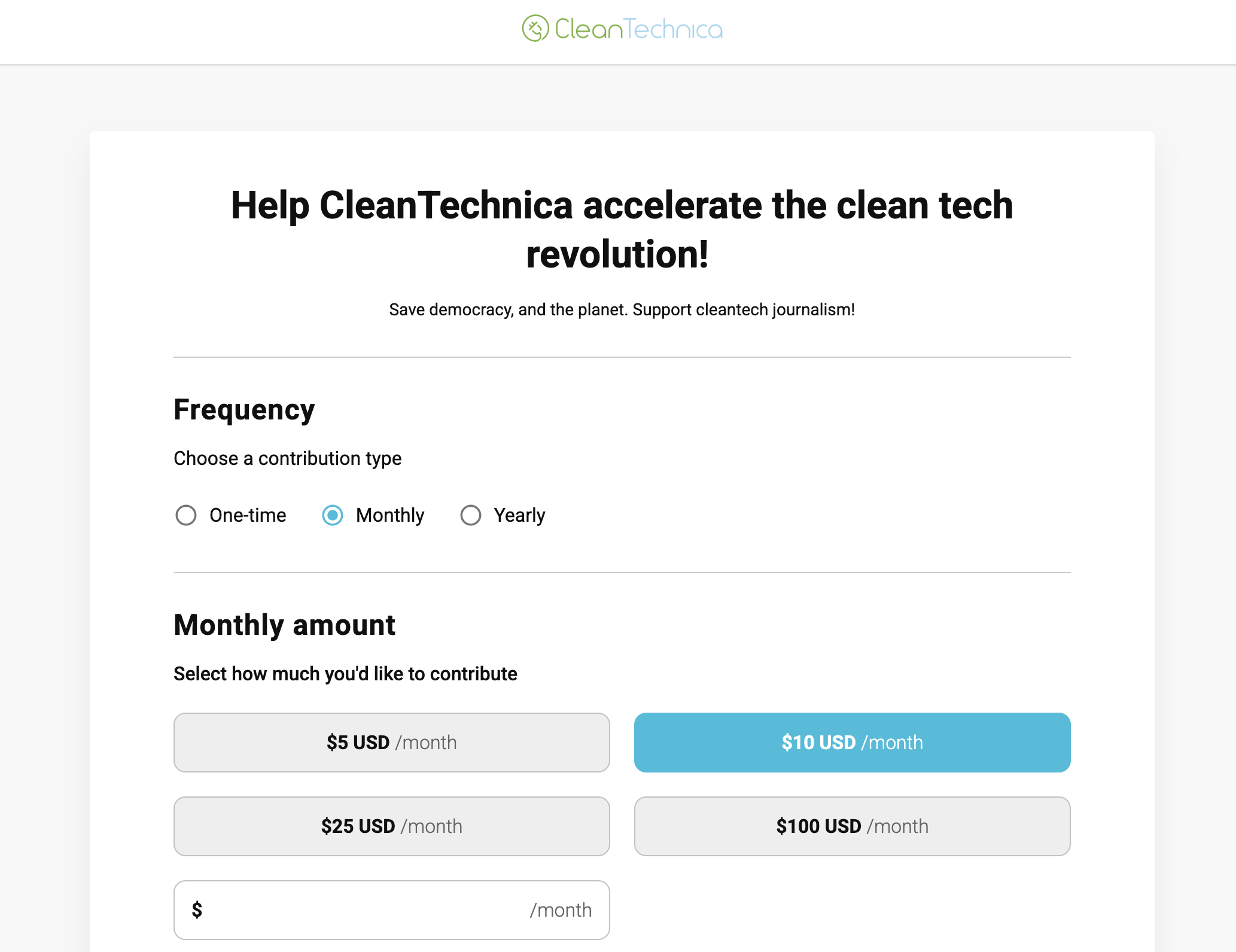
However, the "free-rider" problem remains a significant hurdle. Data suggests that only a small percentage (often less than 1-2%) of a site’s total monthly visitors actually contribute financially. This creates a situation where a small community of dedicated supporters effectively subsidizes the information consumption of millions of others. This "public service" aspect of independent journalism is what Shahan and his team are appealing to when they ask for support through Substack and Stripe.
Broader Impact and Future Implications
The survival of independent, expert-led media has implications that extend far beyond the journalism industry. As the world attempts to triple its renewable energy capacity by 2030, the need for clear, accurate, and timely information has never been greater. If independent outlets are forced to close or scale back their operations due to lack of funding, the resulting information vacuum is likely to be filled by corporate press releases or unverified social media content.
The future of the cleantech media landscape likely involves a hybrid approach. This includes a mix of direct reader support, specialized newsletters (such as the weekly analyses offered by Shahan and his colleagues), and high-value podcasts. By diversifying their platforms and focusing on a "clean" user experience, outlets like CleanTechnica are attempting to build a sustainable path forward that does not rely on the intrusive advertising of the past.
Ultimately, the transition to a clean energy economy and the transition to a sustainable digital media economy are both ongoing challenges. Both require a shift away from short-term, extractive models toward long-term, value-driven systems. The success of reader-supported journalism will serve as a bellwether for whether the public is willing to invest in the information infrastructure necessary to navigate the complexities of the 21st century.
